
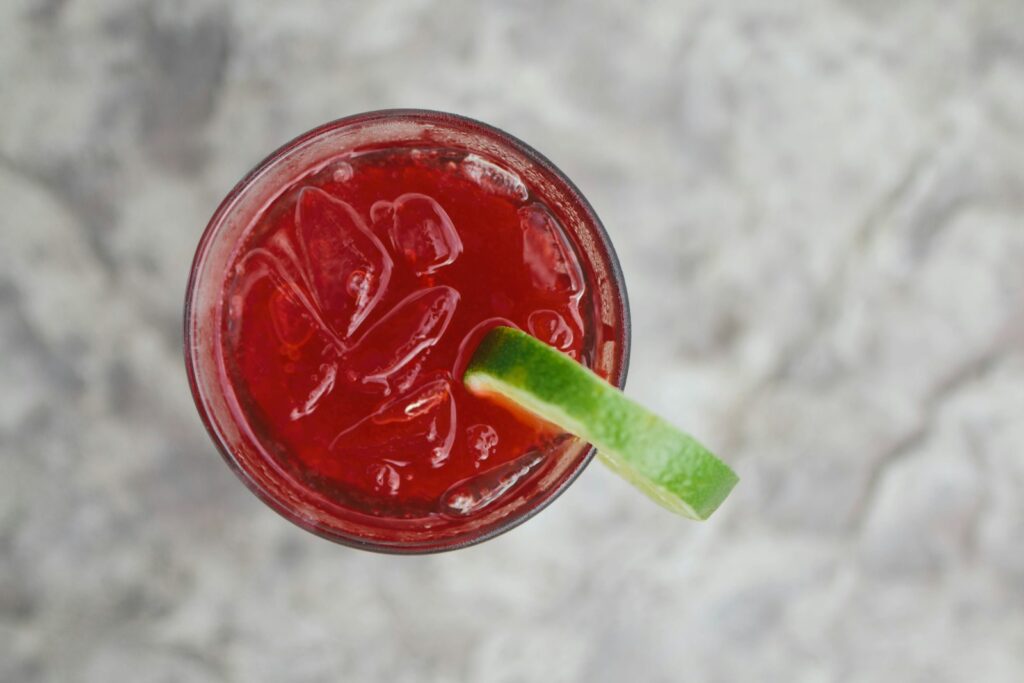
A cold glass of grape juice can taste like someone turned a handful of grapes up to full volume: deeply fruity, a little tart, and unmistakably sweet. Grape juice can fit into a balanced diet, especially when the bottle contains 100% juice, but it is not nutritionally identical to whole grapes. Juicing leaves very little fiber behind and makes a generous portion easy to drink quickly, so the label and the size of the glass matter more than the word fruit on the front.
Grape juice can count as fruit, but whole grapes bring more fiber and a slower, more satisfying way to enjoy that sweetness.
What grape juice is—and what the label really means
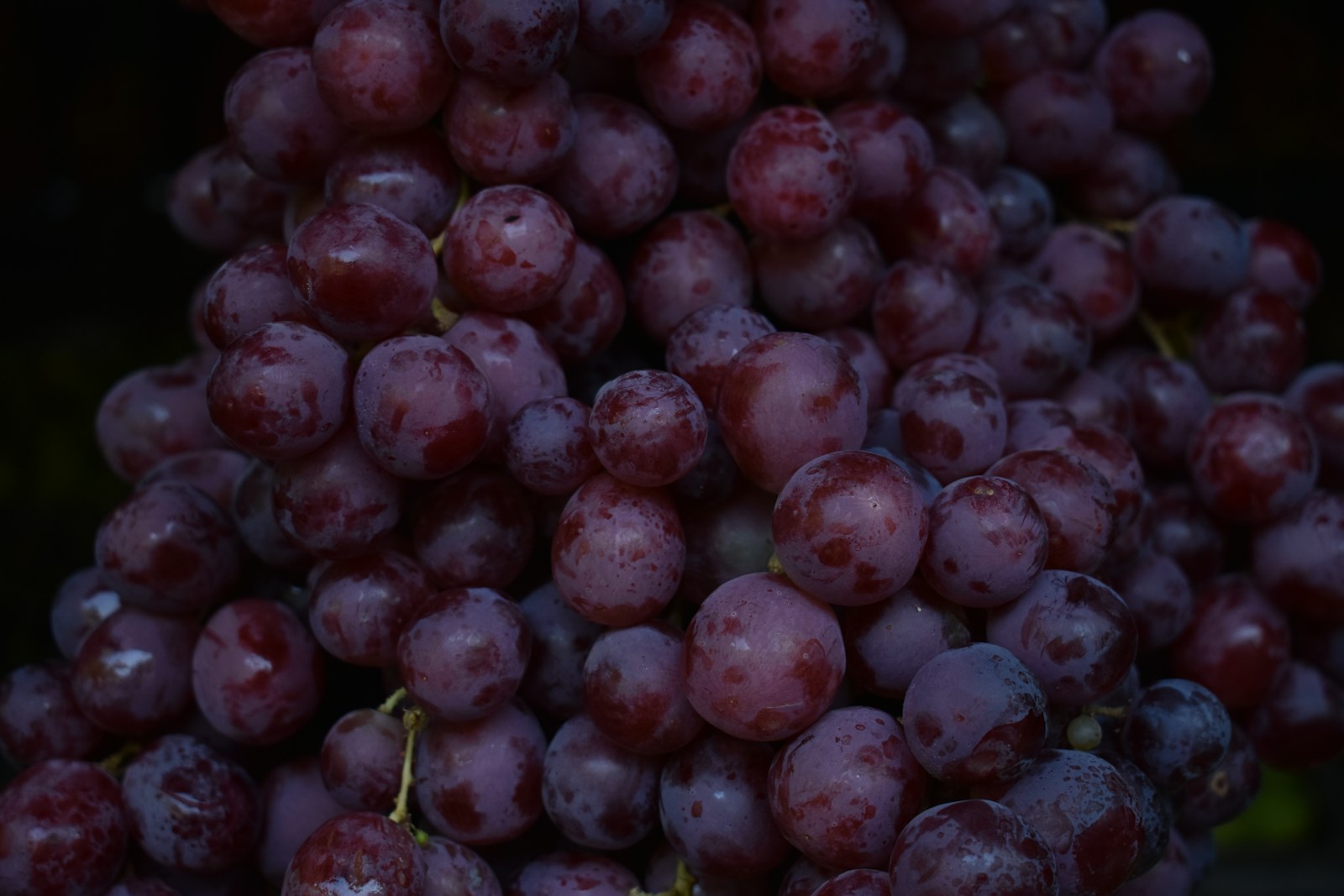
Grape juice is liquid pressed from grapes, then usually filtered and pasteurized. Purple juice is often made from Concord or other dark grapes; white grape juice typically comes from green or golden varieties. Juice “from concentrate” has had water removed for transport and added back later. That phrase describes processing, not whether the drink is automatically better or worse.
The front label deserves a close look. 100% grape juice should declare 100% juice, while a grape juice drink, beverage, or cocktail may contain less juice plus water, sweeteners, flavors, or other juices. The ingredient list tells you what is actually in the bottle, and the Nutrition Facts panel separates total sugars from added sugars. A 100% juice can have plenty of total sugar even when the added-sugars line says zero, because grapes naturally contain sugar.
Fortification changes the details, too. Some products add vitamin C or calcium; others do not. My grocery-aisle shortcut is to ignore the vineyard artwork for ten seconds and compare equal serving sizes, percent juice, added sugars, and the nutrients I care about. “No sugar added” does not mean sugar-free, and “natural” does not replace the ingredient list.
Grape juice nutrition compared with whole grapes
USDA data show the practical difference clearly. Rounded values below compare one cup of unsweetened grape juice with one cup of seedless grapes; the exact numbers change with the variety, product, fortification, and serving size.
| About 1 cup | Unsweetened grape juice | Seedless grapes | Useful takeaway |
|---|---|---|---|
| Calories | About 150 | About 100 | Liquid fruit is easier to consume in a larger amount |
| Carbohydrate | About 37 g | About 27 g | Both provide naturally occurring carbohydrate |
| Total sugars | About 36 g | About 23 g | “No added sugar” does not mean low in total sugar |
| Fiber | Less than 1 g | About 1.5 g | Whole fruit retains more of the grape’s fiber |
Neither option is “bad,” but they do different jobs. Whole grapes require chewing, include their skins, and provide more fiber for the calories. It is the same practical distinction you see when comparing whole apples with juice. Juice offers fluid and some nutrients, and a small glass can be enjoyable when solid fruit is not practical. I think of it as a concentrated fruit serving rather than a free-pour drink: satisfying on purpose, not something that needs to fill the tumbler.
Does grape juice have special health benefits?
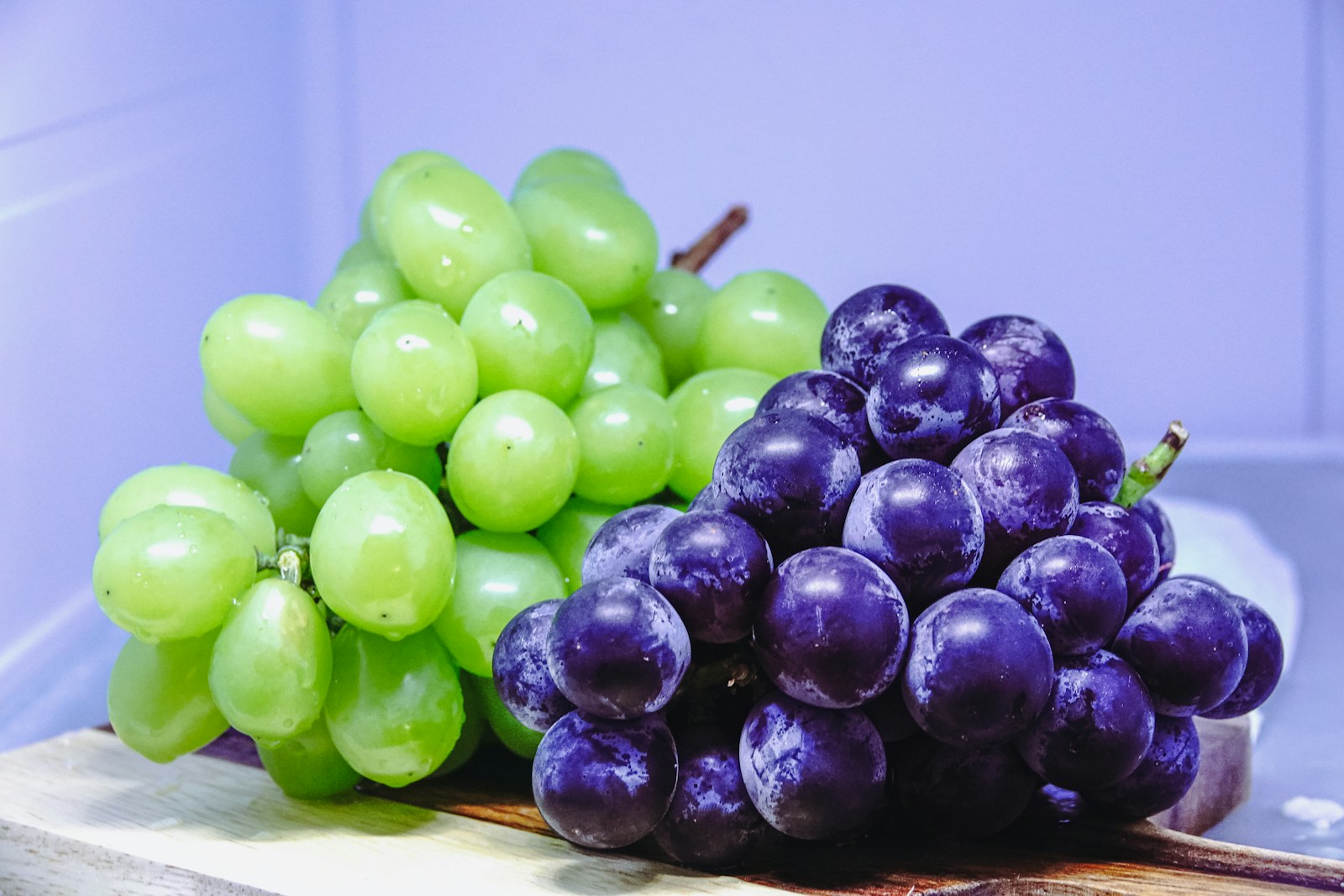
Dark grapes and purple grape juice contain polyphenols, including anthocyanins that help create their color. Laboratory antioxidant activity sounds impressive, but it is not the same as preventing a heart attack, treating high blood pressure, or “detoxing” the body. Human studies of grape products have used different juices, doses, and populations, and many are small or short. That makes sweeping promises inappropriate.
The most defensible benefit is simpler: 100% grape juice can contribute to fruit intake and can replace a sugar-sweetened drink for someone who genuinely enjoys it. It is not a substitute for vegetables, whole fruit, sleep, medicine, or water. Drinking extra glasses in pursuit of polyphenols also means drinking extra calories and sugar, with almost no fiber to slow the experience.
People who monitor blood glucose or carbohydrate may need to count the serving carefully because juice raises carbohydrate intake quickly. A smaller pour alongside a meal is often easier to fit than a large glass on its own, but individual needs differ. A clinician or registered dietitian can help with diabetes, kidney disease, swallowing needs, medication questions, or another medical reason for choosing juice.
How to choose, serve, and store grape juice safely
Choose a product by the job you want it to do. For an everyday fruit choice, prioritize whole grapes and other whole fruits; when you want juice, look for 100% juice, compare the listed serving, and decide whether fortification is useful. A four-ounce glass, a sparkling-water spritzer, or a measured splash in a smoothie can deliver the flavor without quietly turning one serving into two. I’d rather make a small pour intentional than fill a large glass simply because it looks more generous.
For children, age changes the advice. The American Academy of Pediatrics recommends no fruit juice before age 1 unless a clinician advises it; after that, it sets daily upper limits of 4 ounces for ages 1–3, 4–6 ounces for ages 4–6, and 8 ounces for ages 7–18. Juice should be served in a cup, not carried around all day in a bottle or covered cup, and it should not displace whole fruit, water, milk, or a nourishing meal.
Most packaged U.S. juice is pasteurized or otherwise treated to control harmful bacteria. Check for the FDA warning on untreated packaged juice, and ask when juice is sold by the glass. Pregnant people, young children, older adults, and anyone with a weakened immune system should avoid untreated juice. Refrigerate after opening when the label directs, keep the refrigerator at 40°F (4°C) or below, and follow the package’s after-opening timeline. For fresh homemade juice, wash hands and grapes under running water, use clean equipment, refrigerate promptly, and never rely on smell alone to prove safety.
Sources
- USDA FoodData Central
- USDA MyPlate: Fruits
- U.S. Food and Drug Administration: How to Understand and Use the Nutrition Facts Label
- U.S. Food and Drug Administration: What You Need to Know About Juice Safety
- American Academy of Pediatrics: Fruit Juice and Your Child’s Diet
- American Academy of Pediatrics: Fruit Juice in Infants, Children, and Adolescents—Current Recommendations

Hi, I’m Laura, the voice behind Tastiva. I’ve always believed that eating well should feel enjoyable, comforting, and realistic—not like another complicated rule to follow. I love creating recipes that fit into everyday life, sharing simple nutrition ideas, and finding small ways to make meals feel a little better without losing the pleasure of good food.