

Yuzu has a funny way of appearing on a menu before it appears in the produce aisle: yuzu soda, yuzu dressing, yuzu cheesecake—then, eventually, the knobbly yellow fruit itself. Yuzu fruit is an intensely fragrant, very tart citrus used mainly for its zest and juice rather than eaten out of hand. Its aroma can suggest lemon, mandarin, and grapefruit, but it has a floral, almost herbal character that makes it taste distinctly like yuzu.
Think of yuzu as a finishing citrus: a little zest or juice can brighten a whole dish without asking to be the main ingredient.
What yuzu fruit is and what it tastes like
Yuzu is classified as Citrus junos. It has been cultivated in East Asia for centuries and is especially associated with Japanese cooking; the Korean name yuja may also appear on tea, marmalade, or condiment labels. A ripe fruit is generally yellow with thick, uneven skin, while less mature fruit may be green. Inside, expect plenty of seeds and less juice than a similarly sized lemon.
The comparison to lemon plus mandarin plus grapefruit is useful, but only as a sketch. Yuzu is sharply acidic, lightly bitter, and remarkably aromatic. The peel carries much of that perfume, which is why a few fine shavings can be more expressive than a large squeeze of ordinary citrus juice.
I’d resist judging it like a snack orange. Biting into a wedge will mostly deliver pucker and seeds. Yuzu makes more sense when its acidity has a job—cutting through a rich sauce, balancing sugar, lifting steamed fish, or waking up a quiet bowl of noodles.
Fresh, bottled, frozen, or preserved: which yuzu to buy
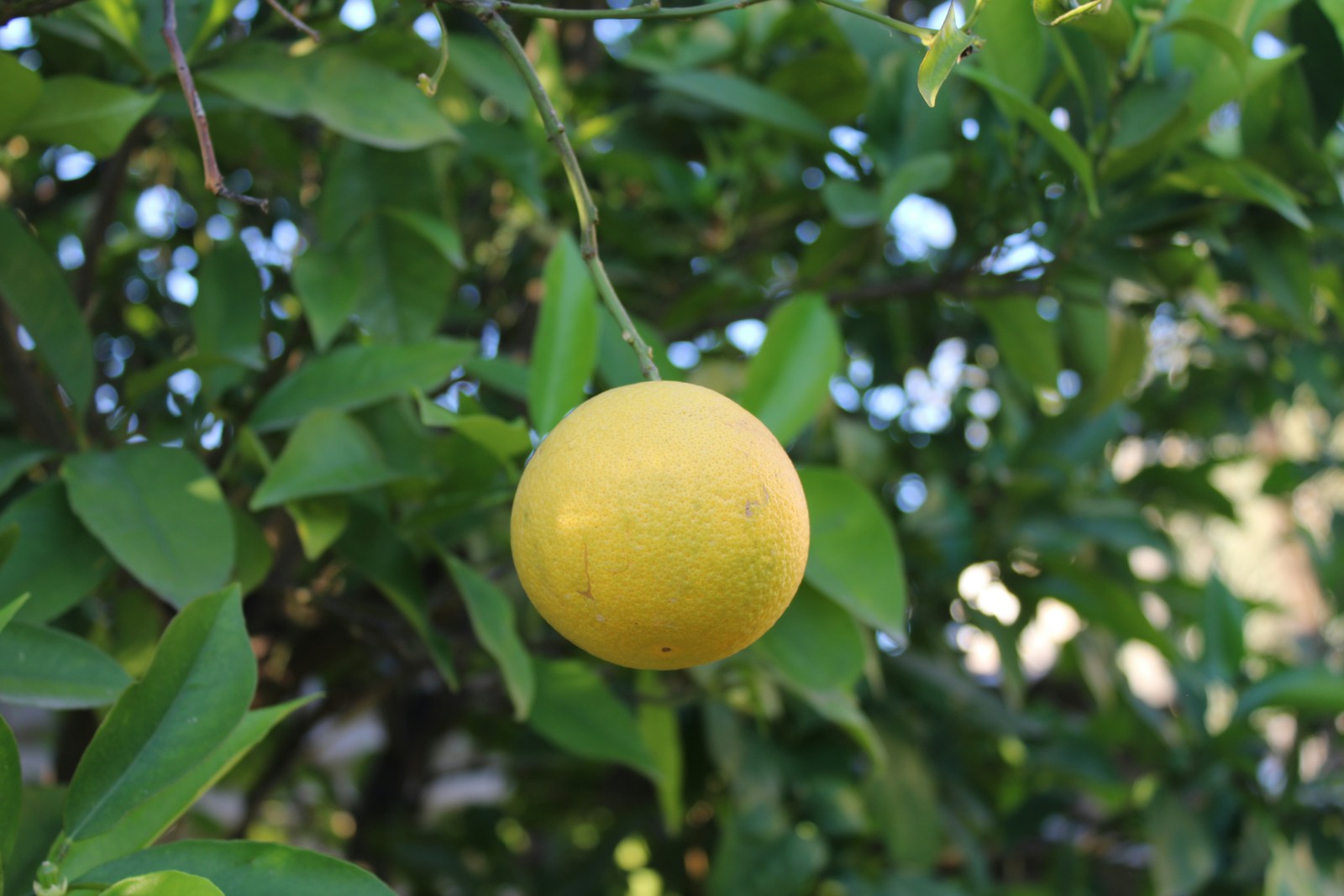
Fresh yuzu can be difficult to find in a typical U.S. supermarket, but Japanese and specialty grocers may carry it when available. Bottled juice, frozen zest, preserved peel, ponzu, yuzu kosho, and sweet yuja preserves are often easier to find. They are useful in different ways, so the front label alone never tells the whole story.
| Product | Best for | What to check |
|---|---|---|
| Fresh yuzu | Zest, juice, garnish, syrups | Firm fruit, fragrant skin, no mold or deep soft spots |
| 100% bottled juice | Dressings, sauces, drinks, desserts | Ingredients, refrigeration directions, and whether salt is added |
| Frozen zest or juice | Keeping yuzu flavor on hand | Plain yuzu rather than a sweetened blend |
| Ponzu | Dipping, noodles, vegetables, fish | Soy, wheat, sodium, and other citrus ingredients |
| Yuzu kosho | A salty, chile-hot finishing condiment | Heat level and sodium; it is not a substitute for plain juice |
| Yuja preserve or “yuzu tea” | Stirring into hot water, toast, yogurt | Added sugar and serving size |
My shopping shortcut is simple: choose plain juice when a recipe asks for acidity, zest when aroma matters most, and a prepared condiment only when you want everything else in that jar too. A bottle labeled “yuzu flavor” may contain little or no yuzu, while ponzu can include soy sauce, vinegar, sweetener, and other citrus.
How to use yuzu without overwhelming dinner
Start smaller than you would with lemon and taste as you go. Yuzu’s aroma can disappear beneath heavy seasoning, yet too much bottled juice can make a dish sharply sour. A teaspoon stirred into a vinaigrette or dipping sauce is a sensible starting point; the final amount depends on the product and the rest of the recipe.
- Whisk juice with neutral or sesame oil for a bright dressing.
- Add zest to butter, yogurt, frosting, shortbread, or sugar.
- Finish broth, noodles, steamed vegetables, or grilled fish with a few drops.
- Stir juice into sparkling water, lemonade, tea, or a citrus-forward cocktail.
- Fold a little into curd, sorbet, glaze, or whipped cream.
- Use yuzu kosho sparingly in mayonnaise, soup, marinades, or a dipping sauce.
If you zest fresh fruit, wash it under running water first and dry it well; the FDA does not recommend soap or produce wash. Remove only the colored outer layer, not the bitter white pith beneath it. I like the idea of zesting before juicing because it rescues the most aromatic part before the squeezed rind lands in the compost.
Substitutes, storage, and small kitchen details
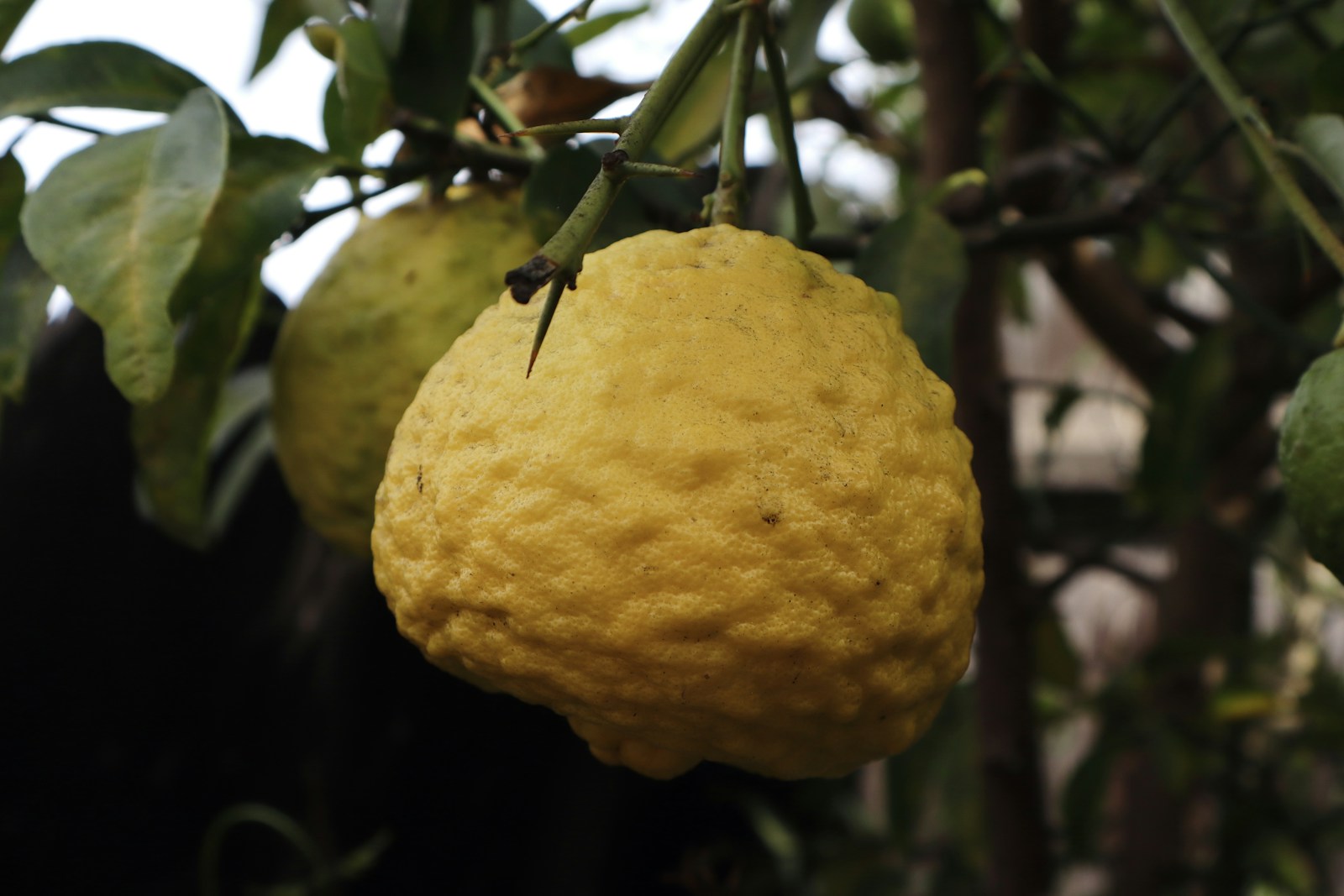
No substitute perfectly copies yuzu. For one tablespoon of yuzu juice, begin with two teaspoons lemon or lime juice plus one teaspoon mandarin or orange juice, then adjust. A tiny amount of finely grated mandarin peel can add fragrance. I’d skip grapefruit as the automatic substitute when medication interactions are a concern; lemon and mandarin make a friendlier everyday stand-in.
Keep fresh yuzu refrigerated once it needs help staying firm, and follow the bottle’s directions after opening. Juice and zest freeze well in small portions, which is practical because a little goes a long way. An ice-cube tray may be too generous; teaspoon-size portions save you from thawing more than dinner needs.
Acid can curdle dairy, so add yuzu gradually to cream or milk mixtures and follow a tested recipe for custards and curds. In marinades, citrus changes the surface texture of seafood and meat over time; more hours do not always mean more flavor. Let yuzu be the bright final note rather than the ingredient that bulldozes everything else on the plate.
Sources
- UC Riverside Givaudan Citrus Variety Collection: Citrus Varieties
- PubMed: Variation in Major Antioxidants and Aroma-Related Compounds of Yuzu During Maturation
- FoodSafety.gov: Safe Ways to Handle and Clean Produce
- FDA: Grapefruit Juice and Some Drugs Don’t Mix

Hi, I’m Laura, the voice behind Tastiva. I’ve always believed that eating well should feel enjoyable, comforting, and realistic—not like another complicated rule to follow. I love creating recipes that fit into everyday life, sharing simple nutrition ideas, and finding small ways to make meals feel a little better without losing the pleasure of good food.