
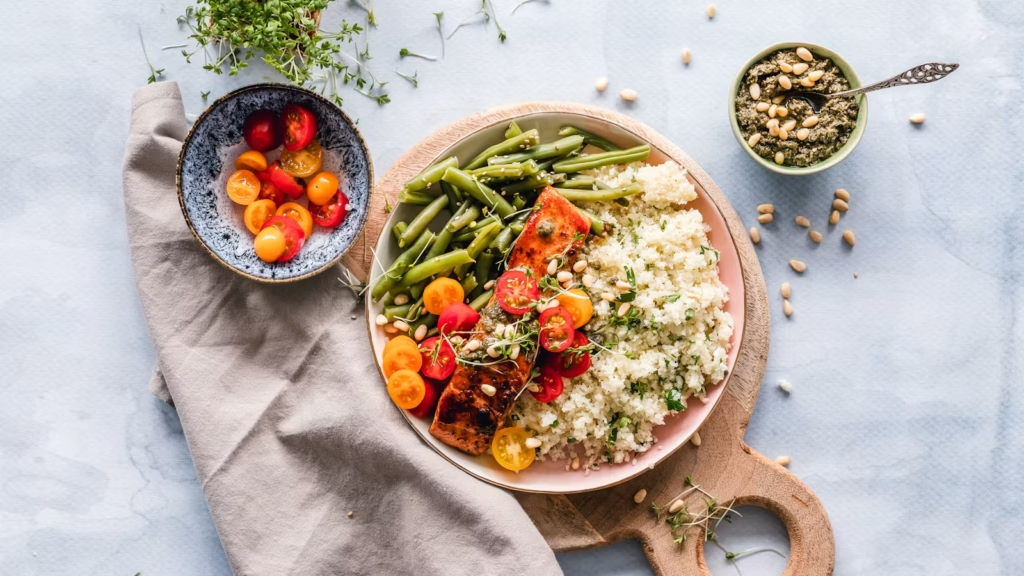
There are weeks when washing and chopping every ingredient is simply not the assignment. This grocery shortcut meal plan uses rotisserie chicken, frozen vegetables, canned beans, ready-to-eat grains, and bagged greens for five days of breakfasts, lunches, and dinners for two adults. You still make choices about seasoning and timing; the store has just done some of the prep. Check labels for ingredients, allergens, and sodium that matter to you.
Buy shortcuts that become several meals, then add one fresh detail to each plate.
The 5-day grocery shortcut meal plan
The early days use a rotisserie chicken while it is freshest. Later meals rely on beans, eggs, frozen vegetables, and fish cooked fresh. Packaged grains save cooking time, but follow their package directions and keep cooked portions refrigerated promptly.
| Day | Breakfast | Lunch | Dinner |
|---|---|---|---|
| Monday | Yogurt, berries, and oats | Rotisserie chicken wrap with bagged slaw | Chicken, microwave brown rice, and steam-in-bag broccoli |
| Tuesday | Egg toast and banana | Chicken-rice bowl with cucumber | Black-bean quesadillas and bagged salad |
| Wednesday | Overnight oats with apple | Bean-and-slaw pita with yogurt sauce | Frozen vegetable and egg fried rice |
| Thursday | Yogurt, fruit, and nuts | Leftover fried rice reheated thoroughly | Oven salmon, ready-to-eat quinoa, and salad |
| Friday | Egg and spinach wrap | Quinoa, white-bean, and cucumber bowl | Tomato-bean pasta with frozen spinach |
If you would rather cook your own chicken, do that Monday and reserve Tuesday portions. The structure stays the same. By Friday, the plan has moved on to pantry and freezer ingredients instead of asking you to stretch Monday’s chicken through the whole week.
The focused store list
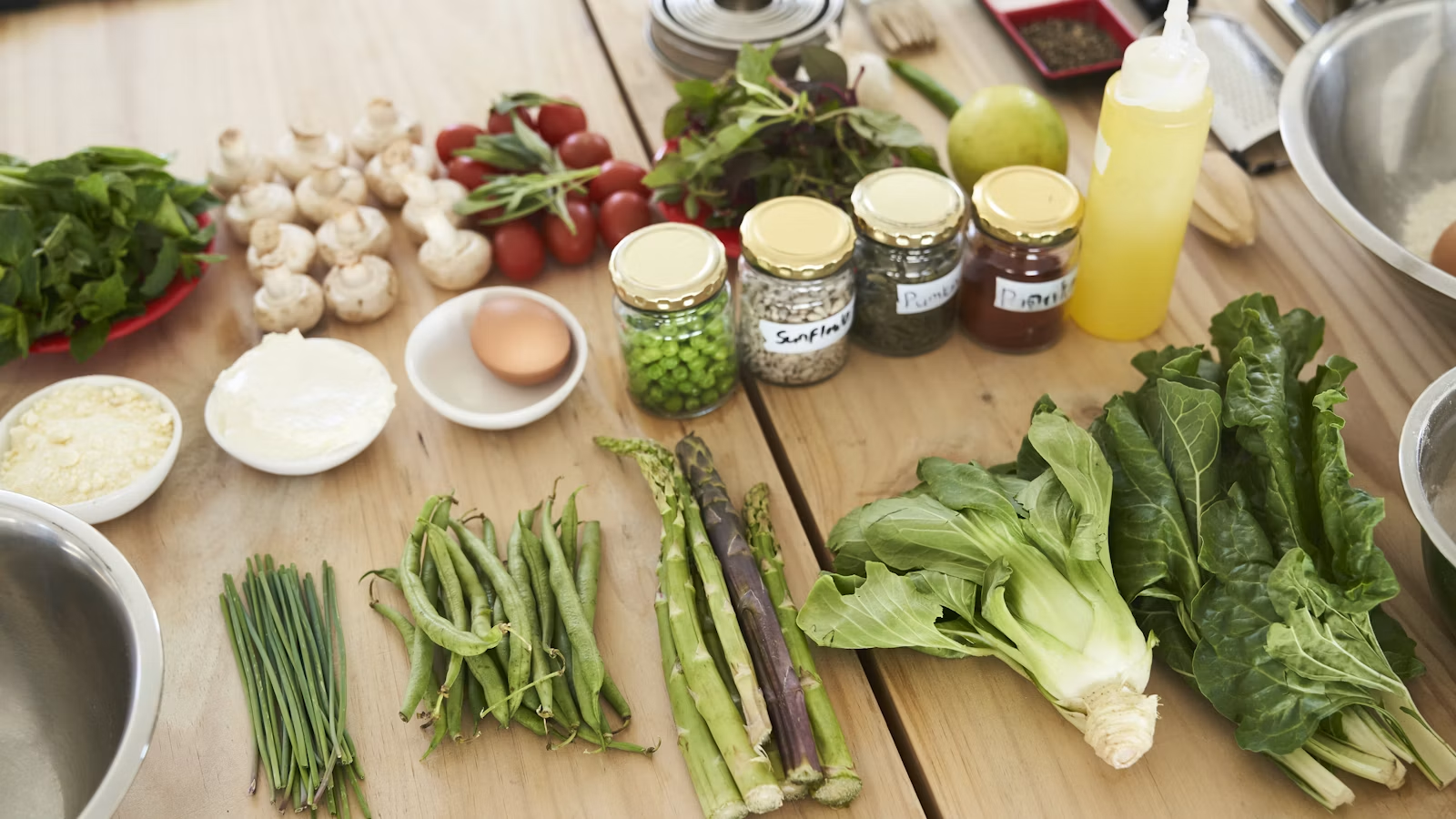
For two adults, buy one ready-cooked chicken, a dozen eggs, a tub of plain yogurt, two salmon portions, three to four cans of mixed beans, microwave rice or precooked grains, pasta, tortillas or pitas, oats, and canned tomato sauce. Choose products whose ingredient lists work for your household.
- Fresh: Cucumbers, bananas, apples, berries, a lemon, and optional herbs or scallions for a fresh finish.
- Prepared produce: Bagged slaw, bagged salad, frozen broccoli, mixed frozen vegetables, and frozen spinach.
- Pantry: Olive oil, peanut butter or nuts, and a seasoning you already use; packaged grains and sauces can carry salt, so taste before adding more.
The grocery shortcut meal plan works because a small number of purchases have clear destinations. If a store is out of rotisserie chicken, use canned chickpeas for Monday and Tuesday instead of shopping for a complicated substitute recipe.
Ten-minute prep jobs that still matter
Portion the cooked chicken into Monday and Tuesday meals as soon as you get home, following the store’s handling directions. Wash the fresh cucumbers and fruit, then set out five lunch containers. I’d leave the frozen vegetables frozen until their cooking day and open bagged greens close to serving.
- Shopping day: Refrigerate the chicken promptly and check its use-by guidance; separate ready-to-eat foods from raw fish.
- Monday evening: Reserve Tuesday lunch chicken before the dinner plate goes out.
- Wednesday evening: Chill a Thursday fried-rice portion in a shallow container, then reheat thoroughly.
- Thursday: Cook salmon fresh and keep Friday’s lunch to beans and grains.
Shortcuts do not remove food safety work. An insulated lunch bag with a cold pack, a clean board, and a dated leftover container still matter. They are the small jobs that keep the faster plan practical.
What to check on packages and leftovers
Ready-to-eat grains are convenient but can vary in serving size and seasoning; compare labels rather than assuming each pouch feeds two. For a vegetarian version, replace chicken and salmon with beans, tofu, or eggs and adjust the plan so protein sources and appetite needs are covered.
- Check convenience labels: Look for allergens, sodium, and added sauces that may change the intended flavor.
- Keep foods cold: Perishables belong at 40°F (4°C) or below; use cold packs for travel if needed.
- Use leftovers promptly: Generally eat cooked leftovers within 3–4 refrigerated days or freeze them; reheat leftovers to 165°F (74°C).
I’d rather have a grocery shortcut meal plan with five meals that get eaten than a grand Sunday prep session that never fits the week. Convenience can be a sensible kitchen tool when you choose what it actually saves you.
Sources
- Nutrition.gov: food shopping and meal planning
- USDA FSIS: leftovers and food safety
- FoodSafety.gov: safe minimum internal temperatures

Hi, I’m Laura, the voice behind Tastiva. I’ve always believed that eating well should feel enjoyable, comforting, and realistic—not like another complicated rule to follow. I love creating recipes that fit into everyday life, sharing simple nutrition ideas, and finding small ways to make meals feel a little better without losing the pleasure of good food.