
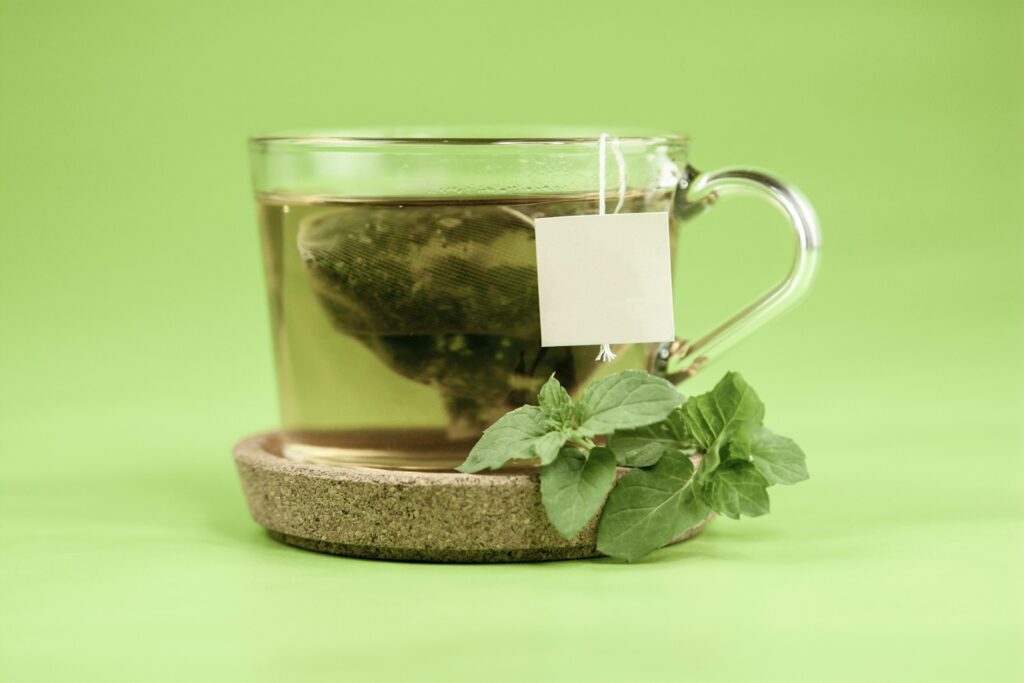
Drinking decaf green tea is a practical way to keep the grassy, gently astringent character of green tea while cutting most of its caffeine. It is not automatically caffeine-free, though, and “decaffeinated” does not tell you exactly how many milligrams will land in your cup. The starting leaves, removal method, serving size, water temperature, and steep time all matter. For most adults, plain brewed decaf green tea can fit comfortably into an everyday routine; anyone who must avoid caffeine completely should choose a truly caffeine-free infusion instead.
Decaf green tea is best understood as lower caffeine, not zero caffeine—a small distinction that makes choosing your evening cup much easier.
What decaf green tea actually is
Green tea comes from Camellia sinensis. Its leaves are heated soon after harvest to limit oxidation and preserve their green color and fresh flavor. Decaf starts as that same true tea, then undergoes a process that removes much of its caffeine. Peppermint, chamomile, and rooibos are different: they are herbal infusions and naturally contain no caffeine unless a caffeinated ingredient is added.
Some caffeine normally remains. The FDA says decaffeinated coffees and teas contain less caffeine than regular versions but are not caffeine-free. For context, it lists regular green tea at about 37 milligrams per 12 fluid ounces, yet gives no universal number for decaf tea. Residual caffeine varies by leaf, batch, processing, serving size, and brewing.
Do not expect the Nutrition Facts panel to settle it. In the United States, caffeine naturally present in tea does not have to be declared as an ingredient or quantified on the label; some companies provide a tested amount voluntarily. If trace caffeine matters to you, I’d look for a per-serving figure and contact the manufacturer when it is absent. “Decaf” is not interchangeable with “caffeine-free.”
How green tea is decaffeinated
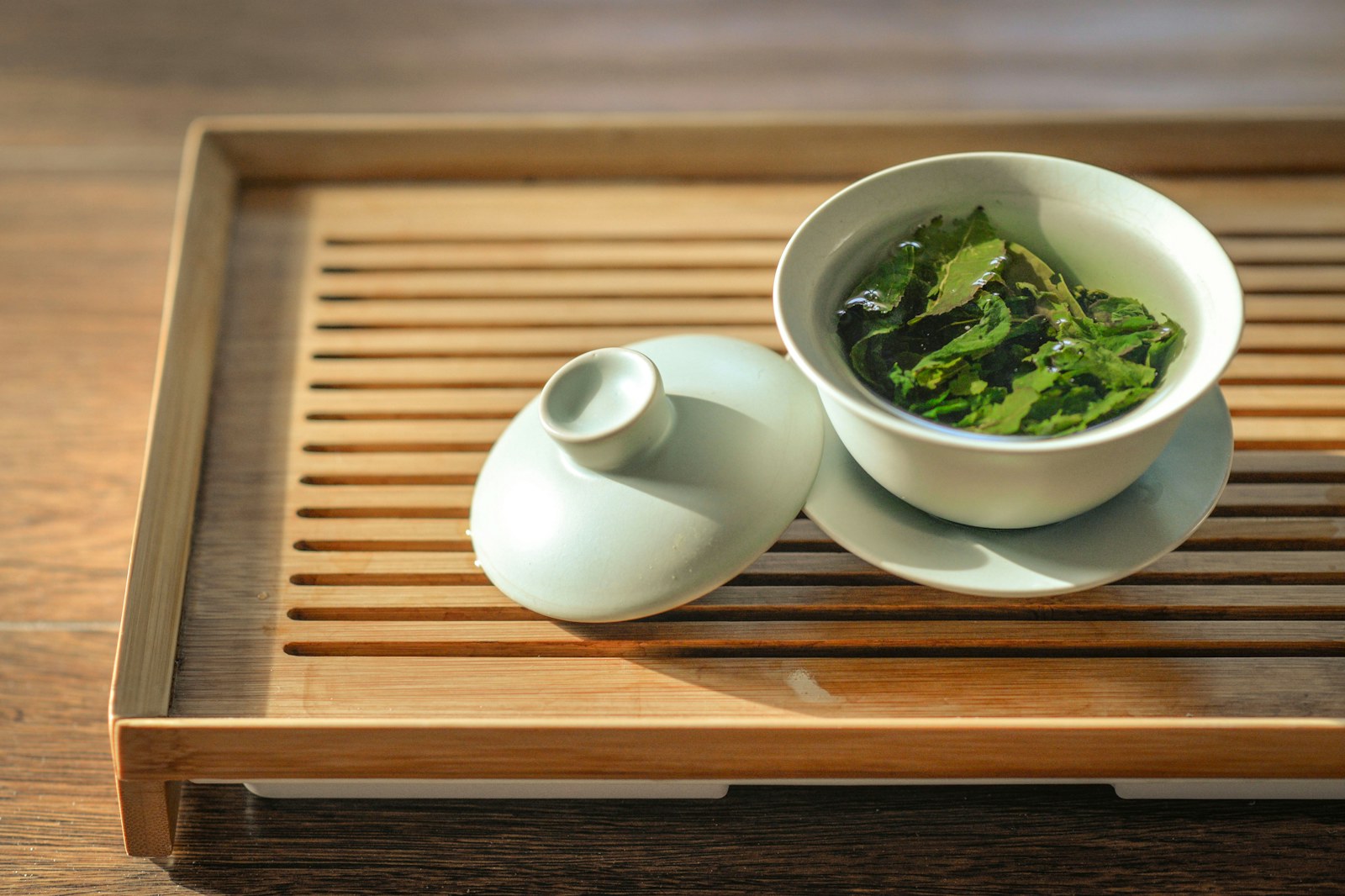
Decaffeination is an extraction job: processors try to remove a small molecule—caffeine—without carrying away too much aroma or too many other soluble compounds. No method is perfectly selective, and brands do not always name theirs.
| Method | How it works | What to know |
|---|---|---|
| Supercritical carbon dioxide | Pressurized CO2 moves through moistened leaves and binds with caffeine | Selective and leaves no organic-solvent residue, but processing can still alter delicate aromas |
| Water processing | Water draws out caffeine and other soluble compounds; filters or adsorbents separate caffeine | Avoids an organic solvent, though flavor and polyphenol retention depend heavily on the process |
| Ethyl acetate | Moistened leaves are repeatedly washed with a food-processing solvent, which is then removed | Often called “naturally decaffeinated” because ethyl acetate occurs in foods, but that phrase is marketing, not a flavor guarantee |
Carbon dioxide is often a good sign when preserving character is your priority, but the cup still decides. Water-processed tea is not automatically bland, and ethyl-acetate tea is not automatically inferior. My practical view is to treat the process statement as useful context, then judge freshness, leaf quality, and taste.
What changes in flavor and polyphenols
Caffeine is only one part of green tea’s flavor. Catechins contribute bitterness and astringency; amino acids and volatile compounds add sweetness, savoriness, floral notes, and green aroma. Because decaffeination can disturb those compounds, a decaf cup may seem lighter or less aromatic. A study of supercritical-CO2 decaffeination found that several volatile compounds decreased or disappeared, illustrating why method matters.
Polyphenols, including catechins such as EGCG, are not the same thing as caffeine, so decaf tea still contains them. Amounts can change during extraction, however. In one controlled study, an optimized hot-water treatment removed about 83 percent of caffeine from fresh green-tea leaves while retaining about 95 percent of total catechins. That is encouraging process research, not a promise that every supermarket tea has those numbers.
It is equally important not to turn retained polyphenols into a medical claim. The National Center for Complementary and Integrative Health says firm conclusions cannot be reached for most purposes for which green tea and its extracts are promoted. Decaf-specific evidence is thinner still. Enjoy it as an unsweetened beverage, not as a treatment or guaranteed route to weight loss, heart health, or “detoxing.”
How to choose, brew, and drink it safely
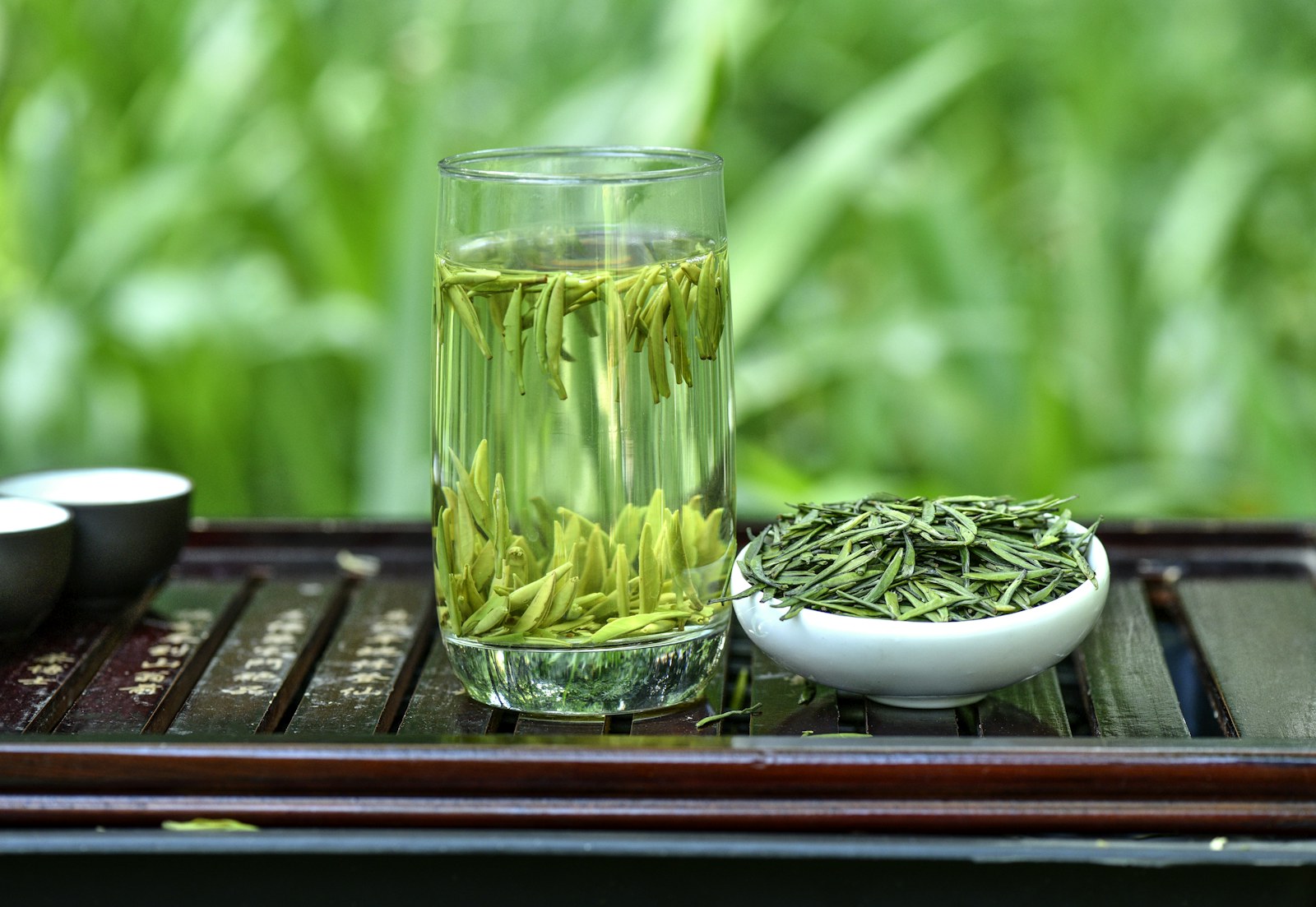
Choose a package that names green tea first, and check flavored blends for sweeteners or other caffeinated ingredients. If a brand reports residual caffeine, match the number to the serving you brew. Tea bags offer consistency; loose leaf gives you control. A recent pack with a named decaffeination method is helpful, but taste is the final test.
Follow the package directions first. My brewing default is fresh water around 170–180°F (77–82°C) and a two- to three-minute steep; hotter water and a long steep can make green tea harsh. Add more leaf for a fuller cup before pushing the time much longer. A quick rinse of regular green tea is not dependable home decaffeination—research shows caffeine continues to extract over several minutes and across later infusions.
The FDA cites 400 milligrams of caffeine per day as an amount not generally associated with negative effects for most adults, but sensitivity varies. Even a little may matter near bedtime. NIH guidance reports no safety concerns for green tea consumed as a beverage by adults, but concentrated extracts have different risks. If you are pregnant or breastfeeding, take medication, or limit caffeine for a health condition, ask your clinician or pharmacist. If the answer is zero, choose a caffeine-free herbal infusion. If you are comparing tea routines, our matcha benefits guide explains another green-tea form—one that does contain caffeine.
Sources
- U.S. Food and Drug Administration: Spilling the Beans—How Much Caffeine Is Too Much?
- National Center for Complementary and Integrative Health: Green Tea—Usefulness and Safety
- USDA FoodData Central
- Lee et al., “Effect of Supercritical Carbon Dioxide Decaffeination on Volatile Components of Green Tea”
- Liang et al., “Decaffeination of Fresh Green Tea Leaf (Camellia sinensis) by Hot Water Treatment”
- Hicks, Hsieh, and Bell, “Tea Preparation and Its Influence on Methylxanthine Concentration”00038-5)

Hi, I’m Laura, the voice behind Tastiva. I’ve always believed that eating well should feel enjoyable, comforting, and realistic—not like another complicated rule to follow. I love creating recipes that fit into everyday life, sharing simple nutrition ideas, and finding small ways to make meals feel a little better without losing the pleasure of good food.