
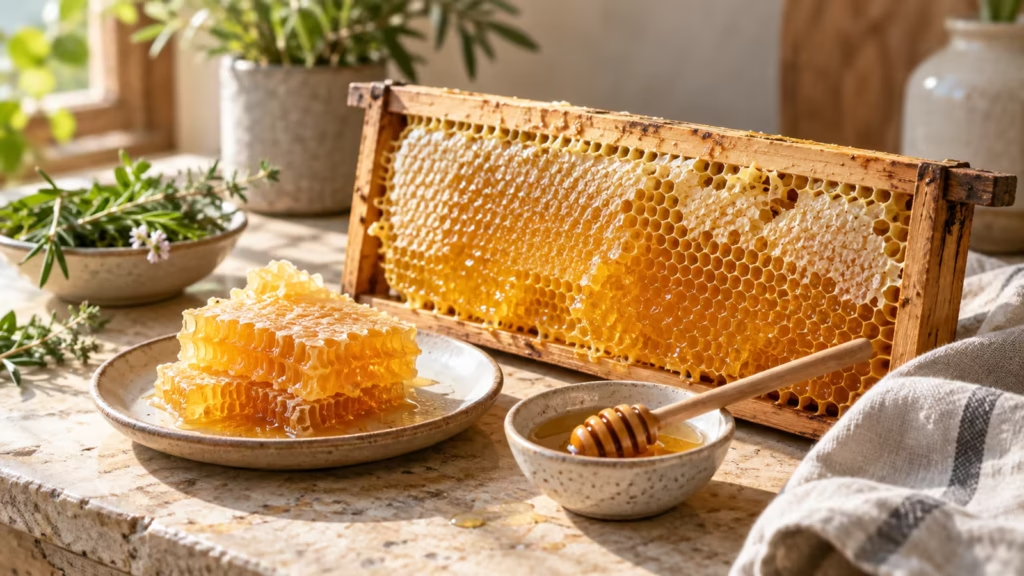
A square of honey comb looks like the most direct route from hive to table: amber honey held inside hundreds of delicate wax cells. Honeycomb—often searched as “honey comb”—is edible beeswax built by honey bees and filled with honey. You can chew and swallow the wax, although some people prefer to enjoy the honey and discard the remaining wax like gum. Its flavor can be floral, herbal, citrusy, or dark and malty depending on the nectar source. I love the tiny crackle of the cells, but I would still treat it as what it is: a beautiful sweetener, not a wellness supplement in architectural form.
Honeycomb is a lovely whole-hive food, but its clearest promise is pleasure: fragrant honey, tender wax, and a little crunch.
What honey comb is—and whether the wax is edible
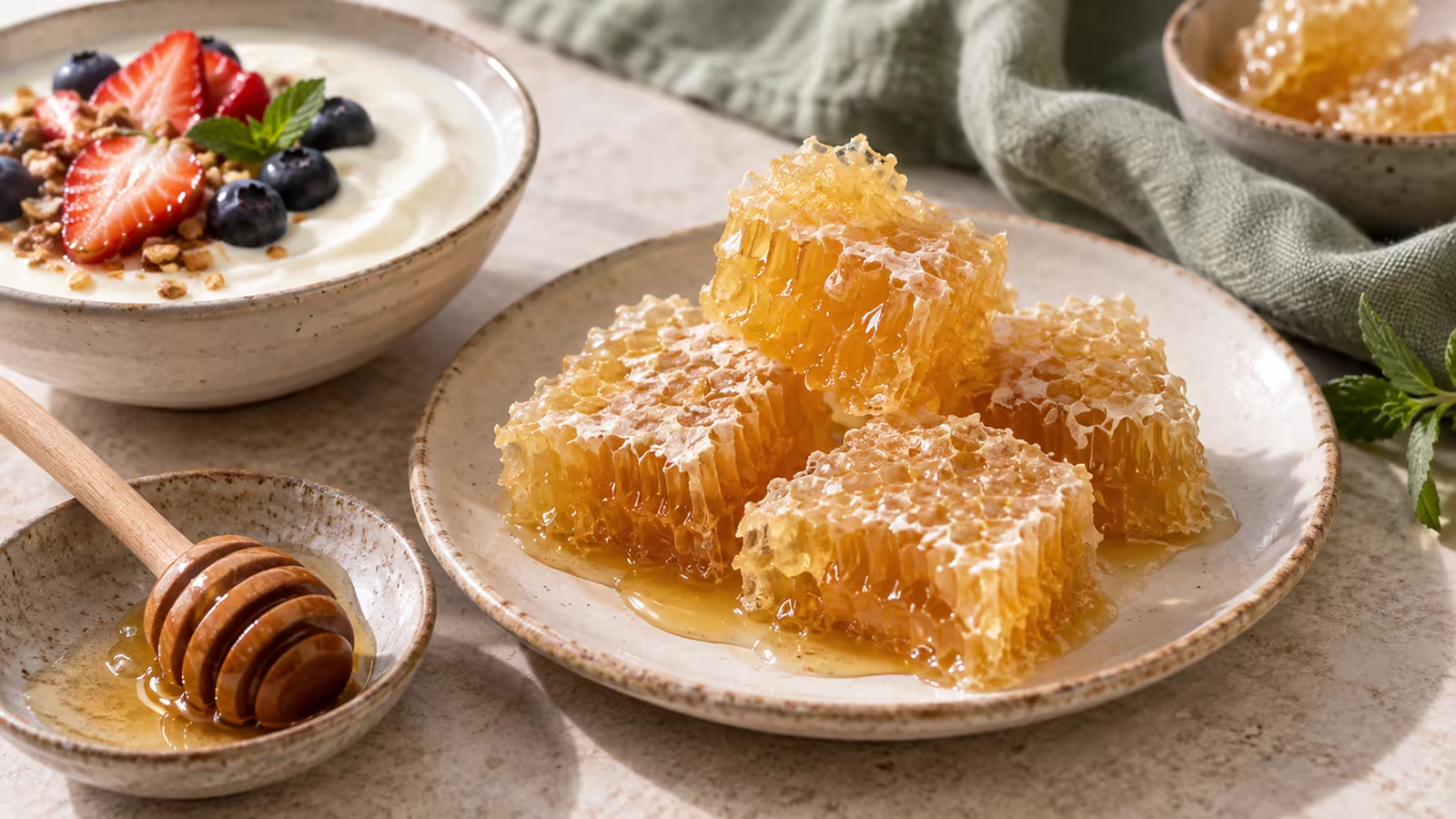
Worker bees secrete wax and shape it into the familiar hexagonal cells, then store nectar that has been transformed and concentrated into honey. Beekeepers may sell a cut section exactly as it comes from a food-grade frame, or package smaller chunks in jars of liquid honey. The pale caps across full cells are wax too. None of this requires you to melt or strain the comb before eating it.
Beeswax is generally swallowed in the small amounts that come with a normal serving of comb. It does not dissolve like sugar, so the bite becomes chewier as the honey leaves it. Swallow it if you enjoy the texture; discreetly set it aside if you do not. Very large amounts of wax are unnecessary and could be hard on digestion. A crisp, fresh-looking comb with a clean honey aroma is much more inviting than wax that smells fermented, chemical, smoky, or musty.
The color of the wax can range from nearly white to golden or brown as it picks up propolis, pollen, and repeated use in the hive. Darker does not automatically mean unsafe or more nutritious. What matters is that the comb was produced and handled for food, comes from a traceable seller, and shows no mold, pests, or suspicious residue.
Honeycomb nutrition without the miracle language
Most of the edible sweetness is honey, which is primarily carbohydrate and added sugar in practical nutrition terms. The comb can also contain tiny amounts of pollen, propolis, and other hive compounds, while the wax itself contributes little ordinary nourishment. Exact values vary with the hive and the ratio of honey to wax, which is why a generic online number for one “piece” is rarely useful.
Laboratory studies can identify antioxidants and plant compounds in honey, yet that does not establish honeycomb as a treatment for allergies, infection, digestion, heart disease, or any other condition. Raw does not mean sterile, and “natural” does not erase the effect of concentrated sugar. If you monitor carbohydrate or blood glucose, count the honey rather than assuming the wax cancels it.
- Think sweetener: use a modest piece where you would otherwise use honey, jam, or syrup.
- Keep claims modest: botanical compounds are interesting, but ordinary servings are not medicine.
- Notice the meal: yogurt, fruit, nuts, or whole-grain toast add protein, fiber, and staying power.
- Protect teeth: sticky honey can linger, so regular brushing and water still matter.
I find honeycomb most satisfying when it is a small bright note rather than the entire snack. The texture slows the bite, and pairing it with plain food lets its aroma do more work with less sweetness.
How to eat, serve, and store honeycomb
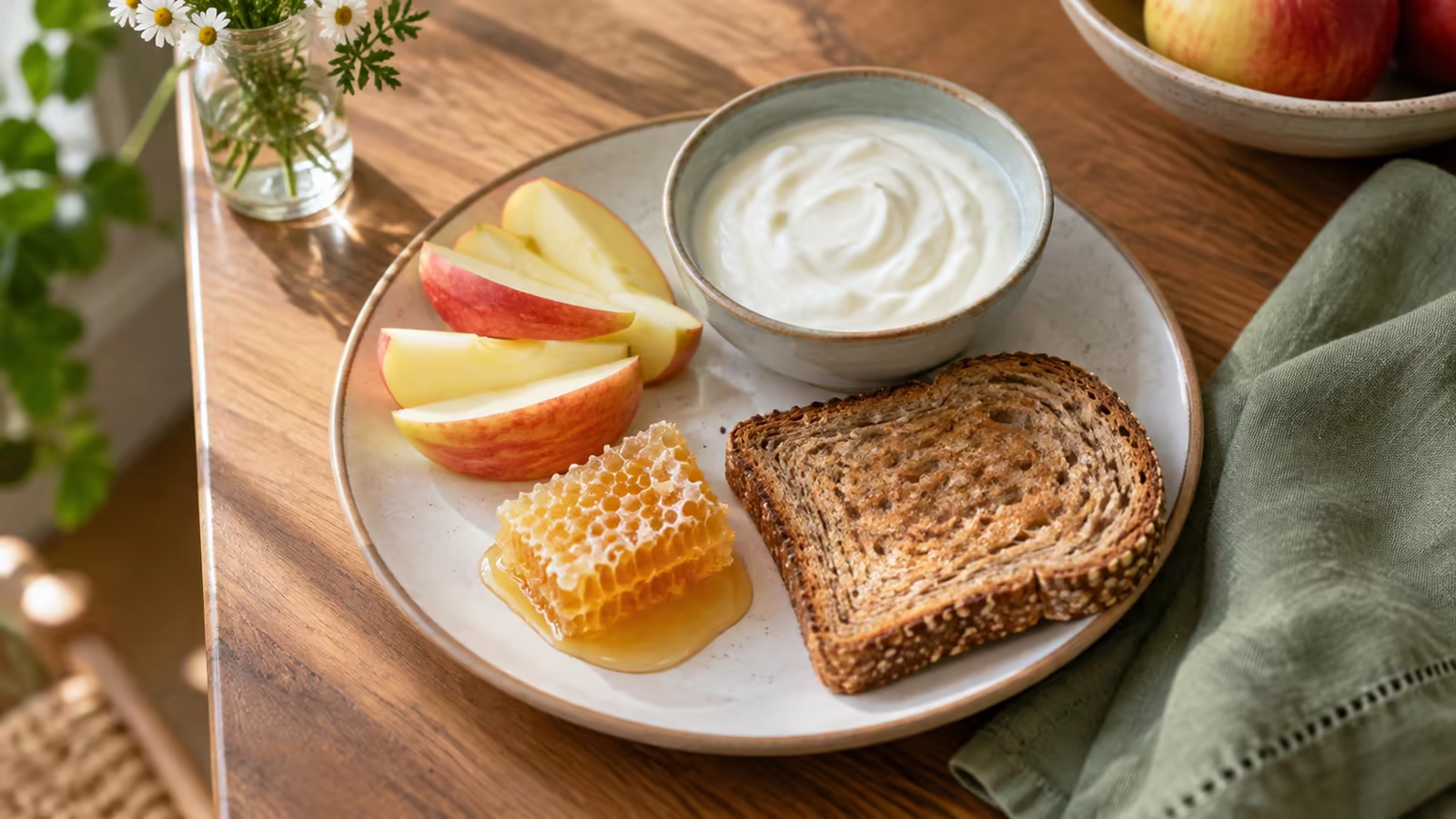
Cut the comb with a clean sharp knife and begin with a bite about the size of a sugar cube. Let it soften on warm toast, tuck it beside apple or pear slices, crumble it over plain yogurt, or add a sliver to a cheese board. Aged cheese, tahini, nuts, and tart fruit balance sweetness especially well. In hot tea the honey dissolves while the wax floats, which is safe but not always graceful.
- Breakfast: plain yogurt, berries, oats, and one small piece of comb.
- Toast: nut butter, thin apple slices, and honeycomb pressed onto warm bread.
- Savory plate: a little comb with cheese, cucumber, nuts, and whole-grain crackers.
- Dessert: a small shard over roasted fruit instead of a heavy sauce.
Store honeycomb tightly covered at cool room temperature away from sun and heat, unless the producer gives different directions. Honey naturally crystallizes; those pale crystals are a texture change, not spoilage. Refrigeration slows some quality changes but makes the honey firmer. A warm—not hot—water bath around a sealed container can soften crystallized honey, while a microwave can create hot spots and damage delicate wax.
Use a clean, dry utensil every time. If water, crumbs, or dairy enter the container, the low-moisture protection of honey becomes less reliable. Discard comb with visible mold, an alcoholic or sharply sour smell, active bubbling, or contamination from an unknown source.
The safety rules that matter most
Never give honey or honeycomb to a child younger than 12 months. CDC explains that honey can contain spores of the bacteria that cause infant botulism. Cooking, baking, pasteurizing, or choosing a local or organic product does not turn it into an infant-safe food. The rule applies to honey in foods as well as honey served by itself.
People with an allergy to bee products, pollen, or propolis should be cautious and seek individual medical guidance. Stop eating and get urgent help for breathing difficulty, throat tightness, facial swelling, faintness, or a rapidly spreading reaction. For most adults, the more ordinary concerns are portion, dental exposure, and buying from a producer who handles food responsibly.
Pregnant adults and children older than one can generally eat commercially handled honey, but anyone with a medical reason to limit sugar should fit it into that plan. “Raw” is a processing description, not a guarantee of purity or added benefit. Choose clean, traceable comb, enjoy a modest piece, and let the remarkable structure be the special part.
Sources
- Centers for Disease Control and Prevention: Botulism Prevention
- USDA FoodData Central
- U.S. Food and Drug Administration: Added Sugars on the Nutrition Facts Label

Hi, I’m Laura, the voice behind Tastiva. I’ve always believed that eating well should feel enjoyable, comforting, and realistic—not like another complicated rule to follow. I love creating recipes that fit into everyday life, sharing simple nutrition ideas, and finding small ways to make meals feel a little better without losing the pleasure of good food.