
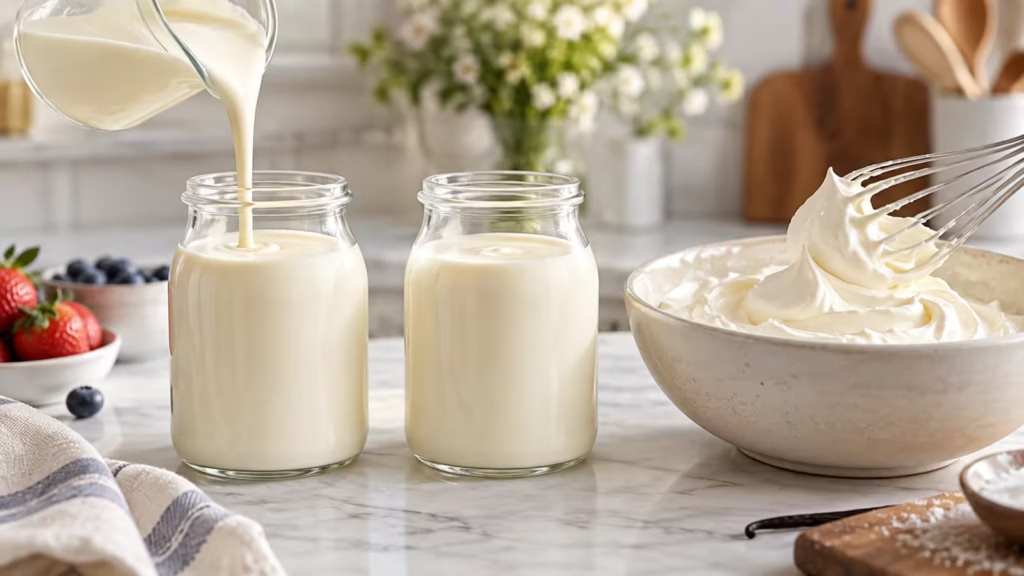
A recipe says heavy cream, the store has heavy whipping cream, and suddenly a simple sauce feels like a dairy exam. Here is the useful answer. In the United States, heavy cream and heavy whipping cream are alternate names for the same standardized product: cream containing at least 36 percent milkfat. You can swap them one for one in a recipe. The label that deserves closer attention is plain “whipping cream” or “light whipping cream,” which falls into a lower milkfat range and may whip or enrich a sauce a little differently. I promise the carton is less dramatic than the name makes it sound.
Heavy cream and heavy whipping cream are the same ingredient under U.S. standards; the meaningful comparison begins when the word “heavy” disappears.
Why the two names mean the same thing
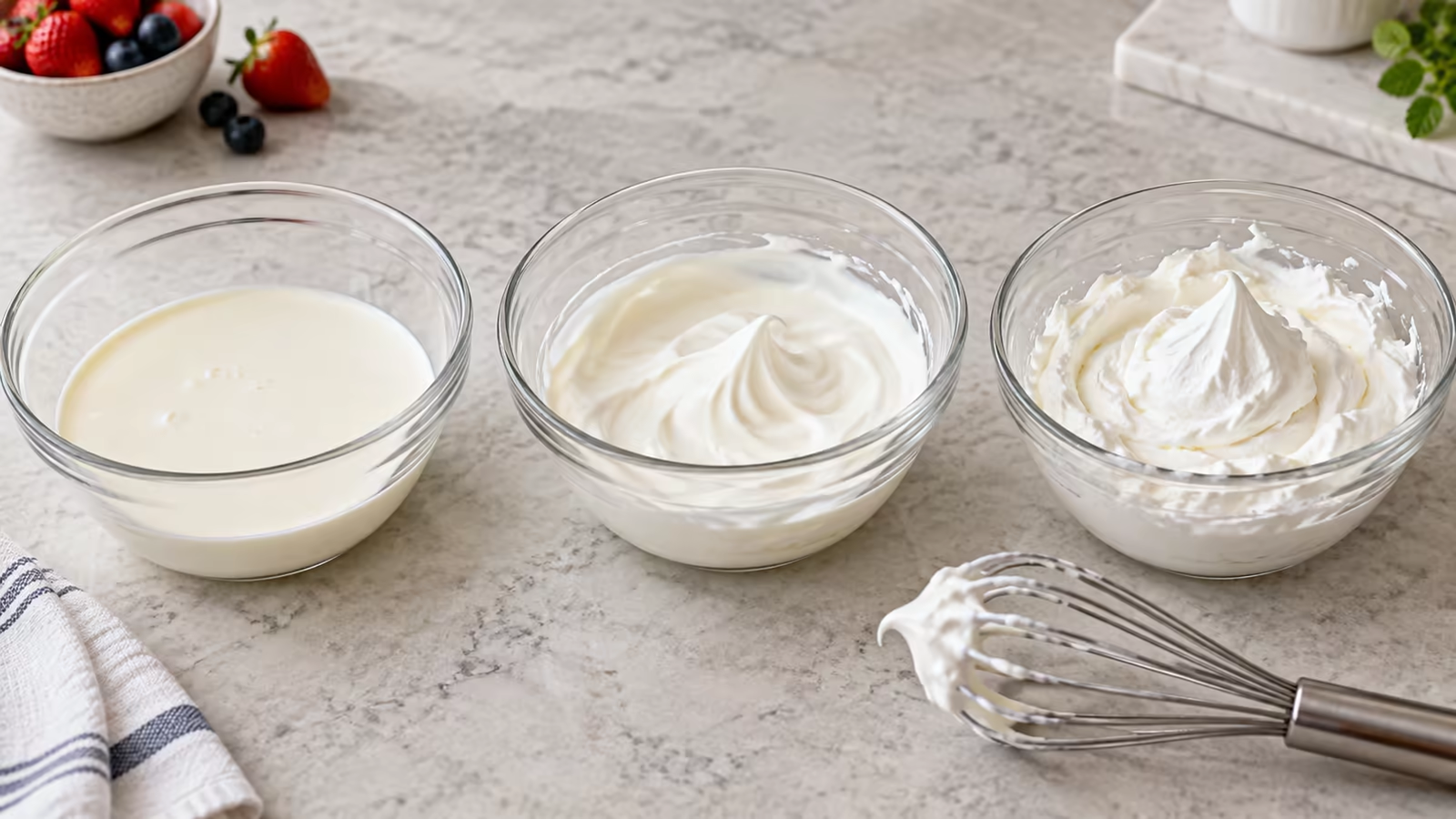
Federal regulation defines heavy cream as cream containing not less than 36 percent milkfat. The rule explicitly allows “heavy whipping cream” as an alternate name. Brands choose one phrase or the other for marketing and regional familiarity, but the legal milkfat floor is the same. A recipe written in the United States can use either without changing the quantity.
Whipping cream and light whipping cream are a separate standardized product containing at least 30 percent but less than 36 percent milkfat. That smaller difference matters most when cream must hold a firm whipped structure or make a very rich sauce. Half-and-half and light cream contain still less fat and are not direct substitutes for every job.
- Heavy cream: at least 36 percent milkfat.
- Heavy whipping cream: the same product under an alternate permitted name.
- Whipping or light whipping cream: at least 30 percent but under 36 percent milkfat.
- Half-and-half: a lighter milk-and-cream product that will not whip like heavy cream.
Formulas can still differ within the standard. Some cartons contain only cream; others include stabilizers such as carrageenan or gellan gum. Organic, ultrapasteurized, lactose-free, and local products may behave slightly differently. Read the ingredient list when those details matter, but do not let different front-label wording convince you that heavy cream and heavy whipping cream are different categories.
Whipping, sauces, and baking: where fat does the work
Milkfat surrounds and stabilizes air bubbles as cream is whipped. Heavy cream’s higher fat makes it easier to reach stable peaks and gives the foam a rich mouthfeel. Chill the cream, bowl, and whisk; begin at moderate speed; and stop at soft or firm peaks according to the recipe. Keep going and the fat clumps toward butter while liquid buttermilk separates.
In sauces and soups, fat adds body and reduces the chance that dairy proteins will curdle under heat or acid. Add cream gently and avoid a violent boil unless the recipe is designed for reduction. In baking, cream contributes both liquid and fat, so replacing it with milk can change tenderness, spread, and richness rather than simply making the result “lighter.”
For coffee, fruit, or a finishing drizzle, either heavy label behaves the same. Plain whipping cream may also work but can taste slightly less rich. If a recipe depends on stiff piping, a thick ganache, or a stable filling, choose the heavy product the writer specified.
Nutrition and substitutions without wishful thinking

Heavy cream is concentrated dairy fat, so it supplies substantial calories and saturated fat in a small volume, with modest amounts of vitamin A and other nutrients. It is not nutritionally interchangeable with milk or yogurt. That does not make a spoonful harmful; it means quantity and context matter. Measure when a recipe or health goal calls for precision, and let a small amount deliver the texture it is good at.
For a pan sauce or soup, half-and-half, evaporated milk, blended white beans, yogurt, or a plant-based cooking cream may work depending on heat and acidity. None is a universal one-for-one replacement. Yogurt can split, milk makes a thinner result, coconut brings its own saturated fat and flavor, and nut products introduce allergens. Our evaporated milk guide explains one useful shelf-stable option.
For whipping, substitutes are narrower. Coconut cream can whip when cold but tastes like coconut and varies by brand. Aquafaba makes a light foam but not a dairy-rich cream. Products marketed as non-dairy whipping cream have their own ingredients and allergen considerations. Match the substitute to the job, not just the color.
How to buy, store, and rescue the carton
Check the date, keep cream refrigerated, and return it promptly after pouring. Use a clean utensil and close the carton well so it does not absorb refrigerator odors. Fresh cream smells mild and tastes gently sweet; sour odor, curdling that does not smooth when stirred, mold, or a swollen leaking package means it should be discarded.
Ultrapasteurized cream lasts longer unopened than conventionally pasteurized cream, but the package date and storage conditions still rule. Freezing can separate cream and make it less attractive for whipping, though thawed cream may remain useful in cooked sauces. Shake a sealed carton only when the label permits; vigorous shaking starts the path toward butter.
If you have a small amount left, freeze measured portions for future soup or sauce, stir it into eggs, make a quick ganache, or turn it into whipped cream for fruit. The conclusion is happily simple: buy whichever carton says heavy cream or heavy whipping cream, compare price and ingredients, and get back to cooking.
Sources
- eCFR: 21 CFR § 131.150—Heavy Cream
- eCFR: 21 CFR § 131.157—Light Whipping Cream
- USDA FoodData Central

Hi, I’m Laura, the voice behind Tastiva. I’ve always believed that eating well should feel enjoyable, comforting, and realistic—not like another complicated rule to follow. I love creating recipes that fit into everyday life, sharing simple nutrition ideas, and finding small ways to make meals feel a little better without losing the pleasure of good food.