
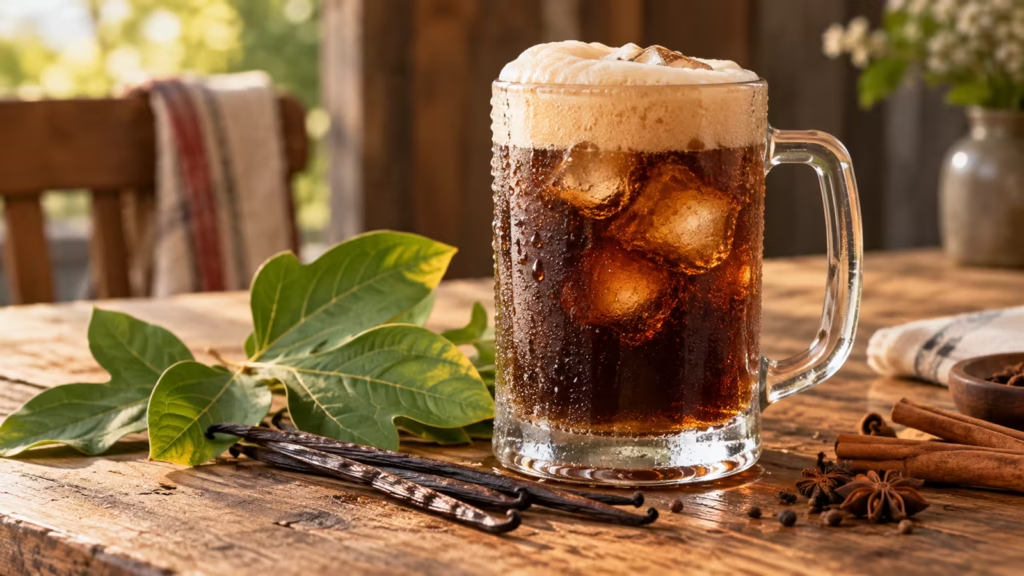
Root beer looks as dark as cola and arrives from the same soda fountain, so the caffeine question is completely reasonable. Most root beer sold in the United States is caffeine-free, but not every root beer is. Color, sweetness, “craft” styling, and the word root cannot answer for a specific bottle. The dependable method is to check the ingredient list, any caffeine statement, and the manufacturer’s current product information. A&W, for example, describes its restaurant root beer as caffeine-free, while other brands and specialty formulas may make a different choice. I would rather spend ten seconds checking than let a bedtime float become a small science experiment.
Root beer is usually caffeine-free, not universally caffeine-free. The label gets the final word.
Why most root beer has no caffeine
Traditional root beer flavor comes from a blend of botanical, spice, vanilla, wintergreen, caramel, and other flavor notes—not from kola nut or coffee. Modern commercial formulas vary and do not necessarily contain historical roots at all. Caffeine is therefore not inherent to the flavor category in the way people associate it with coffee, tea, or many colas.
Manufacturers can still add caffeine. FDA says added caffeine must appear in the ingredient list of conventional foods, although the exact milligram amount is not always required on the label. Some brands voluntarily print “caffeine free” prominently. If caffeine is a medical, sleep, pregnancy, or child-feeding concern, look for an affirmative current statement rather than assuming absence.
Fountain drinks add another layer because the cup may not display an ingredient panel and restaurant formulas can differ from retail packages. Ask the restaurant, check its nutrition page, or choose a product clearly identified as caffeine-free. “Root beer flavor” in candy, protein powder, or a supplement does not establish the caffeine content either.
How to check a bottle, can, or fountain drink
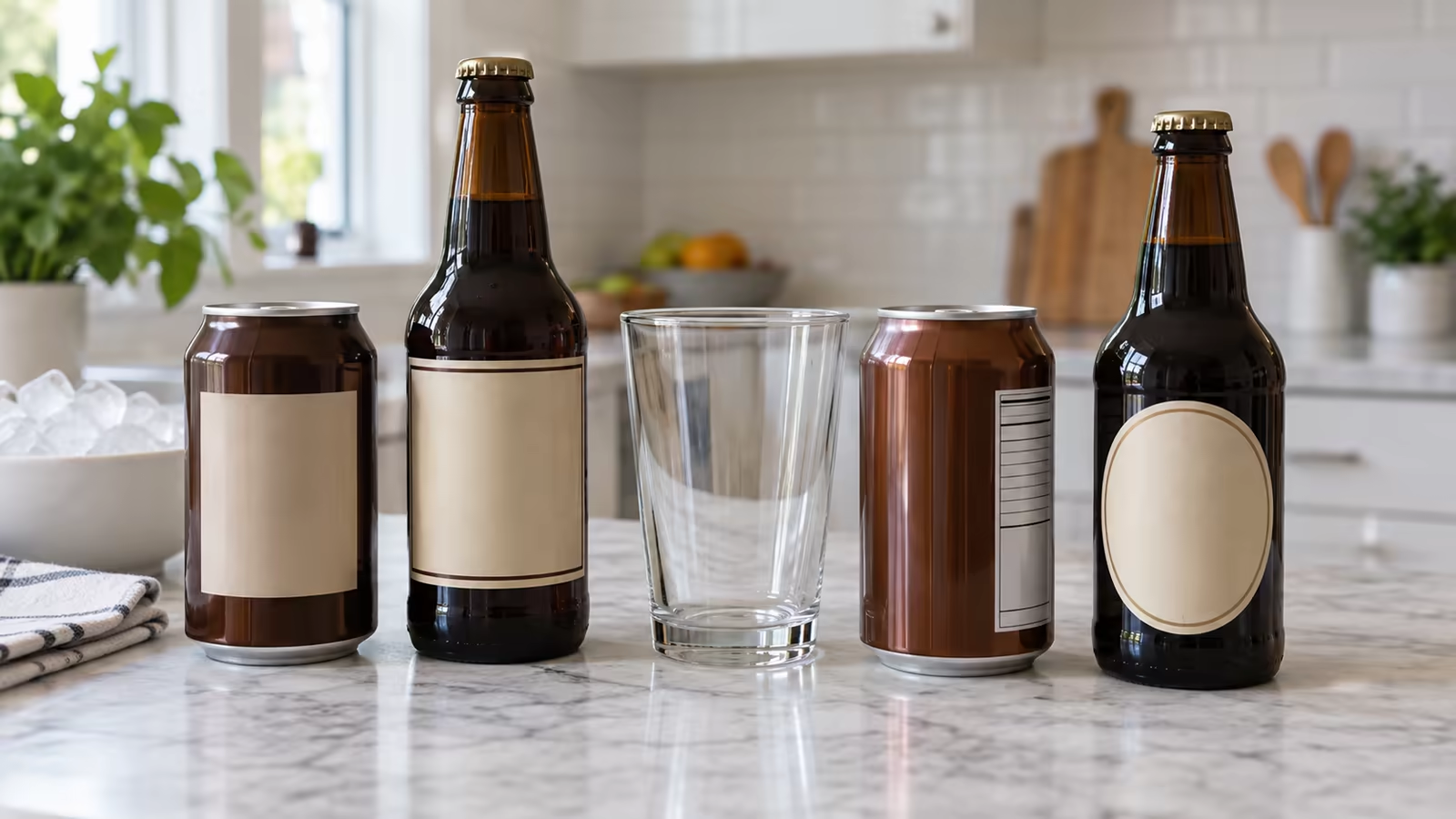
On a package, scan the ingredient list for the word caffeine. Then look near the Nutrition Facts panel and front label for “caffeine free” or a stated amount. Do not confuse a nutrition claim with a product name: words such as natural, botanical, old-fashioned, or handcrafted say nothing definite about caffeine.
- Packaged drink: read the current ingredient list every time a formula or size changes.
- Restaurant fountain: use the chain’s official nutrition or allergen information or ask staff.
- Craft bottle: check the producer’s own page; small-batch style is not a caffeine guarantee.
- Diet or zero-sugar root beer: sweetener choice and caffeine are separate questions.
- Energy product: “root beer” may describe flavor only; inspect caffeine and stimulant disclosures carefully.
A general online list can become outdated, and products may differ by country. If the label is missing or unclear, contact the manufacturer or pick a clearly marked alternative. For children and caffeine-sensitive adults, uncertainty is a perfectly good reason to choose water, milk, or a known caffeine-free beverage instead.
Remember that decaffeinated and caffeine-free are not always conceptually identical. For root beer, brands typically formulate without caffeine rather than removing it, but the only fact that matters is the specific finished drink in your hand.
How root beer compares with cola, coffee, and tea
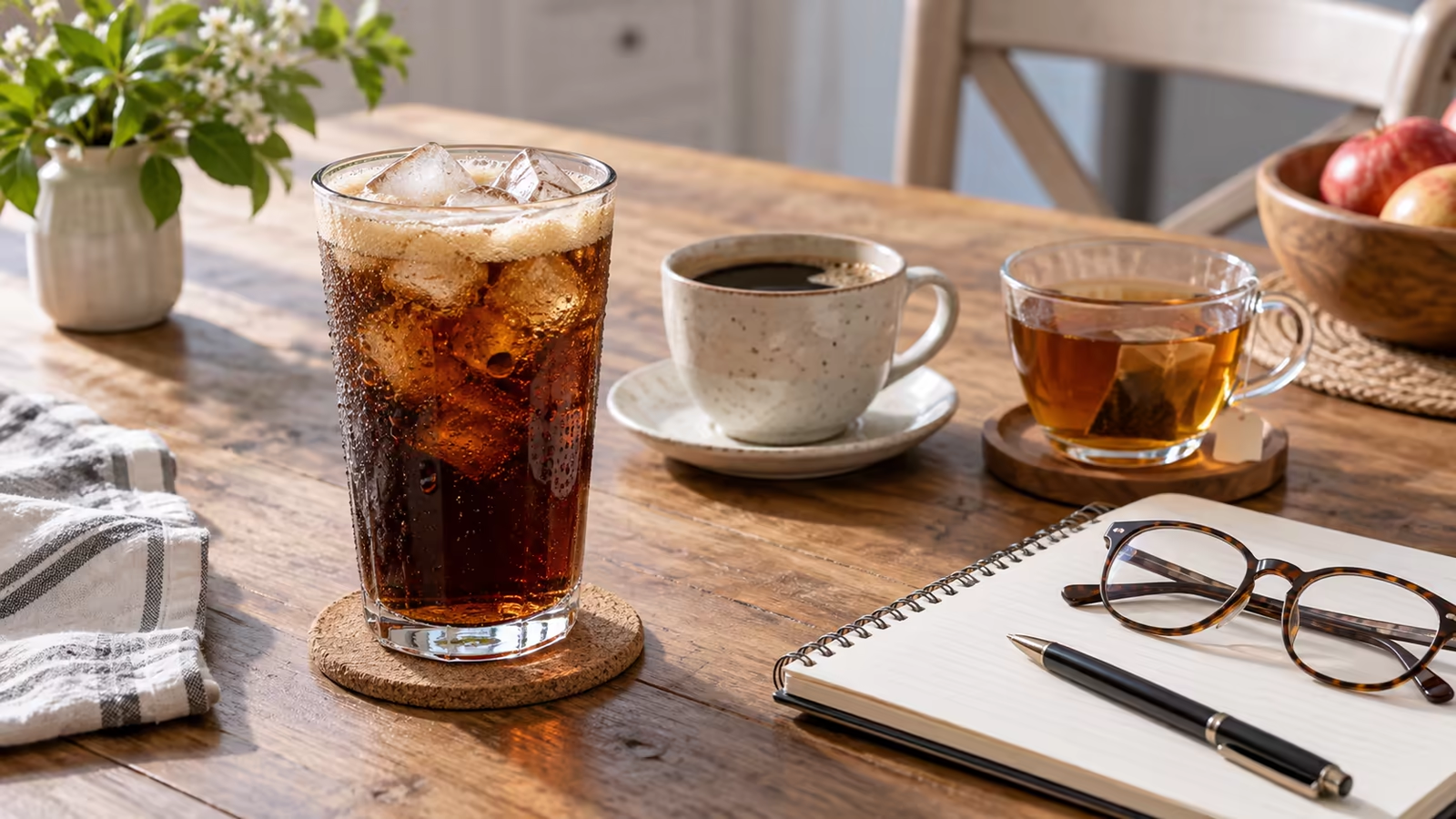
FDA reports that caffeinated soft drinks can vary widely, and coffee and tea vary even more with bean or leaf, brewing method, size, and preparation. A caffeine-free root beer has none, while a caffeinated root beer belongs in your daily total just like cola. Our guides to caffeine in Coke Zero, caffeine in matcha, and coffee and health give those drinks their own context.
For most healthy adults, FDA cites 400 milligrams of caffeine per day as an amount not generally associated with negative effects, but sensitivity varies. Pregnancy, certain medications, anxiety, sleep problems, heart rhythm concerns, and childhood can call for lower limits or individualized advice. Caffeine can remain active for hours, so a modest amount late in the day may matter more than a larger morning amount for some people.
If you are troubleshooting sleep, count all sources: coffee, tea, cola, energy drinks, chocolate, pre-workout products, medicines, and any caffeinated root beer. “I only had one soda” is less useful than the drink size, caffeine amount, and time.
Caffeine-free does not mean nutrition-free—or healthy
Regular root beer is usually a sugar-sweetened soft drink. Removing caffeine does not remove added sugar, calories, or dental exposure. Diet versions reduce or eliminate sugar but use alternative sweeteners and do not become a substitute for water. A root beer float adds ice cream, which may be exactly the treat you want; it simply belongs in the dessert category rather than the hydration category.
Check serving size and added sugars on the Nutrition Facts panel, especially for large bottles that contain more than one labeled serving. Sip with a meal rather than continuously across the day to reduce repeated sugar and acid exposure to teeth, and follow with water. Children younger than two should avoid foods and drinks with added sugars under U.S. dietary guidance.
The clean answer is therefore two-part: root beer is usually caffeine-free, but verify the product; and caffeine-free is only one feature of a sweet drink. Choose it because you enjoy the creamy spice and fizz, know what the label says, and let water handle everyday thirst. A checked label beats a remembered brand list every time.
Sources
- U.S. Food and Drug Administration: Spilling the Beans—How Much Caffeine Is Too Much?
- A&W Restaurants: Made Fresh Root Beer
- Dietary Guidelines for Americans

Hi, I’m Laura, the voice behind Tastiva. I’ve always believed that eating well should feel enjoyable, comforting, and realistic—not like another complicated rule to follow. I love creating recipes that fit into everyday life, sharing simple nutrition ideas, and finding small ways to make meals feel a little better without losing the pleasure of good food.