
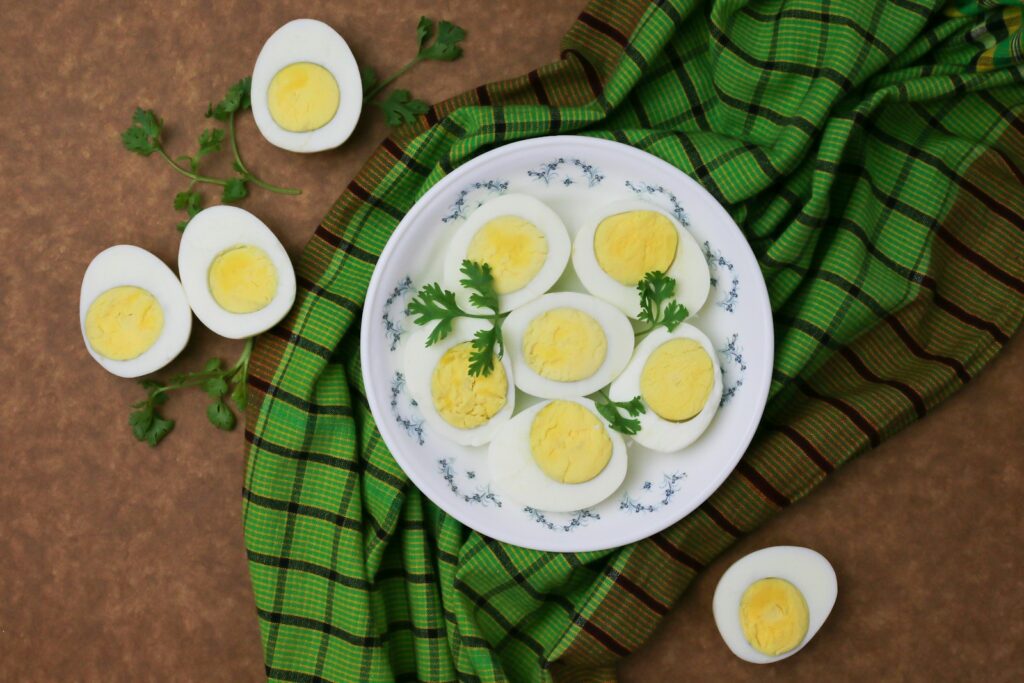
A container of boiled eggs makes breakfast feel wonderfully sorted, until you can't remember which day you cooked them. Hard-boiled eggs keep for up to one week in the refrigerator, whether peeled or still in their shells, when they're handled safely and kept at 40°F (4°C) or below. Count from the cooking day, not the day you peel them or open the container.
Put the cooking date on the container while it's still easy to remember.
How long are hard-boiled eggs good for in the fridge?
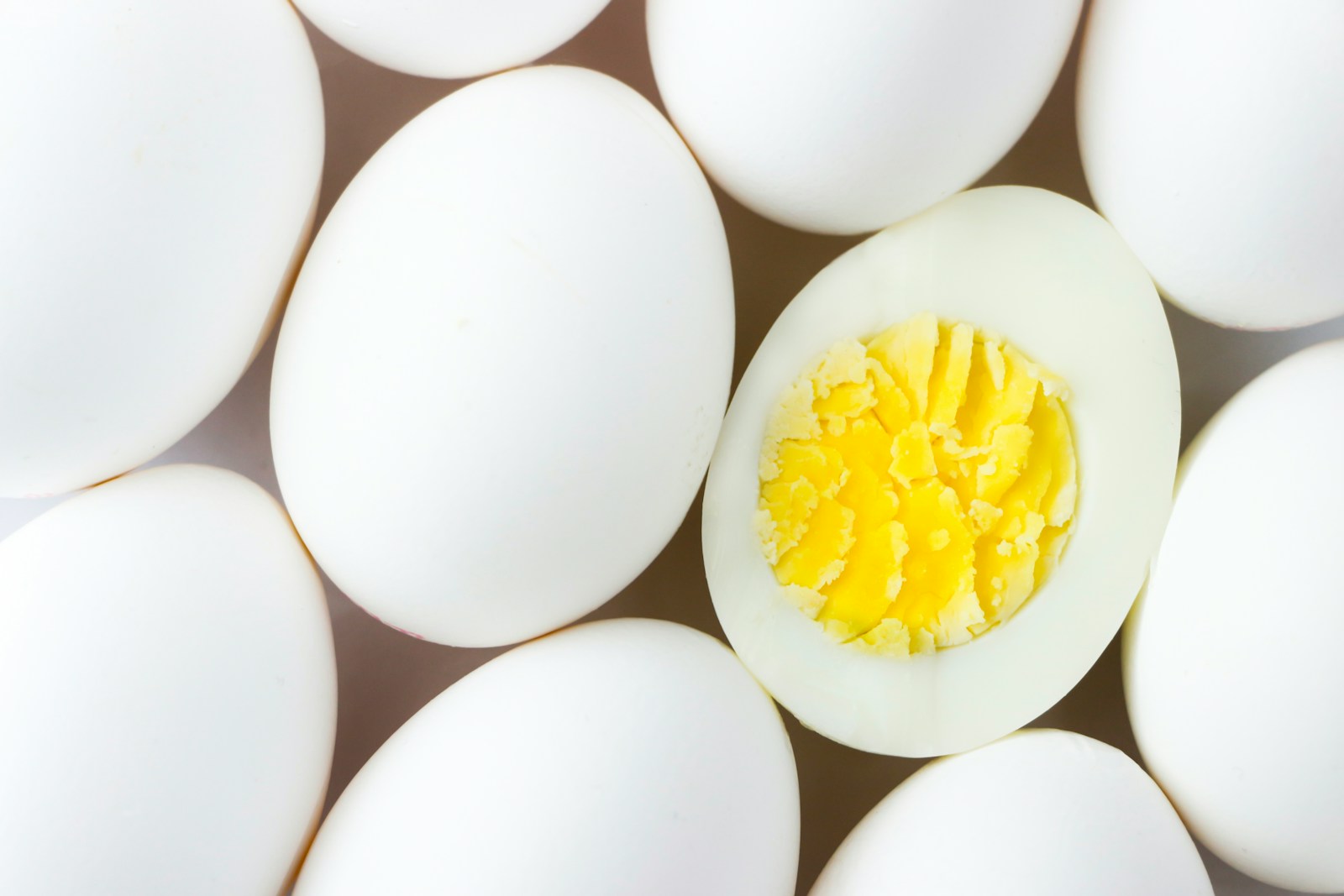
The FDA's egg-safety guidance gives hard-cooked eggs a one-week refrigerated storage window. Leaving the shell on doesn't extend that deadline. Peeling them later doesn't restart it, either.
That limit assumes safe handling throughout. An egg that spent too long on a warm countertop doesn't become safe again because it has several days left on the calendar. Refrigeration slows bacterial growth; it doesn't undo earlier temperature abuse.
| Food or situation | Practical limit | Important detail |
|---|---|---|
| Hard-boiled eggs, peeled or unpeeled | Up to 1 week refrigerated | Count from cooking day |
| Egg salad | 3–4 days refrigerated | Mixing a new dish doesn't create a new week for older eggs |
| Eggs sitting at room temperature | No more than 2 hours | Include serving and transport time |
| Eggs outside above 90°F (32°C) | No more than 1 hour | Relevant to hot picnics and cars |
I like a plain label more than an ambitious meal-prep system: “Cooked Monday” is useful information. If several people share the fridge, include the date rather than relying on everyone to remember which Monday. Keep batches separate when they're cooked on different days.
Cool, cover, and keep them genuinely cold
Refrigerate hard-boiled eggs within two hours of cooking; use the shorter one-hour limit in temperatures above 90°F (32°C). Don't leave them on the counter until bedtime or wait for a large batch to sit out for hours. A refrigerator thermometer helps confirm the appliance is actually at 40°F (4°C) or below.
Use a clean, covered container and clean hands or utensils when handling the eggs. For peeled eggs, a container also protects the surface from drying and contact with other foods. Follow safe cooling practices, then store the eggs where the refrigerator maintains a consistently cold temperature rather than treating a chilly-feeling room as equivalent.
- Label the cooking date before putting the batch away.
- Keep peeled and unpeeled eggs covered and separate from raw meat juices.
- Take out only what you plan to serve instead of repeatedly warming the whole batch.
- Use an insulated lunch bag or cooler with enough ice packs when a refrigerator isn't available.
- Discard eggs if their time out of refrigeration exceeded the limit or cannot be established safely.
For a packed lunch, “I'll eat it later” needs a cold-storage plan. Put the container in the refrigerator when you arrive if one is available. Otherwise, keep the lunch adequately chilled until eating time; a closed bag without an ice pack isn't refrigeration.
Why smell and appearance can't extend the deadline
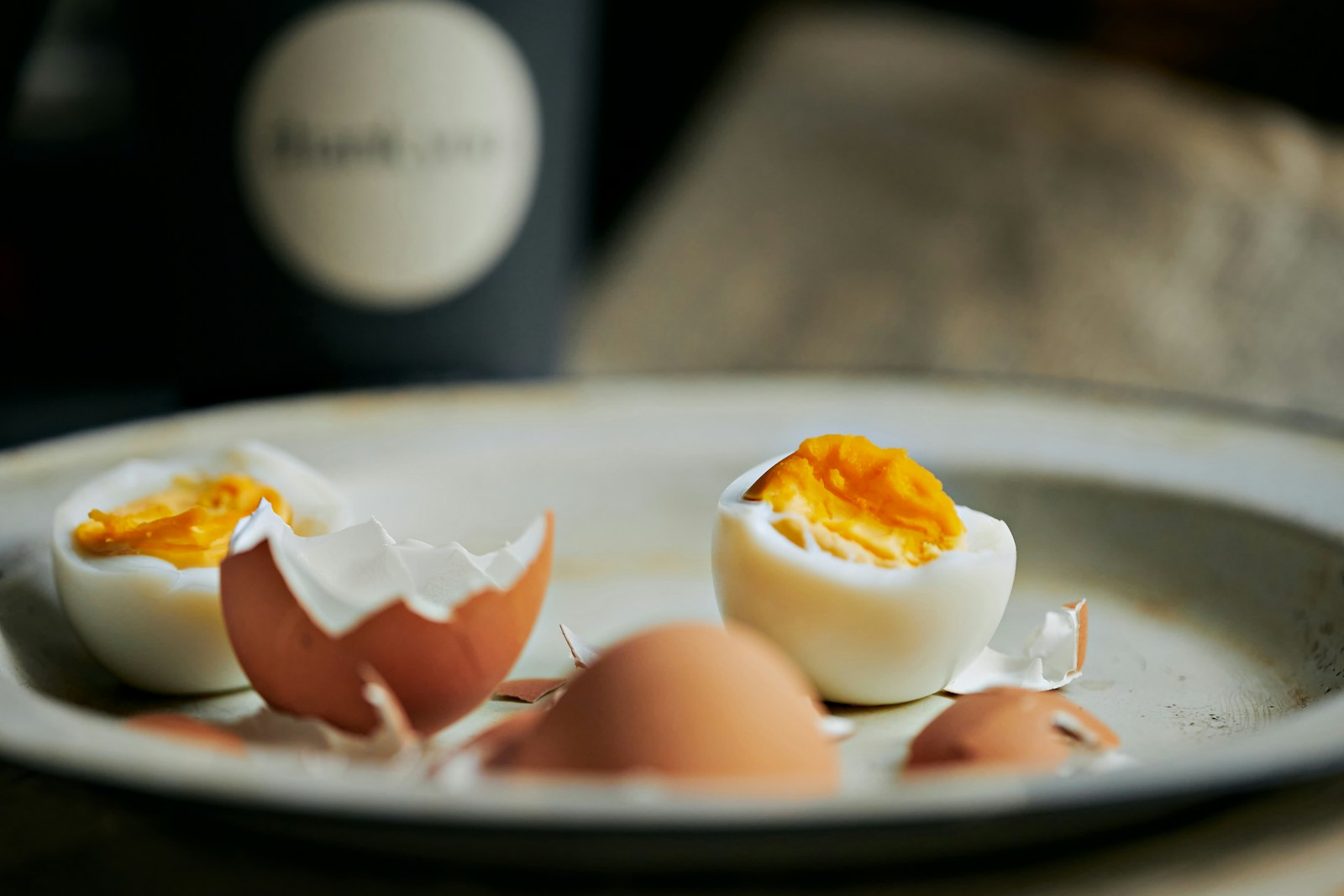
An unpleasant smell, unusual surface, or visible mold is a reason to discard an egg. But the opposite isn't proof of safety: harmful bacteria don't always announce themselves with a dramatic odor or an obvious color change. Don't taste a questionable egg as a test.
The same reasoning applies to a forgotten batch with no date. If nobody can establish when it was cooked or whether it stayed cold, the sensible decision is to discard it. I know that's frustrating when the eggs look perfectly ordinary, but a visual inspection can't reconstruct their storage history.
Tastiva's guide to telling whether eggs are bad covers the broader freshness question. For this cooked batch, the key checks are simpler: cooking date, refrigerator temperature, and time spent out. A test used to estimate the age of a raw egg doesn't override the hard-boiled storage limit.
Plan a batch you can comfortably finish
Before boiling a dozen eggs, think about actual meals rather than an ideal version of the week. A few eggs for toast, a couple for salads, and one or two for packed lunches may be all you need. Smaller batches can make the date easier to manage and reduce forgotten leftovers.
Use older safely stored eggs first, and keep the original cooking date in mind if you chop them into another dish. FoodSafety.gov lists egg salads at three to four refrigerated days and says hard-cooked eggs do not freeze well. Freezing isn't a good-quality rescue plan for a batch approaching its deadline.
- Add a sliced egg to toast with tomato and black pepper.
- Chop one into a lunch salad that you can keep cold.
- Make only the amount of egg salad you're likely to finish promptly.
- Keep decorative eggs separate from food if their handling or refrigeration hasn't stayed food-safe.
The easiest habit to carry forward is also the least glamorous: mark the date, maintain the cold chain, and make a manageable quantity. Then those ready-to-eat eggs can do the helpful job you cooked them for, without a daily guessing game at the refrigerator door.
Sources

Hi, I’m Laura, the voice behind Tastiva. I’ve always believed that eating well should feel enjoyable, comforting, and realistic—not like another complicated rule to follow. I love creating recipes that fit into everyday life, sharing simple nutrition ideas, and finding small ways to make meals feel a little better without losing the pleasure of good food.