
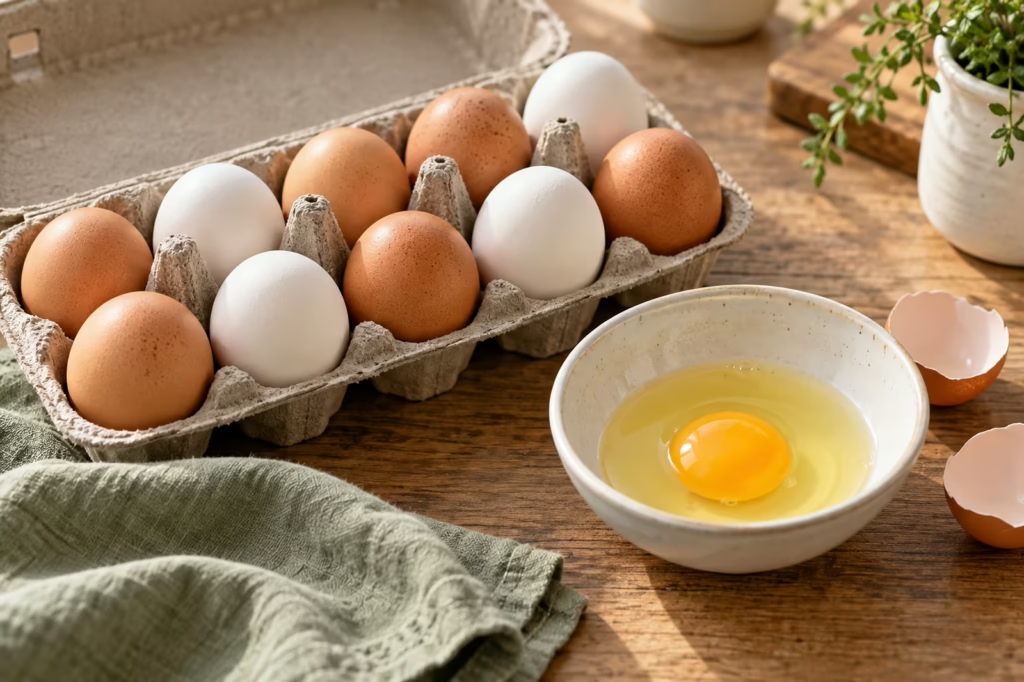
The clearest sign that an egg has spoiled is an unmistakably unpleasant odor after you crack it. Shell condition, refrigerator time, and unusual appearance add useful context. The popular float test can suggest that an egg is older, but it cannot tell you whether disease-causing bacteria are present—so it should never overrule safe storage and handling.
A bowl of water cannot certify an egg as safe. Use the carton, the refrigerator, your senses after cracking, and good cooking habits together.
Check the shell, then crack each egg separately
Before cracking, look for a clean, intact shell. Discard eggs that are leaking or have badly cracked shells, and be cautious with shells that feel slimy or show powdery or mold-like patches. A harmless patch of dirt and signs of spoilage are not the same, but washing eggs at home can pull bacteria through the porous shell and is not a repair for poor condition.
Crack each egg into a small clean bowl before adding it to batter, a skillet, or the rest of the carton’s eggs. A spoiled egg usually announces itself with a sulfurous, putrid odor right away. If the smell is wrong, discard the egg and clean the bowl and any surface it touched. Do not taste it to confirm.
The white becomes thinner and the yolk flatter as an egg ages; that change may affect poaching or frying quality without proving the egg is unsafe. A small blood spot is generally a natural occurrence, not a baby chick or a spoilage signal. Pink, green, iridescent, black, or otherwise distinctly abnormal discoloration is a reason to discard the egg rather than improvise a diagnosis.

Use refrigerator time—not just the carton date
At home, keep shell eggs refrigerated at 40°F (4°C) or below. FoodSafety.gov lists raw eggs in the shell for 3 to 5 weeks in the refrigerator, hard-cooked eggs for 1 week, and baked egg casseroles for 3 to 4 days. Those windows assume prompt, continuous refrigeration; several warm hours in a car or on a counter change the decision.
A sell-by or expiration-style date helps stores and households manage quality, but it is not a magical moment when every egg turns bad. Note when you bought the carton, follow local label directions, and use the shorter limit when storage history is uncertain. During a recall, the brand, plant code, and carton details matter more than smell or date because contaminated eggs can look normal.
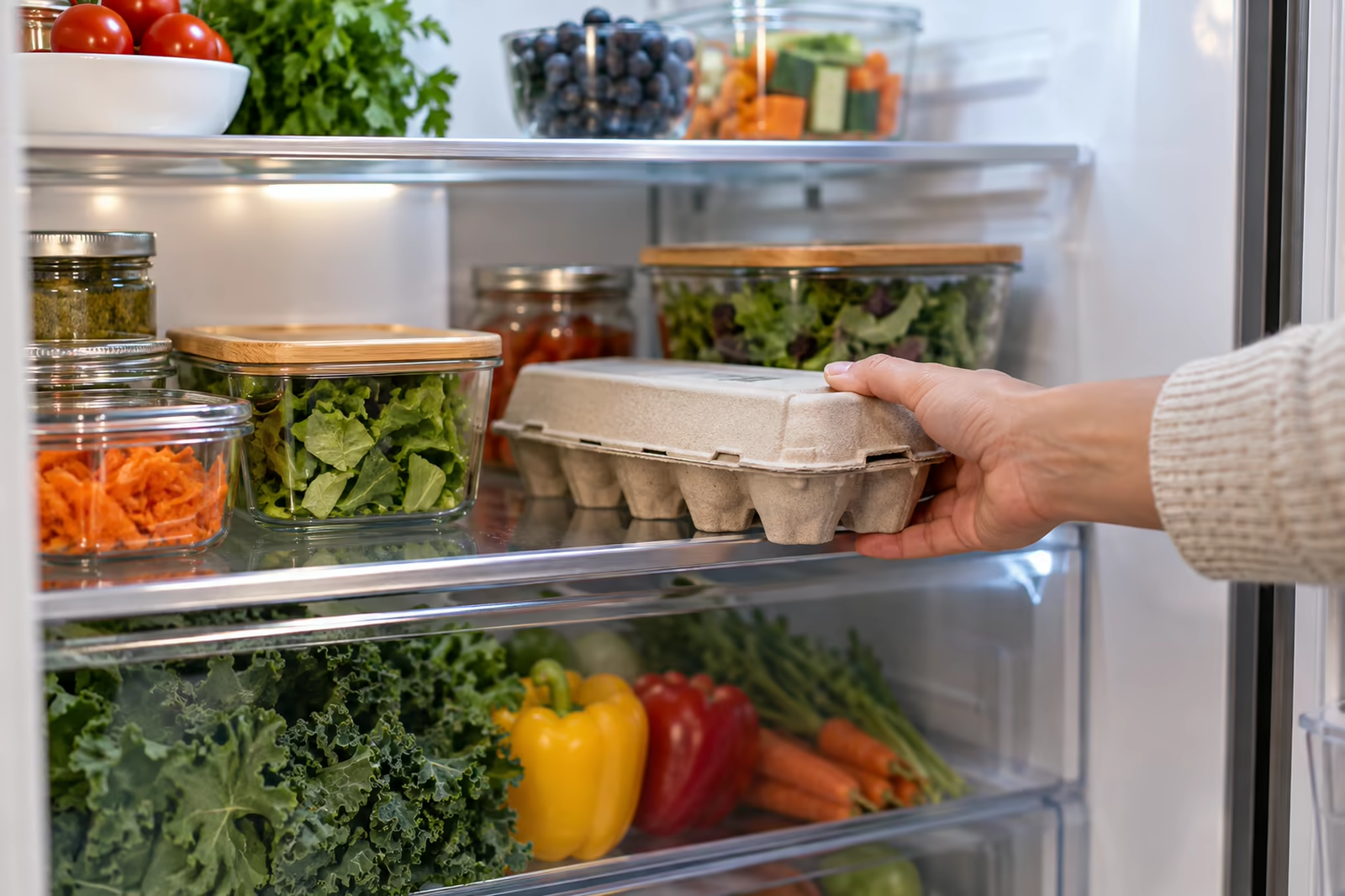
Store eggs in their original carton on an interior shelf, not in the refrigerator door. The carton limits odor absorption and moisture loss, while the interior shelf stays at a steadier temperature. Return the carton promptly after taking out what you need. For breakfast ideas that use eggs safely and flexibly, see our easy breakfasts for kids.
What the egg float test really tells you
An egg floats because its air cell grows as moisture and carbon dioxide move through the shell over time. A very fresh egg usually lies flat at the bottom of a bowl of water; an older egg may stand upright or float. That makes the test a rough clue about age and internal air—not a test for Salmonella or other pathogens.
An older floating egg may still be usable if it has been continuously refrigerated and shows no spoilage after cracking. A sinking egg can still carry bacteria even though it looks and smells normal. This is why I would never serve a raw sinking egg with the confidence that the water “proved” it safe.
If you are deciding whether to use an older egg, combine the purchase date, storage history, shell condition, and separate-bowl check. When any part of the story is uncertain—especially for a pregnant person, young child, older adult, or someone with a weakened immune system—the modest cost of one egg is not worth the gamble.
Cook and handle eggs with safety in mind
Wash hands, utensils, bowls, and counters with hot soapy water after contact with raw egg. Do not let raw egg touch fruit, bread, salad, or other ready-to-eat food. Cook eggs until the white and yolk are firm, and cook egg dishes to 160°F (71°C). If a recipe will be served raw or lightly cooked, use pasteurized eggs or pasteurized egg products.
- Discard: leaking or badly cracked eggs, off odors, mold-like shell growth, or distinctly abnormal contents.
- Remember: a normal smell cannot rule out pathogens, so safe refrigeration and cooking still matter.
- Refrigerate: cooked egg dishes within two hours—or within one hour when the temperature is above 90°F (32°C).
- Protect higher-risk eaters: choose pasteurized products and fully cooked eggs unless their clinician advises otherwise.
Eggs are affordable, versatile protein, and most decisions do not need to feel anxious. Our guide to how much protein is in an egg covers what they contribute. For freshness, keep the method just as grounded: store them cold, crack them separately, trust a bad smell, distrust a water test as a safety certificate, and cook for the person who will eat them.
Sources
- FoodSafety.gov: Cold Food Storage Chart
- FoodSafety.gov: Safe Minimum Internal Temperatures
- U.S. Food and Drug Administration: What You Need to Know About Egg Safety
- USDA Food Safety and Inspection Service: Shell Eggs From Farm to Table

Hi, I’m Laura, the voice behind Tastiva. I’ve always believed that eating well should feel enjoyable, comforting, and realistic—not like another complicated rule to follow. I love creating recipes that fit into everyday life, sharing simple nutrition ideas, and finding small ways to make meals feel a little better without losing the pleasure of good food.