
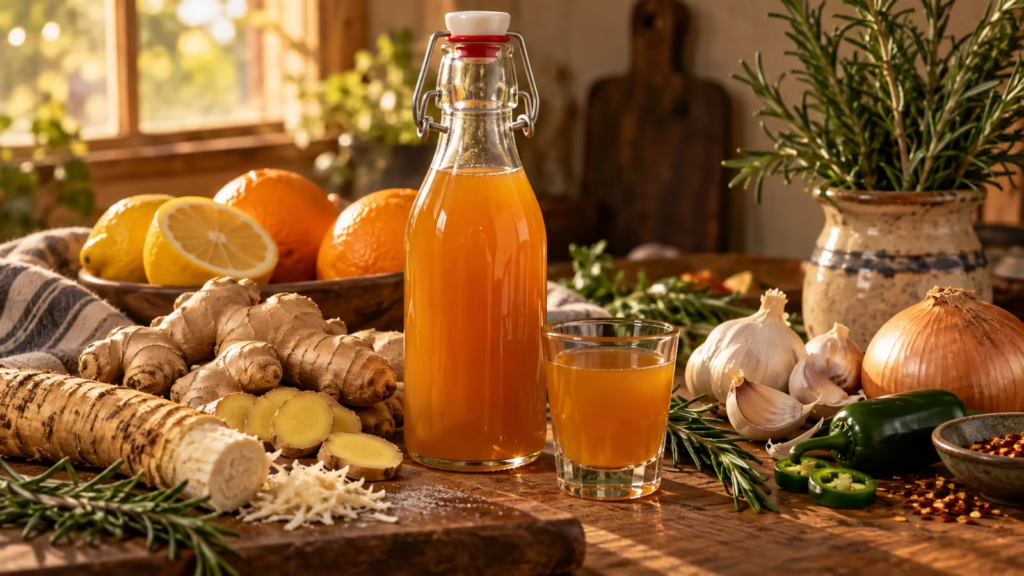
Fire cider is a bracing apple-cider-vinegar infusion filled with ginger, horseradish, citrus, garlic, onion, and chile. One spoonful tastes bright, earthy, and hot all at once. I like it because the method is simple, the flavor is easy to personalize, and the finished bottle wakes up far more than a morning routine.
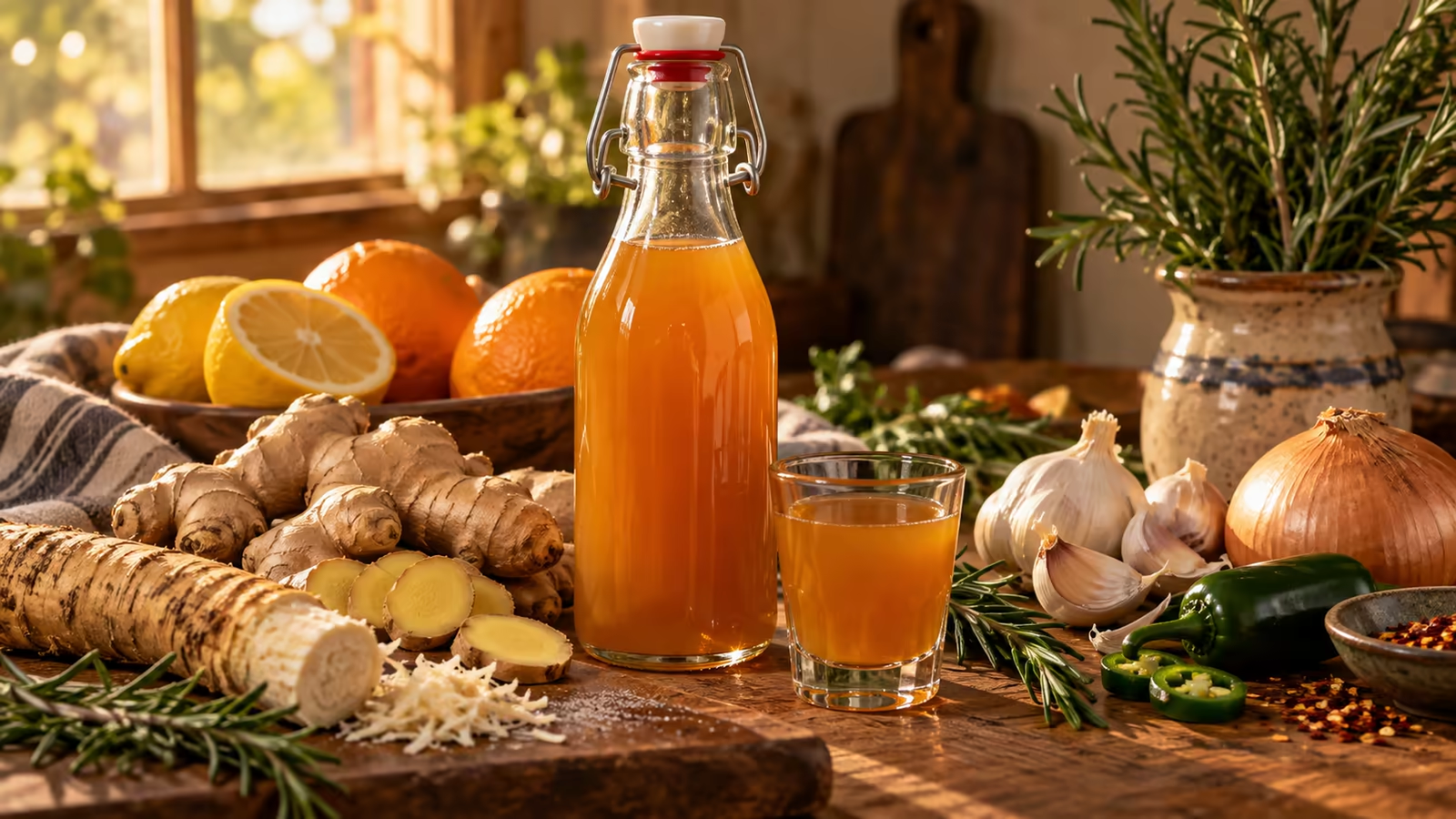
Think of fire cider as a bold kitchen condiment—not a cure-all—and build it for flavor first.
This version infuses in the refrigerator from start to finish. That colder method takes patience, but it keeps the handling straightforward and makes the safety message clear: this is not a shelf-stable home-canning recipe. Use clean tools, 5% acidity vinegar, fully submerged ingredients, and refrigerated storage.
What fire cider is—and what it is not
Fire cider is a modern folk preparation popularized in American herbal traditions. Recipes vary widely, but most combine pungent roots and aromatics with apple cider vinegar, then add honey after straining. The flavor sits somewhere between a spicy shrub, a sharp tonic, and a concentrated vinaigrette.
You may see sweeping wellness claims attached to it. Ginger has been studied for several uses, especially nausea, but that does not make a homemade infusion a treatment for infection or a substitute for medical care. Enjoy fire cider as food. If vinegar, spicy foods, or concentrated ginger aggravate reflux or interact with your medications, ask a qualified clinician before making it a habit.
For a closer look at how another kitchen vinegar behaves, Tastiva’s guide to red wine vinegar explains acidity, flavor, and everyday uses. Here, apple cider vinegar is chosen for its fruitier edge and ability to meet the strong roots without tasting flat.
Layer the flavor in the jar
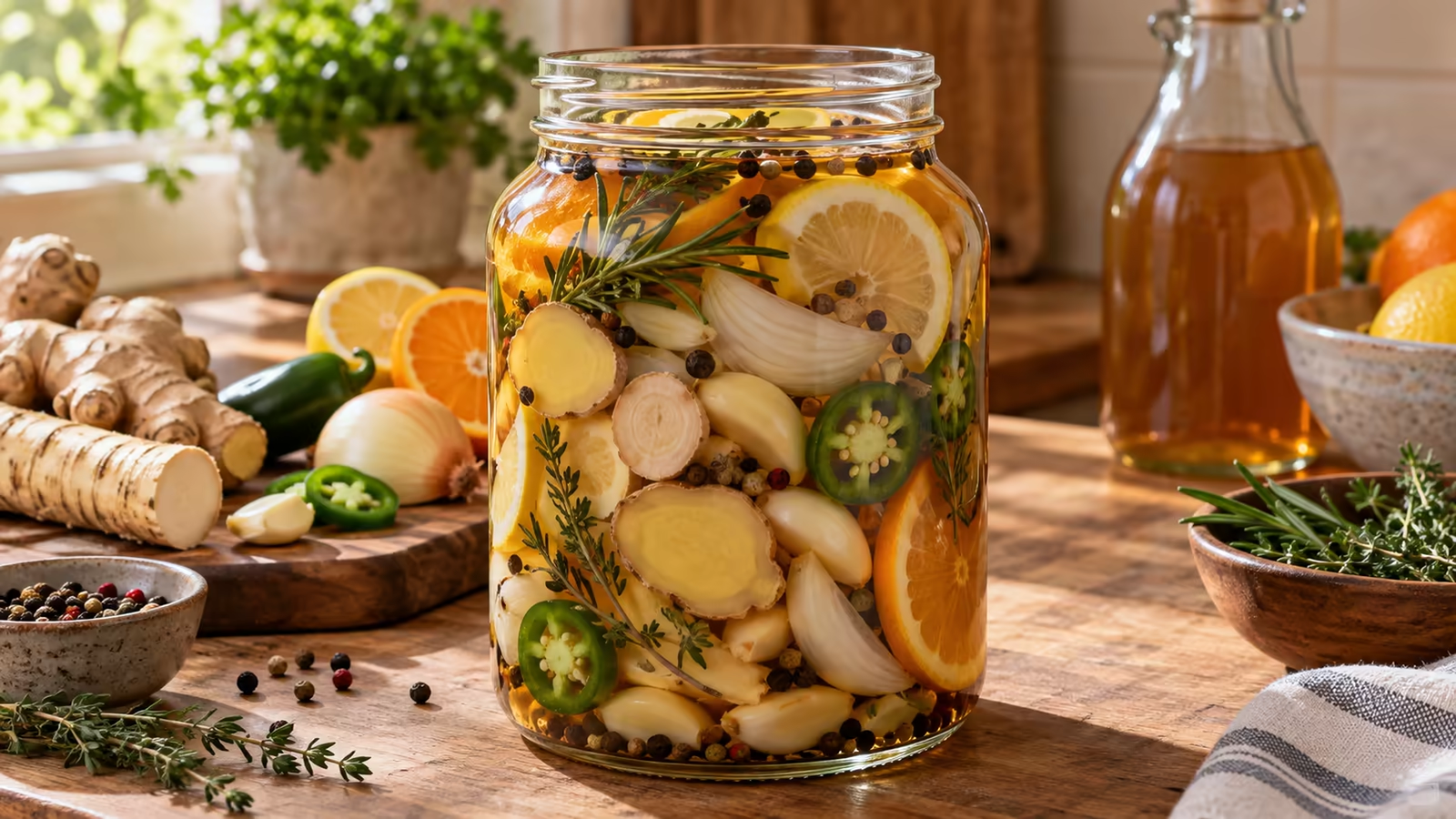
Fresh ginger brings warm citrusy heat; horseradish adds a faster, nose-clearing sharpness. Onion and garlic give savory depth, while lemon and orange soften the edges with aroma. Jalapeño controls the lasting heat, so remove its seeds for a gentler batch or add a second pepper if you genuinely enjoy fire.
Slice the ingredients rather than finely grating them. More surface area speeds extraction, but tiny particles make the finished liquid cloudy and difficult to strain. Pack the jar loosely so vinegar can travel around every piece. A clean weight can help, but a small jar filled with vinegar and set inside the mouth also works if it fits safely.
Infuse it safely in the refrigerator
Choose commercial apple cider vinegar clearly labeled 5% acidity. Pour in enough to keep every solid beneath the surface by at least half an inch, and use a nonreactive lid. Vinegar can corrode bare metal, so place parchment beneath a standard canning lid if that is what you have. Write the starting date on the jar so the tasting window never becomes a guessing game.
Refrigerate for two weeks, shaking the closed jar gently once a day. Check the surface as you go and top up with more vinegar if ingredients rise above the liquid. Taste at two weeks; continue up to four for a stronger root flavor. Discard the batch if you see mold, unusual active bubbling, or an odor that seems wrong rather than simply pungent.
Strain, sweeten, and use fire cider
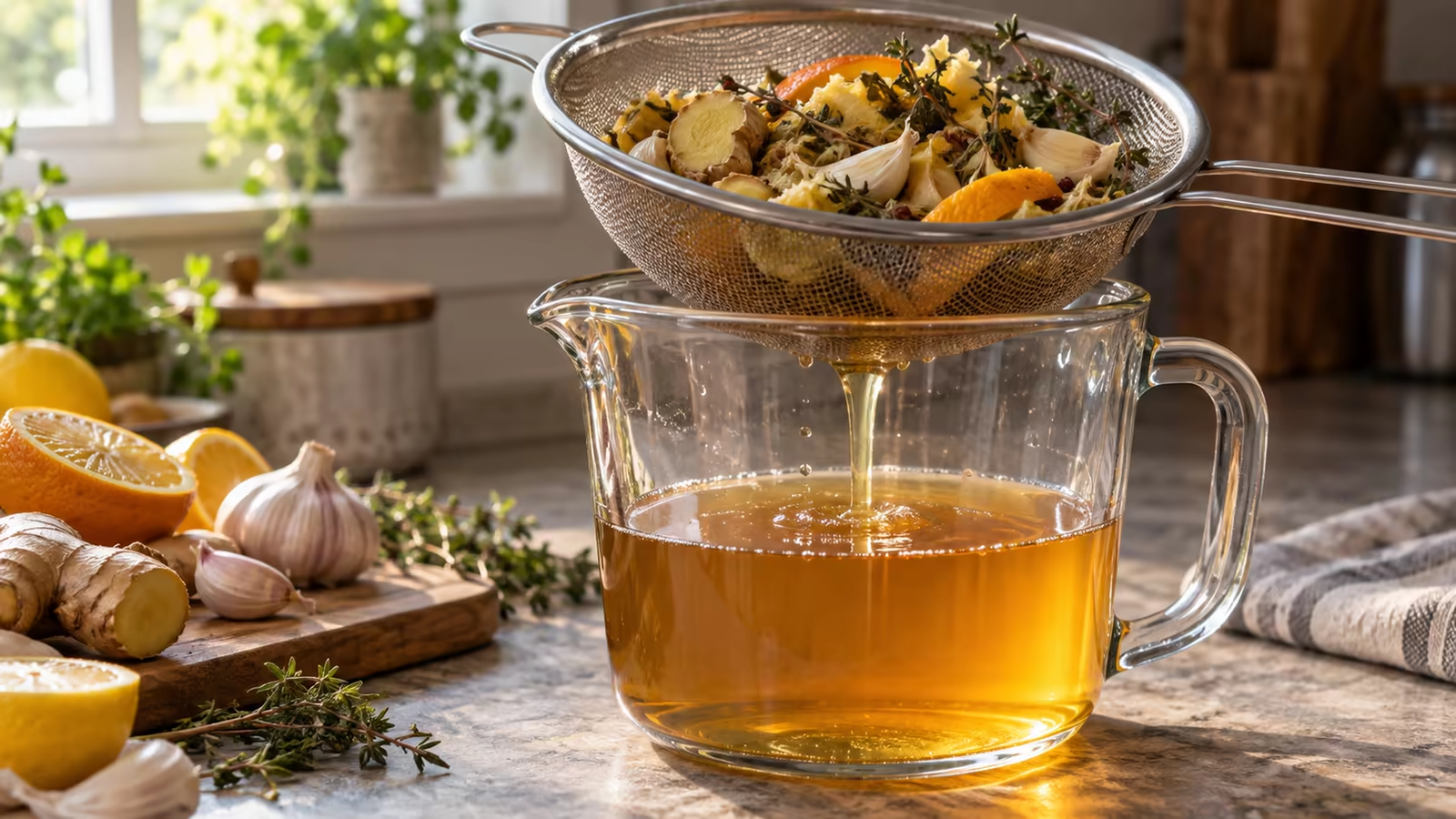
Strain into a clean bowl, pressing lightly without forcing pulp through the sieve. Honey is optional, but a little rounds the vinegar and helps the citrus come forward. Add it gradually after straining so you can stop while the drink still tastes energetic rather than syrupy.
Start with one teaspoon to one tablespoon diluted in water, sparkling water, or tea. It also makes a terrific vinaigrette base, a finishing splash for beans, or a sharp counterpoint in a nonalcoholic shrub. Try whisking a spoonful with olive oil and mustard for an instant salad dressing. Keep the bottle refrigerated, shake before measuring, and use clean utensils every time.
Fire cider recipe
Plan on two weeks for a lively infusion or up to four for more intensity. The editable recipe card below contains the complete ingredient amounts, equipment, timing, and refrigerated method.
Refrigerated Fire Cider

Ingredients
- 1/2 cup fresh ginger thinly sliced
- 1/2 cup fresh horseradish root peeled and thinly sliced
- 1 small yellow onion thinly sliced
- 1 head garlic cloves peeled and lightly crushed
- 1 lemon scrubbed and thinly sliced; seeds removed
- 1 orange scrubbed and thinly sliced; seeds removed
- 1 jalapeño sliced; remove seeds for less heat
- 1 tsp whole black peppercorns
- 1 tsp ground turmeric optional
- 3 cups raw apple cider vinegar labeled 5% acidity, plus more as needed to cover
- 1/4 cup honey plus more to taste; optional
Equipment
- 1-quart glass jar with nonreactive lid
- Cutting board and knife
- Fine-mesh sieve
- Glass bottle or jar for refrigerated storage
Instructions
- Wash the jar, lid, cutting board, knife, and sieve in hot soapy water and dry them well. Rinse and scrub all produce before slicing.
- Pack the ginger, horseradish, onion, garlic, lemon, orange, jalapeño, peppercorns, and turmeric into the jar without crushing them tightly.
- Pour in enough 5% acidity apple cider vinegar to cover every solid by at least 1/2 inch. Release trapped air with a clean utensil. Use a nonreactive lid, or place parchment beneath a metal lid.
- Label and refrigerate the jar for 2 weeks, shaking gently once a day and checking that the solids remain submerged. For a stronger infusion, continue for up to 4 weeks.
- Strain through a fine-mesh sieve into a clean bowl, pressing lightly on the solids. Discard the solids. Whisk in the honey, if using, while the liquid is at room temperature.
- Transfer the fire cider to a clean glass bottle or jar and keep it refrigerated. Shake before measuring and dilute to taste.
Notes
- This is a refrigerated infusion, not a tested shelf-stable canning recipe.
- Keep all solids submerged during infusion and discard the batch if you see mold, unusual bubbling, or an off odor.
- Use a vinegar labeled 5% acidity and refrigerate both during and after infusion.
- Nutrition is intentionally left for manual calculation because the strained yield and amount of honey vary.
Tried this recipe?
Let us know how it turned out!Sources
These sources support the ginger context and conservative home-infused-vinegar guidance used here:
- National Center for Complementary and Integrative Health: Ginger
- National Center for Home Food Preservation: Research-Based Home Food Preservation Guidance
- FoodSafety.gov: Cold Food Storage Charts
Hi, I’m Laura, the voice behind Tastiva. I’ve always believed that eating well should feel enjoyable, comforting, and realistic—not like another complicated rule to follow. I love creating recipes that fit into everyday life, sharing simple nutrition ideas, and finding small ways to make meals feel a little better without losing the pleasure of good food.