
If you want to know how to reduce food spending, start with a simple loop: track what you spend, plan meals around food you already have, compare prices consistently, and freeze or use perishables before they are wasted. The goal is fewer purchases that do not serve you—not perfect bargain hunting or cooking every meal from scratch. I would choose a plan you can repeat on a tired Wednesday over a punishing spreadsheet every time.
Check your kitchen before you shop, give the food most likely to spoil a job in this week's meals, and keep one flexible backup meal for schedule changes. At the store, compare unit prices and buy the amount you can realistically use. Review what worked once a week, then adjust one habit—not your whole life.
Start With a Food-Spending Baseline
Track two ordinary weeks of food purchases, or four if your schedule varies a lot. Include groceries, restaurant meals, delivery fees and tips, coffee, vending-machine snacks, and convenience-store stops. Separate groceries from detergent, paper goods, pet food, and other nonfood items so the number is useful. Also note food you throw away and why: spoiled, forgotten, disliked, or left over too long. This is information, not a report card.
| Track | Write down | What it can reveal |
|---|---|---|
| Groceries | Food total and major categories | Staples, treats, and unplanned extras |
| Food away from home | Meal, drinks, fees, and tip | Busy-day and convenience patterns |
| Discarded food | Item, amount, and reason | Overbuying or plans that did not fit |
USDA's monthly Food Plans estimate the cost of nutritious, at-home eating at four spending levels. They can provide broad context, but they are not a personal budget or a measure of how well you are doing. Your receipts show your household's prices, needs, and constraints. Choose one realistic target from the baseline—perhaps one fewer delivery order or using the produce you buy—then test it before cutting further.
Plan Meals From What You Already Have
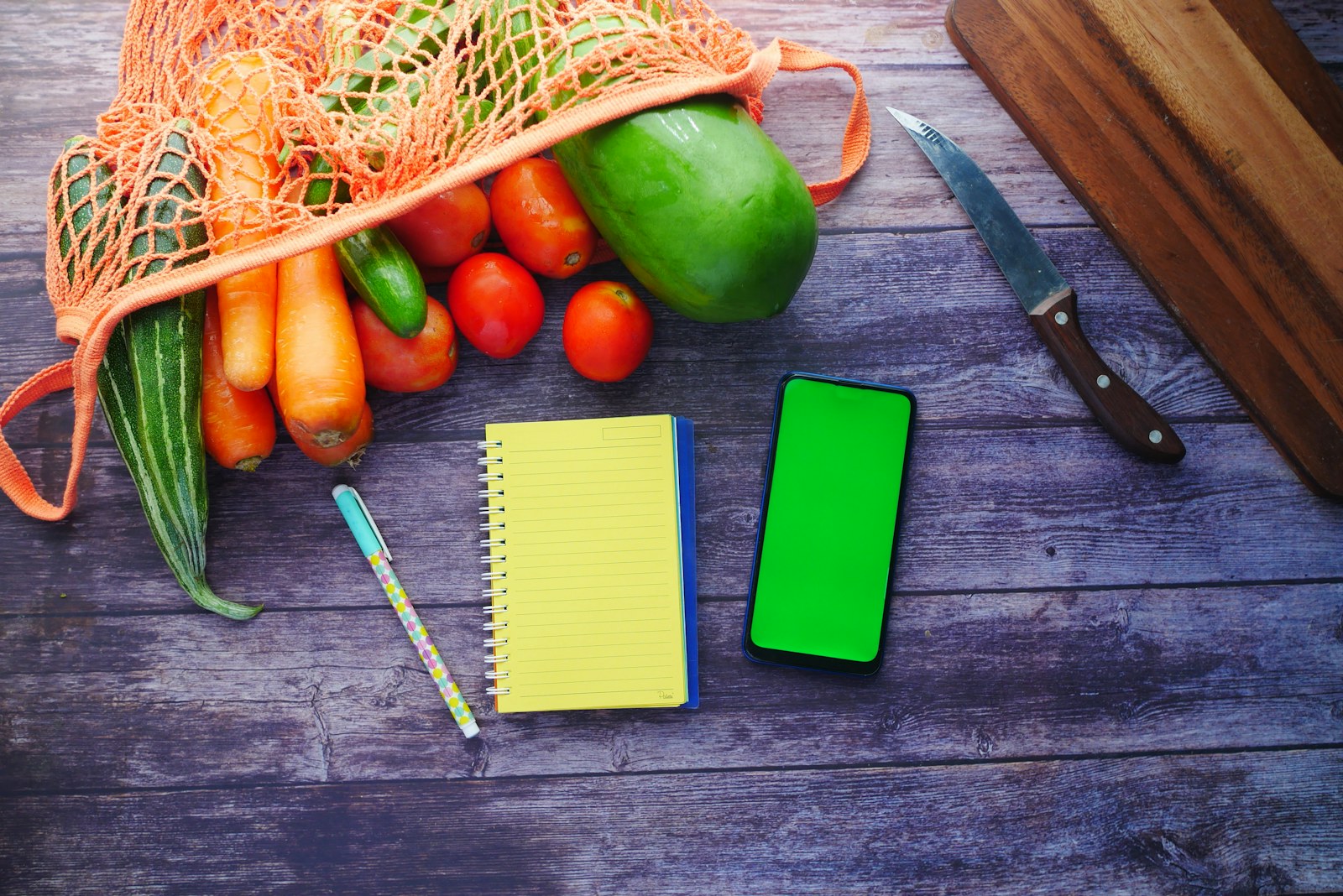
Before making a shopping list, spend five minutes looking through the refrigerator, freezer, and pantry. Put foods that need attention on a short “use first” list. Then give them a role: spinach in tomorrow's eggs, cooked rice with a quick stir-fry, or ripe fruit at breakfast. Plan meals that share perishable ingredients so half a bunch of herbs or part of a container is less likely to be stranded.
A workable week might include three anchored dinners, one leftovers night, and one pantry-or-freezer meal, with open space for changing plans. Add breakfast and lunch if those are common spending leaks. Write quantities on the list—two onions, not simply “produce”—and count how many meals will truly be eaten at home. A bulk package or buy-one-get-one offer is only a bargain when you will use, share, or freeze it.
Compare Unit Prices and Stay Flexible
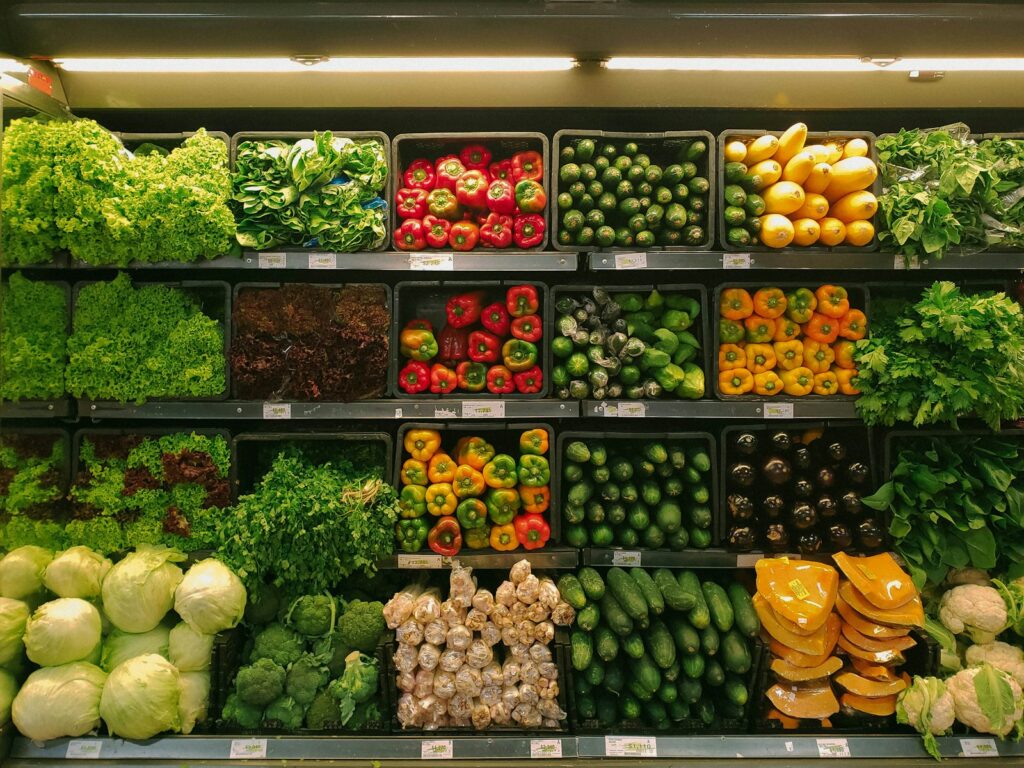
Use the shelf tag to compare price per ounce or pound, making sure the units and product forms match. The lowest unit price is not automatically the lowest-cost choice: a larger package costs more upfront and saves nothing if part of it spoils. I like to ask one more question: What is the price per usable meal? Bones, peels, drained weight, prep time, and whether an ingredient helps prevent takeout can all change the answer.
Food prices and local sales vary, so build flexible choices rather than a permanent list of “cheapest” foods. Beans or lentils can replace or stretch some meat; eggs, tofu, canned fish, and sale-priced meat may fit other weeks. Fresh, frozen, and canned produce can all be practical. Compare the amount you will use, plus sodium or added sugars when those matter to you.
| Choice | Budget question to ask |
|---|---|
| Protein | Which option fits these meals, this week's price, and my prep time? |
| Produce | Will fresh get eaten, or is frozen or canned more dependable? |
| Bulk size | Is it shelf-stable, freezable, or something we use often? |
| Convenience item | Could this planned shortcut replace a pricier last-minute order? |
Make Food Easy to Eat Before It Becomes Waste
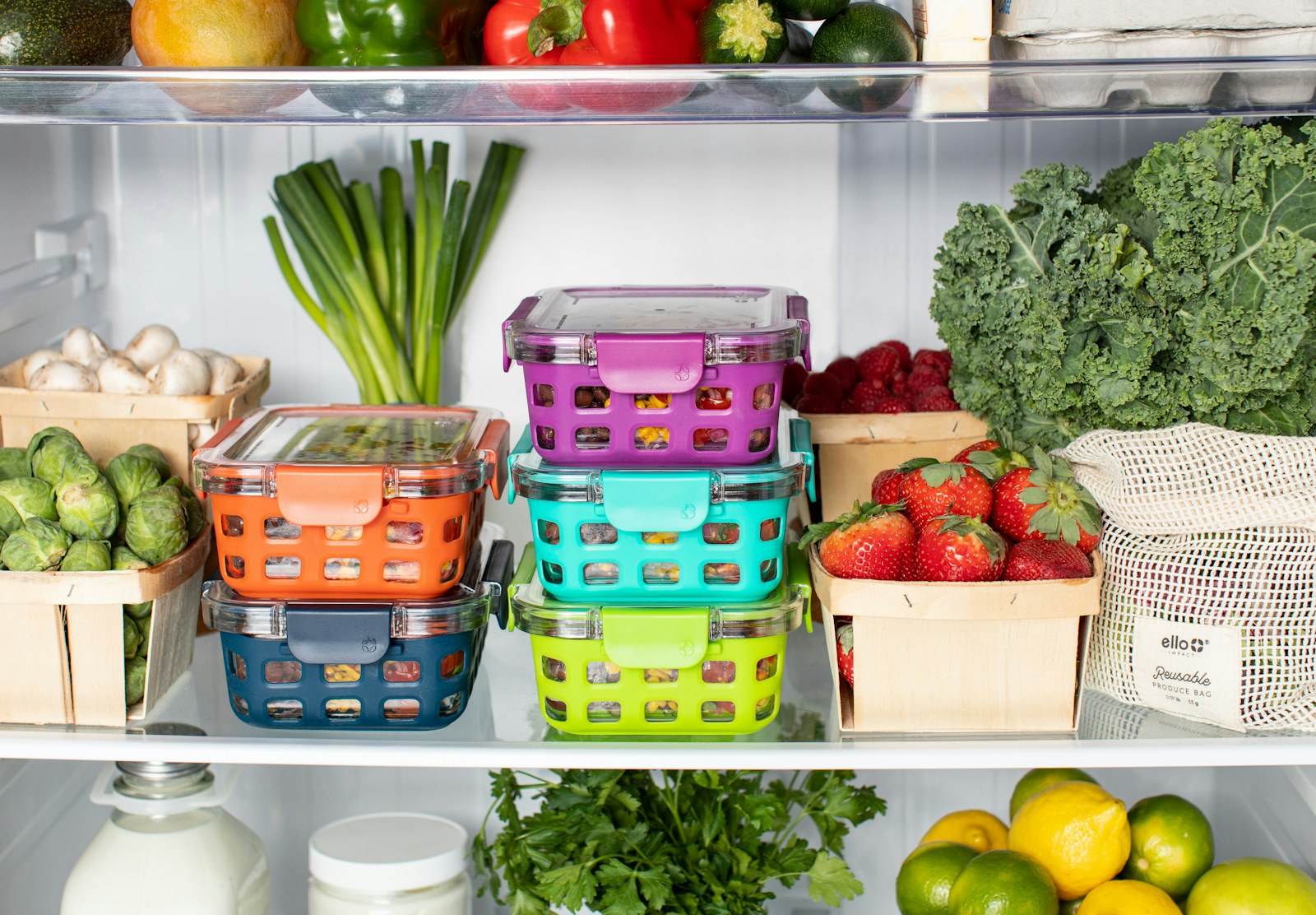
Visibility matters. Keep an “eat first” spot in the refrigerator, move older pantry goods forward, and label leftovers with the food and date. To me, an unlabeled freezer container is not a plan; it is a future mystery. Once a week, choose a meal that clears small amounts—a grain bowl, soup, omelet, pasta, or snack plate—without combining foods that do not actually taste good together.
Batch cooking works best when it creates useful options. Cook a versatile component or double a meal you already like, then portion it for lunches or the freezer. Freeze extras while they are still appealing, not after everyone is tired of them, and package portions well to help prevent freezer burn. Keep one genuinely easy backup meal on hand, and allow a deliberate convenience item if it helps you avoid waste or an order you did not plan.
Keep safety in the system, too. Refrigerate perishable food and takeout within two hours, keep the refrigerator at 40°F or below and the freezer at 0°F, and use most cooked leftovers within three to four days or freeze them sooner. When you are unsure, check the USDA FoodKeeper guidance for that specific food. End the week with a five-minute review: what was used, wasted, or too much work? Change one thing. Spending less should not require shame, skipped nourishment, or a routine your household cannot sustain.
Sources
- USDA Food and Nutrition Service: USDA Food Plans—Monthly Cost of Food Reports
- USDA Economic Research Service: Food Price Outlook
- U.S. Environmental Protection Agency: Preventing Wasted Food at Home
- U.S. Food and Drug Administration: How to Cut Food Waste and Maintain Food Safety
- FoodSafety.gov: FoodKeeper App

Hi, I’m Laura, the voice behind Tastiva. I’ve always believed that eating well should feel enjoyable, comforting, and realistic—not like another complicated rule to follow. I love creating recipes that fit into everyday life, sharing simple nutrition ideas, and finding small ways to make meals feel a little better without losing the pleasure of good food.