
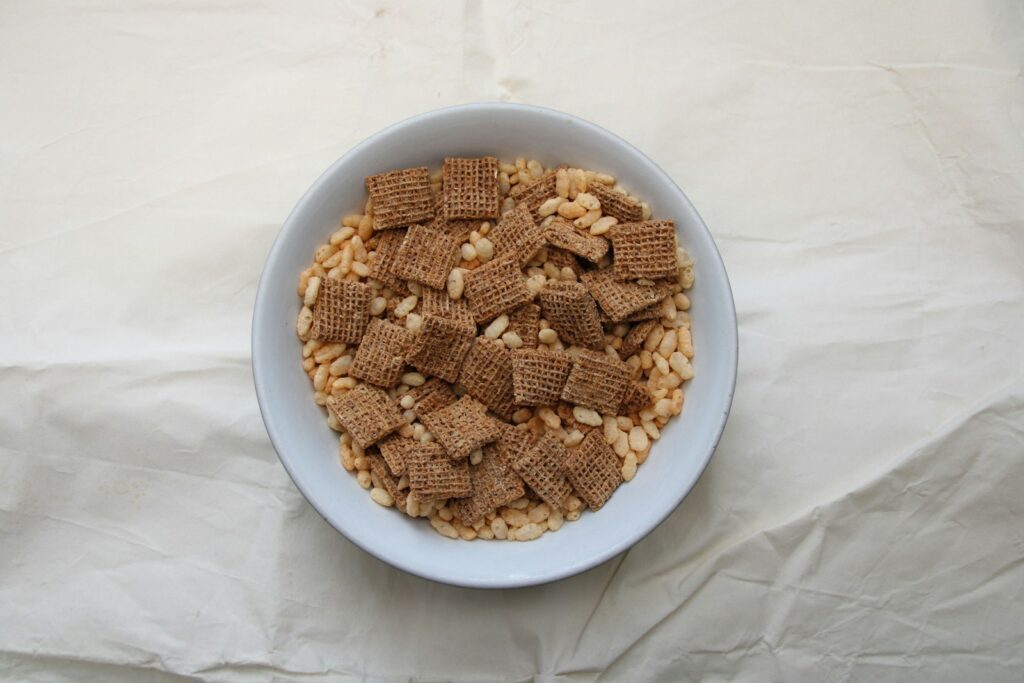
No—Kellogg’s Original Rice Krispies sold in the United States are not a gluten-free choice. Rice is naturally gluten-free, but the current U.S. ingredient list includes malt flavor, and the cereal is not labeled gluten-free. For someone with celiac disease or another medical reason to avoid gluten, that distinction matters more than the cereal’s name.
Rice may be gluten-free, but rice cereal is a recipe, not a single ingredient. The box in your hand gets the final word.
Why Original Rice Krispies are not gluten free
The current WK Kellogg U.S. product page lists rice, sugar, salt, and malt flavor, followed by added vitamins and minerals. Malt is the ingredient to stop at. An official Kellogg Canada notice identifies barley malt as the gluten source in Original Rice Krispies sold there. Because formulas can differ by market, the current U.S. ingredient list and lack of a gluten-free claim remain the deciding evidence for U.S. shoppers.
Original Rice Krispies also do not carry a U.S. “gluten-free” claim. Under the FDA’s gluten-free labeling rule, a food that voluntarily uses that wording must contain less than 20 parts per million of gluten and meet ingredient restrictions involving wheat, rye, barley, and their crossbreeds. A product does not become gluten-free simply because its first ingredient is rice.
I would not use “made with rice,” “wheat-free,” or a missing wheat warning as a shortcut. For a strict gluten-free diet, the combination here is decisive: a malt ingredient, no gluten-free claim, and current manufacturer information that makes no gluten-free representation.
Why the country, formula, and product name matter
Food formulas and label rules can differ across countries, and search results often mix markets. The current UK Rice Krispies page, for example, lists both barley malt extract and wheat gluten, while Australia sells a related cereal as Rice Bubbles with barley malt extract. Check the country-specific package you are buying—not a foreign retailer photo or recipe.
There is another source of confusion: Kellogg has sold a separate brown-rice cereal called Gluten Free Rice Krispies; the official Canadian notice below documents that distinct product. Old photos, reviews, and listings still appear online, but they do not describe today’s U.S. Original Rice Krispies. A legacy yellow box and the current blue Original box are not interchangeable evidence.
Gluten-free crisped-rice alternatives do exist, but they are not all made or handled alike. My simplest rule is to choose a current package that explicitly says “gluten-free,” then read the full ingredient and advisory labeling anyway. “Crisped rice,” “puffed rice,” “organic,” and “malt-free” are descriptions, not automatic guarantees about the finished product or cross-contact.
Celiac disease, wheat allergy, and cross-contact are different questions
For celiac disease, gluten from wheat, barley, or rye is the issue, and NIDDK describes a lifelong gluten-free diet as the treatment. That makes barley-derived malt relevant even when wheat is absent. People being evaluated for celiac disease should also speak with a clinician before removing gluten, because starting the diet first can affect diagnostic testing.
A wheat allergy is different: it is an immune reaction to wheat proteins, not a diagnosis defined by barley and rye gluten. The FDA’s major-allergen rules require wheat to be declared when it is an ingredient, but barley is not one of the nine major allergens. Therefore, no “Contains: wheat” statement does not answer the gluten-free question. Someone with wheat allergy should follow their allergist’s advice and assess wheat ingredients and cross-contact separately.
Cross-contact can occur during growing, transport, manufacturing, storage, or serving. FDA says “may contain” and shared-equipment statements are voluntary, so their absence is not proof that no cross-contact occurred. If a label does not give enough assurance for your medical needs, contact the manufacturer with the product name, UPC, lot code, and facility question before eating it.
How to verify cereal and crispy treats safely
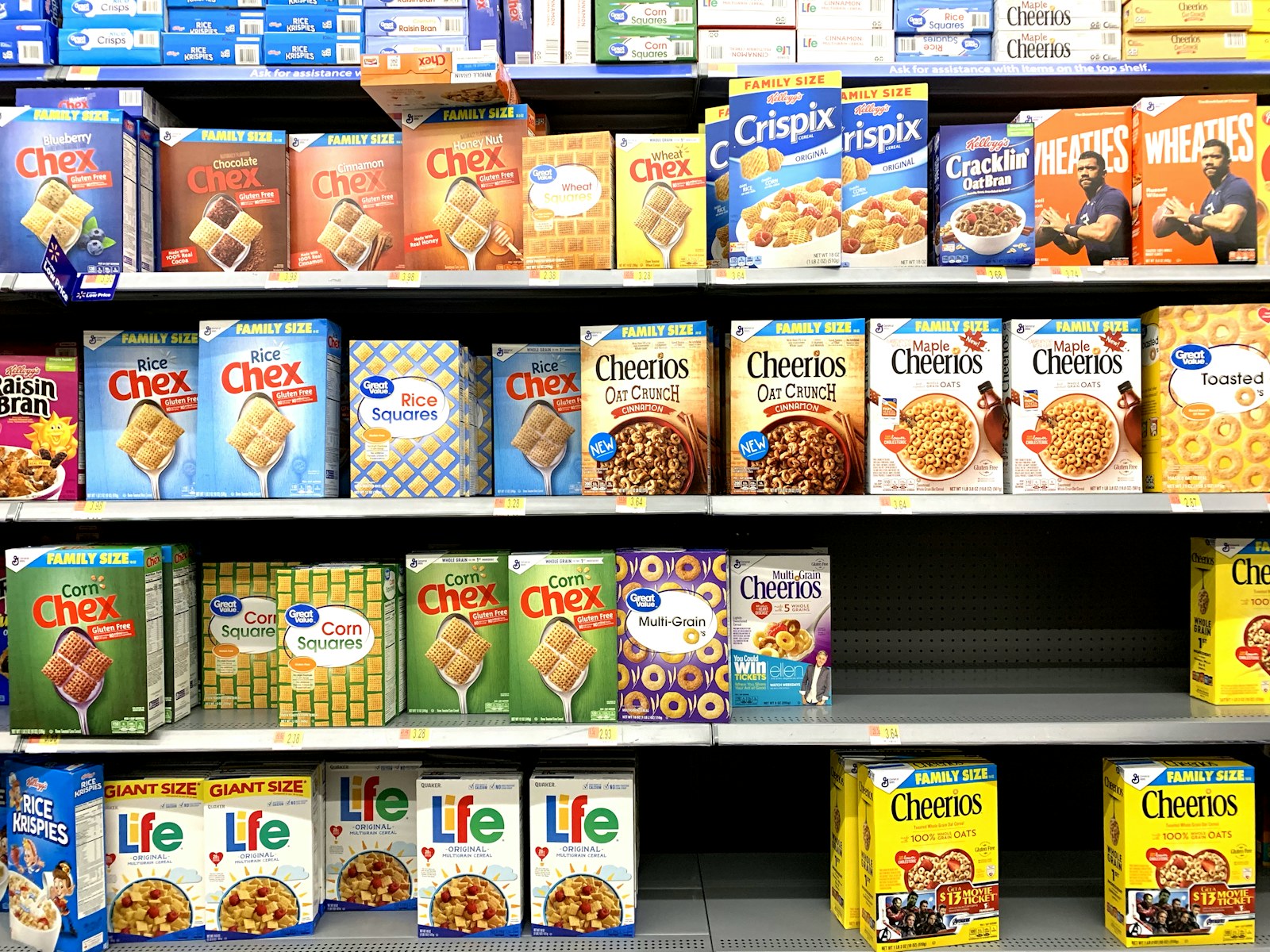
Use the same quick check every time, because formulas and suppliers can change. I’d recheck a redesigned box instead of assuming the recipe stayed put.
| Check | What to look for | Why it matters |
|---|---|---|
| Exact product | Full name, variety, country, and package size | Similar names can belong to different formulas |
| Gluten-free claim | “Gluten-free,” “no gluten,” “free of gluten,” or “without gluten” | In the U.S., these claims must meet FDA requirements |
| Ingredient list | Malt, malt extract, malt syrup, barley, wheat, rye, or brewer’s yeast | These are gluten clues; read every line |
| Allergen/advisory text | “Contains wheat,” “may contain,” or shared-equipment wording | Helpful for allergy and cross-contact screening, but not a complete gluten test |
| Manufacturer confirmation | Current product page or a lot-specific answer | Best next step when the package is unclear |
Treat cereal bars as their own product. A packaged Rice Krispies Treat has its own formula and wrapper; its name is not a gluten-free claim. For homemade squares, verify the cereal, marshmallows, butter or substitute, flavorings, and every add-in, then use clean pans and utensils away from crumbs or shared spreads. The safe swap is not “any rice cereal”—it is a specific crisped-rice cereal whose current label fits the eater’s needs. The same label-first habit helps when choosing gluten-free chips and other packaged snacks.
Sources
- WK Kellogg Co: Kellogg’s Rice Krispies Cereal
- Kellogg Canada: Rice Krispies Brown Rice Gluten-Free Cereal Launch
- U.S. Food and Drug Administration: “Gluten-Free” Means What It Says
- U.S. Food and Drug Administration: Food Allergies
- National Institute of Diabetes and Digestive and Kidney Diseases: Eating, Diet, & Nutrition for Celiac Disease
- Kellogg’s UK: Rice Krispies
- Kellogg’s Australia: Rice Bubbles

Hi, I’m Laura, the voice behind Tastiva. I’ve always believed that eating well should feel enjoyable, comforting, and realistic—not like another complicated rule to follow. I love creating recipes that fit into everyday life, sharing simple nutrition ideas, and finding small ways to make meals feel a little better without losing the pleasure of good food.