
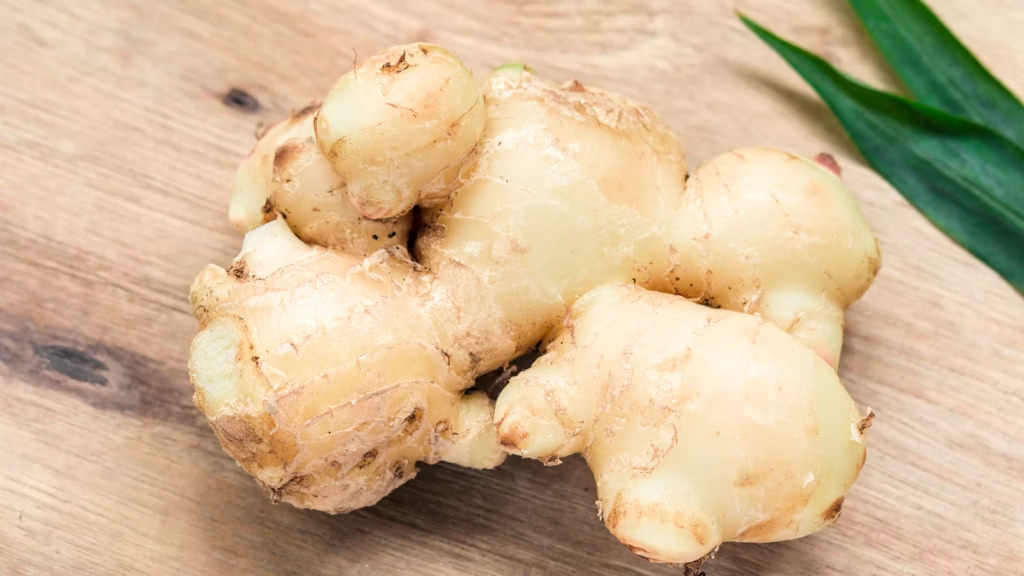
A spoonful of grated ginger goes into a sauce, a few slices go into soup, and a much larger piece is still sitting on the board. If you’re working out how to store ginger, refrigerate the piece you’ll use soon and freeze the amount you won’t reach for regularly. I’d choose the storage method with the next meal in mind, rather than leave that last piece hoping for an invitation.
A little ginger is easier to use when you can find it, recognize it, and take only the amount dinner needs.
How to store ginger you’ll use in the next few weeks
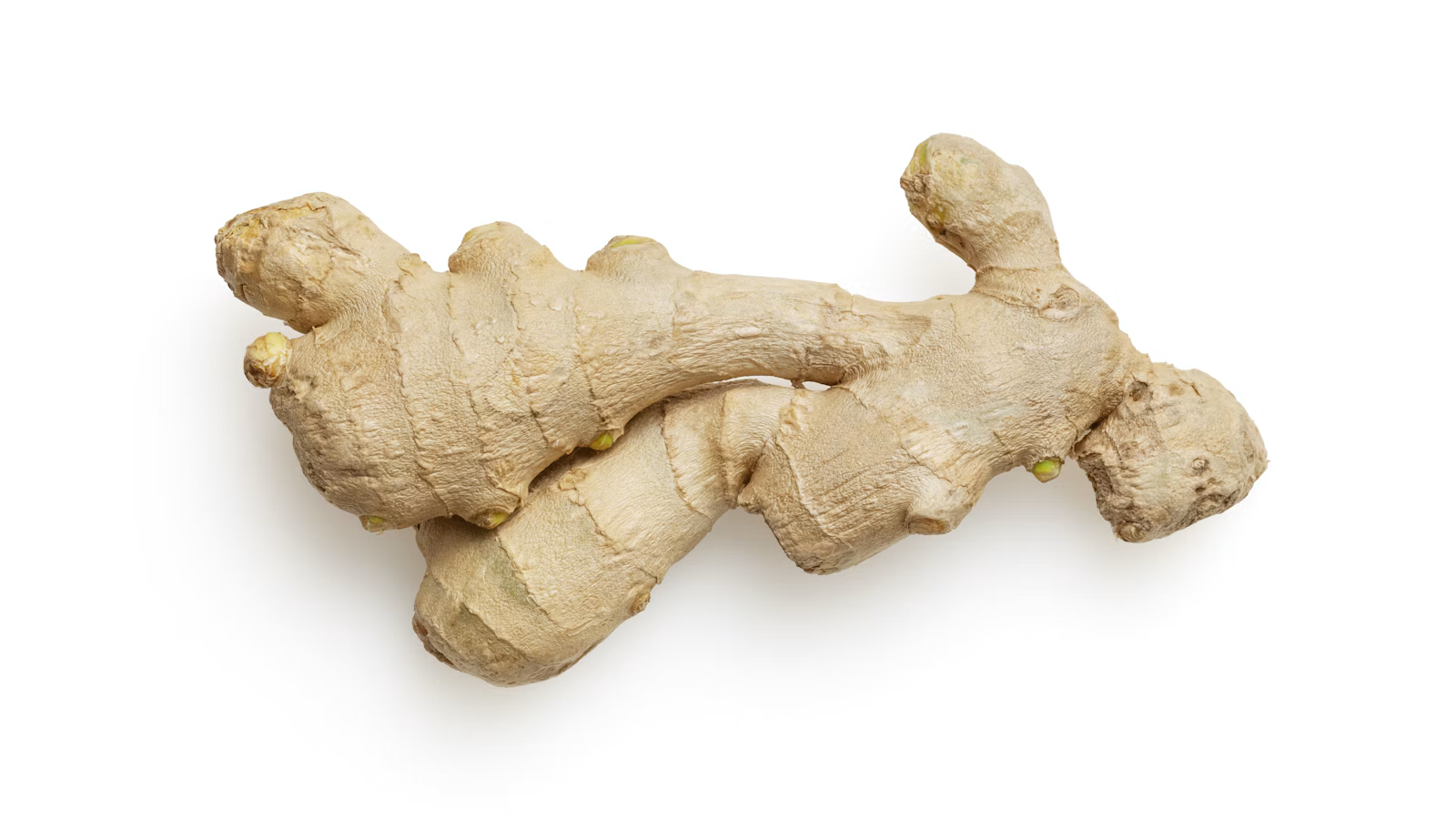
Start with firm ginger and sound skin; a shriveled piece with soft spots isn’t a good candidate for longer storage. University of Minnesota Extension recommends refrigerated ginger storage, tightly wrapped or placed in a plastic bag, with a two-to-three-week guide. Texas A&M AgriLife also describes refrigeration for fresh ginger.
- A mostly whole piece: Keep the skin on the part you aren’t preparing yet and protect it in a bag or wrapped package in the refrigerator.
- A leftover peeled piece: Wrap it closely, refrigerate it, and make it the next piece you use. Don’t let it disappear behind a newer purchase.
- Your refrigerator: Keep it at 40°F (4°C) or below, following Purdue Extension’s cold-storage guidance.
- Your meal plan: Set aside a sensible amount for the recipes you expect to cook. If ginger only appears occasionally, choose freezer portions for the surplus.
Storage estimates differ between guides and depend on the ginger’s starting condition. Check it before each use, and discard ginger that has mold, soft spoiled areas, or an off smell.
Prepare only the portion that needs preparation
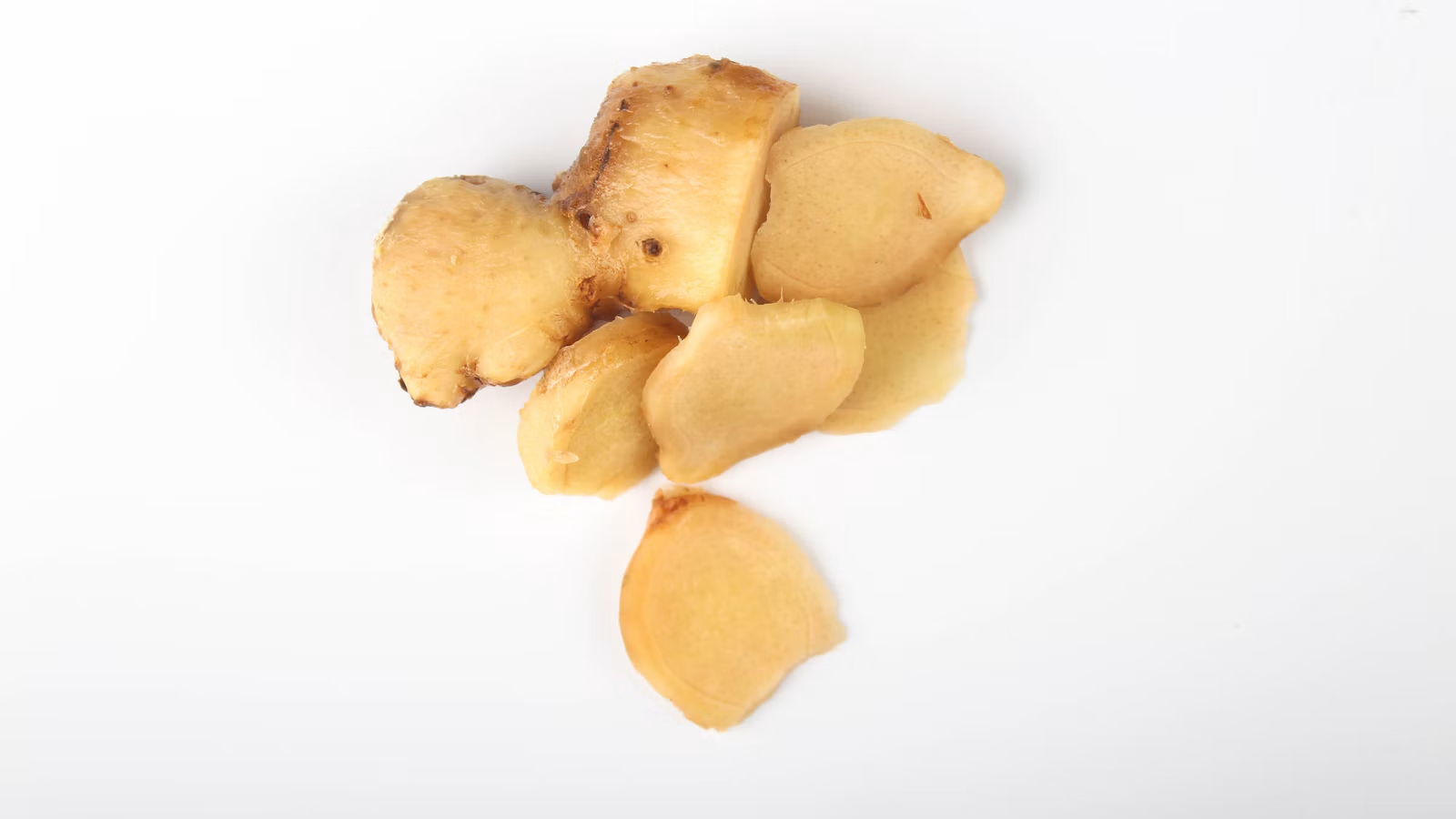
There’s no need to peel the entire piece because a recipe calls for a teaspoon. Break or cut off the amount you need, then return the remaining ginger to its storage place. Wash the portion you’ll prepare under running water, dry it, and use a clean board and utensil.
- For a smooth sauce: Finely grate the required amount so the ginger can distribute through the mixture without large pieces.
- For a soup or infusion: Slices can be useful when the recipe calls for them. Check whether those slices stay in the dish or are removed before serving.
- For chopped ginger: Cut the piece into manageable sections first. It is easier to control a small, steady section than a large branching shape.
- For peeling: A vegetable peeler works on broad surfaces, while the edge of a spoon can reach shallow grooves. Take off the skin without shaving away unnecessary flesh.
Minnesota Extension describes using a spoon around the grooves and preparing ginger as slices, matchsticks, or a fine dice. I’d choose the cut before doing the peeling, especially if some of the piece is headed for the freezer.
Freeze ginger in portions you can actually use
For ginger beyond your near-term cooking plans, Iowa State University Extension describes freezing it sliced, grated, or chopped. Separate portions make it easier to take a small amount without working at one solid clump. Begin with fresh, clean ginger and prepare it before it loses quality in the refrigerator.
- Peel the ginger for the method you’re using, then slice, grate, or finely chop it. Pick one form that suits a recipe you make regularly.
- For grated or chopped ginger, place small portions on a parchment-lined tray or in an ice-cube tray. Measure them if knowing the amount will help later.
- Freeze the portions until firm, then transfer them to a freezer-safe bag or container. Keep sliced ginger in a freezer bag, removing as much air as practical.
- Label with the date and the preparation: sliced, chopped, or grated. Include the portion size if you measured it; differently packed portions aren’t interchangeable spoonfuls.
- Return the package to a freezer at 0°F (−18°C) or below. Put it where you can see it when planning a meal.
Iowa State gives about three months as a best-quality target for frozen fresh ginger. Date the package and aim to use it within that time for the best result.
Match refrigerated or frozen ginger to the next dish
You can also freeze a peeled piece for grating. In her Serious Eats preparation guide, culinary author Sohla El-Waylly describes wrapping peeled ginger tightly, freezing it whole, and grating it directly from frozen. That method suits cooks who prefer grating as they need it rather than making separate grated portions.
- Cooked soups and sauces: A measured chopped or grated freezer portion is convenient when the recipe calls for that form. Add it at the step specified by the recipe.
- Thin slices or matchsticks: Keep some refrigerated fresh ginger when you want to control these cuts just before cooking.
- Grating a frozen piece: Hold it securely, use a suitable grater, and stop while you still have a safe grip. Return the remaining piece to its package.
- A planned thaw: Thaw the portion in the refrigerator when needed, following standard food-handling guidance. Avoid thawing the whole package for one small serving.
For a place to use your next portion, Tastiva’s pumpkin coconut soup with ginger and pepitas gives ginger a warm, savory setting.
Jamie Oliver demonstrates the spoon-peeling step in this quick preparation video. Use it for the portion you plan to prepare, then follow the refrigerator or freezer routine above for the remainder.
Sources
- University of Minnesota Extension: selecting, preparing, and refrigerating ginger
- Iowa State University Extension: ginger spoilage signs and freezer portions
- Texas A&M AgriLife Extension: refrigerated and frozen ginger storage
- Purdue Extension: produce washing, cold-storage temperatures, and thawing
- Sohla El-Waylly, Serious Eats: preparing ginger and grating it from frozen

Hi, I’m Laura, the voice behind Tastiva. I’ve always believed that eating well should feel enjoyable, comforting, and realistic—not like another complicated rule to follow. I love creating recipes that fit into everyday life, sharing simple nutrition ideas, and finding small ways to make meals feel a little better without losing the pleasure of good food.