
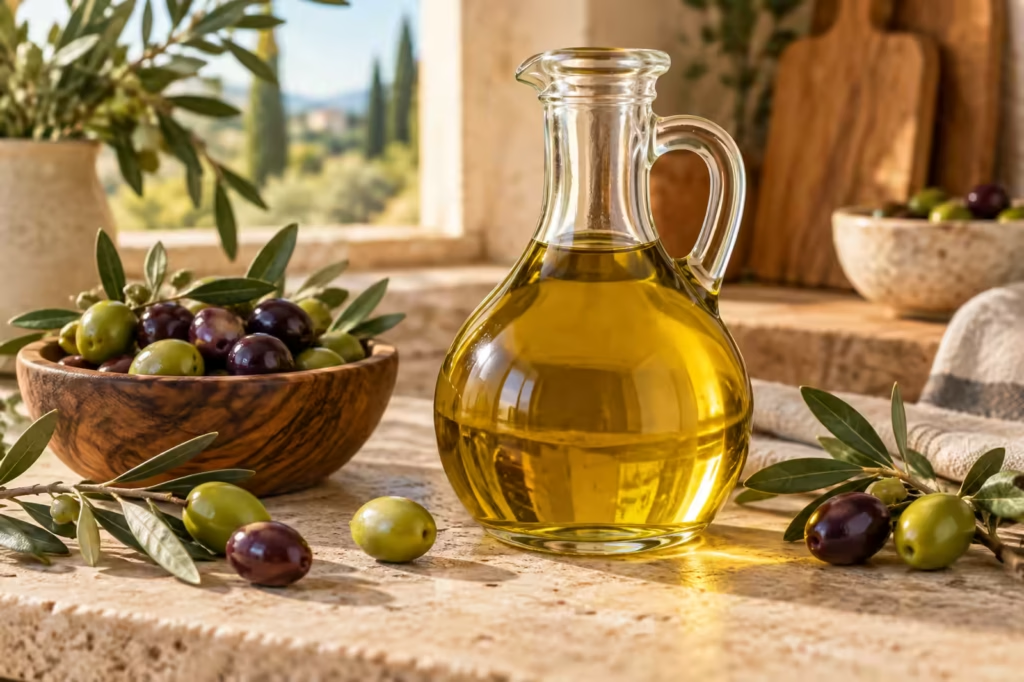
No—olive oil is not a seed oil. Olives are fruits, and the oil is extracted from the fleshy fruit after it is crushed. The stone in the center may be present during milling, but that does not turn the finished product into a seed oil. I understand why the question keeps appearing: online conversations often group every bottle of cooking fat into a few dramatic categories. The food itself is simpler than the debate.
Olive oil begins with a fruit. That botanical fact is clear; whether a meal is nourishing still depends on the whole plate, not a label category alone.
Why olive oil is a fruit oil, not a seed oil
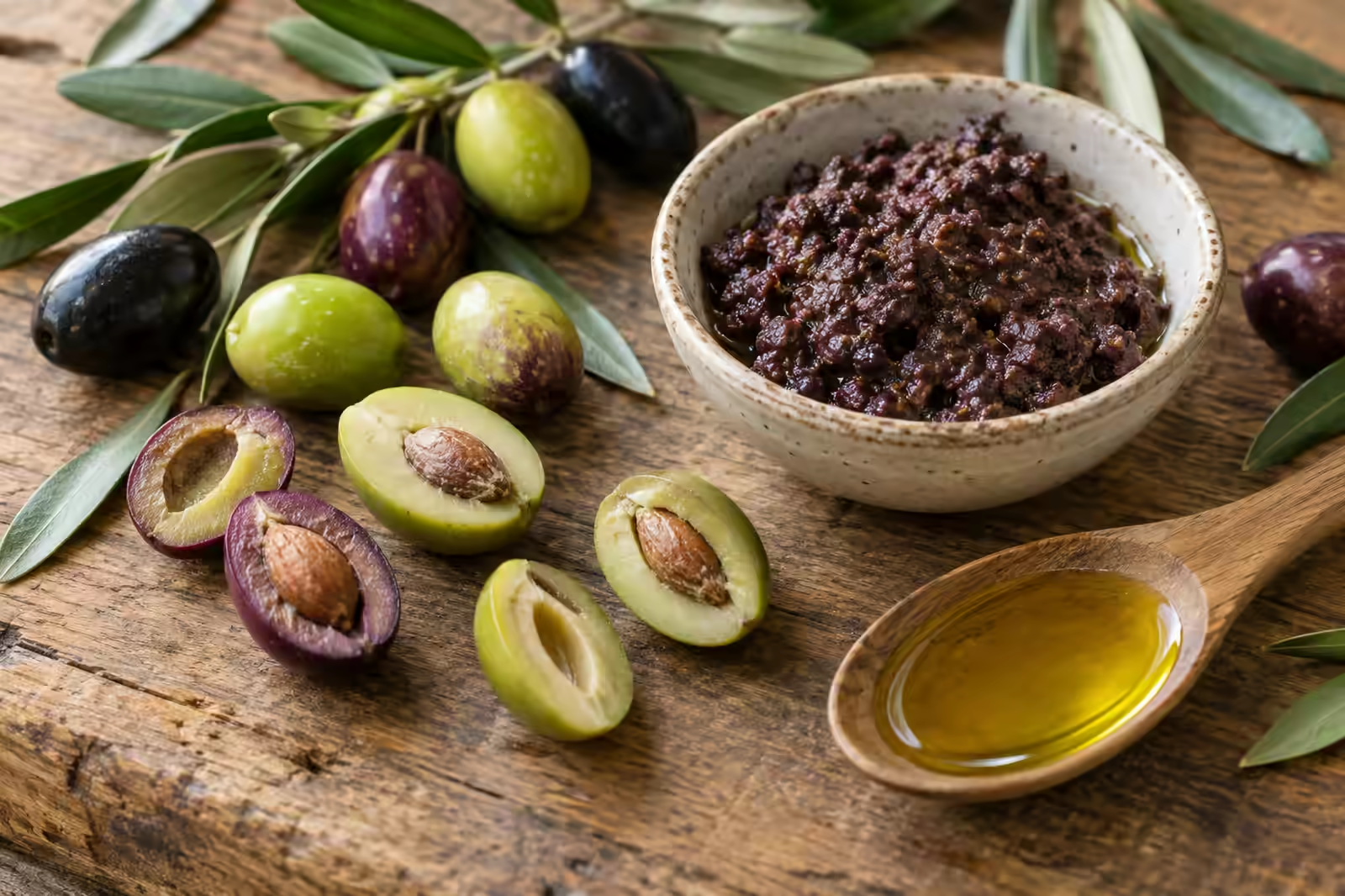
An olive develops from the flower of the olive tree and contains a pit, which makes it a fruit. Producers harvest the olives, clean and crush them into a paste, then separate the oil from water and solids. Modern mills commonly use mixing and centrifugation rather than squeezing oil through an old-fashioned press.
Seed oils are extracted from seeds, such as sunflower, sesame, soybean, canola, or grapeseed. Olive oil comes mainly from the fruit’s flesh. The distinction tells us which part of the plant supplied the oil; it does not, by itself, deliver a complete judgment about a food’s health value.
I would be cautious with any claim that treats “seed oil” or “not a seed oil” as a shortcut for good or bad. Amount, overall diet, processing, cooking use, and the fats an oil replaces all matter more than a viral category.
How extra virgin, regular, and light olive oil differ
Extra virgin olive oil is obtained through mechanical processes and must meet chemical and sensory standards. It keeps more of the olive’s aroma and peppery or grassy character, which makes it lovely for dressings, dipping, finishing, and everyday cooking when you enjoy the flavor.
Products labeled simply olive oil or pure olive oil generally blend refined olive oil with some virgin olive oil. “Light” olive oil refers to a lighter flavor and color after refining—not fewer calories or less fat. One tablespoon of any olive oil is still concentrated fat.
Labels such as cold-extracted, harvest date, origin, and certification can offer useful context, but freshness and taste matter too. A beautifully marketed bottle that sits open beside a hot stove for a year will not stay at its best.
- Extra virgin: most pronounced olive flavor and minimal processing.
- Virgin: mechanically extracted but with different quality standards from extra virgin.
- Refined or “light”: milder flavor; “light” does not mean lower calorie.
- Olive-pomace oil: made from material remaining after initial extraction and processed differently.
What olive oil offers nutritionally
A tablespoon of olive oil has roughly 120 calories and 14 grams of fat. Most of that fat is monounsaturated, especially oleic acid. Olive oil also contains smaller amounts of polyunsaturated and saturated fats, while extra virgin olive oil supplies plant compounds that contribute flavor and antioxidant activity.
The most useful nutrition question is often what the oil replaces. Using an unsaturated fat such as olive oil in place of some butter, lard, or other foods higher in saturated fat can support a heart-conscious eating pattern. Simply pouring extra oil onto an already complete meal adds energy; it does not cancel the rest of the menu.
I think of olive oil as an ingredient, not a supplement. It helps vegetables brown, carries herbs and spices, and makes beans or whole grains more satisfying. That practical role fits a varied pattern far better than swallowing a spoonful because a headline called it medicine. For more calm, food-first nutrition, browse Tastiva’s Nutrition guides.
How to choose, store, and cook with olive oil
Choose a bottle size you can finish while it still tastes fresh. Dark glass or an opaque container helps protect the oil from light. Keep the cap closed and store it in a cool, dark cabinet away from the stove; heat, light, and air gradually flatten the flavor and speed oxidation.
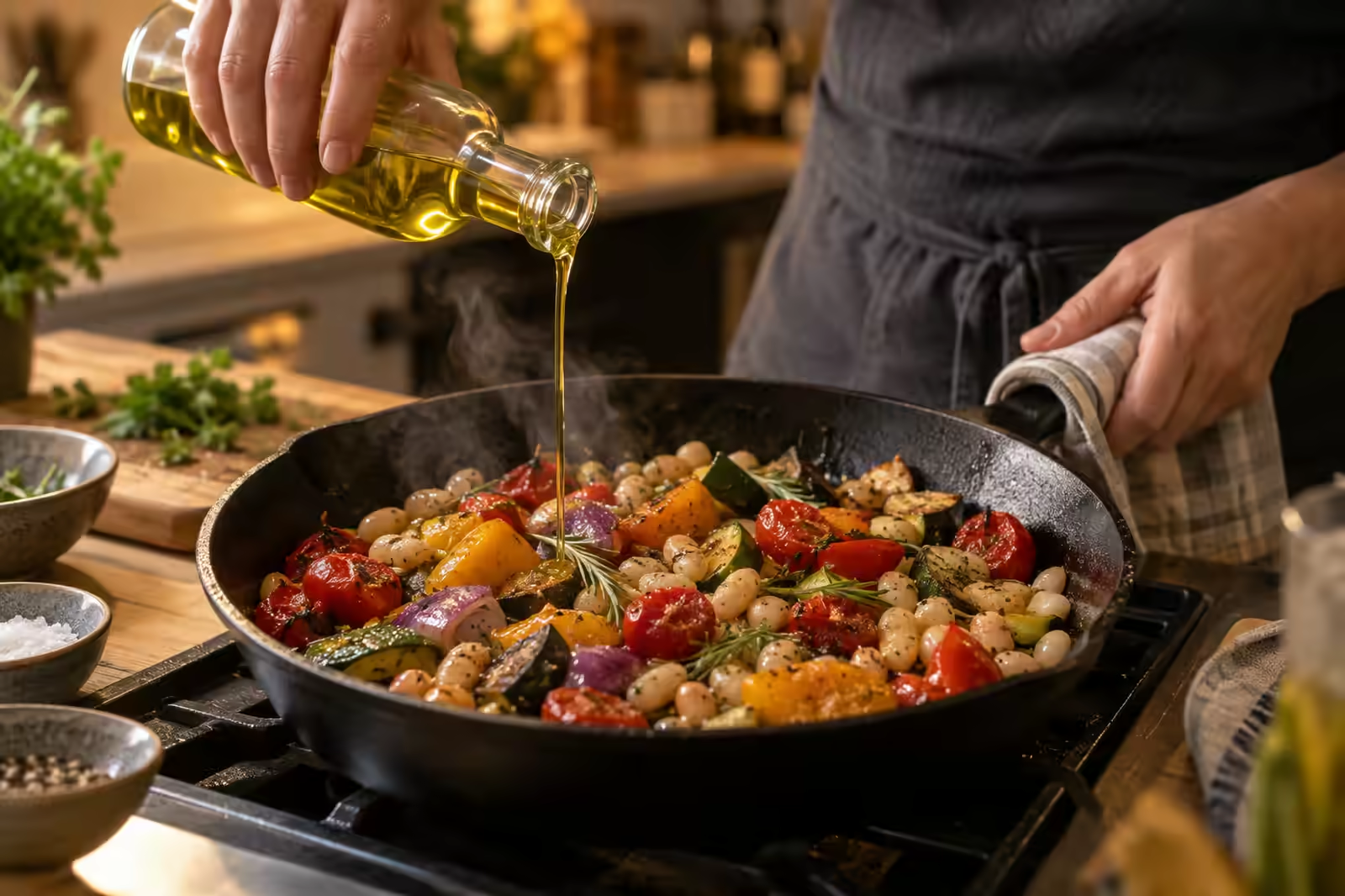
- Use extra virgin olive oil for dressings, sautés, roasting, and finishing when you like its flavor.
- Use a milder olive oil when you want less olive character in baking or cooking.
- Warm the pan and oil sensibly; avoid leaving any oil smoking unattended.
- Smell and taste the oil—stale, crayon-like, waxy, or rancid notes mean it is time for a fresh bottle.
- Measure when the amount matters, because a free pour can become several tablespoons quickly.
Olive oil is suitable for many ordinary home-cooking temperatures. Smoke point is not a single permanent number and depends on quality, freshness, and refinement. For most sautéing and roasting, the straightforward rule is enough: use fresh oil, match the heat to the task, and do not let it burn.
Sources

Hi, I’m Laura, the voice behind Tastiva. I’ve always believed that eating well should feel enjoyable, comforting, and realistic—not like another complicated rule to follow. I love creating recipes that fit into everyday life, sharing simple nutrition ideas, and finding small ways to make meals feel a little better without losing the pleasure of good food.