
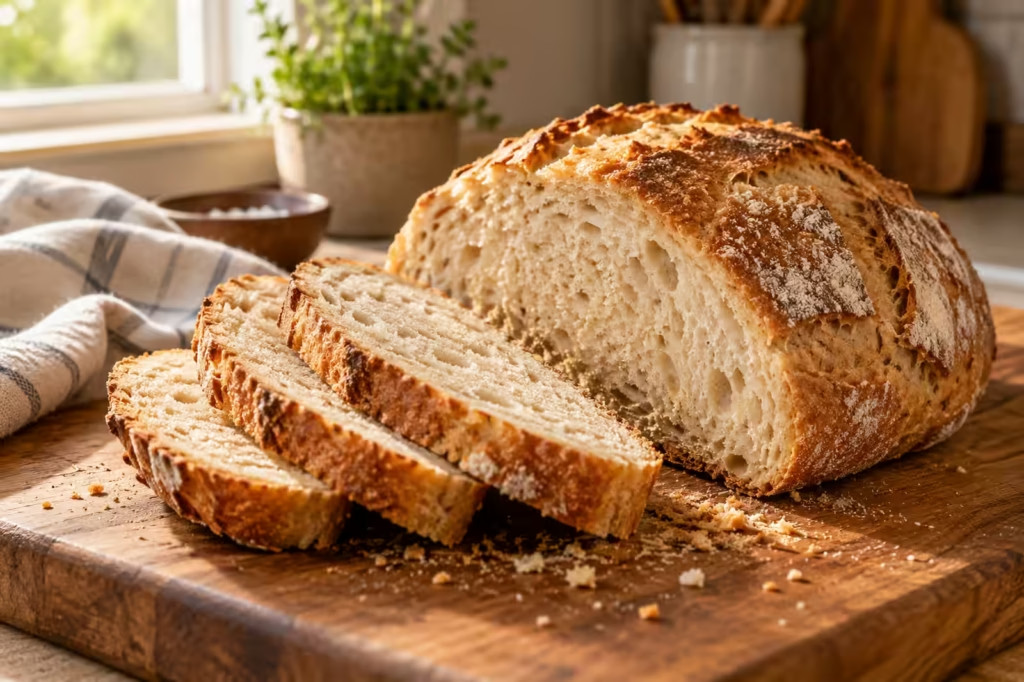
Gluten-free bread has improved enormously, but the shelf can still feel like a gamble. One loaf bends, another crumbles, and a third looks wholesome while offering very little fiber or protein. I like to separate the choice into three questions: Is it truly gluten-free for your needs? Does the ingredient list build a good loaf? And will you actually enjoy eating it?
The best gluten-free bread is not the loaf with the loudest health claims—it is the one that is safe for your needs, satisfying on the label, and good enough to finish.
What makes bread gluten-free
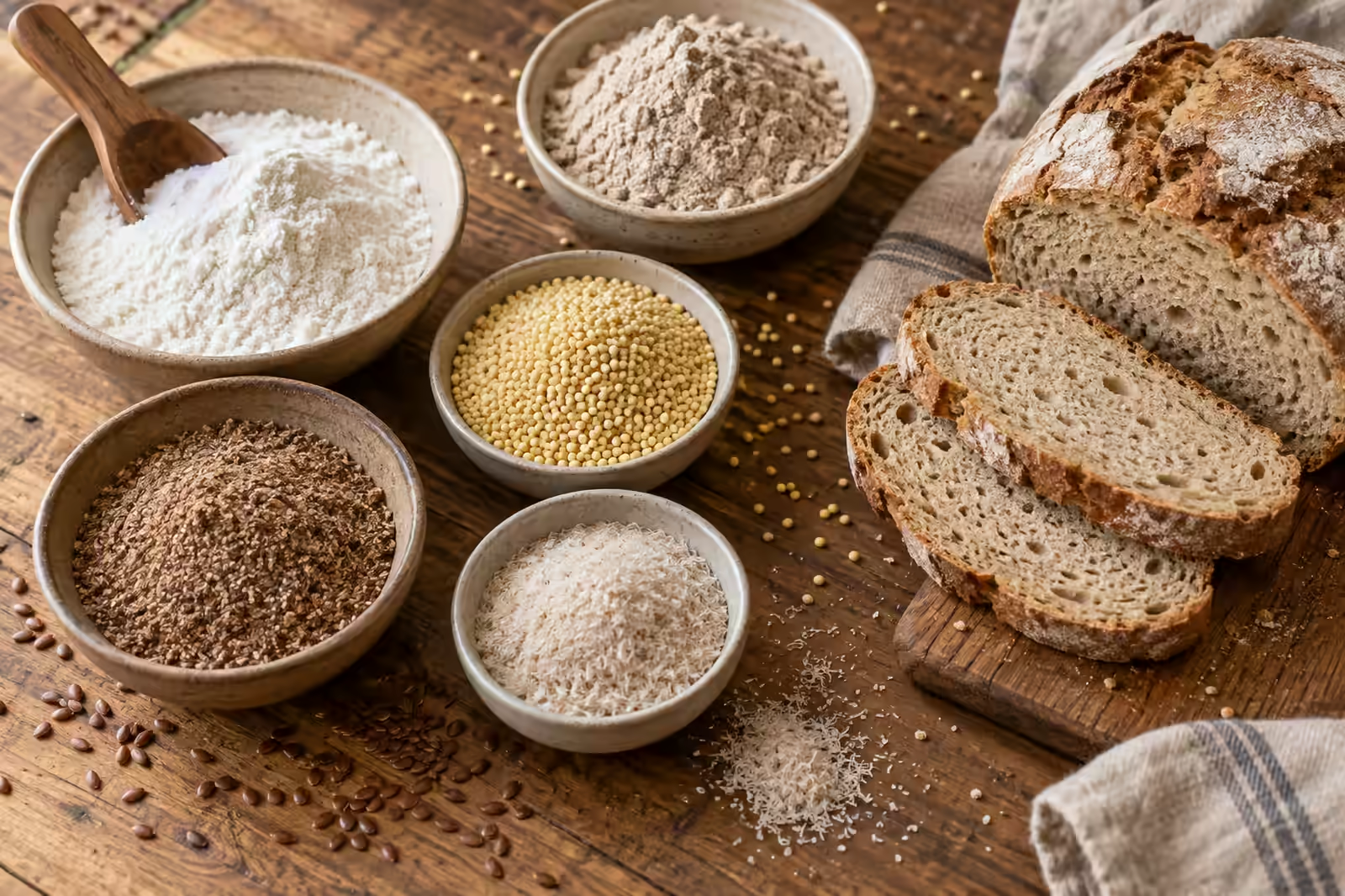
Conventional bread depends on gluten, a network of proteins in wheat that traps gas and creates stretch. Gluten is also found in barley and rye. Gluten-free bread replaces those grains with ingredients such as rice, corn, sorghum, millet, buckwheat, certified gluten-free oats, tapioca, potato starch, or nut and seed flours.
Because those flours do not form gluten, bakers need another way to create structure. Psyllium husk, xanthan gum, guar gum, eggs, flax, chia, and starches can help hold water and keep a slice together. The combination—not a single miracle flour—usually determines whether the loaf is springy, dense, tender, or fragile.
A bread can be wheat-free without being gluten-free, and ordinary oats may pick up gluten during growing or processing. If you have celiac disease, I would look for an explicit gluten-free label and follow the level of certification and cross-contact caution recommended by your care team.
Why the ingredients change texture and taste
Rice flour and starch-heavy blends can make a mild, pale loaf, while sorghum, buckwheat, teff, seeds, or certified oats may bring deeper flavor. Psyllium can add flexibility and moisture; eggs may improve lift and richness. Many commercial loaves combine several of these because each solves a different piece of the texture puzzle.
Gluten-free dough often holds more water and behaves more like thick batter than wheat dough. That is why a loaf can seem gummy when warm and become much cleaner after cooling completely. Packaged slices often taste best toasted, which restores a crisp edge and wakes up flavor after refrigeration or freezing.
I do not judge the loaf by color alone. Molasses or caramel color can make bread look whole-grain, while a pale loaf may contain useful fiber from psyllium or seeds. Ingredients and Nutrition Facts tell the fuller story.
- For softness: look for a balanced blend rather than starch as nearly the whole formula.
- For more character: try sorghum, buckwheat, teff, seeds, or certified gluten-free oats.
- For bending without crumbling: psyllium, gums, flax, chia, or eggs may help.
- For allergies: check separately for egg, milk, soy, sesame, and nuts; gluten-free does not mean allergen-free.
How to compare gluten-free bread nutrition
Compare equal serving sizes, because one brand may call one slice a serving and another may list two. I check fiber, protein, sodium, added sugar, and whether the product is enriched or fortified. Some gluten-free breads are nutrient-dense; others rely mostly on refined starch. Neither the price nor the rustic appearance guarantees the stronger label.
Fiber matters because a strict gluten-free diet can become low in whole grains and fiber if most replacements are refined. Beans, lentils, fruit, vegetables, nuts, seeds, brown rice, quinoa, and certified gluten-free whole grains can fill that gap even when your favorite sandwich bread is not especially high in fiber. Our guide to prebiotics and probiotics explains why different fiber-rich foods matter to the gut.
Gluten-free bread is not automatically lower in carbohydrate or calories, and it is not a health upgrade for someone who does not need to avoid gluten. It is a practical substitute. I choose it for safety first, then build a satisfying meal around it rather than expecting the bread label to do everything.
Storage and serving that improve the loaf
Gluten-free bread can stale quickly, so storage makes a noticeable difference. Follow the package instructions. If you will not finish it soon, separate the slices and freeze them in a well-sealed bag; toast straight from frozen or thaw only what you need. That protects texture and reduces waste.
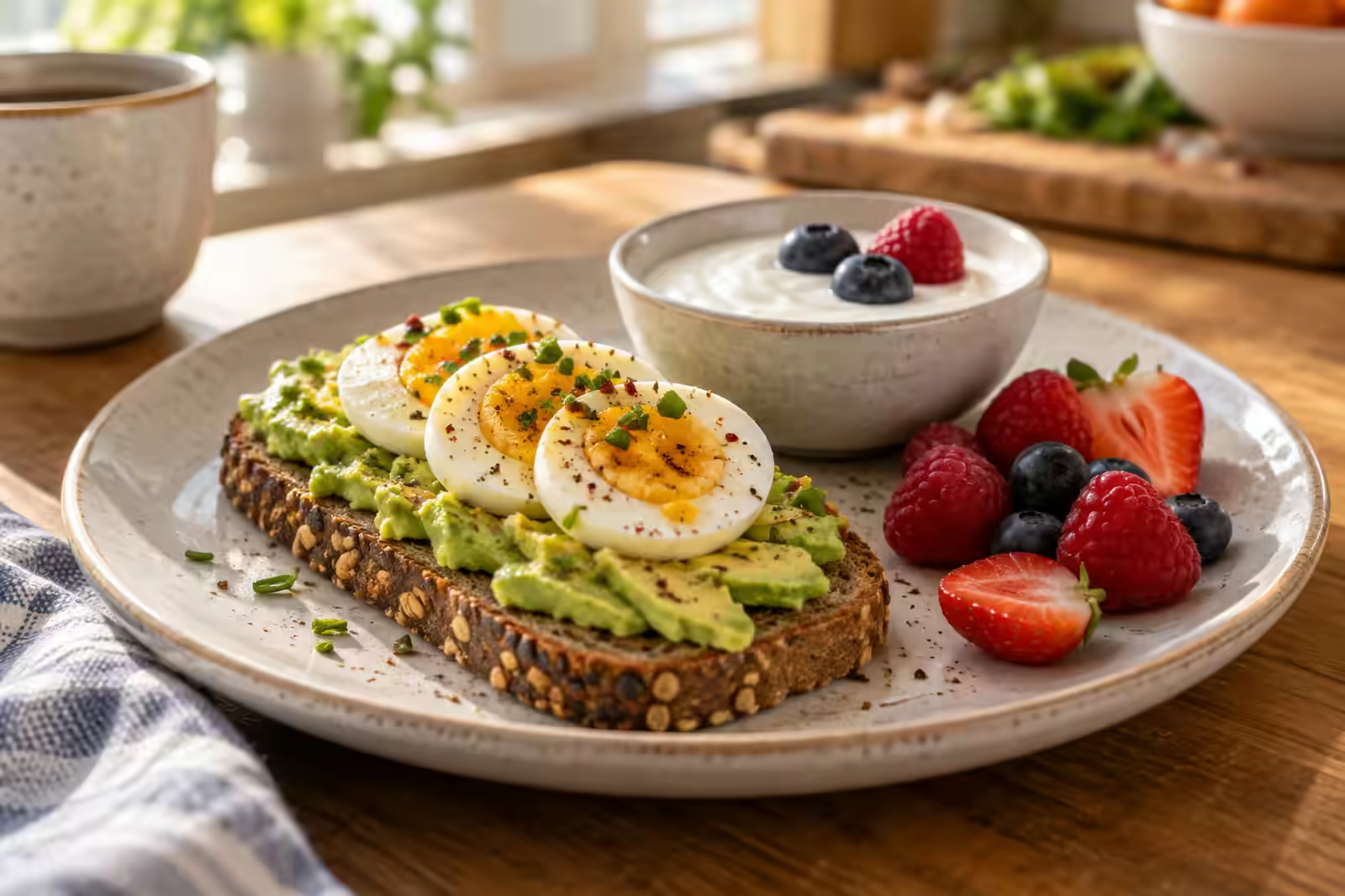
- Toast slices and top with egg, avocado, tomatoes, or nut butter.
- Use sturdier slices for grilled sandwiches and softer slices for simple toast.
- Turn dry heels into breadcrumbs, croutons, or a breakfast bake.
- Keep a dedicated toaster or toaster bag when household cross-contact is a concern.
- Pair the bread with protein, produce, and a flavorful spread for a more complete meal.
If beer is also on your gluten-free list, remember that label language changes with the product: our gluten-free beer guide explains why beer made from gluten-free grains is not the same as barley beer treated to remove gluten. For bread, the calm formula is similar—verify the claim, read the ingredients, and choose the version that serves both your body and your appetite.
Sources
- U.S. Food and Drug Administration: “Gluten-Free” Means What It Says
- National Institute of Diabetes and Digestive and Kidney Diseases: Eating, Diet, and Nutrition for Celiac Disease
- USDA MyPlate: Grains

Hi, I’m Laura, the voice behind Tastiva. I’ve always believed that eating well should feel enjoyable, comforting, and realistic—not like another complicated rule to follow. I love creating recipes that fit into everyday life, sharing simple nutrition ideas, and finding small ways to make meals feel a little better without losing the pleasure of good food.