
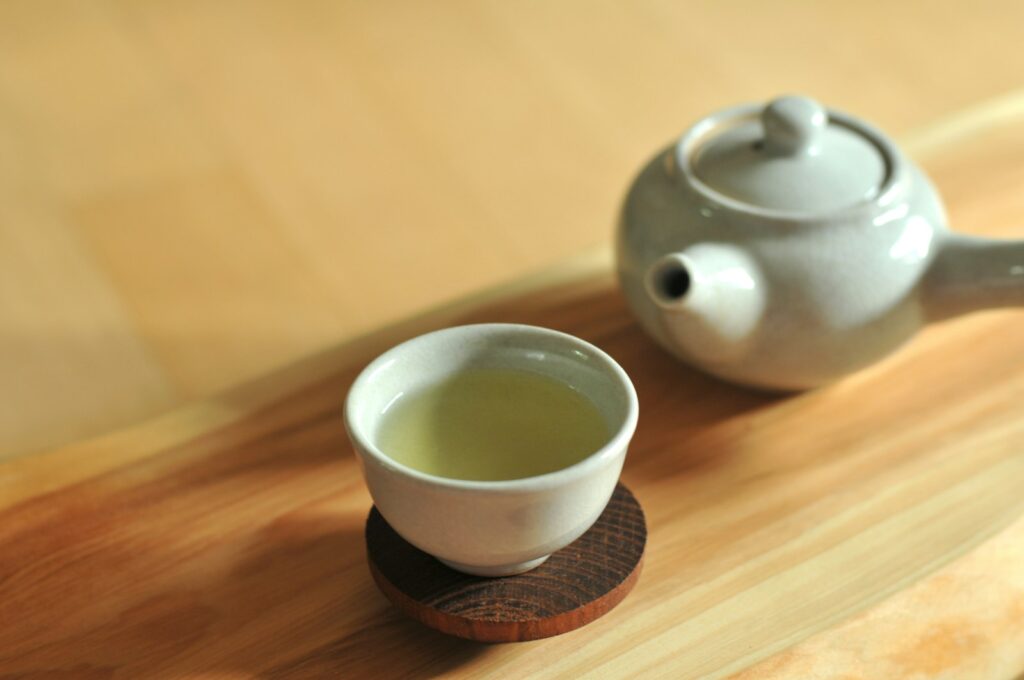
Japanese green tea covers much more than matcha. Sencha can taste fresh and brisk, gyokuro brings a concentrated savory character, and hojicha offers a roasted aroma with an amber-colored cup. Choosing a style you enjoy, then following its brewing directions, matters more than finding one supposedly perfect green tea.
If your green tea tastes too bitter, give the leaves another chance. The tea style, water temperature, and steeping time all deserve a look before you give up on the bag.
Get to Know Five Japanese Tea Styles
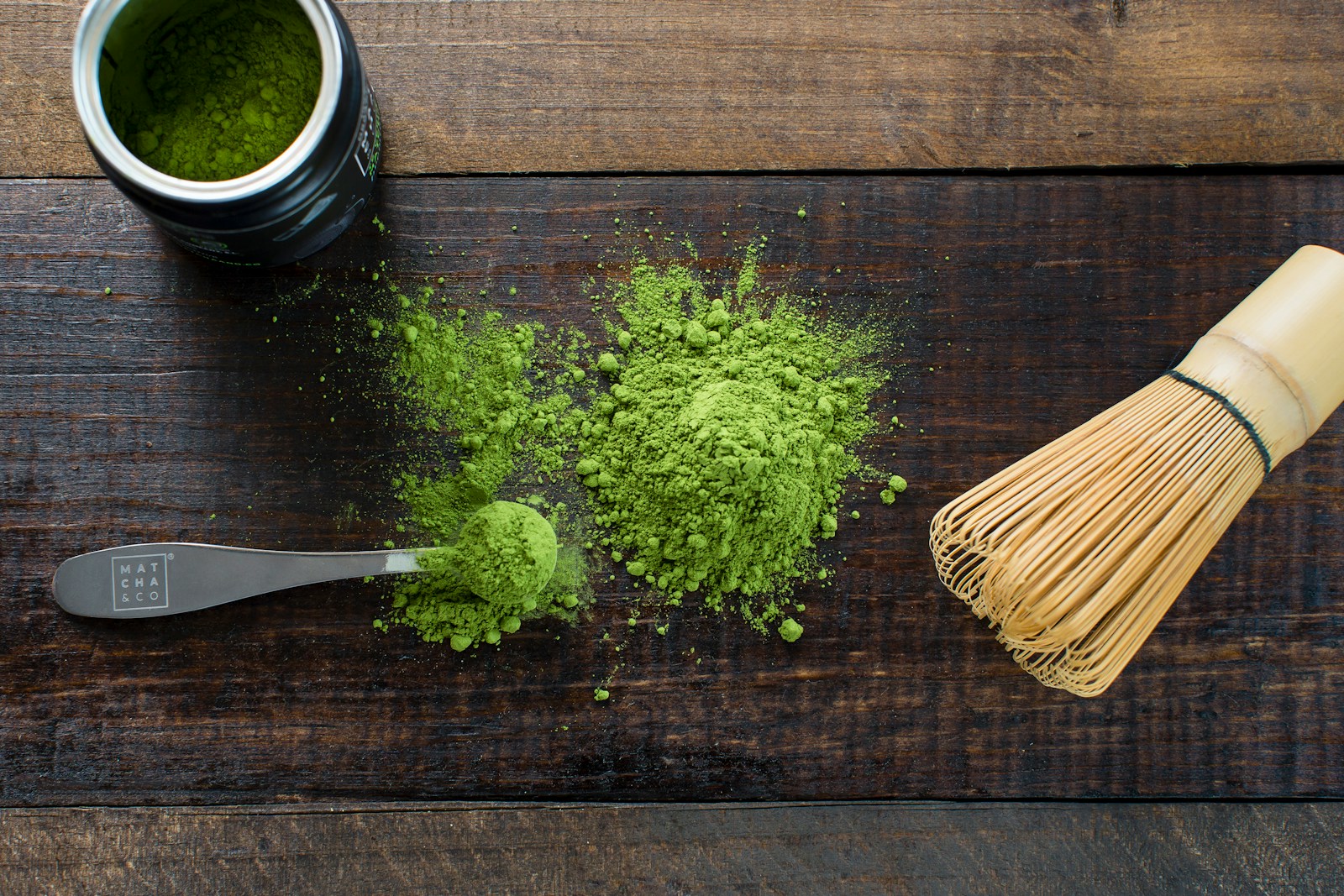
Green tea comes from Camellia sinensis, the same plant used for black and oolong tea; processing creates the differences. Within Japanese tea, growing conditions, roasting, blending, and whether leaves are powdered create another set of choices. You do not need to memorize every term before buying a small packet. Start with the flavor that sounds good to you. NCCIH green tea overview.
| Style | What distinguishes it | A useful place to start |
|---|---|---|
| Sencha | Leaf tea with a balance of freshness, umami, and astringency | When you want a classic green tea flavor |
| Gyokuro | Shade-grown leaf tea known for concentrated umami | When you enjoy a savory tea in small servings |
| Matcha | Shade-grown leaves ground into powder | When you want to whisk the tea into water or prepare a latte |
| Hojicha | Roasted tea leaves and sometimes stems; typically an amber brew | When toasted aromas appeal more than grassy notes |
| Genmaicha | Green tea blended with roasted rice | When you like a toasty aroma alongside green tea flavor |
These descriptions are a starting map, not a promise that every packet tastes identical. Ippodo's Hosen sencha emphasizes balance, while its Kanro gyokuro emphasizes umami. Its hojicha and genmaicha illustrate two different ways to get roasted aromas: roasting the tea itself or adding roasted rice.
Matcha needs a separate approach because you drink the suspended powder instead of straining out infused leaves. Check whether a product is plain matcha or a sweetened drink mix. Both can have a place in the kitchen, but a spoonful of one will not behave like a spoonful of the other. Ippodo matcha collection.
Match the Water and Timing to the Leaves
There is no single temperature for every Japanese green tea. The examples below come from Ippodo's directions for the named products. They are concentrated producer preparations, not universal ratios for every brand or every mug. Follow your own packet first; use the comparison to understand why a delicate gyokuro and a roasted hojicha may need different treatment.
| Ippodo tea | Dry tea | Water | Temperature | First steep |
|---|---|---|---|---|
| Hosen sencha | 10 g | 210 mL | 80°C / 176°F | 60 seconds |
| Kanro gyokuro | 10 g | 80 mL | 60°C / 140°F | 90 seconds |
| Gokujo hojicha | 10 g | 240 mL | 100°C / 212°F | 30 seconds |
| Gokujo genmaicha | 10 g | 240 mL | 100°C / 212°F | 30 seconds |
The gyokuro example makes a small, intense serving. Do not mistake its 80 mL of water for a full mug or automatically apply that ratio to another tea. Weighing leaves also avoids a common problem: fluffy roasted leaves occupy more spoon space than compact sencha. A kitchen scale is helpful, but a packet's spoon measure is perfectly reasonable when that is what you have.
Use a roomy infuser or teapot that lets you remove or drain the leaves when the timer ends. If a cup tastes too sharp, try a shorter steep or cooler water next time, changing one thing at a time. If it seems weak, first check the amount of tea and water. A small note on the packet can save you from repeating the same disappointing cup tomorrow.
Choose a Format That Fits Your Day
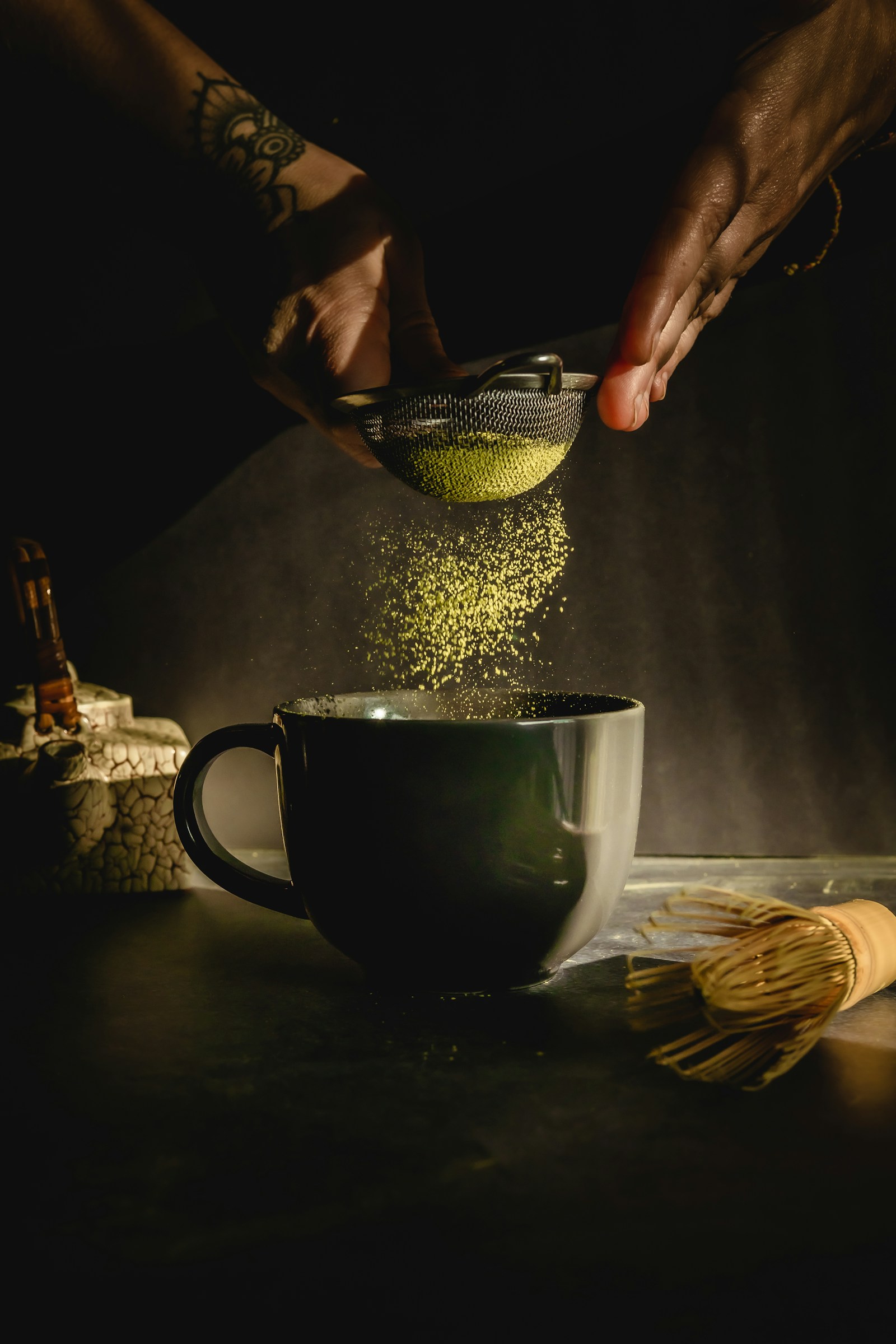
Loose leaves give you room to adjust quantities and compare brews. Tea bags are convenient at work or when washing a teapot sounds like too much effort. Matcha requires mixing rather than an infuser. None of those formats is automatically the right one for every person; the useful choice is the one you will actually prepare and enjoy.
Read the ingredient list along with the tea name. A genmaicha may include matcha, and a powdered drink may include sugar or other ingredients. Look for clear brewing directions and an amount you can use while the aroma still appeals to you. When trying an unfamiliar style, a smaller packet makes more sense than committing to a large tin because the price per gram is lower.
For a first comparison, choose two styles with an obvious difference, such as sencha and hojicha. Make each according to its own directions, then notice the aroma, the finish, and whether you want another sip. There is no need to force yourself to enjoy intense umami because a tea is prized, or to reject a roasted tea because its color is brown.
Keep Your Everyday Cup Enjoyable
Green tea contains caffeine. Do not assume a roasted flavor, a pale cup, or the word gentle on a package means caffeine-free. The amount depends on the tea and preparation, so avoid assigning one fixed number to an entire style. If caffeine affects your sleep, pay attention to serving size and timing. Tastiva's guide to caffeine in matcha explains why powdered tea needs its own comparison.
Store tea tightly closed, away from moisture, heat, and strong kitchen odors. Use a dry spoon and return the packet to its container after measuring. These small habits are easier to keep than an elaborate tea setup, and they keep the experience pleasantly simple. Follow any storage directions supplied with your tea.
Enjoy tea as a drink rather than a treatment. Research on concentrated green tea extracts does not establish that an everyday cup prevents disease, and extract supplements have different risks. If you need to limit caffeine during pregnancy or because of a medical plan, ask your clinician what fits your situation. Your tea can simply be something warm, aromatic, and worth a quiet few minutes. NCCIH guidance.
Sources
- Ippodo: Hosen Sencha and Brewing Directions
- Ippodo: Kanro Gyokuro and Brewing Directions
- Ippodo: Gokujo Hojicha
- Ippodo: Gokujo Genmaicha
- Ippodo: Matcha
- NCCIH: Green Tea, Usefulness and Safety

Hi, I’m Laura, the voice behind Tastiva. I’ve always believed that eating well should feel enjoyable, comforting, and realistic—not like another complicated rule to follow. I love creating recipes that fit into everyday life, sharing simple nutrition ideas, and finding small ways to make meals feel a little better without losing the pleasure of good food.