
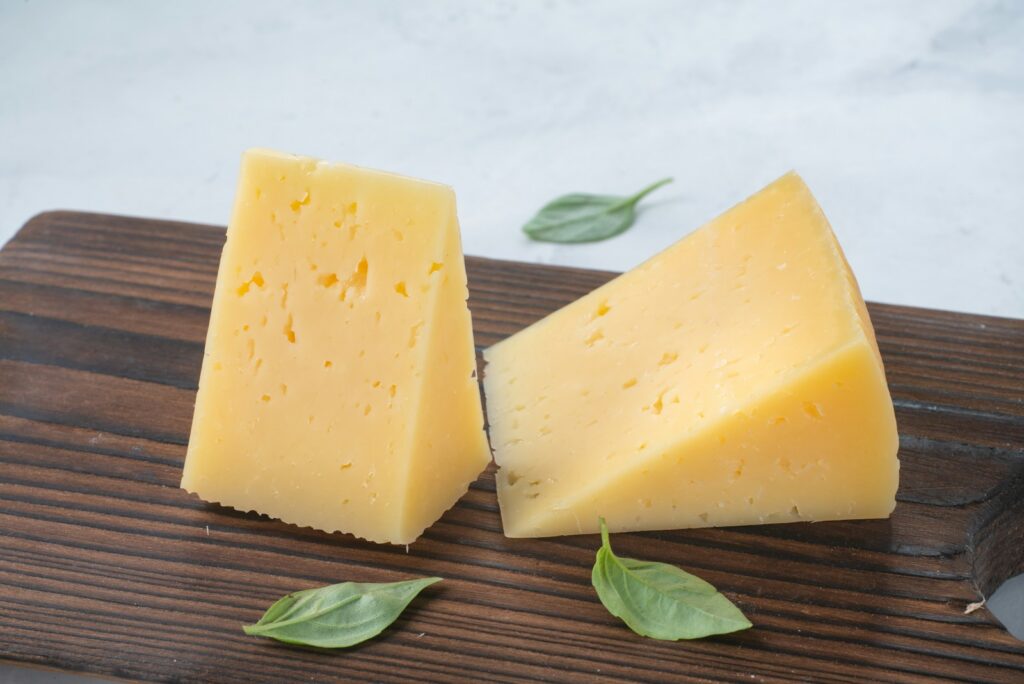
Low fat cheese can help you reduce the fat in a meal while keeping cheese on the plate, but the label deserves a closer look. Low fat, reduced fat, part skim, and fat free do not mean the same thing. Portion size, protein, sodium, and how the cheese works in your food are useful parts of the decision too.
Start with the job you want your cheese to do. A spoonful of cottage cheese, a sandwich slice, and a melting pizza topping need different things from the dairy aisle.
What the Fat Claims Actually Mean
In the United States, low fat and reduced fat are regulated claims. Reduced fat means at least 25% less fat than an appropriate reference food; it does not automatically qualify a cheese as low fat. For foods with a reference amount of 30 grams or less, the low-fat rule includes a limit of 3 grams of fat per 50 grams, as well as the reference-amount limit. That is why checking only whether a small serving has 3 grams of fat can mislead. Federal nutrient-content claim rules.
| Label wording | What it tells you | What it does not settle |
|---|---|---|
| Low fat | The product must meet applicable federal fat limits | Whether you prefer its flavor or texture |
| Reduced fat | At least 25% less fat than the reference food | Whether it is also low fat or lower in sodium |
| Fat free | Less than 0.5 g fat per reference amount and labeled serving | That the food contains literally no fat |
| Part skim | A description associated with the milk used | Whether the finished cheese meets the low-fat claim |
The front of the package is a quick introduction. Turn it over for the actual comparison. If one label lists a thin slice and another lists a larger slice, compare equal weights before deciding which contains less fat. Then look at the portion you are likely to put in your sandwich or sprinkle over dinner.
Compare Real Portions, Not Just Cheese Names
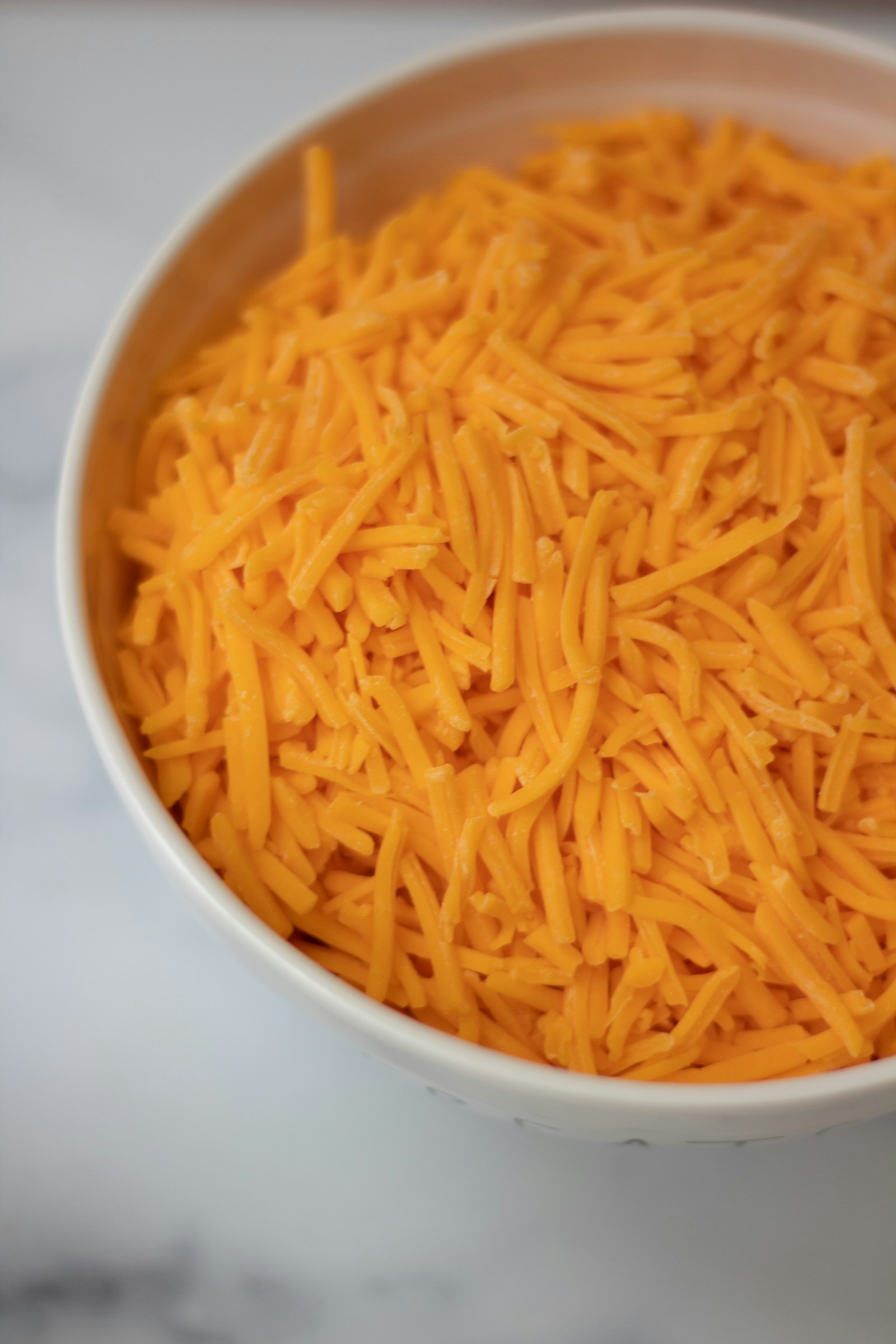
The examples below use generic USDA FoodData Central records. They describe reference foods, not every brand on the shelf. The first three portions are 28 grams, about 1 ounce; cottage cheese uses a larger 113-gram portion, roughly half a cup. That difference is deliberate because the foods are commonly used differently, but it means this is not an equal-weight ranking.
| Cheese and portion | Calories | Total fat | Protein | Sodium |
|---|---|---|---|---|
| Regular cheddar, 28 g | 113 | 9.3 g | 6.4 g | 183 mg |
| Reduced-fat cheddar, 28 g | 88 | 5.7 g | 7.7 g | 176 mg |
| Part-skim mozzarella, 28 g | 71 | 4.5 g | 6.8 g | 173 mg |
| Cottage cheese, 1% milkfat, 113 g | 81 | 1.2 g | 14.0 g | 459 mg |
The reduced-fat cheddar has less fat than regular cheddar in these records, while the sodium values are fairly close. Cottage cheese supplies substantial protein in the listed portion, but that portion also contains more sodium than the smaller portions of the other cheeses. This is the sort of tradeoff a single low-fat claim cannot show. Values are calculated from USDA amounts per 100 grams and rounded; use your product label for shopping.
Saturated fat is worth checking alongside total fat. For the same 28-gram portions, these USDA records provide about 5.3 grams in regular cheddar, 3.5 grams in reduced-fat cheddar, and 2.8 grams in part-skim mozzarella. You do not need to memorize the table. It simply shows why equal portions and more than one nutrient make a better comparison. USDA cheddar, reduced-fat cheddar, part-skim mozzarella, and 1% cottage cheese.
Choose Cheese for the Way You Will Use It
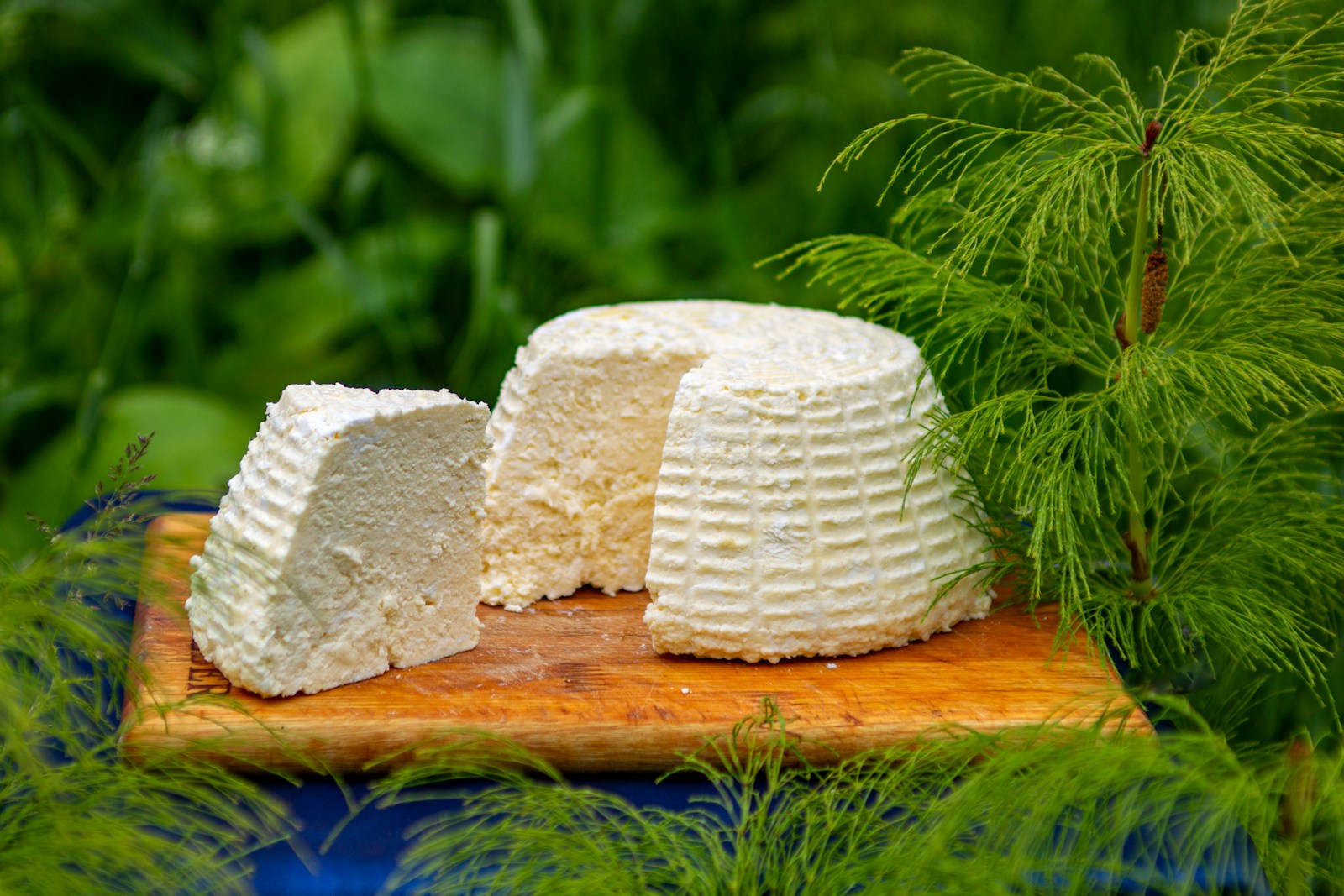
For a cold lunch, melting behavior does not matter much. A cheese you enjoy sliced, cubed, or spooned onto a plate may be an easy choice. Pair cottage cheese with tomatoes and pepper if you like savory food, or fruit if that sounds better. Think of these as serving ideas, not a requirement to replace every familiar cheese in your fridge.
Hot dishes need a little more care. Lower-fat cheese can behave differently as it melts, and high heat may make the difference more noticeable. Sargento advises gentler heating for its reduced-fat cheeses. Follow your recipe and product directions, and add a topping near the end when appropriate instead of expecting it to withstand prolonged heat. Sargento cheese FAQ.
- For pizza: consider part-skim mozzarella if you like its texture, and check the exact product label.
- For sandwiches: compare slices of the same weight and choose a flavor you enjoy with the filling.
- For a bowl or baked potato: cottage cheese offers a spoonable option; keep its sodium in the comparison.
- For a finishing touch: a smaller amount of a strongly flavored cheese may give you the result you want.
Build a Shopping Habit You Can Keep
Choose two products you would actually eat and compare their serving sizes, saturated fat, sodium, and protein. The Nutrition Facts label helps you see those details together; its listed serving is not an instruction about how much you must eat. If you use twice that amount, account for twice the listed nutrients. FDA label guide.
Price, waste, and satisfaction belong in the decision. A large reduced-fat bag is not much of a bargain if you dislike it and leave it untouched. Try a small package first, or keep different cheeses for different meals. Tastiva's feta cheese guide is useful when you want to compare a crumbly, salty style with the slices and shreds in this guide.
Lower fat also does not mean dairy-free or automatically lactose-free. Check ingredients and any specific dietary claims you need. If you have a prescribed nutrition plan, compare products against that plan rather than a general list. For everyday shopping, the goal is straightforward: understand the label, choose an amount that works in the meal, and bring home cheese you look forward to eating.
Sources
- eCFR: Fat and Fatty Acid Content Claims
- USDA: Regular Cheddar
- USDA: Reduced-Fat Cheddar
- USDA: Part-Skim Mozzarella
- USDA: Cottage Cheese, 1% Milkfat
- FDA: Understanding the Nutrition Facts Label
- Sargento: Frequently Asked Questions

Hi, I’m Laura, the voice behind Tastiva. I’ve always believed that eating well should feel enjoyable, comforting, and realistic—not like another complicated rule to follow. I love creating recipes that fit into everyday life, sharing simple nutrition ideas, and finding small ways to make meals feel a little better without losing the pleasure of good food.