
Kale has the reputation of a vegetable that asks you to work for dinner, but most of its toughness comes down to preparation. Strip the stems, cut the leaves to suit the cooking method, and give this sturdy green enough salt, fat, acid, and heat. The result can be tender, savory, and deeply green—not a dutiful pile of leaves.
Cut kale for the dish you are making, then balance its earthy flavor with brightness and a little richness.
What kind of kale should you buy?
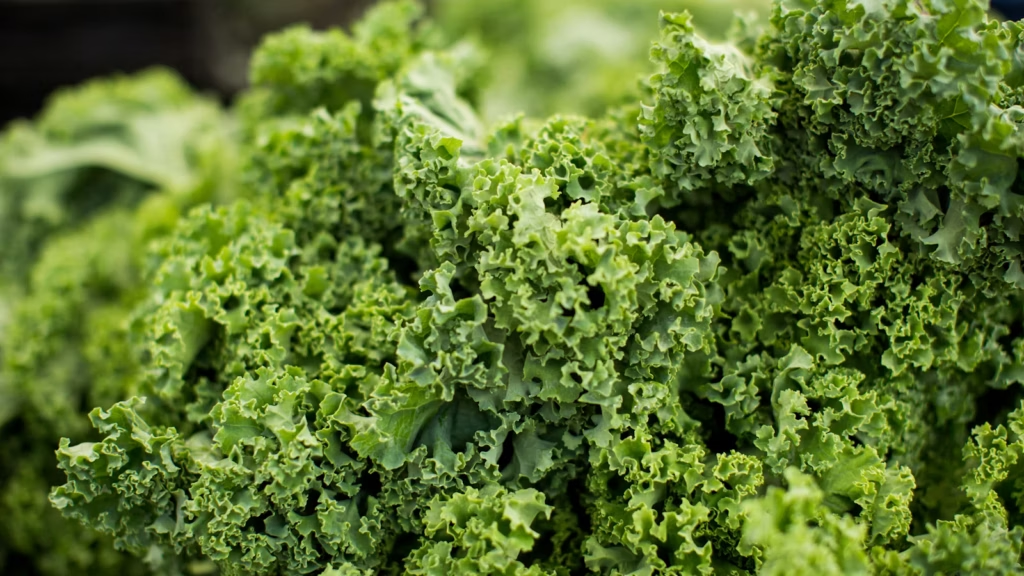
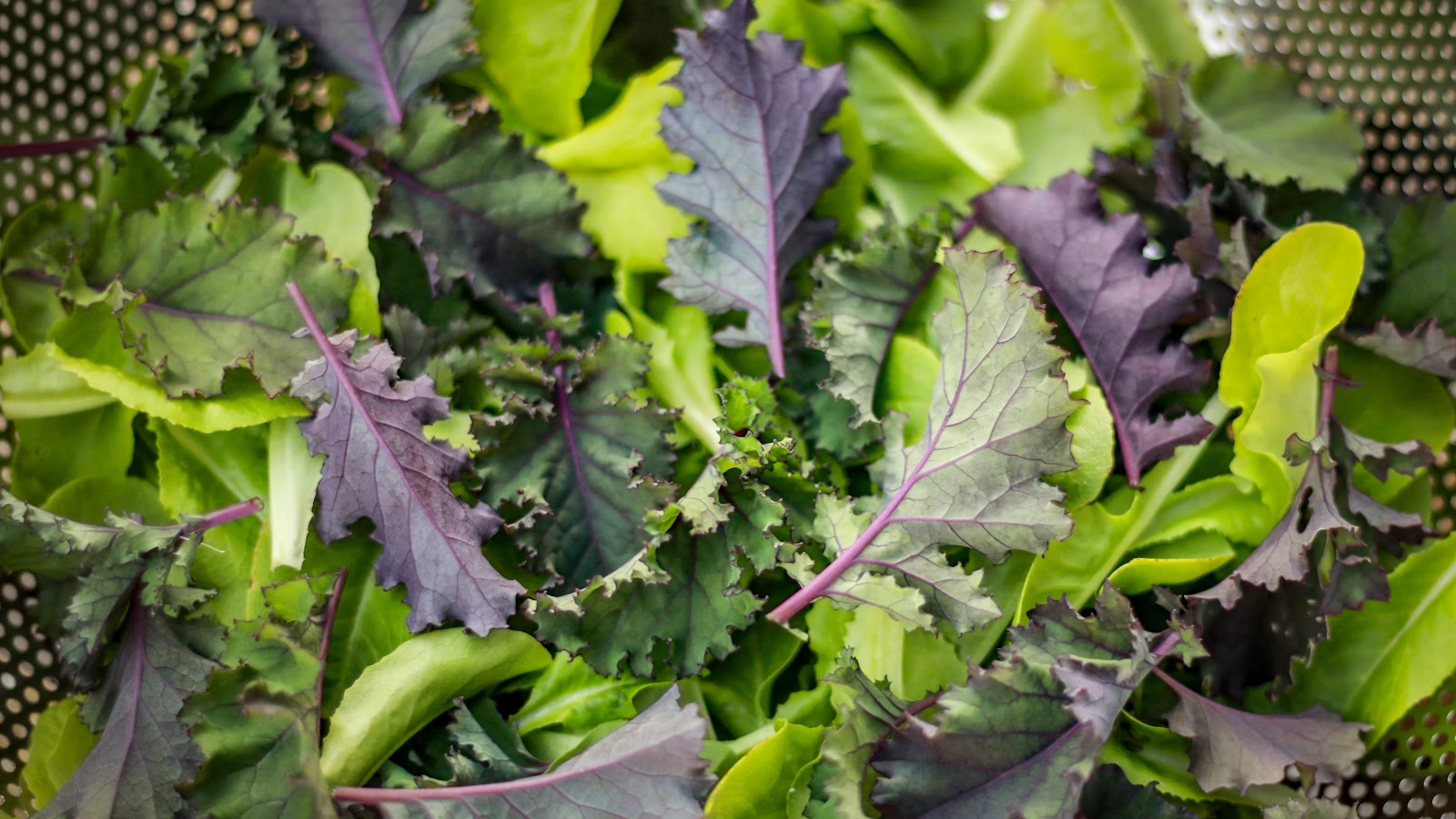
Curly kale is the supermarket regular: frilly, sturdy, and excellent for roasting or sautéing. Lacinato kale—also called Tuscan, dinosaur, or cavolo nero—has long blue-green leaves and a slightly sweeter, more supple texture after cooking. Red Russian kale is usually tenderer, with flat, lobed leaves that work especially well in salads and quick sautés.
Choose bunches with crisp leaves, lively color, and no sour smell. A few small holes are cosmetic; wet, yellowing, or slimy patches are not. Bigger leaves are not automatically tougher, but thick central ribs need more cooking time than the leafy parts. If a bunch looks enormous, remember that kale collapses dramatically in the pan.
- For salads: choose baby kale or tender Red Russian leaves.
- For soups and braises: curly or lacinato kale both hold their shape.
- For crisp chips: curly leaves provide plenty of edges, but they must be thoroughly dry.
How to prep kale so it cooks well
Rinse loose leaves under cool running water and rub away any grit, then dry them in a salad spinner or with a clean towel. FoodSafety.gov advises washing produce with water, not soap or household disinfectants. Prewashed packaged greens generally do not need another rinse unless the label says otherwise.
To remove a tough stem, hold the base with one hand and pull the leaf away with the other, or fold the leaf and slice along the rib. Save the stems if you like: thinly sliced, they can cook with onions at the start of a soup or sauté. Stack the leaves and slice them into ribbons for pasta and bowls, or tear them into larger pieces for roasting.
Raw kale benefits from a brief massage. Add a pinch of salt and a teaspoon of olive oil or lemon juice, then squeeze and turn the leaves for one to two minutes. Stop when they darken and soften; prolonged kneading can make a salad limp. Dress it before serving or build it into our vegetarian fall meal plan when you want a green that can survive lunch prep.
The best ways to cook kale
For a fast side dish, warm olive oil in a wide skillet, soften sliced garlic, add the kale with a splash of water, and cover for two minutes. Uncover, season, and cook until the leaves are tender and the excess water has evaporated. Lemon, vinegar, chile flakes, Parmesan, toasted nuts, or a spoonful of white beans all make sense here.
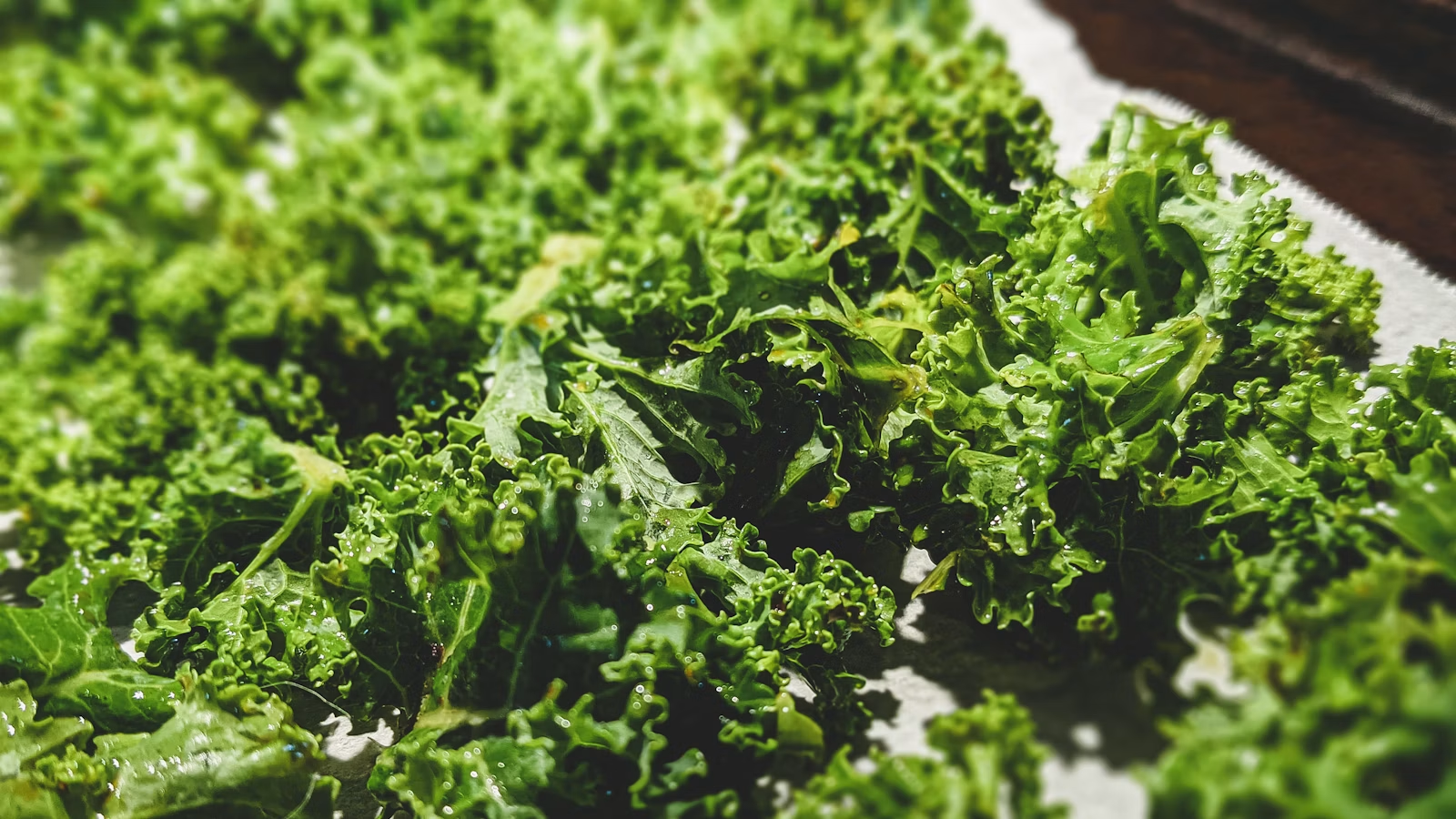
In soups, add chopped kale during the final 10 to 15 minutes so it becomes tender without dissolving. For a braise, give it longer with stock, tomatoes, or beans. To roast chips, dry every leaf, use only a light film of oil, spread the pieces in one layer, and watch the final minutes closely. Steam escaping from crowded leaves is the enemy of crispness.
- Sauté: ribbons or bite-size pieces, 5 to 8 minutes.
- Simmer: chopped leaves, roughly 10 to 15 minutes.
- Roast: dry torn leaves at 300°F to 325°F until crisp, checking often.
- Freeze: blanch first, cool in ice water, drain well, and pack airtight.
How to use and store kale
Kale brings texture to grain bowls, frittatas, bean soups, pesto, pasta, and smoothies. I prefer it where there is something creamy, juicy, or crisp beside it; a plate of plain steamed kale feels unfinished. Pair it with roasted squash, eggs, lentils, citrus, tahini, cheese, or a punchy vinaigrette. Its sturdy leaves also fit naturally into the vegetable-heavy dinners in our paleo meal plan.
Keep unwashed kale loosely wrapped in the refrigerator with a paper towel to absorb excess moisture, then wash it just before use. If it wilts slightly, a short soak in ice water can revive it; discard leaves that are slimy or smell off. Cooked kale should be cooled promptly, stored covered, and reheated only as much as you plan to eat.
Kale contributes fiber and several micronutrients, including vitamins C and K, but the exact amount depends on the variety, portion, and preparation. USDA FoodData Central is the better place for specific nutrient values than sweeping “superfood” claims. If you take warfarin or another vitamin K–sensitive medication, ask your clinician how to keep your intake consistent rather than abruptly changing it.
Bluebell Recipes demonstrates pan-fried kale with potatoes. It adds potatoes and warm spices to the greens, so it is a more substantial variation on the simple kale side described above.
Sources
- USDA FoodData Central: food composition data
- FoodSafety.gov: safe ways to handle and clean produce
- FoodSafety.gov: four steps to food safety
- University of Minnesota Extension: blanching vegetables

Hi, I’m Laura, the voice behind Tastiva. I’ve always believed that eating well should feel enjoyable, comforting, and realistic—not like another complicated rule to follow. I love creating recipes that fit into everyday life, sharing simple nutrition ideas, and finding small ways to make meals feel a little better without losing the pleasure of good food.