
A place with a bar counter and an alcohol-free menu can sound like a straightforward alternative to a pub. A kava bar typically serves drinks made with kava, a plant from the South Pacific, often in a social café or lounge setting. Alcohol-free doesn't mean free of active ingredients, though, and kava has safety concerns worth understanding before you order.
A welcoming atmosphere and a clear ingredient list should go together; you can enjoy the social space without choosing an unfamiliar botanical drink.
What makes a kava bar different from an ordinary café
Kava, also called kava kava, comes from Piper methysticum, a member of the pepper family. Its beverages have a long history in Pacific Island communities. Contemporary commercial kava bars are varied businesses, so a modern lounge menu shouldn't be treated as a complete representation of those cultural traditions.
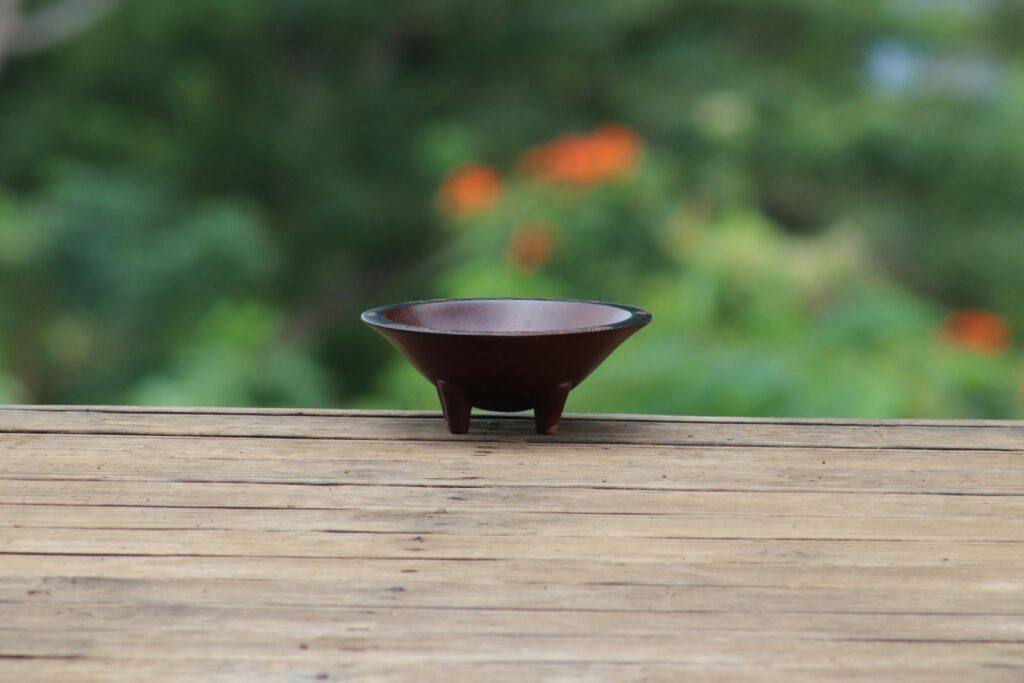
Traditional-style drinks and commercial blends can differ in ingredients, preparation, and concentration. A serving may arrive in a bowl, shell-style cup, or glass, depending on the venue. The container doesn't establish a standardized amount, and one business's “single serving” isn't necessarily equivalent to another's.
I would treat the menu as an invitation to ask questions, not a promise about how you will feel. Some venues also offer tea, coffee, or other botanical beverages. A calm room can be pleasant in its own right; there is no need to make a health claim about the drink to explain why people gather there.
Read the ingredients behind the drink's name

A menu name such as “relax,” “social,” or “botanical” doesn't identify the contents. Ask whether a drink contains traditionally prepared kava, a concentrated extract, another active ingredient, or a combination. Flavorings and sweeteners may change taste without making the underlying product less active.
| Menu item or description | What to establish before ordering |
|---|---|
| Traditional-style kava | What preparation is used, what the serving contains, and whether anything else is added |
| Kava extract drink | The identity and concentration of the extract; don't assume equivalence with another drink |
| Kratom drink | Recognize that kratom is a different plant with different risks |
| A proprietary botanical blend | A complete ingredient list rather than only a brand or mood-based name |
| Tea or coffee | Whether it contains caffeine or added botanical extracts |
| An alcohol-free specialty drink | Whether it is also free of kava, kratom, and other active ingredients if that is what you want |
Kava and kratom aren't interchangeable. NCCIH describes kratom as a different plant whose compounds interact with opioid receptors; it can cause adverse effects and dependence. It hasn't been shown safe and effective for a medical use. A business serving both doesn't make their effects or safety profiles the same.
If you'd prefer a familiar tea, ask for its actual ingredients too. Tastiva's chamomile tea guide discusses that separate beverage. Choosing an ordinary drink is a complete choice, not a failed attempt to participate in the venue's main attraction.
What the health evidence and safety guidance say
NCCIH reports rare but sometimes serious or fatal liver injury linked to kava products, including some beverages prepared with water. Kava can also cause dizziness, headache, and digestive upset. Calling a product traditional, natural, or water-prepared doesn't establish that it is risk-free for an individual.
Kava should not be combined with alcohol or other substances with sedative effects, such as benzodiazepines. Anyone taking medicines should discuss kava with a healthcare professional before using it. Avoid it during pregnancy or breastfeeding because of potential risks, and don't drive or operate machinery after taking a substance that could impair you.
Research involving particular kava preparations and anxiety doesn't establish that a bar drink will treat anxiety or another health condition. Concentrations and products vary, and evidence about one preparation doesn't provide a safe serving rule for another. A bartender's description can't replace medication advice from your pharmacist or clinician.
- If you have liver disease or a history of liver problems, seek medical advice before considering kava.
- Don't combine several unfamiliar botanical products to pursue a particular effect.
- If you feel unwell after a drink, stop using it and seek medical advice; serious symptoms need urgent care.
- Avoid using kava or kratom as a substitute for prescribed treatment or as a self-directed way to manage withdrawal.
Questions that make a first visit easier to navigate

You can ask about the space before deciding what to drink. Seating, noise, accessibility, opening hours, and a menu with clearly identified ingredients are ordinary practical considerations. If you're meeting friends, choosing a time and a familiar drink can remove the pressure to decide everything at the counter.
- “Can I see the full ingredients, including extracts and any added caffeine?”
- “Do you have a drink without kava, kratom, or other botanical extracts?”
- “Is this a single ingredient preparation or a blend?”
- “What does the listed serving mean for this exact product?”
- “Can you explain the supplier's warnings and labeling?”
The answer “it's natural” isn't enough to settle those questions. My priority would be a transparent menu and staff who can distinguish ingredients without promising a medical benefit. If the information isn't available, choose something whose contents are clear. A social evening should leave room for that decision without persuasion.
Sources
- NCCIH: kava background, evidence, interactions, and safety
- NCCIH: kratom effects, uncertainty, and safety concerns
- Kava Culture: example of a contemporary kava-bar menu

Hi, I’m Laura, the voice behind Tastiva. I’ve always believed that eating well should feel enjoyable, comforting, and realistic—not like another complicated rule to follow. I love creating recipes that fit into everyday life, sharing simple nutrition ideas, and finding small ways to make meals feel a little better without losing the pleasure of good food.