
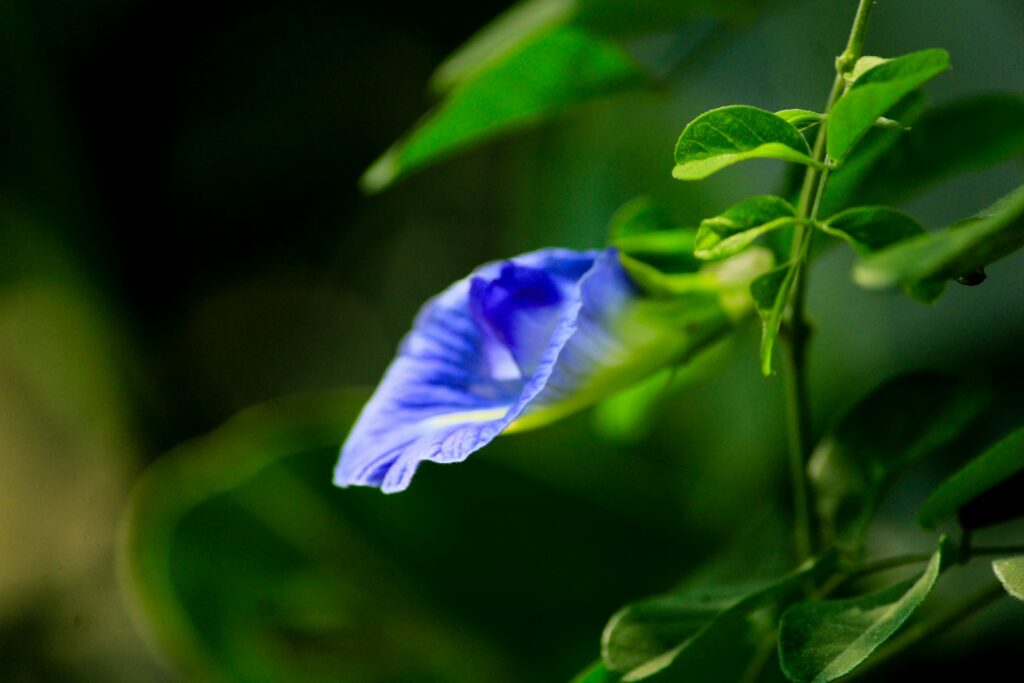
A blue cup that turns purple when you squeeze in lemon looks like a kitchen trick, but butterfly pea tea gets its color from plant pigments. It's an infusion of Clitoria ternatea flowers, and the plain flower-only drink is naturally caffeine-free. The bright color is real; claims that the tea can detox your body or treat disease need a much closer look.
Let butterfly pea tea be a colorful drink first: choose food-grade flowers, brew for flavor, and add citrus when you want that purple turn.
What butterfly pea tea is, and what it tastes like
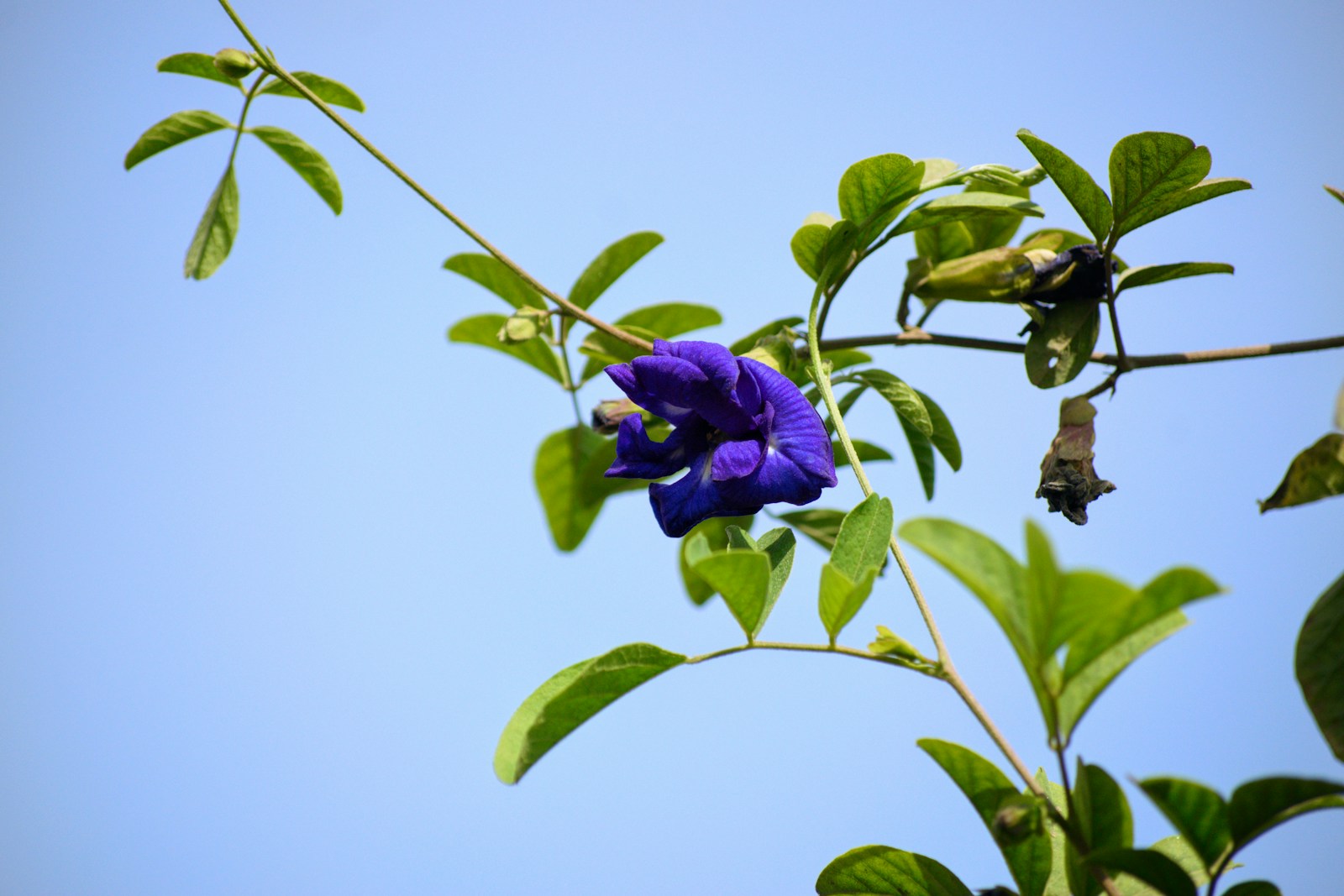
Butterfly pea is a flowering vine, and its flowers can be used to make a blue herbal infusion. It isn't tea from Camellia sinensis, the plant behind green and black tea. Products marketed as “blue matcha” may contain powdered butterfly pea flower, but that name doesn't make them the same ingredient as green matcha.
The plain infusion is usually mild and earthy rather than intensely fruity or naturally sweet. Harney & Sons describes that gentle earthiness in its flower-only product. A vivid blue color doesn't promise a blueberry flavor, so check whether a ready-made drink contains additional fruit, flavorings, or sweeteners.
I like to keep the visual appeal and the flavor expectations separate. If you want a tart drink, lemon can bring that. If you want sweetness, you'll need to choose whether and how to add it; the flower's dramatic appearance won't do that job on its own.
The color change is a response to acidity
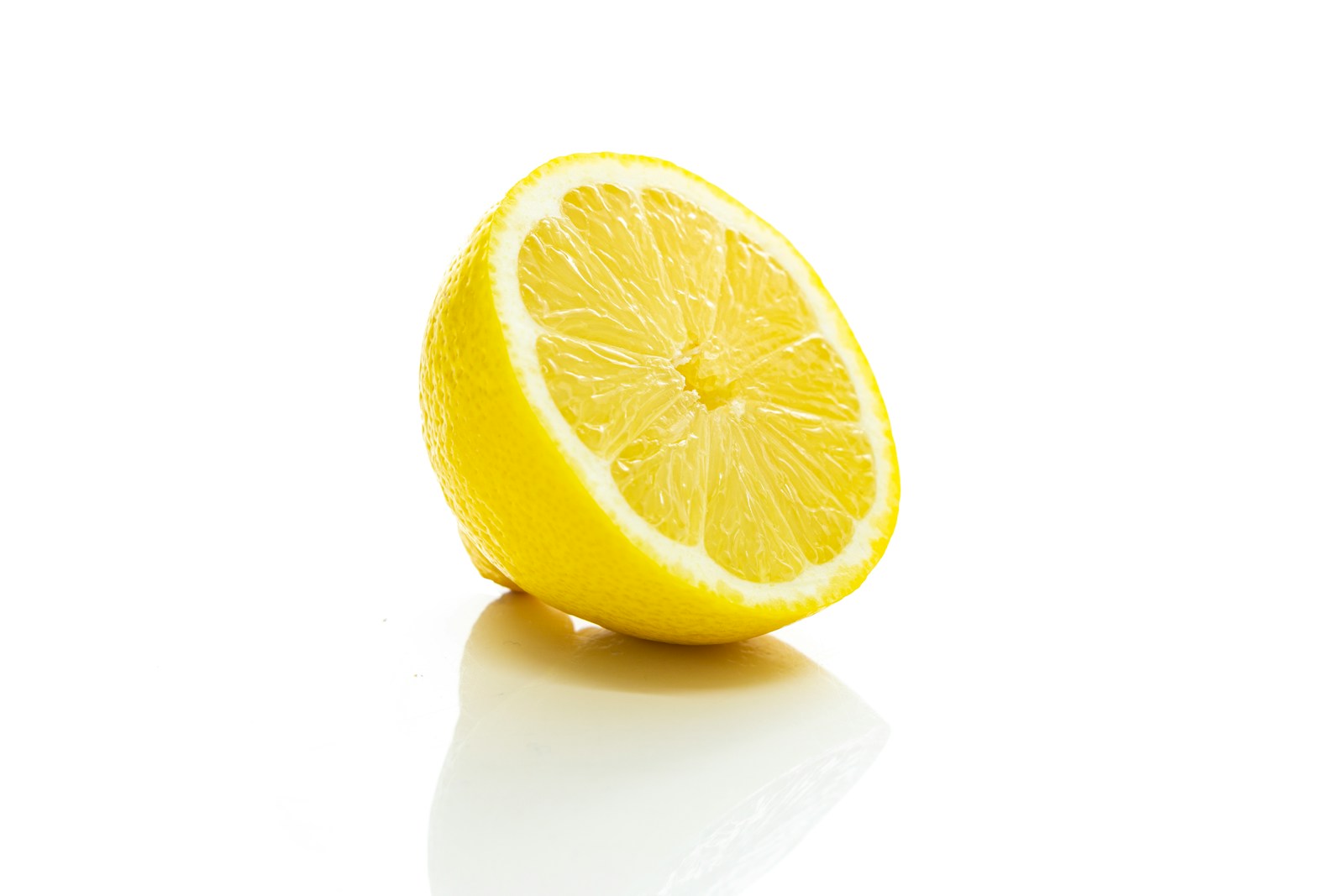
Butterfly pea flowers contain anthocyanins, plant pigments whose color changes with their chemical environment. University of Florida IFAS explains that lowering the pH with an acid such as lemon or lime juice shifts the infusion toward purple or pink. You're changing the conditions around the pigments, not activating a hidden health property.
| What changes in the cup | What you may notice | What to keep in mind |
|---|---|---|
| Lemon or lime juice | Blue shifts toward purple or pink | More citrus also changes the flavor |
| More water or melting ice | A lighter, more diluted appearance | A paler cup doesn't automatically mean poor-quality flowers |
| Different water | The starting shade may differ | Mineral content and water chemistry can affect the result |
| Milk or a milk alternative | A more opaque, pastel-looking drink | Added citrus may separate some milks; follow a suitable recipe |
Harney also notes that water source can change the brew's appearance. That is a useful reminder when your cup doesn't match a photograph. Lighting, concentration, the glass, and added ingredients all affect what the final drink looks like, so a single exact shade isn't a quality certification.
For a simple demonstration, brew the tea as directed, pour some into a clear food-safe glass once appropriate for the glass, and add a little citrus to one portion. Stop when the flavor suits you rather than chasing the brightest possible pink. The taste still has to earn its place beside the color.
Buying and brewing without turning it into a project
Choose flowers or a blend explicitly sold for food use, with identifiable ingredients and preparation directions. Don't substitute decorative flowers from a florist or a garden plant you haven't reliably identified. Food-grade sourcing matters more than a seller's list of extravagant wellness benefits.
- Plain dried flowers: useful when you want control over flavor and additions. Follow the supplier's amount, water temperature, and steeping time.
- Tea bags: convenient, but read the entire blend. Lemongrass, vanilla, fruit, or true tea leaves can change both flavor and caffeine content.
- Flower powder: behaves differently from whole flowers and may remain suspended. Use the directions for that specific product.
- Bottled drinks: check added sugar and all ingredients rather than assuming “flower tea” describes everything inside.
- For an iced cup: account for dilution and use a recipe intended for serving over ice. Keep equipment clean and refrigerate prepared drinks promptly.
For example, Harney's dried butterfly pea product lists boiling water, 212°F (100°C), as its brewing temperature. That product guidance is more useful than transferring a green-tea brewing rule to an entirely different plant. Let the infusion cool to a comfortable drinking temperature before sipping.
My preference is to start with a small package and a plain cup. Then try citrus, a familiar herb blend, or another recipe if you enjoy the base flavor. You don't need a shelf of syrups to find out whether this is a drink you'll use regularly.
Caffeine and benefits: read beyond the blue color
Pure butterfly pea flower contains no caffeine, but a blend that includes green tea, black tea, or another caffeine source is different. The product's full ingredient list answers that question. Our matcha caffeine guide explains why ordinary green matcha should not be confused with a flower powder sold under a colorful name.
Anthocyanin content and antioxidant activity measured in a laboratory don't establish that drinking this tea will improve memory, cause weight loss, or treat diabetes. Research on extracts also can't be transferred directly to an ordinary cup. There isn't enough evidence to give the tea a reliable medicinal role or recommend a therapeutic dose.
If you're pregnant, breastfeeding, taking medicines, or considering concentrated extracts, discuss herbal products with a healthcare professional rather than relying on a tea seller's health claims. For a culinary drink, focus on the ingredients, safe preparation, and a flavor you enjoy. The color change is interesting enough without asking it to become a treatment.
Sources
- University of Florida IFAS: butterfly pea pigments and pH-dependent color
- Harney & Sons: butterfly pea flower ingredients and brewing guidance
- Gamage and colleagues: review of Clitoria ternatea anthocyanins and research
- Bigelow: an example of a caffeine-free butterfly pea herbal blend
Hi, I’m Laura, the voice behind Tastiva. I’ve always believed that eating well should feel enjoyable, comforting, and realistic—not like another complicated rule to follow. I love creating recipes that fit into everyday life, sharing simple nutrition ideas, and finding small ways to make meals feel a little better without losing the pleasure of good food.