

The protein-drink shelf can be confusing when regular milk doesn’t agree with you. Lactose free protein shakes can provide a convenient option, but lactose-free doesn’t mean dairy-free, and neither phrase automatically means suitable for a milk allergy. Start with the reason you’re avoiding lactose, then check the exact product’s ingredients and label before comparing protein grams.
Let your ingredient needs narrow the shelf before the biggest protein number catches your eye.
Lactose free, dairy-free, and milk-allergy-safe aren’t the same
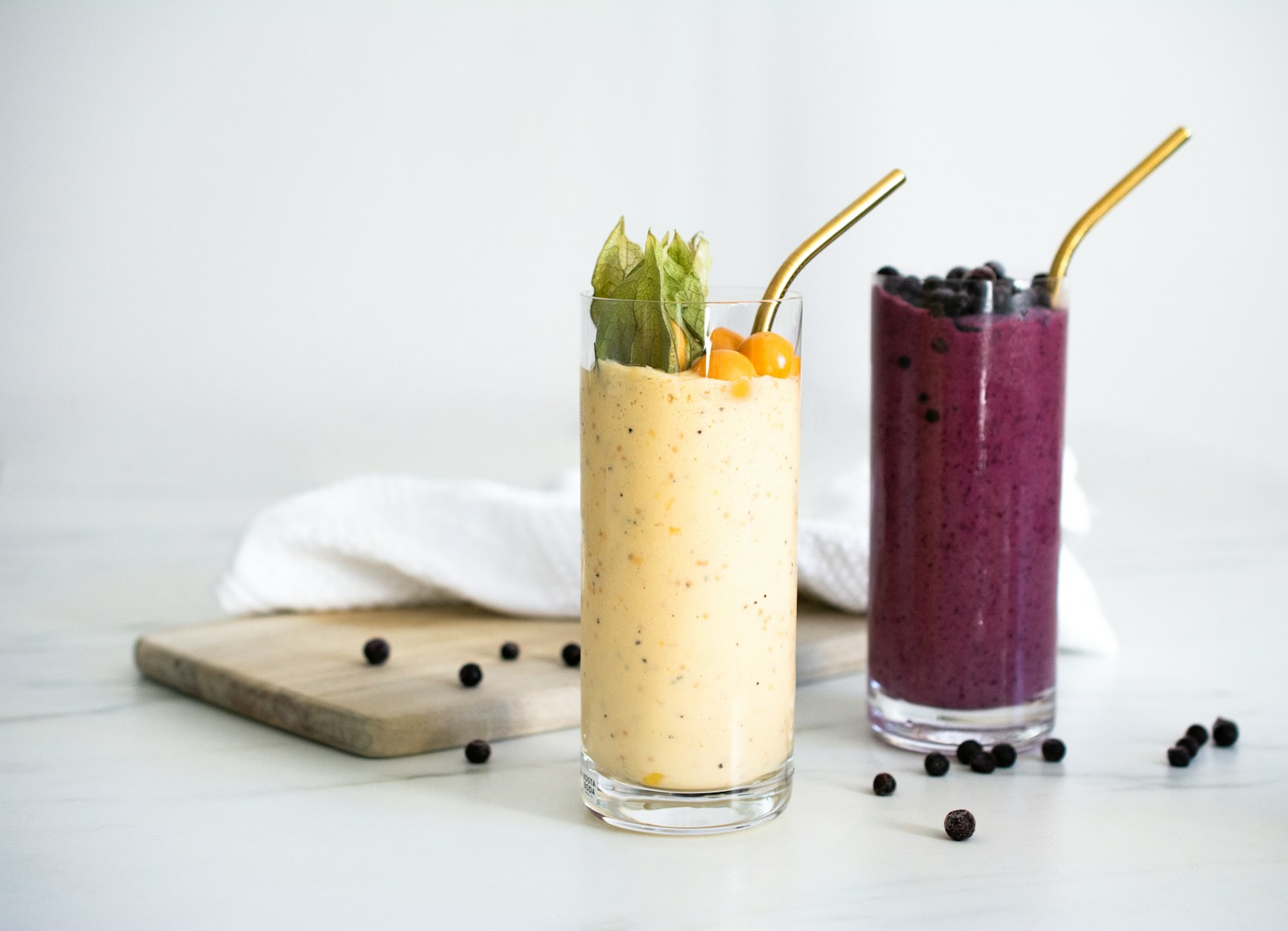
Lactose is the natural sugar in milk. Lactose intolerance involves difficulty digesting that sugar; a milk allergy involves an immune reaction to milk proteins. Removing or breaking down lactose doesn’t remove those proteins, so a lactose-free dairy shake is not a milk-allergy substitute.
The NIDDK’s nutrition guidance for lactose intolerance explains that tolerance varies and that lactose-free dairy can be useful. Some people tolerate small amounts of lactose, while others choose to avoid more. Your own symptoms and professional guidance matter more than a universal rule about all dairy.
| Label or ingredient | What it tells you | What it doesn’t establish |
|---|---|---|
| Lactose-free dairy shake | Lactose has been addressed by the formulation | That milk proteins are absent |
| Plant-based protein shake | Protein comes from plant ingredients | That every allergen or cross-contact concern is resolved |
| Whey protein | The product contains a milk-derived protein | That the finished drink is lactose-free |
| High protein | A stated protein amount or claim | That it suits your digestion, allergies, or whole meal |
I would resolve the allergy question first, before taste, price, or sports branding. If you have a diagnosed milk allergy, follow your allergist’s advice and read ingredient and allergen information carefully. A front-label phrase isn’t a substitute for checking the whole product.
Compare actual bottles, not just product categories
A useful real example is fairlife Core Power: the manufacturer identifies these shakes as lactose-free while also explaining that their protein comes from milk. Its current range includes different protein levels, so the brand name alone isn’t a complete nutrition description. This is an example of the label distinction, not a taste-tested ranking or a claim that one brand is best.
Fairlife’s product FAQ describes ultra-filtration and the use of lactase, the enzyme that breaks down lactose. A different milk-based shake may use a different formulation, and a plant-based bottle may use soy, pea, or another protein source. Confirm the exact flavor and size you plan to buy.
- Check the serving size and whether the bottle contains one serving.
- Find an explicit lactose-free statement when that is your requirement.
- Read the protein amount, calories, added sugars, and relevant minerals together.
- Review the full ingredient list for your personal allergies or intolerances.
- Check refrigeration instructions before and after opening.
For a fair price comparison, compare similar bottle sizes and the amount you actually use. Buying a multipack before you know whether you like the flavor or tolerate the ingredients can create an expensive cupboard resident. If practical, try a single bottle first without interpreting one trial as proof of long-term suitability.
Decide whether you need a snack, a meal component, or convenience

A protein shake can be handy when a portable option fits your schedule. It doesn’t automatically replace the variety in a meal, and more protein isn’t always the missing piece. Consider what else you’re eating and whether the bottle is intended as a snack, part of breakfast, or support for a professionally planned training routine.
For example, a shake alongside fruit and toast is a different eating occasion from a shake alone after a workout. Those are practical combinations, not a personalized protein prescription. If you’re uncertain about your overall intake, a registered dietitian can help you decide whether a supplement is needed at all.
I like this question better than “Which bottle has the most?”: what problem does the shake solve today? Perhaps it needs to travel well, fit a lactose restriction, or be easy to drink when a full snack isn’t convenient. Naming the job keeps you from paying for features you don’t need.
If a lactose-free shake still causes symptoms
Lactose isn’t the only possible explanation for digestive discomfort. Portion size, other ingredients, and unrelated digestive conditions may matter. Repeated symptoms deserve attention rather than an assumption that you need to keep searching for a stronger digestive aid or an even higher-protein formula.
Keep a note of the exact product, amount, timing, and symptoms, and discuss persistent problems with a clinician. Seek prompt help for concerning symptoms such as significant pain, unexplained weight loss, blood in the stool, or an allergic reaction. Don’t use a new drink to test a suspected milk allergy at home.
If you’re considering powders instead of ready-to-drink bottles, Tastiva’s whey isolate versus whey protein guide explains that separate comparison. For a bottle today, keep the order simple: suitable ingredients first, a useful serving second, and a flavor you’ll enjoy third. Convenience should make eating easier, not add another set of confusing rules.
Sources
- NIDDK: Eating and nutrition with lactose intolerance
- Fairlife: Product ingredients, lactose-free status, and storage FAQs
- Fairlife: Core Power chocolate protein shake ingredients

Hi, I’m Laura, the voice behind Tastiva. I’ve always believed that eating well should feel enjoyable, comforting, and realistic—not like another complicated rule to follow. I love creating recipes that fit into everyday life, sharing simple nutrition ideas, and finding small ways to make meals feel a little better without losing the pleasure of good food.