
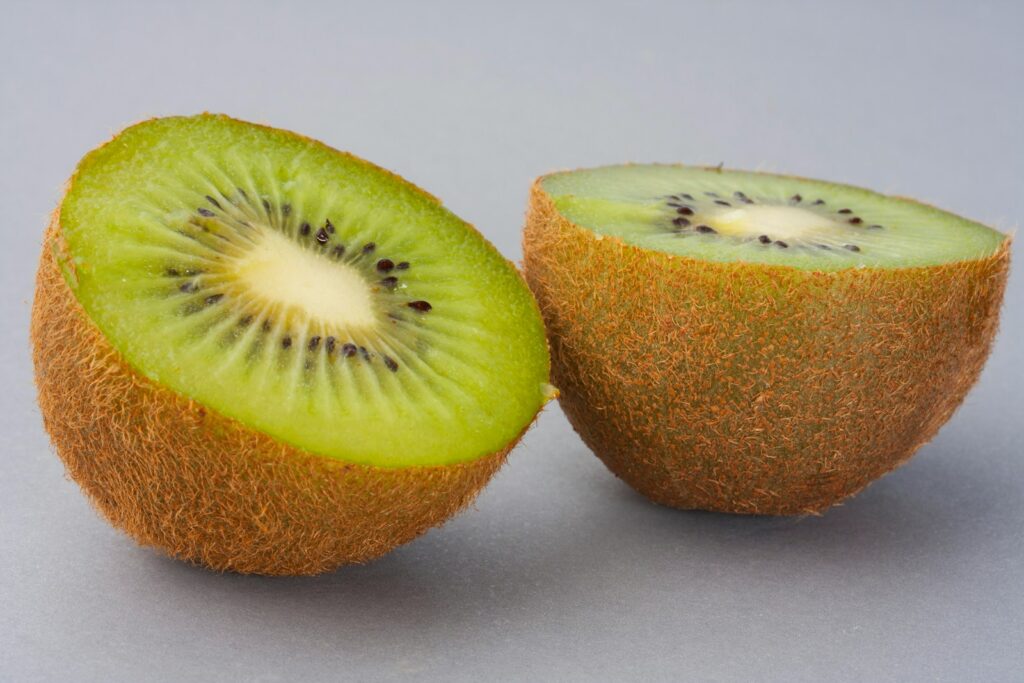
Peeling a kiwi can feel like a tiny kitchen project, especially when the fruit is ripe and slippery. Yes, you can eat kiwi skin, including the fuzzy skin on green kiwifruit, provided the fruit is suitable for you and washed before eating. The real decision is usually texture: some people enjoy the contrast, while others would rather reach for a spoon.
Edible doesn't have to mean compulsory; enjoy the kiwi in the form that works for you.
Why kiwi skin is edible, even when it's fuzzy
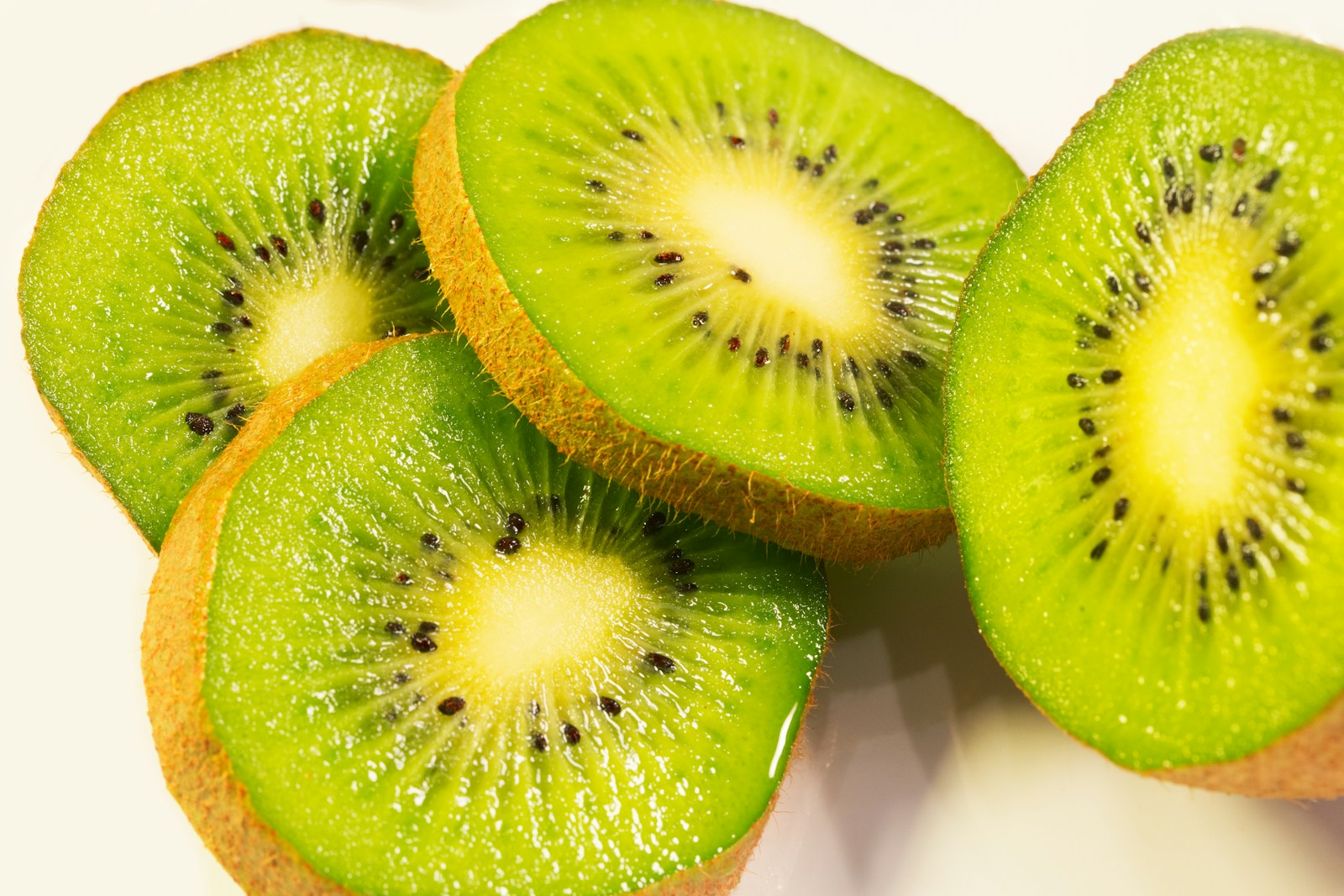
The skin is part of the edible fruit, not a shell that must always be removed. Zespri's explanation of kiwifruit skin distinguishes the fuzzier green varieties from smoother gold kiwifruit. Both can be eaten with their skin, although the experience isn't identical.
Leaving the skin on adds fiber and reduces the amount of fruit you discard while peeling. The exact nutritional difference depends on the variety and serving, so I wouldn't apply one dramatic percentage to every kiwi. Eating the flesh alone still gives you fruit worth enjoying; the skin isn't an entry requirement for a nutritious snack.
The texture may be more noticeable than the flavor. Thin slices give you a smaller piece of skin in each bite than biting straight into a whole fruit. If you're curious but unconvinced, trying one washed slice is a gentler introduction than committing your entire breakfast bowl to a new texture.
Wash the fruit before slicing or peeling
Wash kiwifruit under running water before eating or cutting it. The FDA's produce-safety guidance advises against washing produce with soap, detergent, or commercial produce wash. Rinsing reduces surface contamination but doesn't make produce sterile.
Use clean hands, a clean knife, and a board that hasn't been contaminated by raw meat juices. Washing matters even if you plan to peel the kiwi, because cutting can move material from the surface into the flesh. Discard rotten fruit rather than treating a rinse as a way to rescue it.
- Choose fruit without obvious mold, leakage, or extensive damage.
- Rinse thoroughly under running water, gently rubbing the surface with your fingers.
- Dry with a clean towel if you want a less slippery fruit to handle.
- Trim the firm ends as preferred, then slice or cut the fruit for serving.
- Refrigerate cut fruit promptly rather than leaving a prepared bowl out for hours.
I prefer keeping this step ordinary. You don't need a special produce-cleaning potion to try kiwi skin. A clean preparation area and a proper rinse are more useful than turning a simple snack into a complicated ritual.
Four ways to try the skin without making it the main event
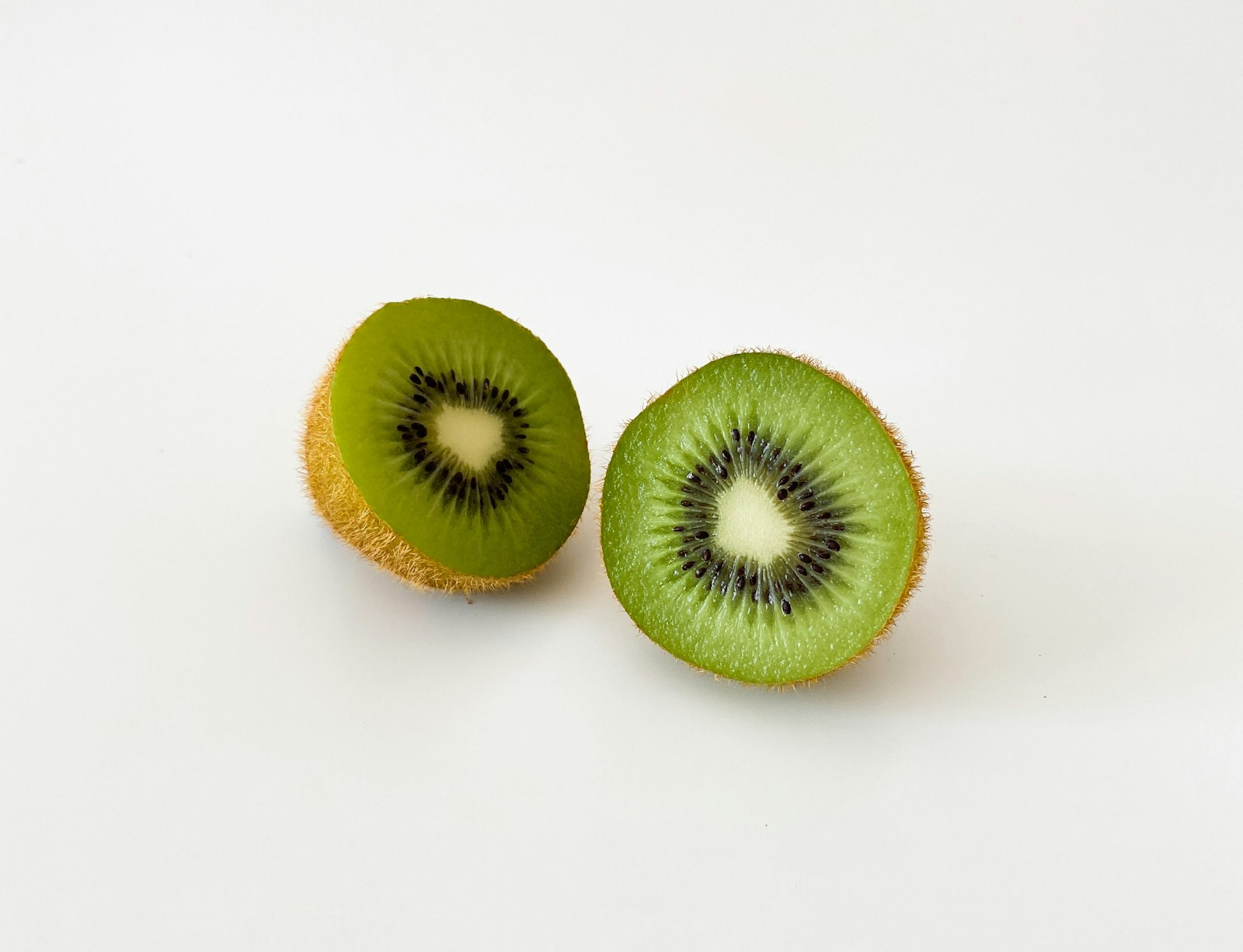
Gold kiwifruit can be an approachable starting point if green kiwi's fuzz puts you off. Choosing a ripe fruit also matters to the overall eating experience: a hard, tart kiwi can be less pleasant whether the skin stays on or not. Follow the fruit's condition, not just the color of its interior.
| How to serve it | Why you might like it | What to expect |
|---|---|---|
| Thin rounds or half-moons | Less skin in each bite | A clear contrast between juicy flesh and firmer edge |
| Small pieces in a fruit bowl | Easy to try a little at a time | The skin remains noticeable, but in smaller pieces |
| Blended into a smoothie | No large strip of peel to chew | Texture depends on the blender and other ingredients |
| Washed and eaten whole | Minimal preparation | The most noticeable skin and fuzz |
For a simple fruit bowl, pair small kiwi pieces with strawberries or orange segments. In a smoothie, start with a modest amount so you can decide whether you like the texture. These are serving ideas, not tested recipes or promises that every blender will make the skin disappear.
Peeling remains a perfectly sensible option. Halving the fruit and scooping out the flesh is convenient, too. I wouldn't let a discussion about maximizing every edible part make you enjoy the fruit less; an approach you'll happily repeat is often the more useful one.
When to skip it or ask for advice
A kiwi allergy is a reason to avoid the fruit as advised, not simply remove its skin. Itching, swelling, or other symptoms after eating kiwi deserve medical advice. Trouble breathing, throat swelling, or signs of a severe allergic reaction require emergency care. Don't keep trying small bites to test a suspected allergy yourself.
Cleveland Clinic's kiwi-skin guidance also flags oxalates as a consideration for people prone to certain kidney stones. If you've been given an individualized oxalate restriction, ask your clinician or dietitian how kiwifruit fits; this isn't a reason for everyone to avoid it. Texture, swallowing needs, and age-appropriate preparation can matter as well.
For most people deciding at the kitchen counter, the choice is straightforward: wash the kiwi, try a comfortably sized piece, and keep or remove the skin according to your preference. If you enjoy fruit-skin questions, Tastiva's guide to apples and nutrition offers another familiar example. There's room for practical nutrition and personal taste on the same plate.
Sources
- Zespri: Can you eat kiwifruit skin?
- FDA: Selecting and serving produce safely
- Cleveland Clinic: Kiwi skin, texture, and individual precautions

Hi, I’m Laura, the voice behind Tastiva. I’ve always believed that eating well should feel enjoyable, comforting, and realistic—not like another complicated rule to follow. I love creating recipes that fit into everyday life, sharing simple nutrition ideas, and finding small ways to make meals feel a little better without losing the pleasure of good food.