
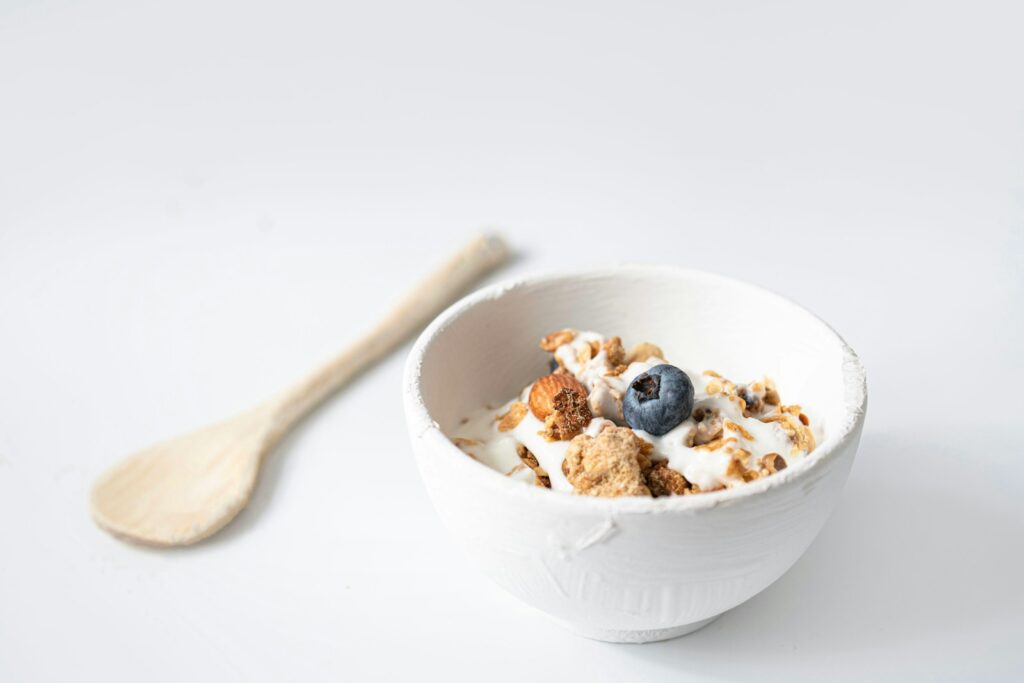
The yogurt case can turn one simple snack into a wall of decisions: low-fat, nonfat, Greek, high-protein, fruit-on-the-bottom, probiotic. Low-fat yogurt can be a nutritious choice because it may provide protein, calcium, and live cultures with less fat than whole-milk yogurt. But the words low fat do not tell you how much added sugar, protein, or vitamin D is inside. The best cup is the one whose full label fits what you need—not merely the one with the loudest claim on the lid.
Low fat describes one nutrient; the rest of the label tells you whether the yogurt works for your breakfast, snack, or recipe.
What “low fat” means on a yogurt label
In U.S. labeling, “low fat” is a regulated claim. For a food with a reference amount larger than 30 grams or 2 tablespoons, FDA rules generally limit it to 3 grams of fat or less per reference amount customarily consumed. “Fat free” is stricter—less than 0.5 gram per reference amount and labeled serving—while “reduced fat” means at least 25% less fat than an appropriate reference food. Those phrases are related, but they are not interchangeable.
Yogurt itself is cultured from dairy ingredients using characteristic bacteria. Under the federal yogurt standard, products treated after culturing to inactivate viable microorganisms must say they do not contain live and active cultures. Other cups may carry a voluntary “contains live and active cultures” statement when they meet the standard’s culture-count criteria. Either way, “low fat” does not guarantee a particular probiotic strain or health effect; our guide to probiotics benefits explains why those details matter.
Low-fat yogurt is also not automatically Greek yogurt. Greek-style products are usually strained or otherwise concentrated, so they are often thicker and higher in protein per ounce, but formulas vary. A traditional low-fat yogurt can be silky and spoonable; a low-fat Greek yogurt can be dense enough to hold a berry on top. I would let texture and protein needs decide between them, not assume one label is universally better.
Low-fat, nonfat, whole-milk, and flavored yogurt compared

Fat level changes richness and calories, but flavoring and straining can change the nutrition just as much. A sweetened nonfat cup may contain more added sugar than a plain low-fat cup, while a strained product may offer substantially more protein than an unstrained one. Compare equal serving sizes whenever possible.
| Type | What it is usually like | Label detail worth checking |
|---|---|---|
| Plain low-fat yogurt | Mildly rich, tangy, and versatile | Protein, calcium, vitamin D, and the exact fat amount |
| Plain low-fat Greek yogurt | Thicker and often higher in protein | Serving size; calcium may differ from regular yogurt |
| Nonfat yogurt | Leaner mouthfeel and little or no fat | Added sugar and starches in flavored versions |
| Whole-milk yogurt | Creamier, with more total and saturated fat | Portion, saturated fat, and added sugar |
| Flavored yogurt at any fat level | Sweeter and easy to grab | Added Sugars line—not Total Sugars alone |
Milk naturally contains lactose, so plain dairy yogurt has some total sugar even when no sweetener was added. FDA’s Added Sugars line separates sugars added during processing from naturally occurring lactose. That distinction keeps a plain cup from looking unfairly similar to one sweetened with cane sugar, syrup, or fruit concentrate.
Is low-fat yogurt healthy?
It certainly can be. Dairy yogurt can contribute protein and calcium, and some products are fortified with vitamin D. Yet there is no single nutrition profile for “low-fat yogurt.” Protein may range widely, vitamin D is not present in every brand, and fruit-flavored names do not guarantee a meaningful amount of whole fruit. A label that says 20% Daily Value or more is considered high in a nutrient; 5% or less is low.
My quick five-point check is practical rather than perfect:
- Start with protein. Choose enough to make the portion useful for the meal or snack you are building.
- Read Added Sugars. Plain is the easiest baseline; add your own fruit when you want sweetness and texture.
- Check calcium and vitamin D separately. Fortification and straining differ.
- Check the culture statement if viability matters to you. Look for “contains live and active cultures” or the required notice that a yogurt “does not contain live and active cultures”; a list of culture names alone does not quantify what remains alive.
- Consider satisfaction. If nonfat yogurt leaves you hunting for another snack, a low-fat version paired with fruit, nuts, or seeds may be the more useful choice.
Low-fat yogurt still contains milk proteins and usually lactose. It is not safe for a milk allergy, and it is not automatically lactose-free. People with lactose intolerance vary in what they tolerate; a clearly labeled lactose-free dairy yogurt answers that specific need without pretending that lactose intolerance and milk allergy are the same condition.
How to make low-fat yogurt taste genuinely good
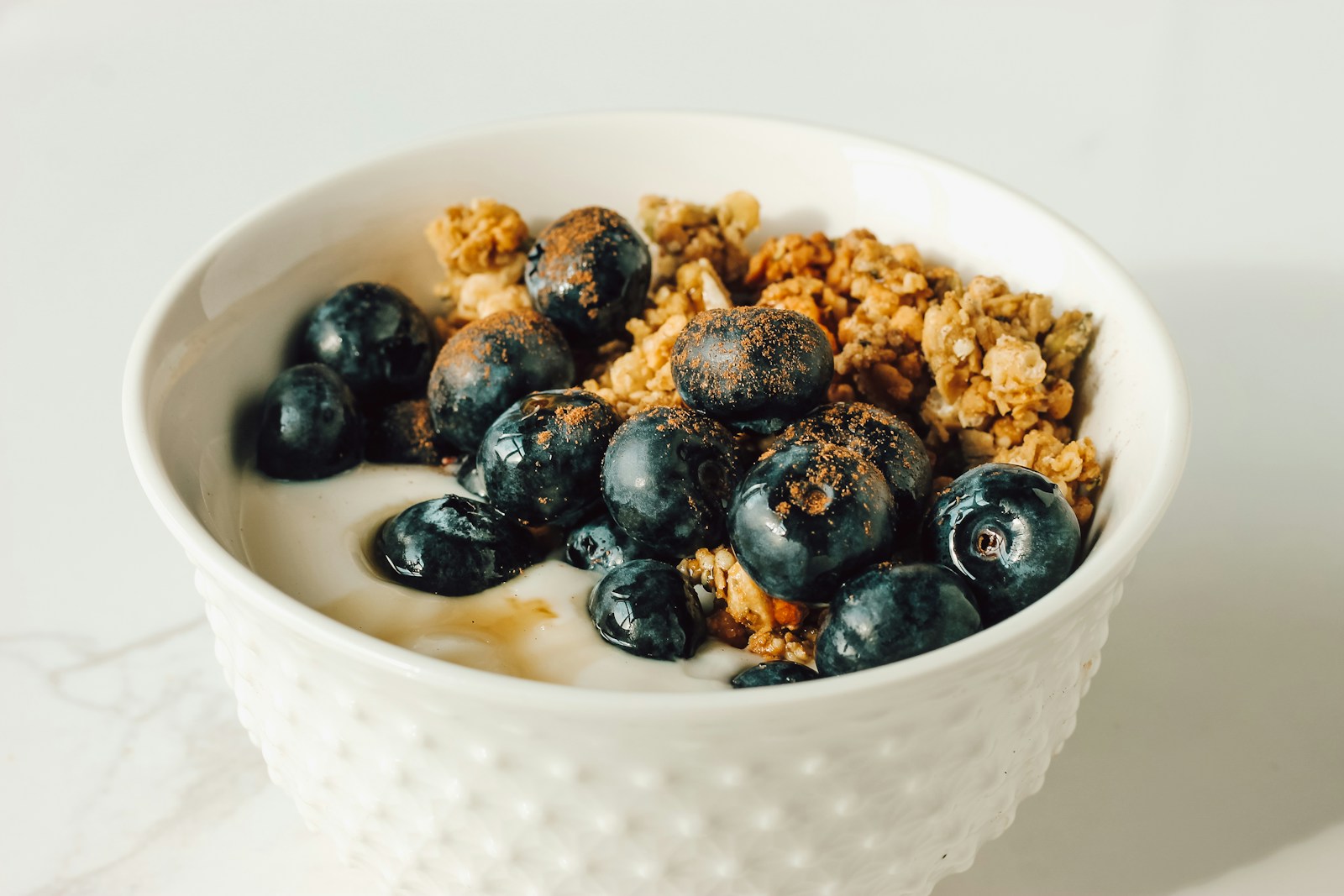
Plain low-fat yogurt is a quiet kitchen multitasker. For breakfast, add berries, sliced banana, toasted oats, or nuts instead of relying on a heavily sweetened cup. For a savory bowl, try cucumber, herbs, lemon, olive oil, and a pinch of salt. I like this route because the yogurt keeps its tang, while the toppings provide the crunch and sweetness that lower-fat products sometimes miss.
Use it anywhere a cool, creamy ingredient helps: stir it into overnight oats, spoon it beside spicy beans, blend it into a smoothie, or turn it into a dip. In hot sauces, temper the yogurt first by whisking in a little warm liquid, then add it over low heat to reduce curdling. Low-fat yogurt can replace some sour cream in many dishes, though the brighter flavor and lower fat mean the result will not be identical.
Keep refrigerated yogurt at 40°F (4°C) or colder, return it promptly after serving, and follow the package’s storage directions. Package dates generally speak to quality rather than proving safety; temperature and handling still matter. A bulging container, mold, an off odor, or unexpected fizz is a reason to discard it rather than negotiate with breakfast. With a sensible label check and toppings that bring contrast, low-fat yogurt can feel like real food—not a dutiful compromise.
Sources
- eCFR: 21 CFR § 101.62—Nutrient Content Claims for Fat
- eCFR: 21 CFR § 131.200—Yogurt
- FDA: Added Sugars on the Nutrition Facts Label
- FDA: Daily Value on Nutrition and Supplement Facts Labels
- NIH Office of Dietary Supplements: Calcium Fact Sheet for Consumers
- FDA: Are You Storing Food Safely?
- FDA: Food Allergies
- NIDDK: Eating, Diet, and Nutrition for Lactose Intolerance

Hi, I’m Laura, the voice behind Tastiva. I’ve always believed that eating well should feel enjoyable, comforting, and realistic—not like another complicated rule to follow. I love creating recipes that fit into everyday life, sharing simple nutrition ideas, and finding small ways to make meals feel a little better without losing the pleasure of good food.