
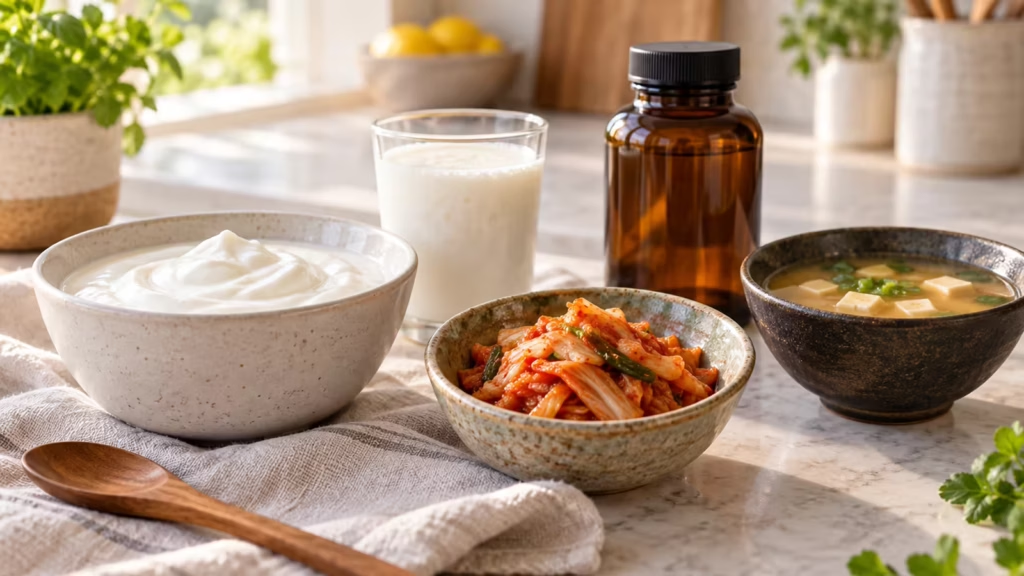
The probiotic shelf can feel like a tiny-city census: billions of organisms, long Latin names, and cheerful promises for digestion, immunity, mood, skin, and almost everything between. The simple definition helps. Probiotics are live microorganisms that provide a health benefit when consumed in adequate amounts. The difficult—and important—part is that benefits belong to specific organisms, strains, doses, and uses. A strain that helps one kind of diarrhea is not a universal “gut reset,” and a jar of fermented pickles is not automatically a clinically studied probiotic.
With probiotics, the exact strain and the exact goal matter more than the loudest promise or the largest number on the front label.
What probiotics are—and what they are not

Scientists name a probiotic by genus, species, and strain. In Lacticaseibacillus rhamnosus GG, for example, GG is the strain-level identifier. Two strains from the same species can behave differently, just as two apple varieties can differ in texture and cooking. If a study names one strain, its result does not automatically belong to every product that shares the genus—or to a vague blend that never lists strains at all.
Fermentation and probiotics overlap, but they are not synonyms. Microorganisms make yogurt, sourdough, kimchi, sauerkraut, kombucha, miso, vinegar, and many cheeses. Heat, filtering, storage, or the absence of human evidence may mean the finished food does not contain live organisms in useful amounts or does not qualify as a probiotic. Fermented foods can still be enjoyable and nutritious without wearing a medical halo.
| Label clue | Why it matters |
|---|---|
| Genus, species, and strain | Benefits are strain-specific. “Lactobacillus blend” is less informative than a complete strain name. |
| CFUs through the use-by date | A high count at manufacture can decline. More CFUs do not automatically mean a better product. |
| Studied purpose | A strain studied for antibiotic-associated diarrhea is not automatically useful for constipation, mood, weight, or every form of bloating. |
| Storage directions | Some products need refrigeration; others are shelf-stable only within stated temperature limits. |
| Other ingredients | Check allergens, added sugars, capsules, fibers, and ingredients that may matter to your diet or symptoms. |
Prebiotics are different: they are substrates used by beneficial microbes, often particular fibers or carbohydrates. They do not contain live organisms. If the two words keep swapping places in your head, our prebiotic vs. probiotic guide gives them separate chairs at the table.
Which probiotics benefits have evidence
The NIH Office of Dietary Supplements says certain strains may reduce the risk of antibiotic-associated diarrhea in children and adults, especially when started close to the first antibiotic dose. Some strains may shorten acute infectious diarrhea in children by about a day, though studies conflict. Probiotics may help some people manage certain irritable bowel syndrome symptoms, and specific products used with medication may slightly improve ulcerative colitis symptoms. That is a cautious, condition-specific list—not a blanket endorsement.
Evidence varies because “probiotics” describes many living products, not one drug. Trials differ in strain, combination, dose, duration, participant age, diet, diagnosis, and outcome. Professional guidelines therefore recommend particular formulations for particular situations—or no routine use when evidence is weak. Higher colony-forming units, or CFUs, do not guarantee a larger benefit. Ten billion organisms of the wrong strain for your goal are still the wrong tool.
- More credible question: has this exact strain or combination been studied for my exact concern?
- Less useful question: is this “the best probiotic for everyone”?
- Promising is not proven: research on cholesterol, weight, mood, allergies, and immunity remains mixed or product-specific.
- Not a substitute: probiotics do not replace antibiotics, hydration, diagnostic testing, or prescribed treatment when those are needed.
I would be especially skeptical of “detox,” “flat belly,” rapid weight-loss, and cure-all immune claims. A meaningful benefit can be modest—a lower chance of one side effect, fewer symptom days, or improvement for a subset of people. Honest evidence often sounds quieter than advertising.
Probiotic foods versus supplements
For everyday eating, yogurt or kefir with named live cultures is an approachable place to start if you tolerate dairy; non-dairy versions can contain live cultures too. Check the label because pasteurization after fermentation can remove live organisms. Kimchi and refrigerated sauerkraut may contain live microbes, while shelf-stable or heat-treated versions may not. Miso cultures do not survive a hard boil well. None of these facts makes one food essential.
Supplements can deliver a documented strain and dose without changing the rest of a meal, which is useful in research and in some clinical situations. They also vary sharply in identity, viability, storage, and evidence. Look for the complete strain names, CFUs guaranteed through the use-by date, clear storage directions, lot information, and testing from a reputable independent program. A proprietary blend that hides amounts asks you to trust more while telling you less.
Food and supplements solve different problems. Plain yogurt also brings protein and calcium; fermented vegetables may bring sodium; kombucha can contain sugar and a small amount of alcohol; a capsule brings neither a meal nor fiber. Start with the goal, not the trend. If your goal is simply a varied pattern that supports the gut community, plants rich in different fibers may matter more than chasing a rotating cast of expensive bottles.
How to choose safely and know when to get help

Healthy people most often notice temporary gas or bloating, but live microorganisms are not risk-free for everyone. NIH notes rare infections and greater concern for people who are seriously ill or have weakened immune systems; FDA has raised specific safety concerns in preterm infants. Parents, pregnant people, people with central lines or significant immune compromise, and anyone receiving complex medical care should ask the treating clinician before using a probiotic supplement.
If you are taking an antibiotic, ask about the exact product and timing rather than assuming any capsule will help. Do not stop prescribed treatment. Refrigerate a product when instructed, keep it dry, and respect the use-by date because viability falls over time. If it needs cool shipping and arrives hot, contact the seller instead of hoping the bacteria were feeling resilient.
Persistent blood in stool, unexplained weight loss, fever, dehydration, severe pain, nighttime symptoms, or a major change in bowel habits deserves medical evaluation, not a supplement experiment. For ordinary curiosity, keep expectations specific: one strain, one reason, one reasonable trial, and a plan to stop if it does nothing or makes you feel worse. That approach is less glamorous than “rebalance everything,” but much kinder to your wallet and your gut.
Sources
- NIH Office of Dietary Supplements: Probiotics—Consumer Fact Sheet
- NIH Office of Dietary Supplements: Probiotics—Health Professional Fact Sheet
- AGA Clinical Practice Guidelines on the Role of Probiotics in Gastrointestinal Disorders

Hi, I’m Laura, the voice behind Tastiva. I’ve always believed that eating well should feel enjoyable, comforting, and realistic—not like another complicated rule to follow. I love creating recipes that fit into everyday life, sharing simple nutrition ideas, and finding small ways to make meals feel a little better without losing the pleasure of good food.