
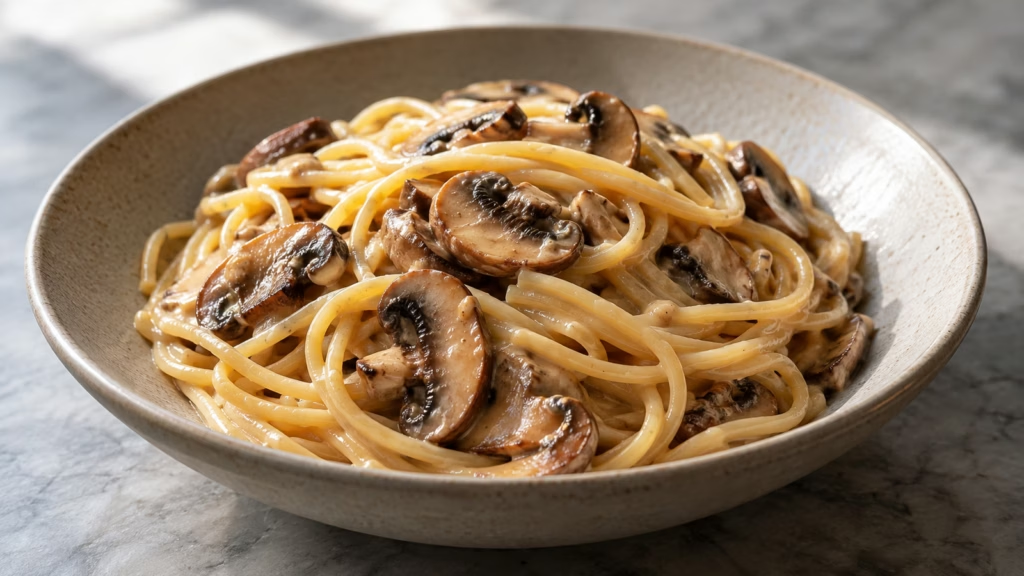
A pan crowded with mushrooms can look promising and still leave you with a puddle. For this miso mushroom pasta, give the sliced cremini room to brown before building a glossy sauce with butter, white miso, and pasta water. The result depends on that order much more than a long ingredient list.
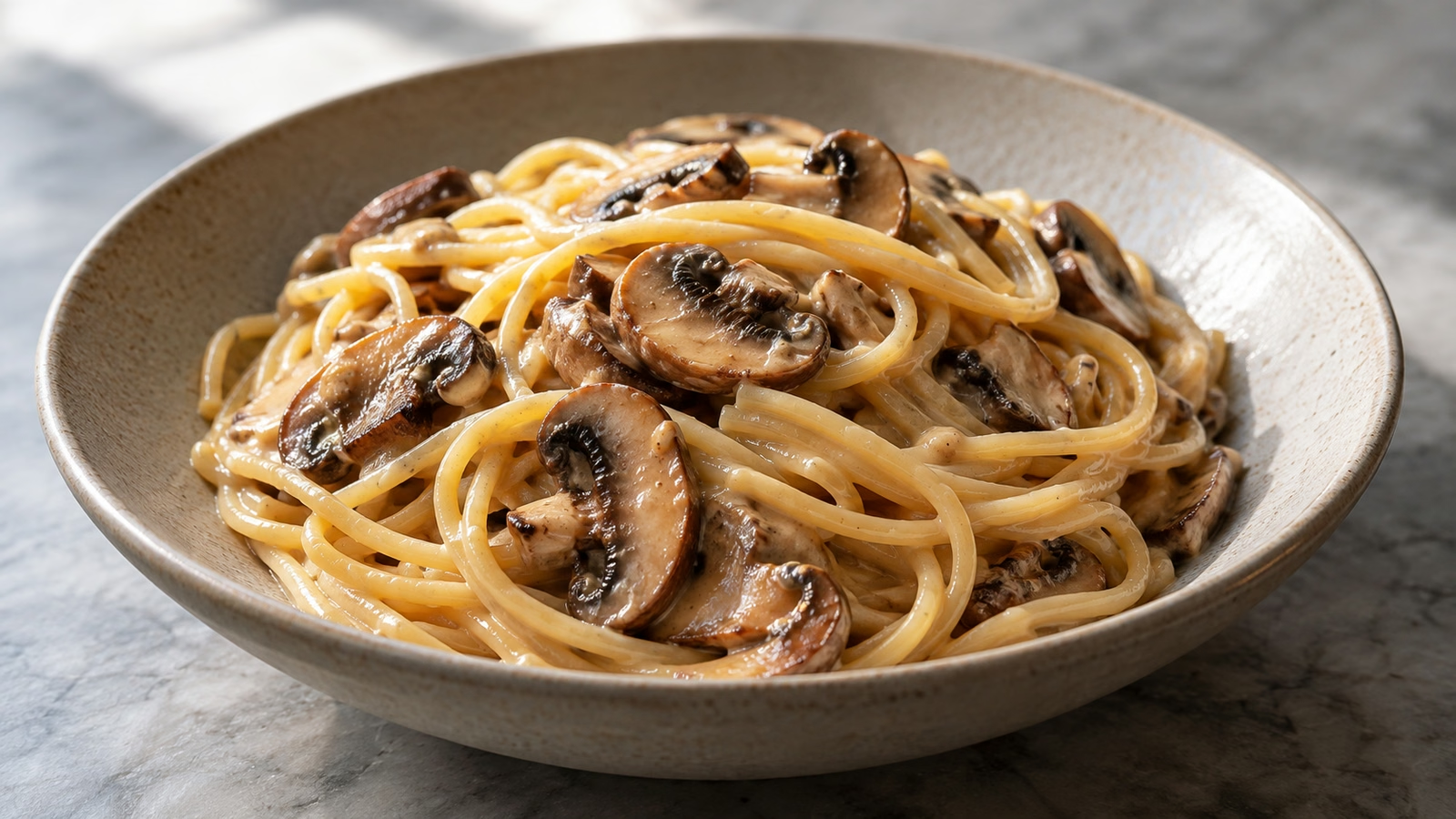
Brown the mushrooms first; save the starchy water for the sauce.
Why miso mushroom pasta needs two stages
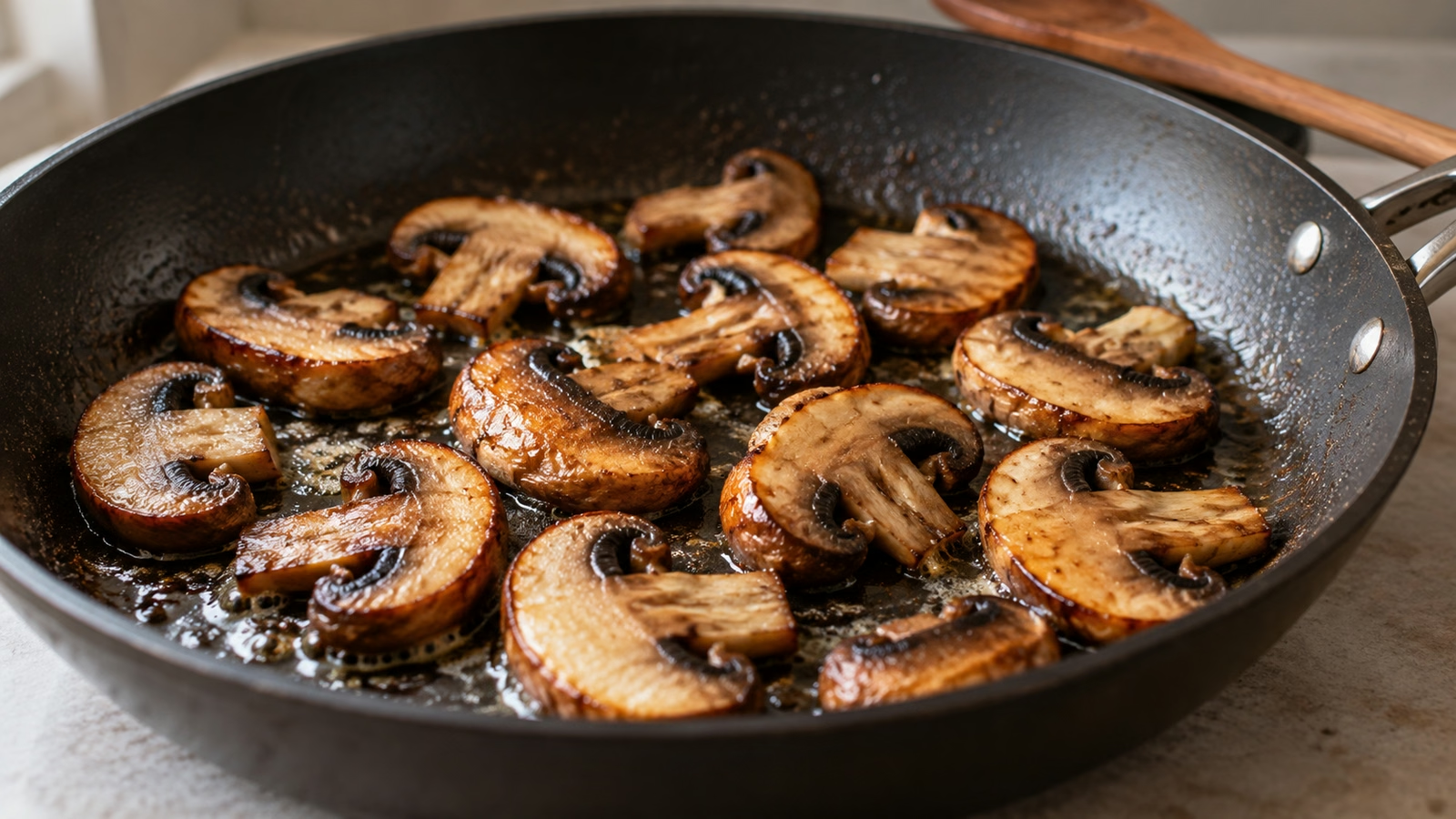
Mushrooms release water as they cook. If the pan is packed tightly, that moisture lingers and the slices steam while you wait for color. Cook them in two batches when necessary, then bring everything together once the surfaces have golden patches and the pan no longer looks watery.
- Browning stage: Use a wide skillet, moderate-high heat, and enough oil to coat the pan. Let the slices sit briefly instead of stirring constantly.
- Sauce stage: Lower the heat before adding garlic and the miso mixture. The goal changes from browning to coating.
- Finishing stage: Toss pasta with butter and small splashes of its cooking water until the sauce clings.
Miso is receiving fresh attention: on September 1, 2026, UK retailer Waitrose reported increased miso searches and sales. This pasta is a practical use for that ingredient, not a claim that the dish itself has a verified viral ranking. Miso is a longstanding Japanese staple, not a new invention.
Choose a paste and pasta that fit
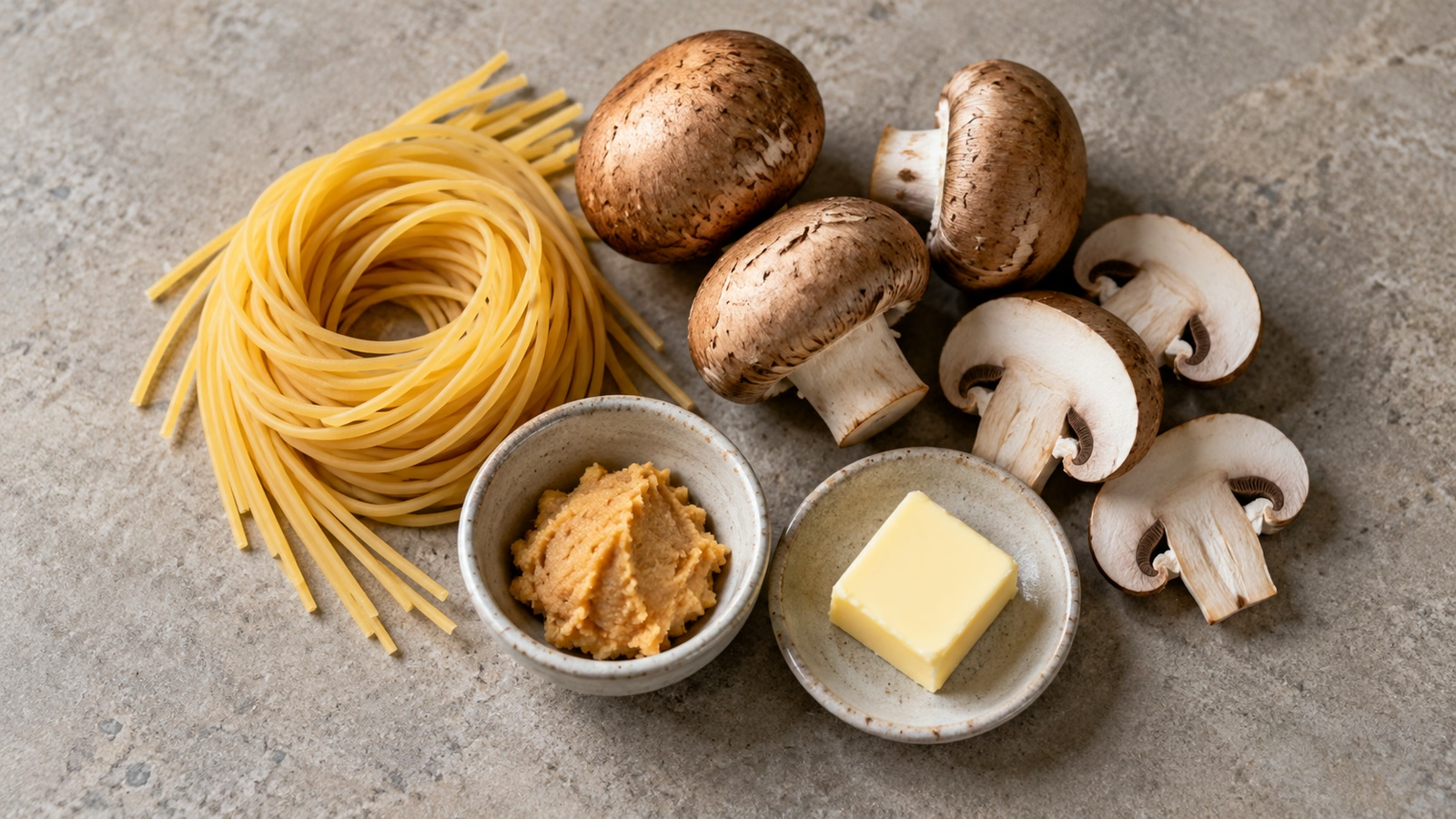
I would start with ordinary white miso, which offers a comparatively gentle place to begin. It still contains salt, and sweetness varies by product. A dashi-seasoned miso, an instant soup packet, and a tub of plain paste are different products; read the ingredient list rather than relying only on the color.
- Spaghetti: Long strands make the light sauce easy to distribute. Linguine works too; follow its own package timing.
- Cremini mushrooms: Slice them fairly evenly, about 1/4 inch thick. White button mushrooms also work, with a slightly different flavor.
- Unsalted butter: This lets the miso do the main seasoning. Salted butter makes the final salt level harder to control.
- Red miso: Use a smaller amount initially and taste the loosened sauce. A stronger paste can dominate before you notice.
- Lemon: A small finish balances the butter. It should brighten the dish without turning it into lemon pasta.
Brush off loose soil or rinse mushrooms briefly and dry them well before slicing. Tastiva’s mushroom-cleaning guide walks through that preparation. The important thing for this skillet is avoiding a layer of surface water.
Build a glossy sauce without cream
Before draining the pasta, scoop out a mug of cooking water. Whisk a little of that warm water with the miso in a bowl, then add the smooth mixture to the mushrooms. This avoids pockets of intensely salty paste and gives you better control than dropping a cold spoonful straight onto the noodles.
- Looks dry: Add pasta water a tablespoon or two at a time while tossing.
- Looks watery: Toss over gentle heat briefly. Stop while there is still a little movement; pasta keeps absorbing liquid.
- Looks oily: Lower the heat and add a small splash of water, then toss again to bring the butter into the sauce.
- Tastes salty: Use plain hot water rather than more salted pasta water to loosen it. Extra unseasoned pasta or mushrooms can help dilute an oversalted batch.
Do not chase a thick cream-sauce texture. This is a thin, glossy coating with mushrooms distributed through it. Parmesan is deliberately omitted from the base recipe because miso already supplies a strong savory note and salt; add cheese only after tasting, if you want that different finish.
Timing, substitutions, and leftovers
Have the miso measured and the mushrooms sliced before cooking the pasta. The skillet work and boiling can overlap, but timing varies by stove and noodle thickness. If one part finishes early, keep the pasta slightly underdone and finish it in the pan rather than leaving fully cooked strands sitting dry.
- Serve: Divide into four bowls and add optional scallions right before eating. A crisp, lightly dressed vegetable side makes a useful contrast.
- Dairy-free variation: A plant-based butter may work, but check its salt level and expect a different finish.
- Gluten-free variation: Both the pasta and miso need appropriate labels. Some miso contains barley or other gluten ingredients.
- Save: Refrigerate promptly in shallow containers, use within three to four days, and reheat to 165°F with a splash of water.
Freshly tossed pasta has the best sauce texture. Leftovers are still useful, but the noodles will absorb liquid and the mushrooms will soften. Store the scallion garnish separately if you want it to retain its fresh bite.
Miso Mushroom Pasta Recipe

Ingredients
- 12 ounces dry spaghetti 340 g
- 1 pound cremini mushrooms 454 g, cleaned, dried, and sliced 1/4 inch thick
- 1 tablespoon olive oil 13.5 g
- 3 tablespoons unsalted butter 42 g, divided
- 2 cloves garlic 6 g, minced
- 2 tablespoons white miso 36 g
- 1 cup reserved pasta water 240 ml, added as needed
- 1 tablespoon lemon juice 15 g
- 2 scallions 30 g, sliced; optional garnish
- 1/4 teaspoon black pepper 0.5 g
Equipment
- 1 Large pot
- 1 wide skillet
- 1 small bowl
- 1 Whisk
- 1 Tongs
- 1 measuring cup
Instructions
- Bring a large pot of water to a boil. Cook spaghetti until about 1 minute short of the package’s recommended doneness. Before draining, reserve at least 1 cup of cooking water. Use lightly salted water or unsalted water if controlling sodium.
- Meanwhile, heat a wide skillet over medium-high heat with the olive oil and 1 tablespoon of the butter. Add mushrooms in an uncrowded layer; cook in batches if needed. Cook 8–12 minutes, turning occasionally, until their liquid evaporates and the edges brown.
- Reduce heat to low. Return all mushrooms to the skillet, add the garlic, and stir for 30 seconds. In a bowl, whisk miso with 1/4 cup of warm pasta water until smooth.
- Add pasta, miso mixture, and remaining 2 tablespoons butter to the skillet. Toss over low heat for 1–2 minutes, adding more pasta water a splash at a time until glossy and the pasta is tender.
- Remove from heat. Toss with lemon juice and black pepper, taste before adding any salt, and divide among four bowls. Finish with scallions if using and serve promptly.
Nutrition
Notes
Tried this recipe?
Let us know how it turned out!Sources
- Waitrose: September 2026 miso report
- Hikari Miso: white miso product information
- USDA: handling leftovers safely
Hi, I’m Laura, the voice behind Tastiva. I’ve always believed that eating well should feel enjoyable, comforting, and realistic—not like another complicated rule to follow. I love creating recipes that fit into everyday life, sharing simple nutrition ideas, and finding small ways to make meals feel a little better without losing the pleasure of good food.