
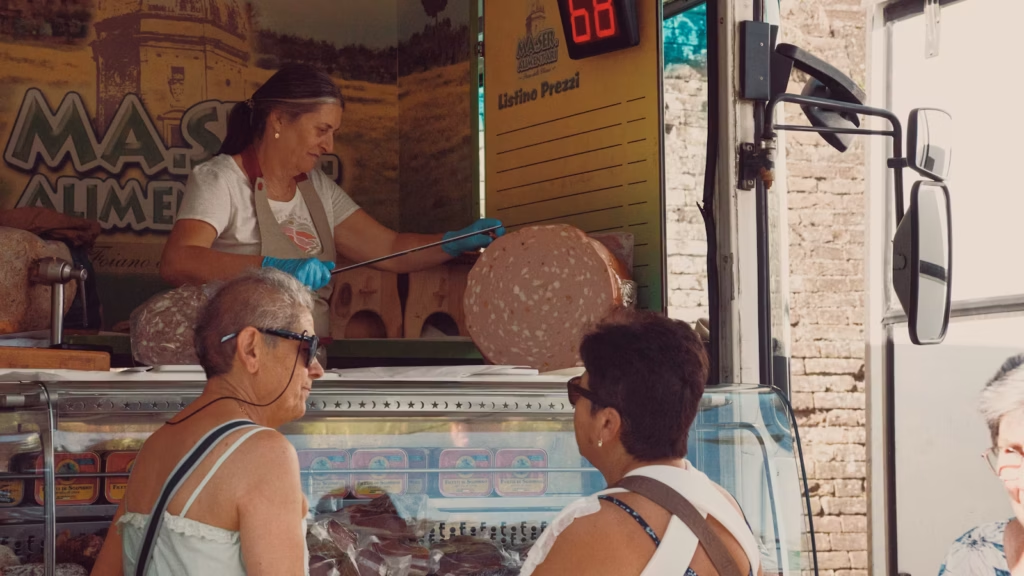
Mortadella is the deli meat that makes first impressions with polka dots: a smooth pink slice freckled with pearly cubes of pork fat, and sometimes pistachios. It is mild, fragrant, and far more delicate than its oversized shape suggests.
Mortadella is best treated as a flavorful ingredient, not a sandwich obstacle course: slice it thin, fold it loosely, and let it warm slightly.
What is mortadella?
Mortadella is a large Italian cooked sausage made primarily from finely minced pork. The smooth meat mixture is studded with visible pieces of firm pork fat, seasoned, stuffed into a casing, and gently cooked. Peppercorns are common, and some versions include pistachios, but pistachios are not a universal requirement.
The best-known protected version is Mortadella Bologna PGI. Its producers must follow a European Union-approved specification governing ingredients, production, and the finished product. That label is useful when you want the specific Italian tradition, but excellent mortadella-style sausages are also made outside the PGI area.
What does mortadella taste like?
The flavor is gently porky, savory, and aromatic rather than smoky or aggressively spiced. The fat cubes soften on the tongue and give each thin slice a silky feel. Whole peppercorns add little flashes of warmth; pistachios add color and a soft nutty note when present.
Good mortadella should not taste rubbery, harshly salty, or dominated by smoke. The protected Bologna style does not lean on smoke flavor. Serve it cool rather than refrigerator-cold so its aroma and texture have a chance to show up.
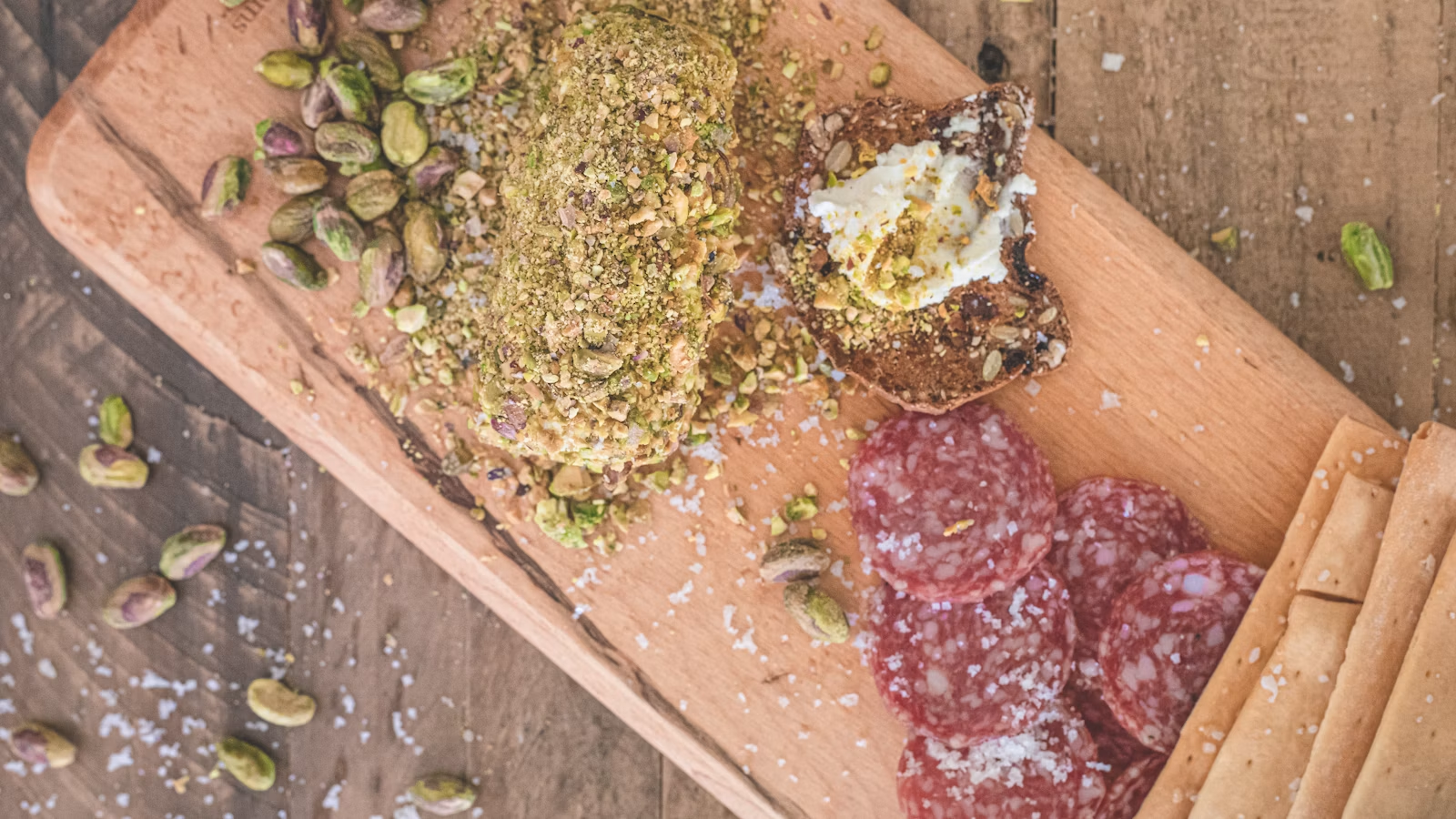
Mortadella vs. bologna
American bologna and Italian mortadella are relatives, but they are not twins. Both are cooked sausages with a finely textured meat base, and the name bologna points back to the Italian city. Mortadella is usually larger, more delicately seasoned, and recognizable by its distinct fat cubes. Bologna tends to have a more uniform appearance and a formula shaped by U.S. labeling and regional traditions.
Do not use price alone as the definition. Read the ingredient list, look at the slice, and decide whether you want the plush, aromatic character of mortadella or the familiar compact texture of bologna. In a grilled sandwich, either can be delightful for different reasons.
How to buy it
- Ask for thin slices: paper-thin mortadella folds softly and tastes less heavy than thick slabs.
- Look for an even pink interior: the fat pieces should be cleanly defined, not smeared through the slice.
- Check the label: Mortadella Bologna PGI identifies the protected product; other mortadella may follow different standards.
- Notice the extras: pistachios, peppercorns, and other seasonings change the eating experience and may matter for allergies.
- Buy what you will use: freshly sliced deli meat has a short refrigerator life.
If pistachios appear in the meat, verify the allergen information instead of assuming they are merely decorative. At a deli counter, ask staff to clean the slicer if cross-contact is a concern; shared equipment may handle several meats, cheeses, and nut-containing products.
The best ways to serve mortadella
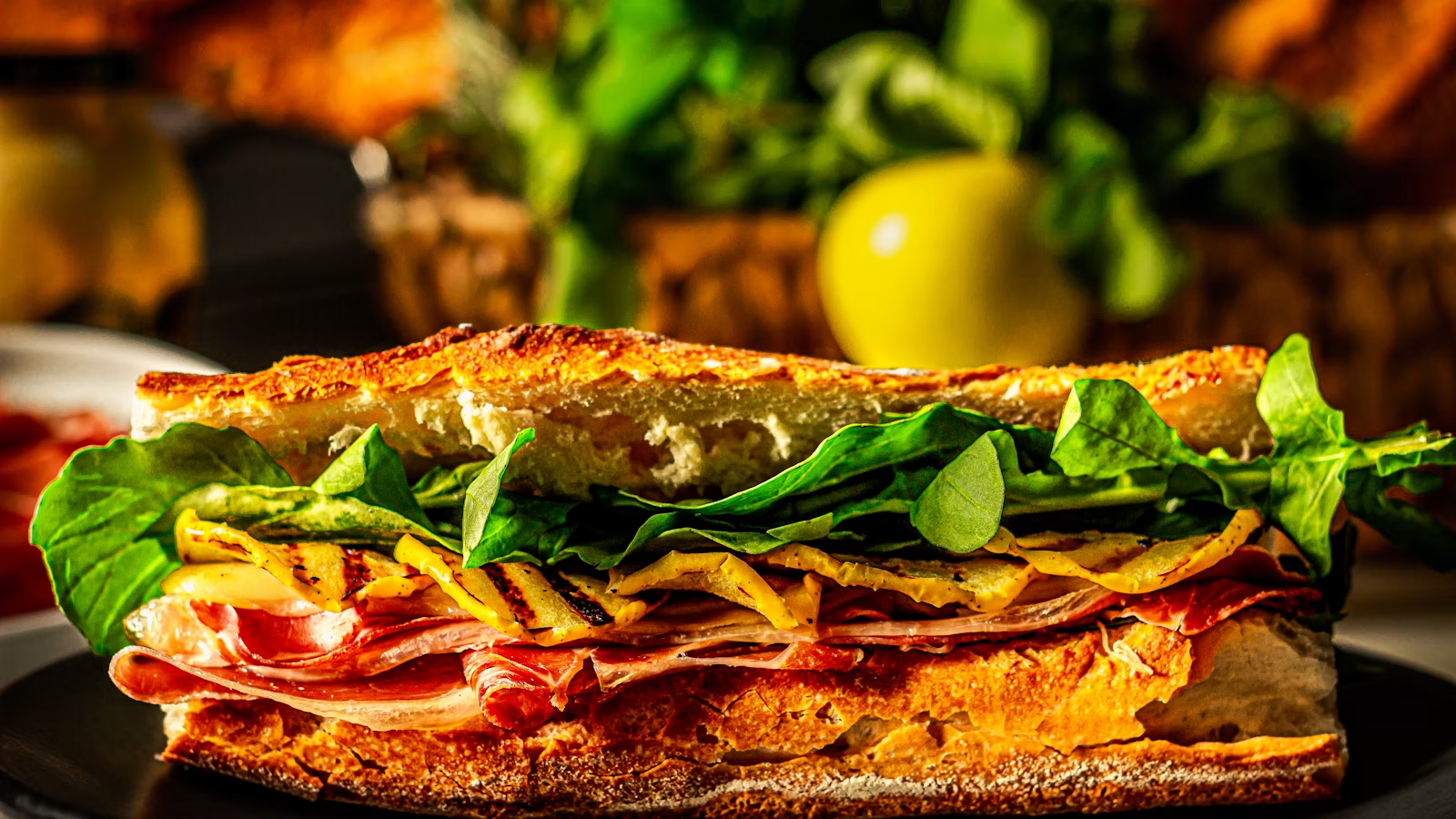
For the simplest sandwich, pile thin folded slices into crusty bread with a soft cheese and something sharp: mustard, pickled vegetables, or a squeeze of lemon in an arugula salad. A little acidity keeps the rich meat lively. More layers are not always more lunch.
On a charcuterie board, give mortadella room to fold rather than laying it flat like roofing tile. Pair it with olives, pickled peppers, mild cheese, pears, figs, or unsalted nuts. Cubes can go into a frittata or pasta filling, while chopped mortadella makes an excellent addition to meatball or dumpling mixtures.
Can you cook mortadella?
Yes. Mortadella is sold ready to eat, but gentle heat turns the edges crisp and makes the fat aromatic. Sear a slice briefly for a breakfast sandwich, add strips to a hot pan just before eggs set, or place thin pieces on pizza after baking so they warm without drying out.
High, prolonged heat can make thin slices tough and push out too much fat. Think of mortadella as already cooked and in need of warming, not as raw sausage that needs a long stay in the pan.
Nutrition in perspective
Mortadella provides protein, but it is also a processed meat and can contribute substantial sodium and saturated fat. Values vary by product, so the package label is more useful than a single generic number. I use a modest amount for flavor and build the rest of the plate with bread or grains, vegetables, and fruit.
That is not a punishment portion. Thin slices create plenty of surface area and aroma, which is exactly why a few folded ribbons can feel more generous than one thick block. Let the ingredient do what it is good at.
Storage and deli-meat safety
Keep mortadella refrigerated at 40°F (4°C) or below and return it to the refrigerator promptly after serving. USDA guidance lists opened packages or deli-sliced luncheon meat at three to five days in the refrigerator; unopened factory-sealed packages generally keep longer, but the printed use-by date and package directions still matter.
Ready-to-eat deli meats can carry Listeria monocytogenes, which can grow under refrigeration. Pregnant people, adults 65 and older, and people with weakened immune systems should follow current medical and public-health advice; USDA guidance advises reheating deli meats until steaming hot for people at higher risk. Keep deli meat separate from raw meat and discard it if it has been left at room temperature for more than two hours.
Mashed’s video explains mortadella’s flavor and how it differs from other deli meats. Use the storage and higher-risk food-safety guidance above when deciding how to serve it.
Sources
- Consorzio Italiano Tutela Mortadella Bologna: Production Standards
- USDA FSIS: Hot Dogs and Food Safety
- USDA FSIS: Listeria Questions and Answers
- USDA FSIS: Leftovers and Food Safety

Hi, I’m Laura, the voice behind Tastiva. I’ve always believed that eating well should feel enjoyable, comforting, and realistic—not like another complicated rule to follow. I love creating recipes that fit into everyday life, sharing simple nutrition ideas, and finding small ways to make meals feel a little better without losing the pleasure of good food.