
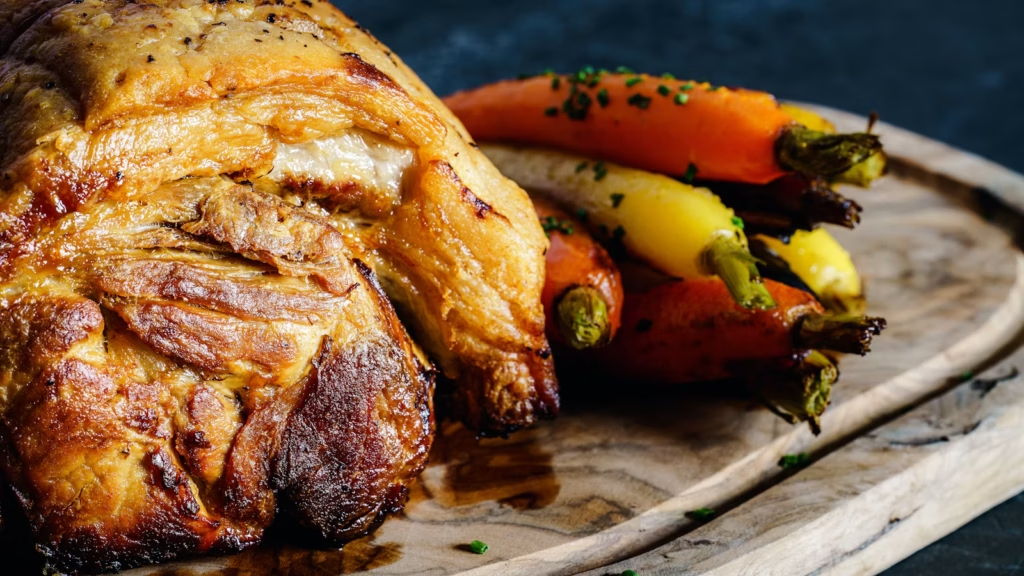
A bowl of marinade can look wonderfully busy—golden honey, sharp mustard, herbs floating on top—yet the real test comes after the pork reaches the cutting board. This pork fillet marinade balances salt, gentle sweetness, acidity, and aromatics, then pairs them with a quick sear and hot oven so the lean meat gains flavor without being cooked into submission.
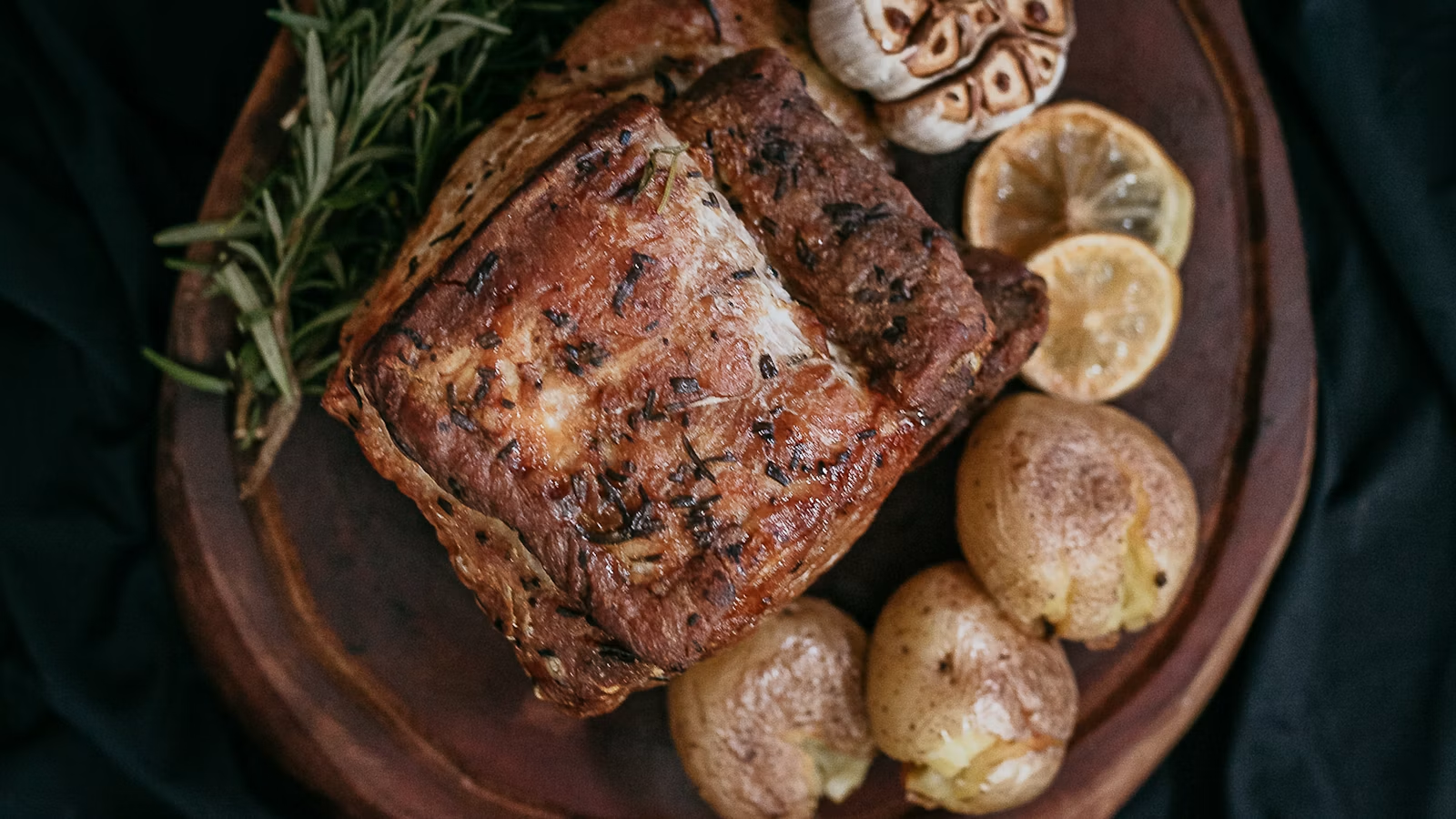
Give the marinade two quiet hours, then let a thermometer—not guesswork—decide when the pork is ready.
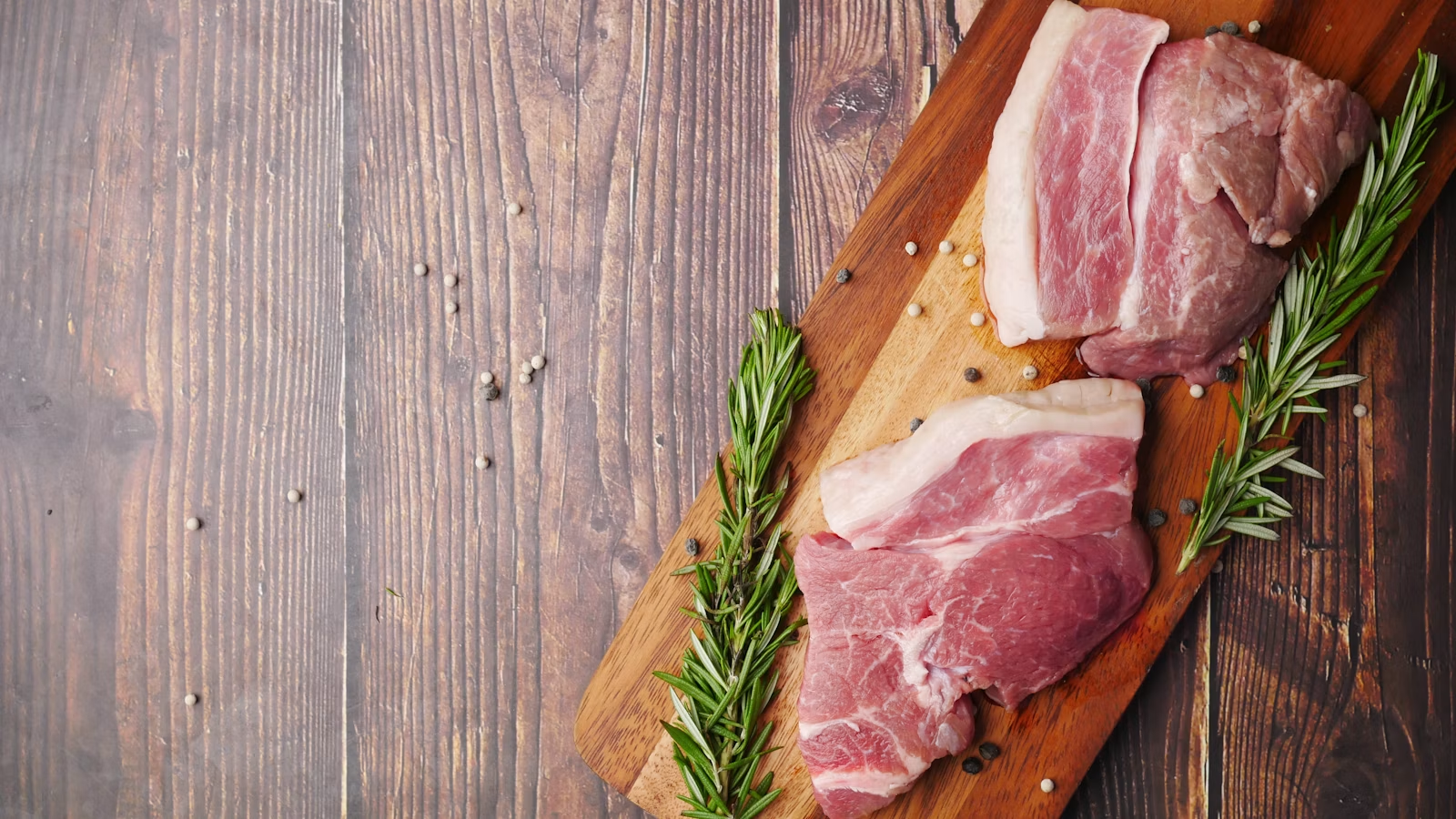
What makes this pork fillet marinade work
Pork tenderloin—often sold as pork fillet—is mild, lean, and naturally tender. A marinade is most useful for seasoning its surface and helping it brown; it cannot replace careful cooking, and it does not need to be aggressively acidic. I prefer cider vinegar here because one tablespoon brightens the mixture without turning the outside chalky during a long soak.
- Soy sauce: supplies salt and savory depth, so the recipe does not need another heavy pinch of salt.
- Honey: rounds out the vinegar and encourages a caramelized exterior; excess marinade should drip off before searing so it does not scorch.
- Dijon mustard: brings tang and helps the oil and watery ingredients mingle more evenly.
- Garlic, thyme, and paprika: add aroma and warmth without hiding the pork itself.
Silver skin is the pale, shiny membrane along the fillet. Trim it with a small sharp knife because it stays chewy and can pull the meat into an awkward curl. Ordinary surface fat can remain; the goal is a tidy fillet, not a piece of meat that has been fussed over until dinner feels like paperwork.
How long to marinate pork fillet safely
Two hours in the refrigerator gives this pork fillet marinade time to season the exterior without dominating the meat. If your schedule is tight, 30 minutes still adds flavor. Overnight is workable, but I would not push an acidic marinade far beyond that for this slender cut because texture matters more than winning a patience contest.
- Marinate in a sealed bag or covered, nonreactive dish in the refrigerator—not on the counter.
- Keep raw pork and its juices away from ready-to-eat foods, utensils, and clean plates.
- Discard used marinade. If you want sauce for serving, reserve a clean portion before the raw pork goes in.
- After handling the raw fillet, wash hands, the board, and tools with hot, soapy water.
Those habits are the same practical separation rules covered in Tastiva’s guide to preventing cross contamination. They are small steps, but they matter more than any clever ingredient in the bowl.
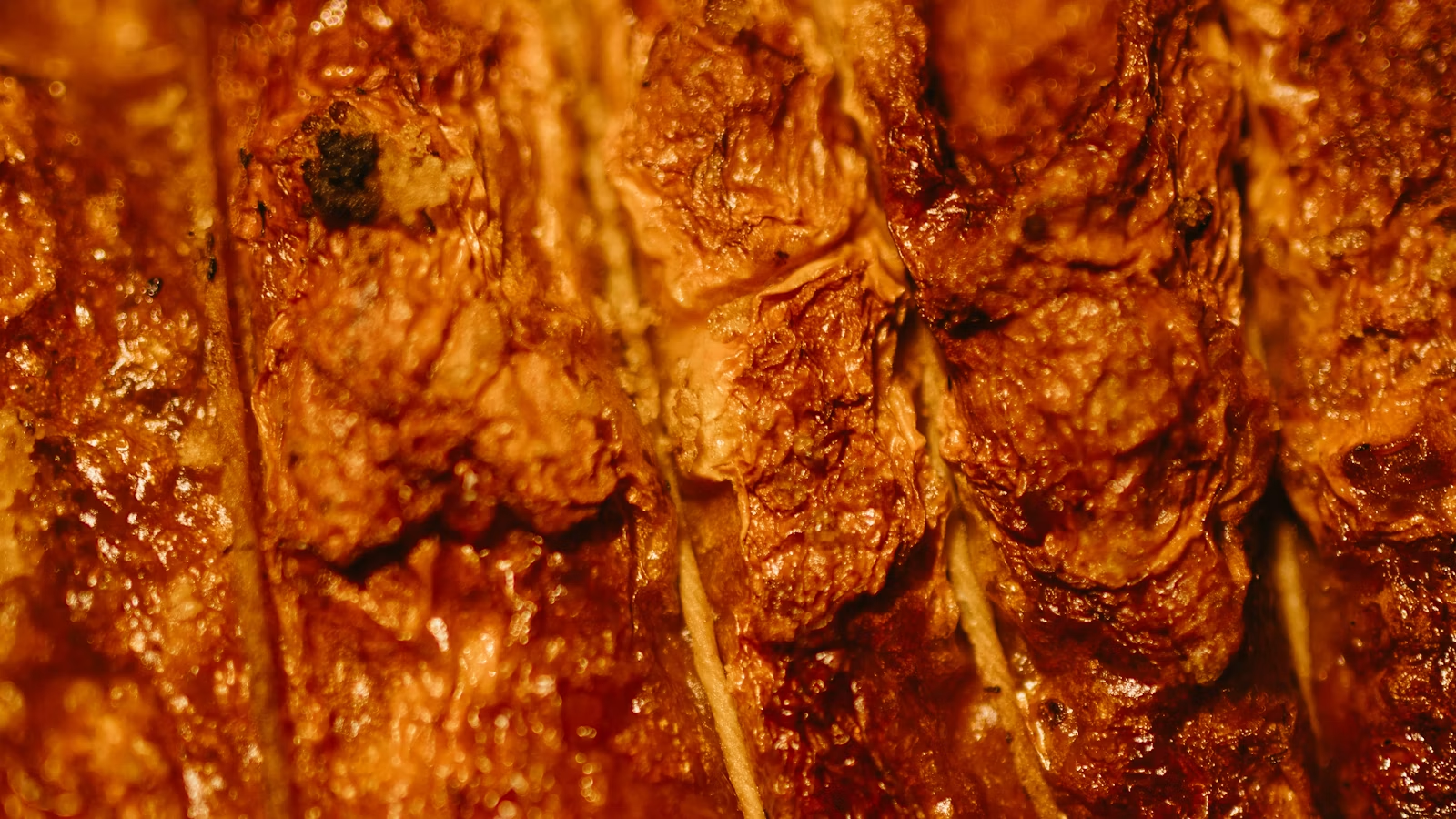
Sear first, then trust the thermometer
Patting away excess marinade is the difference between browning and steaming. Heat a thin film of neutral oil in an oven-safe skillet, turn the fillet until every side has color, then finish it in a 425°F (220°C) oven. Because fillets vary in thickness, the clock offers a useful window; the thermometer gives the answer.
- Sear for 5 to 6 minutes total, turning the fillet as each side develops a deep golden surface.
- Roast for roughly 10 to 14 minutes, checking early if the fillet is small.
- Insert the thermometer into the thickest center without touching the hot pan.
- Remove the pork at 145°F (63°C) and rest it for at least 3 minutes before slicing.
A faint blush can remain at that temperature; color alone is not a reliable safety test. If you want more detail about placement and carryover heat, the pork loin temperature guide explains the same thermometer-first approach.
Substitutions, serving ideas, and leftovers
Low-sodium tamari can replace soy sauce when you need a gluten-free option, but verify the label on every packaged ingredient. Maple syrup can stand in for honey in the same amount, with a slightly woodier sweetness. Dried thyme is stronger than fresh, so use about one-third as much rather than letting the herb take over the room.
- For a lighter plate: serve the sliced pork with green beans, roasted carrots, or a crisp cabbage salad.
- For a heartier dinner: add mashed sweet potatoes, brown rice, or crusty bread for the pan juices.
- For leftovers: refrigerate promptly in a shallow airtight container and slice only what you need; whole pieces lose less moisture when reheated gently.
I would keep the sides simple because the pork already has sweet, tangy, smoky notes. The leftover slices are also good cold in a sandwich with crunchy greens and mustard—one of those lunches that looks planned even when it is really dinner doing an encore.
Pork Fillet Marinade Recipe
The editable recipe card below contains the full ingredient amounts, two-hour marinating time, oven temperature, nutrition estimate, and safe finishing temperature. Read it once before you begin so the skillet and thermometer are ready when the pork leaves the refrigerator.
Pork Fillet Marinade Recipe

Ingredients
- 1 1/4 pounds pork tenderloin or pork fillet about 570 g, silver skin removed
- 2 tablespoons extra-virgin olive oil
- 2 tablespoons reduced-sodium soy sauce
- 1 tablespoon apple cider vinegar
- 1 tablespoon honey
- 1 tablespoon Dijon mustard
- 3 cloves garlic finely minced
- 1 teaspoon fresh thyme leaves or 1/3 teaspoon dried thyme
- 1/2 teaspoon smoked paprika
- 1/4 teaspoon freshly ground black pepper
- 1 teaspoon neutral oil for searing
Equipment
- 1 large resealable bag or covered glass dish
- 1 Whisk
- 1 large oven-safe skillet
- 1 Instant-read thermometer
Instructions
- Whisk the olive oil, soy sauce, cider vinegar, honey, Dijon, garlic, thyme, smoked paprika, and black pepper until the honey and mustard are evenly dispersed.
- Place the trimmed pork fillet in a resealable bag or covered glass dish. Pour in the marinade, turn to coat, and refrigerate for 2 hours. Turn the bag once if convenient.
- Heat the oven to 425°F (220°C). Remove the pork from the marinade, discard the used marinade, and pat the surface lightly dry so it can brown.
- Heat the neutral oil in a large oven-safe skillet over medium-high heat. Sear the pork for 5 to 6 minutes total, turning until browned on all sides.
- Transfer the skillet to the oven and roast for 10 to 14 minutes, or until an instant-read thermometer inserted in the thickest part reaches 145°F (63°C).
- Move the pork to a clean board and rest for at least 3 minutes. Slice across the grain into medallions and serve with any clean, unused marinade reserved before contact with raw meat, if desired.
Nutrition
Video
Notes
- Marinate only in the refrigerator, never on the counter.
- Discard marinade that touched raw pork unless it is boiled according to authoritative food-safety guidance; the simplest option is to reserve a clean portion before adding the meat.
- For a gluten-free version, use certified gluten-free tamari in place of soy sauce and verify every packaged ingredient.
- The nutrition estimate uses the full listed marinade, so actual intake may be lower when excess marinade is discarded.
Tried this recipe?
Let us know how it turned out!Sources
- FoodSafety.gov: Four Steps to Food Safety
- USDA FSIS: Safe Minimum Internal Temperature Chart
- USDA FoodData Central
Hi, I’m Laura, the voice behind Tastiva. I’ve always believed that eating well should feel enjoyable, comforting, and realistic—not like another complicated rule to follow. I love creating recipes that fit into everyday life, sharing simple nutrition ideas, and finding small ways to make meals feel a little better without losing the pleasure of good food.