
Nduja can look a little mysterious in the jar: brick red, soft enough to spoon, and far more spreadable than a typical salami. It is a spicy cured pork specialty from Calabria in southern Italy, traditionally made with pork, fat, salt, and generous amounts of Calabrian chile. A small spoonful can season an entire pan.
Think of nduja as both a salume and a seasoning: rich enough to spread, bold enough to flavor dinner.
What nduja tastes like
The first impression is savory pork, followed by smoky, fruity chile and a slow warmth. Good nduja is rich rather than simply hot. The fat carries the chile flavor and melts when warmed, so the paste can disappear into tomato sauce, beans, eggs, or braised greens while leaving a deep, rounded heat behind.
Heat varies by producer. Imported Calabrian products can be assertive, while some locally made versions are gentler. If you are new to it, taste a pea-size amount before cooking. That tiny test makes it much easier to decide whether your dish needs a teaspoon or a tablespoon.
Nduja sausage is not a firm slicing salami
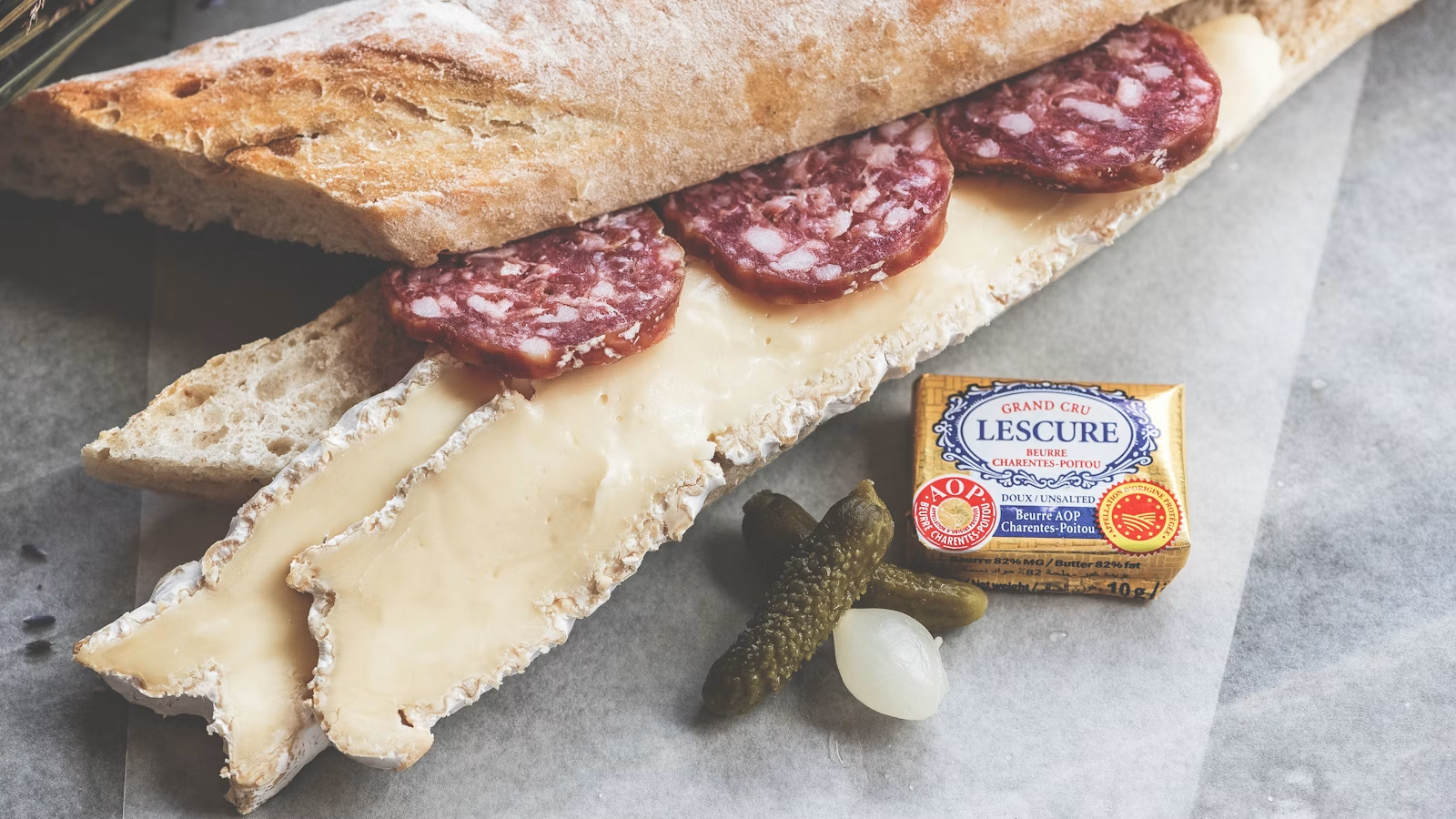
You may see the phrase “nduja sausage,” but texture is the important distinction. Unlike a dry salami made for neat slices, nduja stays soft and spreadable. Traditionally it is stuffed into a casing, yet many shops sell it in jars or tubs for convenience. Both forms can be authentic expressions of the same food.
It is also different from a chile paste. Pork and fat supply body, salt, and savoriness, so a spoonful changes more than a dish’s heat level. If you need a pork-free alternative, use a combination of olive oil, smoked chile, tomato paste, and a little miso, knowing that it will be an inspired substitute rather than nduja.
Easy ways to use it without overpowering dinner
Warm nduja gently in a skillet so the fat loosens, then build the rest of the dish around it. Start modestly; you can always add more. It pairs especially well with sweet or creamy ingredients that soften its edges.
- Stir a teaspoon into tomato sauce for pasta or spoon it into a pot of beans.
- Dot it across pizza before baking, rather than covering every bite.
- Whisk a little into softened butter for toast, corn, or roasted vegetables.
- Fold it into scrambled eggs or spoon it beside a runny fried egg.
- Balance it with ricotta, mozzarella, honey, or sweet peppers on crostini.
How to buy and store nduja
Read the ingredient list and choose the heat level that suits your table. The product should smell meaty, warm, and pleasantly spicy—not sour or stale. Packaging directions take priority because nduja is sold in different formats. Once opened, keep it tightly covered in the refrigerator and use the maker’s stated timeline.
Use a clean utensil each time and discard the product if you notice mold, an off odor, a swollen package, or other spoilage. Freezing small portions may be possible, but check the label first; texture can shift after thawing. For pantry planning, it belongs with other high-impact ingredients: a little goes a long way, much like a concentrated paste or strong cheese. Tastiva’s budget pantry meal plan shows how small, flavorful staples can help carry several meals.
One more practical note: nduja’s salt and fat vary as much as its heat. If you stir it into a sauce, wait before adding the recipe’s usual salt or oil. Let the nduja melt, taste the whole pan, and then decide what is missing. The same restraint helps when pairing it with cheese, olives, or cured meat, all of which add their own salinity. In a cold preparation, soften the nduja at room temperature only briefly so it spreads easily, then return leftovers to the refrigerator. Treat it as a perishable meat product, not a shelf-stable jar of chile paste.
A useful way to remember it
Nduja is not a challenge ingredient that needs a special occasion. It is a practical flavor builder. Let it melt into something mild, keep the portion small at first, and give the heat a creamy, starchy, or sweet counterpoint. Once you stop expecting slices, the jar suddenly makes sense as both ingredient and finishing touch.
Sources

Hi, I’m Laura, the voice behind Tastiva. I’ve always believed that eating well should feel enjoyable, comforting, and realistic—not like another complicated rule to follow. I love creating recipes that fit into everyday life, sharing simple nutrition ideas, and finding small ways to make meals feel a little better without losing the pleasure of good food.