

Kefir looks a little like pourable yogurt, but it has its own character: tart, lightly creamy, and sometimes faintly fizzy. Traditional milk kefir is fermented with kefir grains, communities of bacteria and yeasts held in a polysaccharide matrix. The result is a cultured drink, not simply yogurt thinned with milk.
Kefir can be a useful food, but the label—not the halo around “probiotics”—tells you what is actually in the bottle.
What kefir tastes and feels like
Plain milk kefir is tangier than milk and often thinner than spoonable yogurt. Fermentation can create a little natural carbonation and a yeasty aroma. Flavored versions are usually sweeter and may be thicker. If you dislike sharp flavors, blend plain kefir with fruit rather than assuming you need the most heavily sweetened bottle.
Texture varies with milk, fermentation time, straining, and stabilizers. Separation is not automatically spoilage; cultured drinks can form a thinner layer that mixes back in when shaken. Follow the package directions, and discard it if the container is swollen, the smell is unpleasant rather than pleasantly sour, or mold appears.
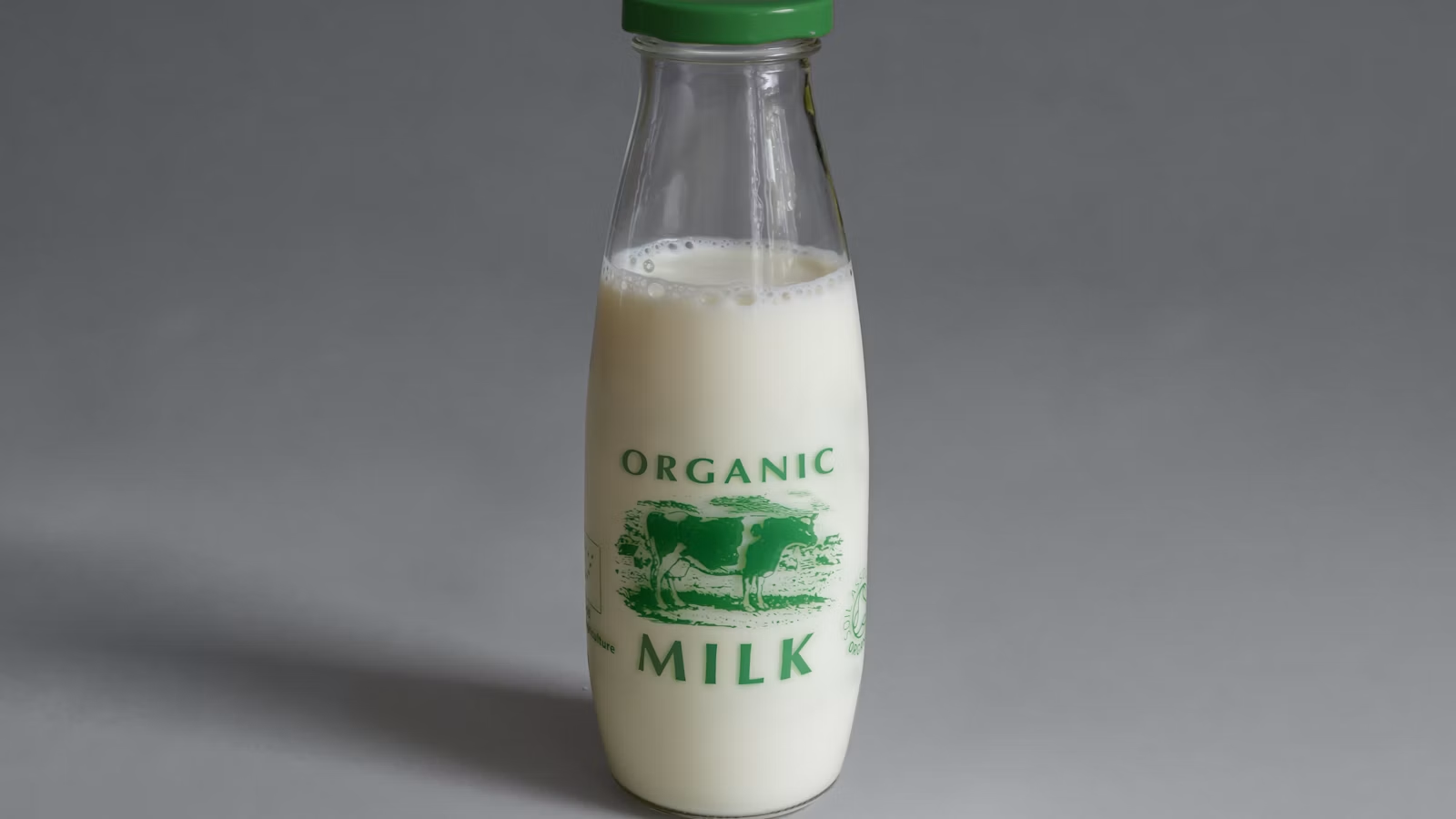
Kefir vs. yogurt—and what “kefir yogurt” means
Both foods begin with milk and live cultures, but their microbial communities and production methods differ. Yogurt relies on defined bacterial cultures. Kefir grains contain a broader, variable mix of bacteria and yeasts. That difference helps explain kefir’s drinkable texture, brighter acidity, and occasional fizz.
“Kefir yogurt” is often a marketing description for a thick kefir-style product rather than a separate traditional category. Check whether the package says drinkable kefir, cultured milk, or yogurt, then compare serving size, added sugar, protein, and the cultures listed. Use matters too: drinkable kefir pours easily into smoothies, while a thick product may suit a bowl.
Milk kefir, water kefir, and dairy-free products
Milk kefir is the familiar cultured dairy drink. Water kefir is made with a different grain culture in sweetened water, producing a light fermented beverage. Dairy-free “kefir” products may use coconut, oat, or other bases. They can contain live cultures, but their protein, sugar, and micronutrients may be very different from dairy kefir.
- Choose plain when you want control over sweetness.
- Compare added sugars, not just total sugars; milk naturally contains lactose.
- Look for a statement about live and active cultures when that is your priority.
- Check protein per serving if kefir is standing in for a snack.
- For allergies or vegan eating, verify the base and the facility warning on the label.
What the evidence can—and cannot—promise
Kefir supplies nutrients from its base ingredients and may provide live microorganisms. Research on fermented foods is active, but benefits depend on the specific product, strains, dose, and person. Tastiva’s guide to probiotics benefits explains why strain-level evidence and realistic expectations matter. A study on one preparation does not prove that every supermarket bottle treats a condition. That is why “supports a varied diet” is a more honest frame than “fixes your gut.”
Some people find fermented dairy easier to tolerate than milk, yet kefir still contains lactose and milk protein. Lactose intolerance is not the same as a milk allergy. Anyone with a diagnosed allergy should avoid dairy kefir unless a clinician says otherwise; anyone with a compromised immune system should ask a healthcare professional whether live-culture products are appropriate.
How to use and store kefir
Drink it chilled, blend it with fruit, pour it over oats, or use it where its acidity helps—smoothies, cold soups, dressings, and some marinades. In baking, it can often play a role similar to buttermilk, but the thinner texture may require a small adjustment. Start with a recipe written for kefir before improvising.
Keep commercial kefir refrigerated and follow its use-by and after-opening guidance. Return it to the refrigerator promptly after pouring, use clean utensils, and do not drink directly from a container you plan to keep. If you make kefir at home, sanitation and reliable instructions matter; fermentation is not a substitute for food-safety habits.
Homemade kefir is not automatically stronger, safer, or more beneficial than a commercial product. Its microbes and acidity can vary from batch to batch, and a pleasant sour smell does not verify safety. Beginners are best served by established instructions, clean equipment, fresh milk or another suitable base, and conservative storage. When a medical condition makes fermented foods a concern, individualized advice matters more than a general wellness claim.
Sources
- NIH Office of Dietary Supplements: Probiotics
- Review of human evidence on kefir
- FDA: How to Understand and Use the Nutrition Facts Label

Hi, I’m Laura, the voice behind Tastiva. I’ve always believed that eating well should feel enjoyable, comforting, and realistic—not like another complicated rule to follow. I love creating recipes that fit into everyday life, sharing simple nutrition ideas, and finding small ways to make meals feel a little better without losing the pleasure of good food.