
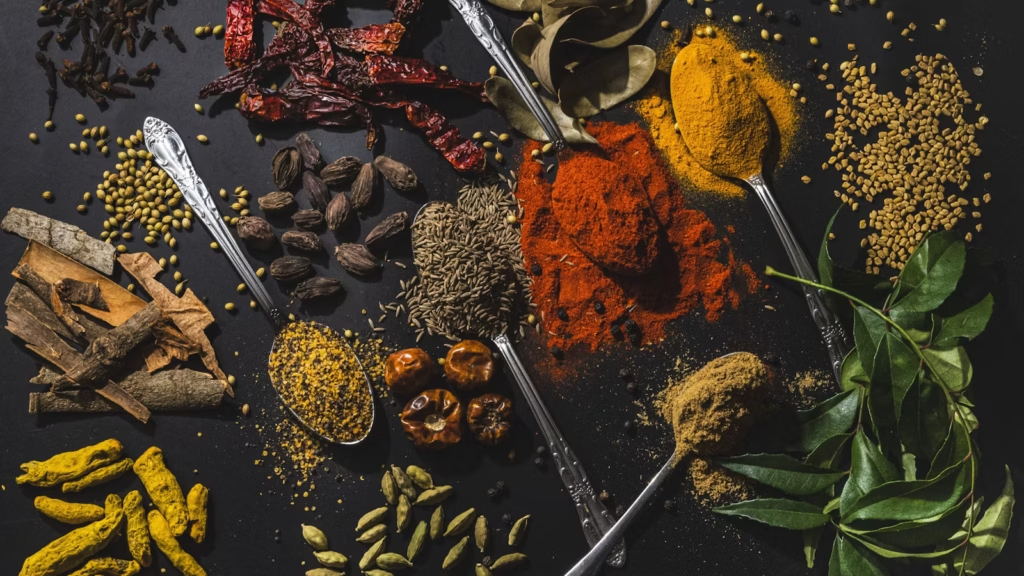
Garam masala is a fragrant Indian spice blend designed to bring warmth and aroma, not necessarily chile heat. There is no single universal formula. One jar may lean sweet with cinnamon and cardamom; another may be earthier with cumin and ground coriander. The useful skill is learning your blend, then adding it with intention.
Garam masala is a family of blends, so the label in your hand matters more than a rigid ingredient list.
What garam masala tastes like
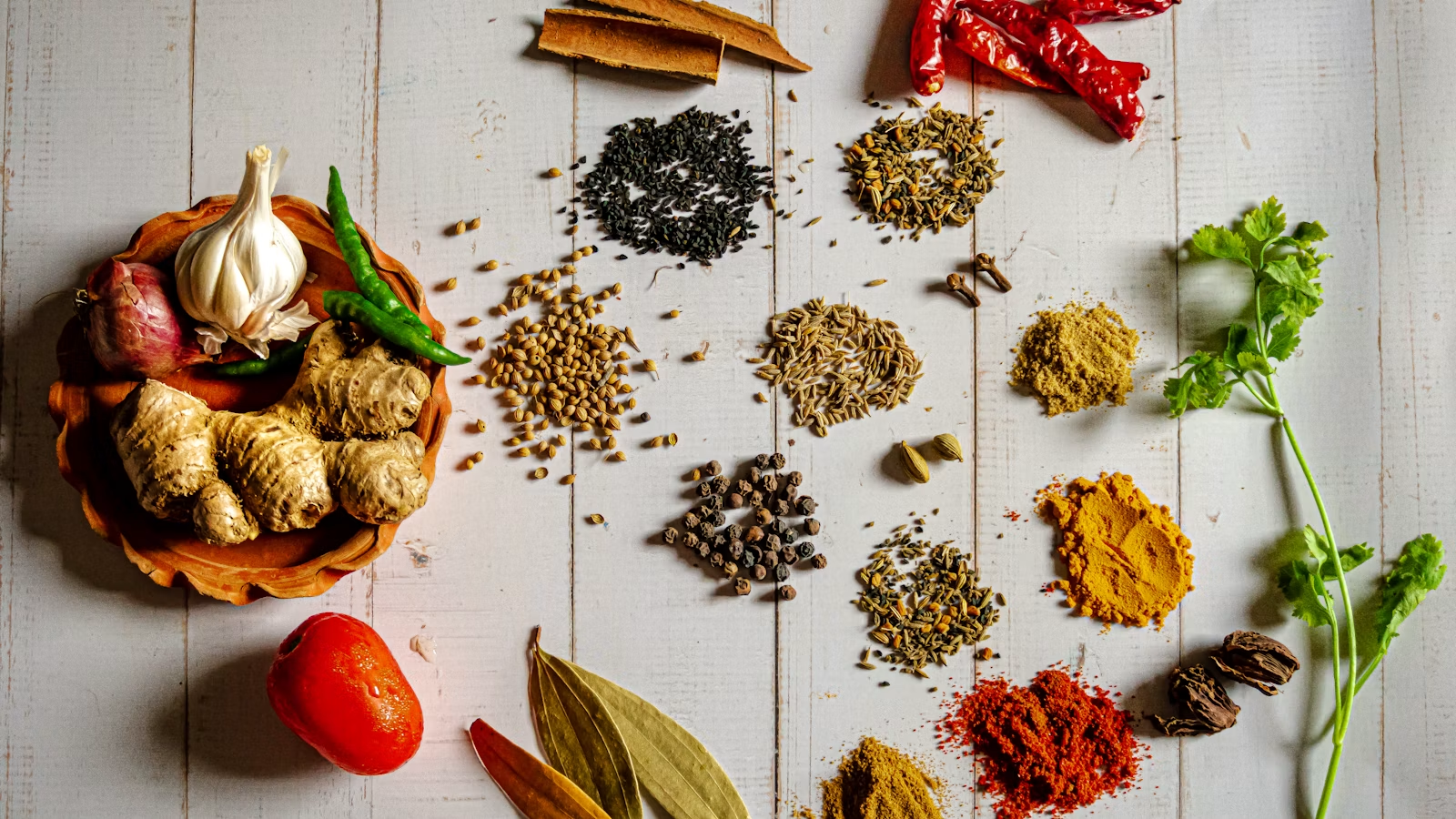
The aroma is usually warm, toasted, and complex. Common ingredients include cumin, coriander, cardamom, cinnamon or cassia, cloves, black pepper, nutmeg, mace, and bay leaf. Recipes vary by region, household, cook, and dish. Some blends contain fennel or star anise; others omit several familiar spices entirely.
“Garam” refers to warming qualities in a culinary and traditional sense, not a promise of chile burn. Black pepper may give a little bite, but many blends contain no chile. Smell the jar and taste a pinch stirred into warm oil or plain yogurt. That quick test tells you far more about its strength than the name alone.
When to add it
Many cooks add garam masala toward the end of cooking so its volatile aromas stay bright. A final half teaspoon can wake up a long-simmered lentil dish, curry, or pot of beans. Other recipes bloom part of the blend in fat earlier, building a deeper base. Neither method is automatically correct; the recipe and the blend decide.
If a dish already contains whole spices and a long list of ground spices, begin with less garam masala than you think. Stir, simmer for a minute, then taste. Raw powder can feel dusty, while too much can flatten every other flavor into generic “warm spice.” A brief contact with heat helps the blend integrate.
Practical ways to use it
Garam masala belongs naturally in many South Asian dishes, and it can also season everyday food without turning it into a claim of authenticity. Use the language honestly: roasted carrots with garam masala are garam-masala-seasoned carrots, not automatically an Indian traditional dish.
- Finish lentils, chickpeas, or tomato-based curries with a small pinch.
- Stir it into yogurt with salt and lemon for a quick marinade.
- Toss it with cauliflower, squash, or carrots before roasting.
- Add a restrained amount to tomato soup or a pot of beans.
- Combine it with butter or oil for warm flatbread or popcorn.
Fat carries the aroma especially well, while acid at the end keeps a rich dish from feeling muddy. Salt does a different job: if the food tastes flat, correct the salt before adding more spice. This simple order prevents a fragrant blend from becoming a substitute for basic seasoning.
Buying, substituting, and storing
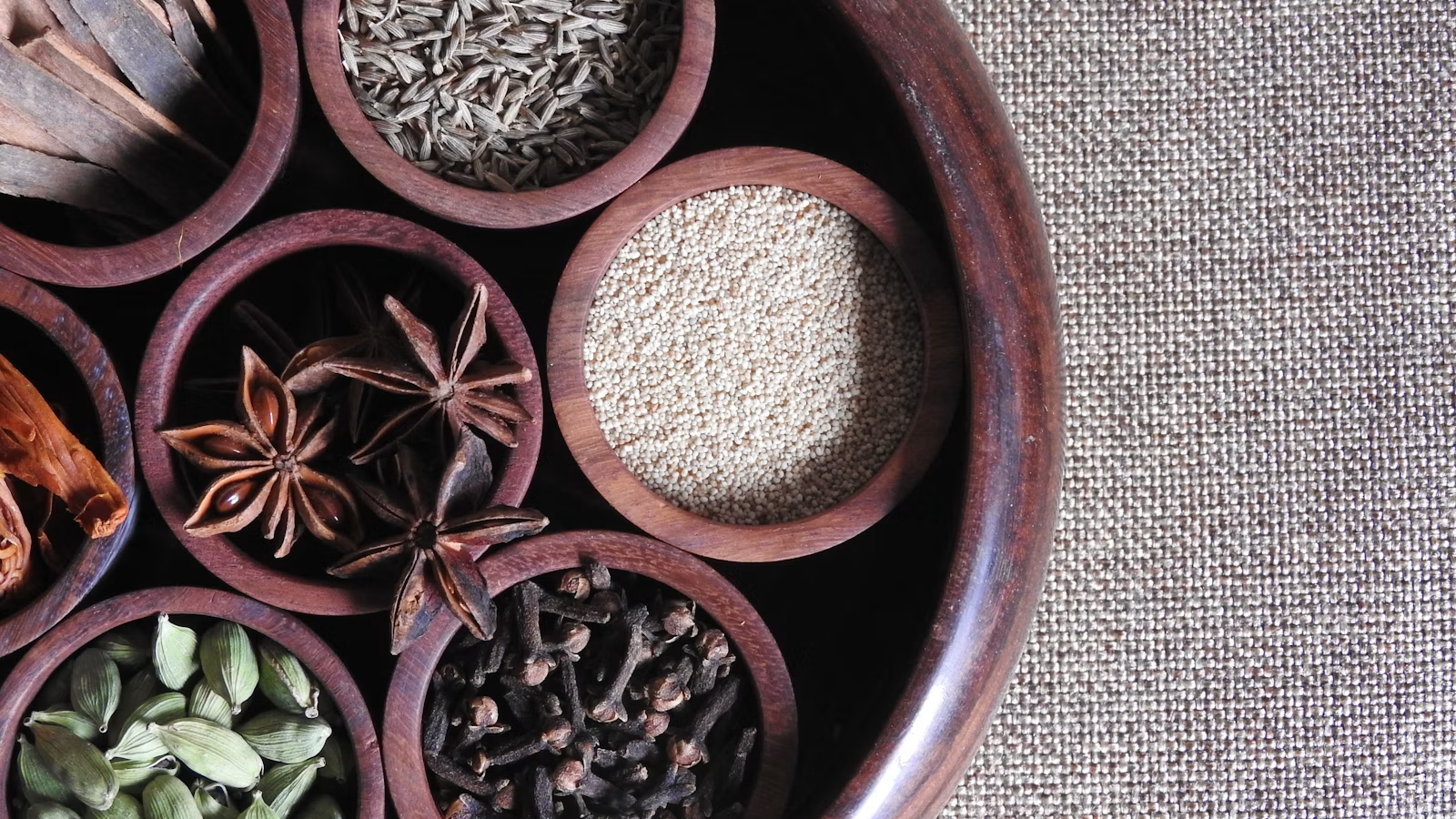
Choose a blend whose ingredient list suits the dish and your household. If you dislike anise, avoid a blend led by fennel or star anise. If you want strong cardamom and cinnamon, look for those near the top. Whole-spice blends ground recently will usually smell livelier, but a small jar from a busy shop is more practical than a large jar that fades for years.
Curry powder is not a direct substitute. It is another family of blends, often with turmeric and a different flavor balance. A homemade garam masala is possible, but substituting individual spices teaspoon for teaspoon can quickly overwhelm a dish. When you have no blend, choose two or three compatible warm spices and describe the result honestly.
Store garam masala airtight, away from heat, light, and steam. Do not shake the jar over a bubbling pot; moisture shortens its useful life. Replace it when the aroma is weak or stale rather than following a magical date. Buying smaller amounts more often usually gives better flavor.
A simple confidence rule
Start with 1/4 teaspoon for a dish serving four if the blend is new to you, then taste and build. Once you know its strength, you can be bolder. The goal is not to identify every spice in every bite; it is to create a fragrant finish that makes the main ingredients taste more complete.
A quarter teaspoon may sound cautious, but it gives you room to notice the blend before it takes over. That habit is especially useful with a newly opened jar, when the aromatic oils are at their strongest.
Sources

Hi, I’m Laura, the voice behind Tastiva. I’ve always believed that eating well should feel enjoyable, comforting, and realistic—not like another complicated rule to follow. I love creating recipes that fit into everyday life, sharing simple nutrition ideas, and finding small ways to make meals feel a little better without losing the pleasure of good food.