
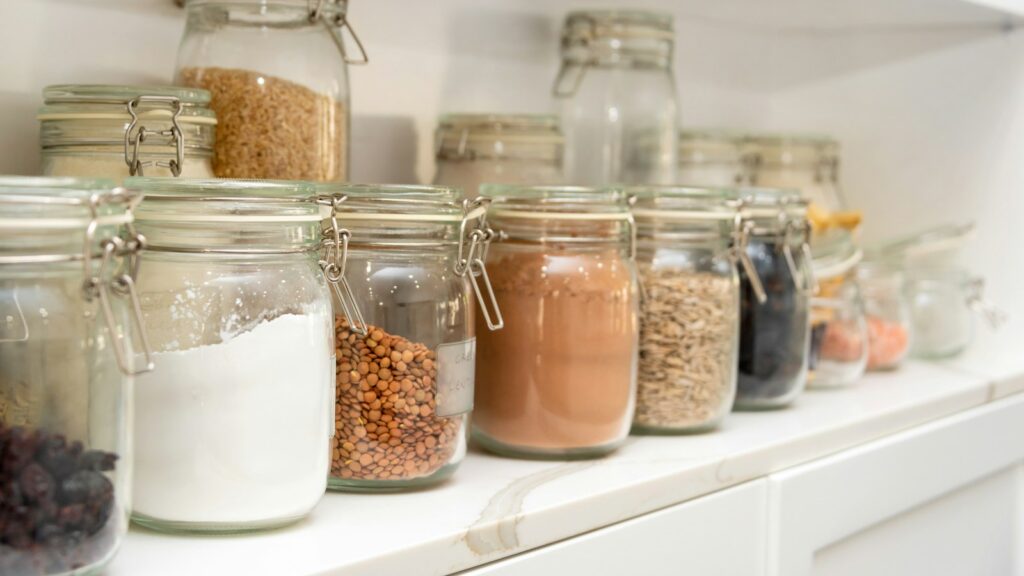
A stocked cupboard is more reassuring when its contents can become something you want to eat. Non-perishable food usually means shelf-stable food that can be stored safely without refrigeration while unopened and kept as directed. It does not mean food lasts forever, stays safe after opening, or can always be eaten without cooking.
Build your pantry around real meals and practical storage; a shelf full of ingredients is only helpful when you can use them.
What counts as non-perishable food?
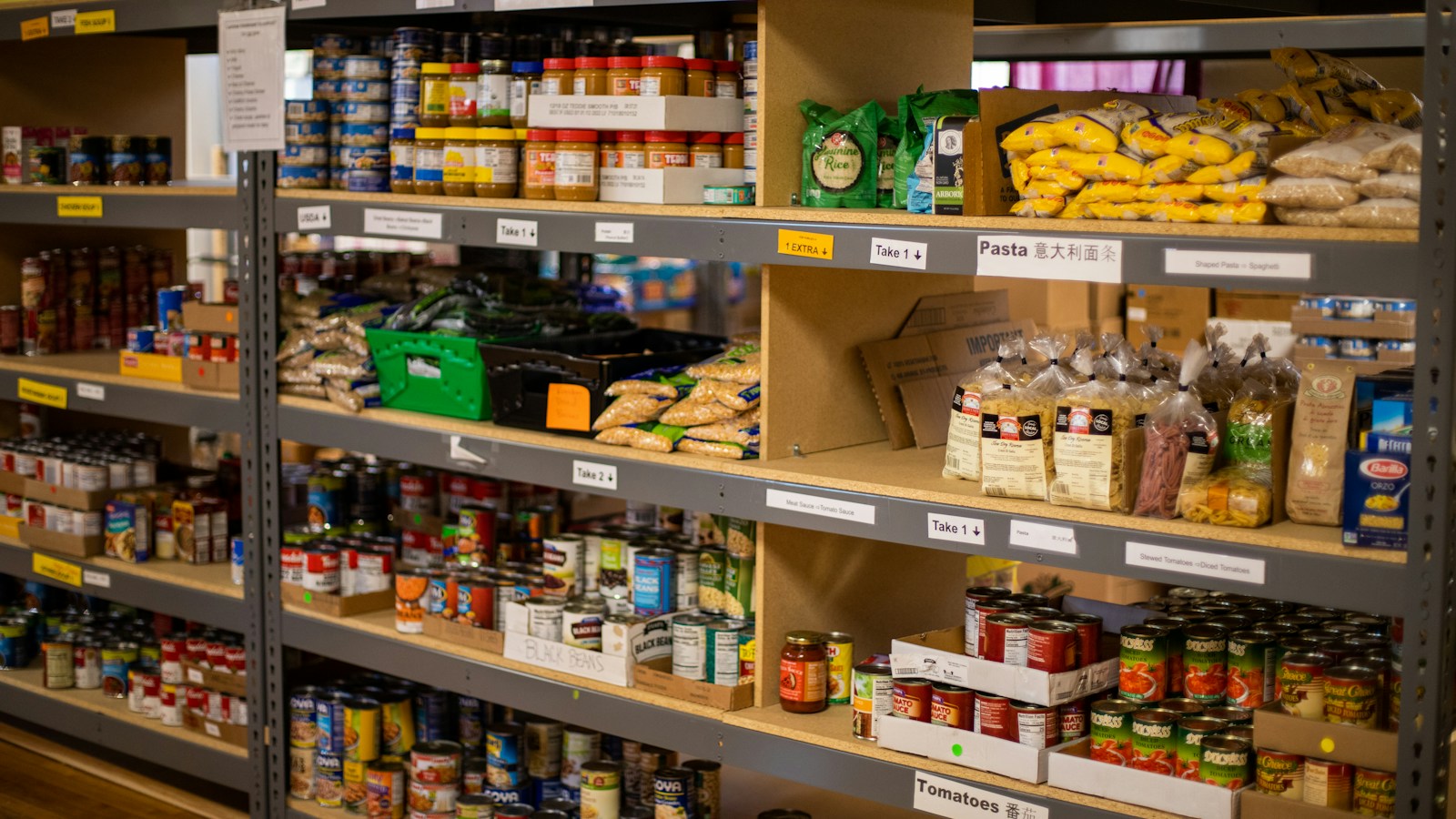
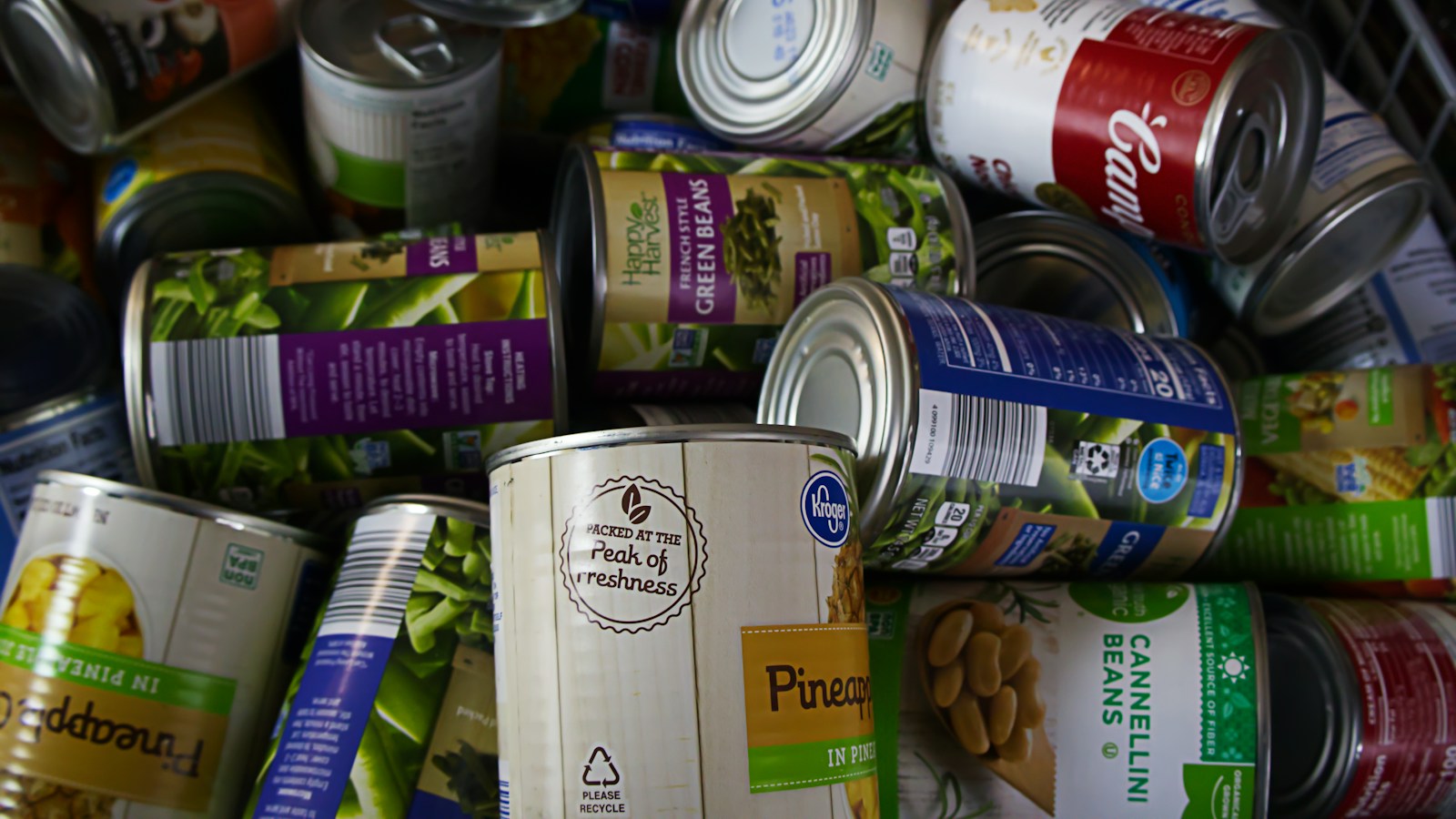
Common examples include dry rice and pasta, commercially canned beans and fish, nut butter, crackers, and shelf-stable milk in packaging labeled for room-temperature storage. The wording on the package matters: a product sold in a tin, pouch, or carton is not automatically shelf-stable. Some similarly packaged foods still require refrigeration.
Separate two questions when choosing supplies: can the unopened food live in the cupboard, and what will it take to eat it? Dry beans may store well but need water, time, and cooking. Ready-to-eat canned beans solve a different problem when you need a meal without a working stove.
| Pantry category | Examples | Main preparation or storage consideration |
|---|---|---|
| Ready-to-eat proteins | Canned beans, canned fish, nut or seed butter | Check opening instructions and allergies |
| Grains and starches | Rice, pasta, oats, crackers | Some need safe water and cooking |
| Fruit and vegetables | Commercially canned produce, dried fruit | Choose usable package sizes |
| Milk and alternatives | Shelf-stable cartons or dry milk | Refrigeration after opening or preparation may be required |
| Flavor builders | Dried herbs, spices, oil, suitable sauces | Follow the particular product’s label |
I’d keep the everyday pantry and the emergency supply connected. Foods you use regularly are easier to rotate than a box of unfamiliar items bought once and forgotten. You can build reserves gradually, adding a little extra of a staple that already has a place in your meals.
Choose a few meals before making a long list
Start with combinations that share ingredients without feeling identical. Pasta, beans, canned tomatoes, and seasonings can support several meals, while crackers, nut butter, and fruit cups offer a no-cook option. Include foods that fit allergies, medical needs, and the preferences of the people who will actually eat them.
- A quick cooked meal: Pasta with canned tomatoes and beans, using a safe cooking setup.
- A simple grain bowl: Rice with canned vegetables and a protein source.
- A no-cook lunch: Ready-to-eat canned beans or fish with crackers and canned fruit.
- An easy breakfast: A shelf-stable cereal with a suitably sized milk carton, or nut butter and crackers.
- A familiar snack: Dried fruit with nuts or seeds, when those foods are suitable for your household.
For an emergency, prioritize some foods you can open and eat as sold. Pack a manual can opener, utensils, and any other essentials the chosen foods require. A large sack of rice alone is not a complete plan if clean water or a safe way to cook is unavailable.
Consider portion sizes before buying bulk packages. Smaller cartons or cans may reduce leftovers when refrigeration is uncertain, even if the cost per ounce is higher. Tastiva’s family meal-planning guide can help turn a list of staples into specific combinations instead of a collection of unrelated bargains.
Keep dates, packaging, and opening instructions separate
A “best if used by” date generally communicates expected quality, not a universal moment when every food becomes unsafe. FDA explains that U.S. date wording varies, and infant formula has specific dating requirements. The date does not override damaged packaging, unsafe storage, or instructions that apply once a container is opened.
Check packages when shopping and again before use. Discard leaking or swollen containers and badly damaged cans, especially those damaged at seams; do not taste a questionable product to decide whether it is safe. If food has been exposed to floodwater, follow official disposal guidance rather than assuming an intact-looking package protected it.
- Store dry goods as directed. Keep them protected from moisture, pests, and excessive heat.
- Retain the label. If you move food into another container, keep its identity, date, and preparation directions available.
- Rotate the supply. Put older usable products where you will reach them first.
- Read after-opening directions. Shelf-stable milk, sauces, and canned foods can become perishable after opening.
- Check what is already there. Replace what you use before buying more of an unrelated item.
I find the most useful organizing question is, “What meal will this become?” Put ingredients for an easy combination near one another and keep a short inventory where you can see it. That makes rotation part of ordinary cooking rather than another household project waiting for a free weekend.
Plan for water and a safe way to eat
Emergency food planning includes water for drinking and preparation. CDC recommends storing at least one gallon, about 3.8 liters, per person per day for three days, and more when individual needs or hot conditions require it. Some of that water may be needed for food preparation, so very thirsty ingredients can change the plan.
The American Red Cross recommends a three-day food supply for evacuation and a two-week supply for home, using non-perishable, easy-to-prepare items. Those are planning guides, not a reason to make an unaffordable purchase all at once. Start with a manageable reserve, then adapt it to local guidance and household needs.
During a power outage, keep refrigerator and freezer doors closed and follow official time-and-temperature guidance for perishable food. Do not use outdoor grills or fuel-burning camping equipment indoors. A no-cook pantry option is valuable precisely because it reduces the temptation to improvise an unsafe cooking setup when you are tired or under pressure.
Sources
- American Red Cross: Emergency kit food and supply planning
- CDC: Creating an emergency water supply
- FDA: Date labels and reducing food waste
- FDA: Food and water safety during outages and floods
Hi, I’m Laura, the voice behind Tastiva. I’ve always believed that eating well should feel enjoyable, comforting, and realistic—not like another complicated rule to follow. I love creating recipes that fit into everyday life, sharing simple nutrition ideas, and finding small ways to make meals feel a little better without losing the pleasure of good food.