
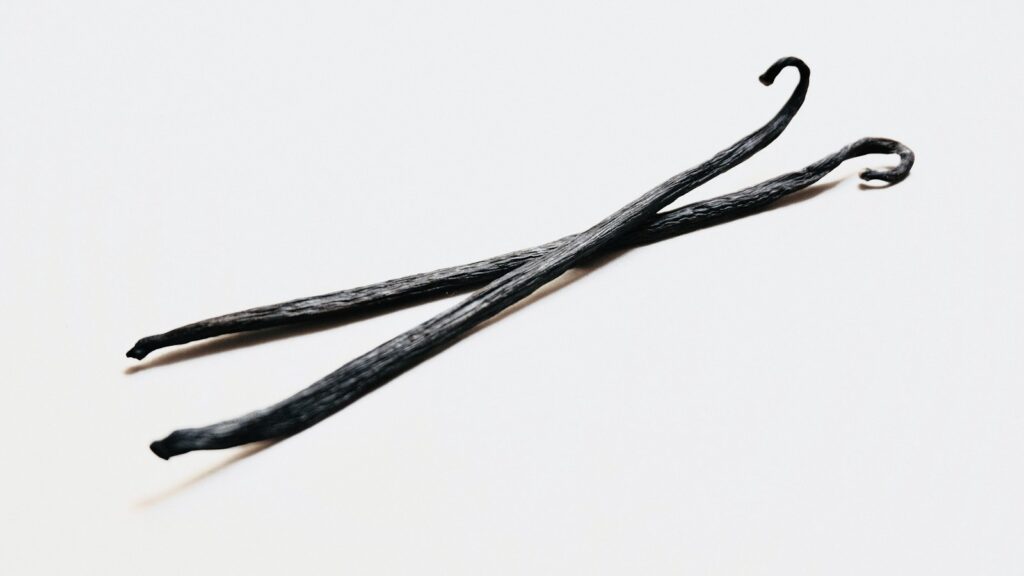
The vanilla shelf can make a small baking decision feel surprisingly expensive. Pure vanilla extract gets its flavor from vanilla beans extracted in alcohol and water; imitation vanilla uses other sources of vanilla flavor. Which bottle makes sense depends on what you’re making, how noticeable the vanilla will be, and what fits your budget.
Give vanilla the most attention when it carries the dessert: a quiet custard leaves more room for its flavor than a heavily spiced cake.
What pure vanilla extract means on a label

In the United States, vanilla extract has a defined standard of identity. It must contain at least 35 percent alcohol by volume and a specified minimum concentration of vanilla-bean extractives. That alcohol helps extract and carry the flavor; its presence does not make a bottle imitation vanilla. The federal standard also permits certain additional ingredients, including sugar and glycerin.
That last detail matters if you’ve been told a real extract can contain only beans, water, and alcohol. A little sugar on the ingredient list does not automatically disqualify it. Conversely, a brown bottle, an expensive-looking label, or a picture of vanilla pods cannot tell you exactly what is inside. Read the product name and ingredients together.
I’d separate three questions before paying more: Is it genuine vanilla extract? Is it the concentration the recipe expects? And is it a flavor you actually want to feature? “Pure” answers a product-identity question. It does not promise that every bottle tastes identical, contains no alcohol, or will make every dessert noticeably better.
Choose the form that fits the dessert
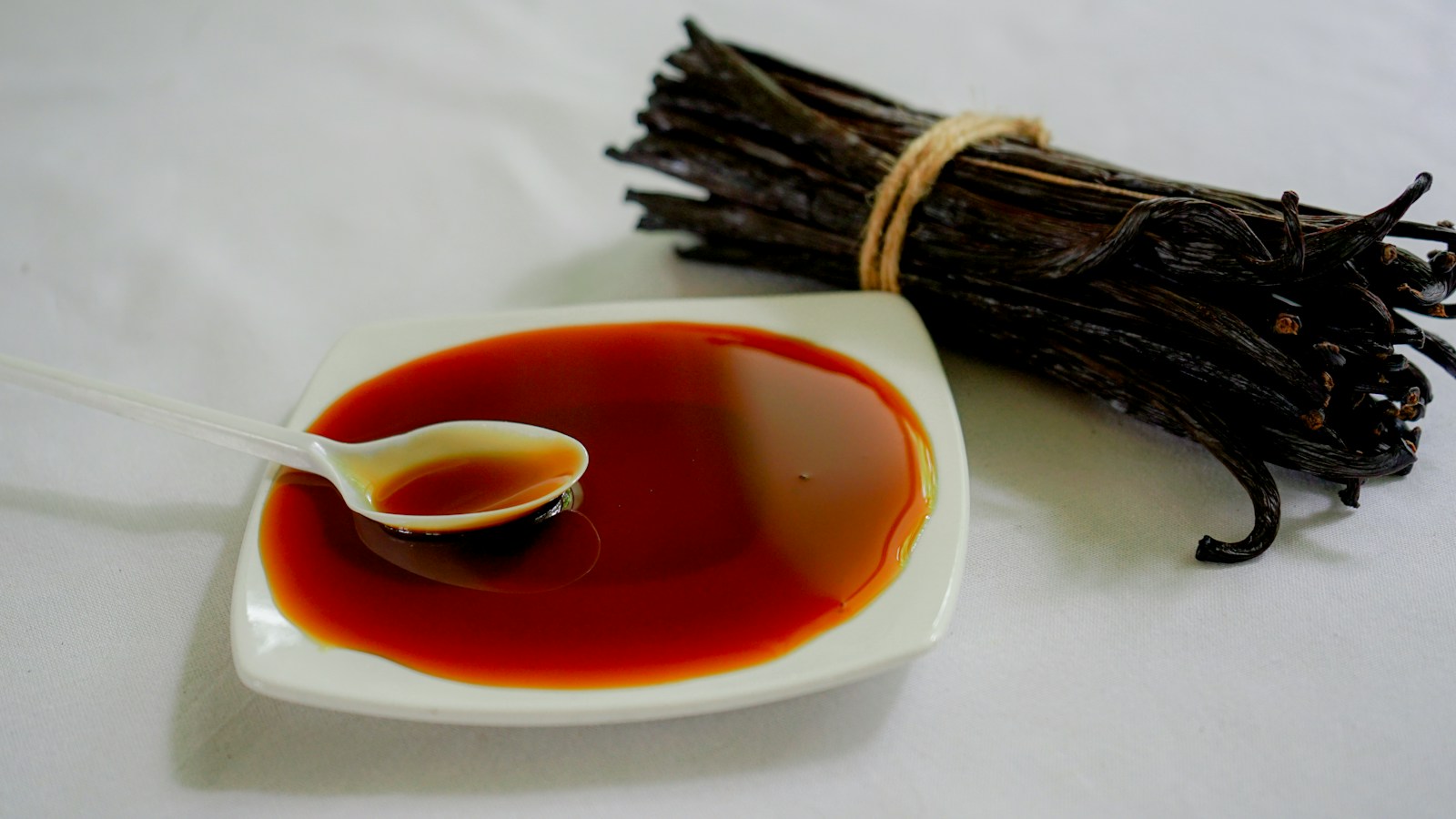
Liquid extract blends easily into batters and creams without leaving visible seeds. Vanilla bean paste offers a thicker mixture with those familiar dark specks, while whole beans need splitting and scraping or steeping. Paste and powder formulas differ, so use the package’s conversion instead of assuming every brand replaces extract in the same amount.
| Form | What it brings | What to check |
|---|---|---|
| Pure vanilla extract | Liquid vanilla-bean flavor | Standard or concentrated strength; alcohol content |
| Vanilla bean paste | Flavor plus visible bean specks | Added sweeteners and the maker’s substitution guidance |
| Whole vanilla bean | Seeds and a pod for infusing | The recipe’s bean size and steeping instructions |
| Imitation vanilla | A familiar vanilla note, often at a lower price | Product strength, ingredients, and color |
| Alcohol-free vanilla flavoring | An option when avoiding alcohol | The full label; it is a different product from standard extract |
For pale frosting, even a small amount of brown extract may affect the shade. For a speckled ice cream, paste or a bean may suit the appearance you want. Neither choice is a requirement for a good dessert. The gelato and ice cream guide offers more context when you’re choosing the kind of frozen dessert to make.
Where spending more is most useful
My practical starting point would be a modest bottle of pure extract for recipes where vanilla is central: custard, whipped cream, plain buttercream, or a simple vanilla dessert. If the same bottle also fits the budget for everyday baking, lovely. If it doesn’t, there’s no need to turn a batch of chocolate chip cookies into a shopping dilemma.
- Vanilla is the main flavor: Choose a bottle whose aroma appeals to you, and use the recipe’s amount before adjusting.
- Strong spices or chocolate dominate: Decide how much you want to spend on a supporting ingredient. A premium label cannot guarantee a difference you’ll notice.
- You bake occasionally: A smaller bottle may be more practical than a large bargain that spends years in the cupboard.
- You’re comparing prices: Compare cost per fluid ounce or milliliter, then check whether one product is concentrated.
- You want to compare two extracts: Try equal measured amounts in separate small portions of the same suitable food, such as plain yogurt. Label the portions before tasting.
That last comparison is more informative than tasting extract straight from the bottle, where the alcohol can dominate. It is also an experiment you can do for your own preferences, not proof that everyone will prefer the same product. Keep the rest of the food identical, and avoid adjusting sugar or adding fruit until after the comparison.
Use the bottle well and store it sensibly
Follow the recipe’s timing rather than adding vanilla whenever the bottle catches your eye. In some cooked creams, it goes in near the end; in baking, it may join the butter mixture or other wet ingredients. Nielsen-Massey gives those approaches in its product guidance. Measuring into a spoon away from the mixing bowl also makes an accidental splash easier to catch.
- Start with the stated amount. Extra extract adds liquid and alcohol as well as aroma; more is not automatically better.
- Check concentrated bottles. Double-strength products need their own directions instead of a casual spoon-for-spoon swap.
- Avoid an alcohol-free assumption. Brief cooking does not guarantee that every trace of alcohol disappears; choose a suitable labeled alternative when avoiding it matters.
- Keep the cap tight. Store according to the maker’s directions, usually in a cupboard away from heat and sunlight.
Nielsen-Massey recommends room-temperature storage and a three-year quality window for its extracts, but that is the manufacturer’s guidance, not a universal expiry date for every bottle. Keep the original label, note when you opened it, and follow product-specific advice. An accessible cupboard is a kinder home for vanilla than a sunny shelf beside the stove.
Sources
- eCFR: Federal standard for vanilla extract
- Nielsen-Massey: Pure vanilla extract ingredients and culinary guidance
- Nielsen-Massey: Vanilla forms, storage, and product questions

Hi, I’m Laura, the voice behind Tastiva. I’ve always believed that eating well should feel enjoyable, comforting, and realistic—not like another complicated rule to follow. I love creating recipes that fit into everyday life, sharing simple nutrition ideas, and finding small ways to make meals feel a little better without losing the pleasure of good food.