
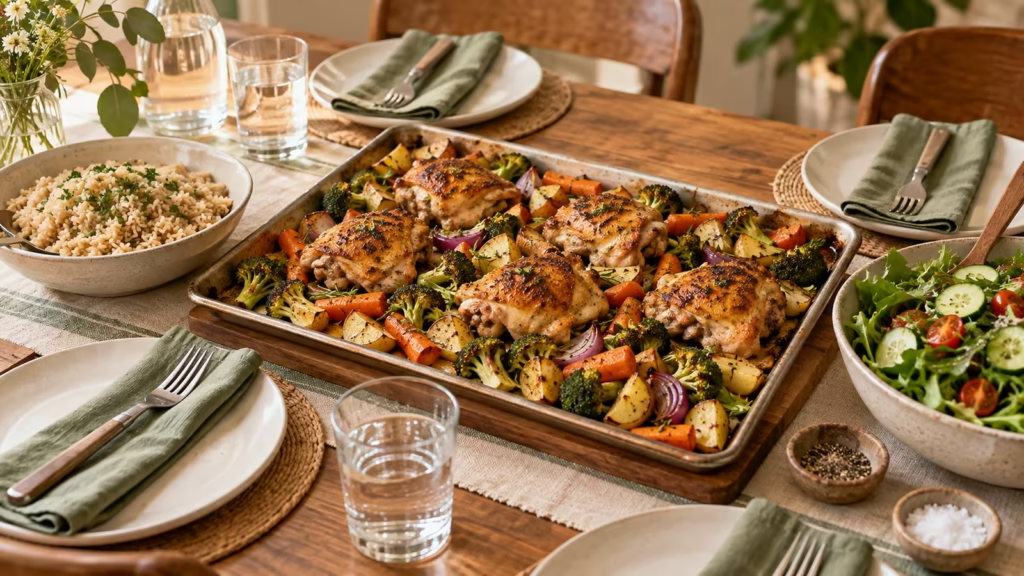
A useful family meal plan is not a rigid calendar or a promise to cook seven perfect dinners. It is a short, flexible map that matches your busiest nights, gives everyone something familiar, and turns one grocery trip into several dependable meals.
Plan for the week you actually have, not the imaginary week in which everyone gets home early.
I’m Laura, and I find that the best family plans leave room for leftovers, changed schedules, and a night when cooking simply is not happening. Five dinner ideas, one backup meal, and one leftover night are usually more helpful than seven unrelated recipes.
Start with your family’s real week
Before choosing food, look at the calendar. Mark late workdays, practices, appointments, and evenings when one person will eat separately. Give the fastest meals to the hardest nights. Save a new recipe for a quieter evening, when you have attention to spare.
Take a quick inventory of the refrigerator, freezer, and pantry. Build at least one dinner around food that needs using, and keep a running list of family favorites. This reduces waste and stops planning from becoming a weekly search for twenty brand-new ideas.
- Pick five planned dinners, not seven, if leftovers and takeout are part of real life.
- Choose one 15-minute backup, such as eggs and toast, bean quesadillas, or soup from the freezer.
- Ask each family member for one dinner request, then rotate requests across the month.
- Note which ingredients can work twice, such as roasted chicken in bowls one night and wraps the next.
Build a flexible five-night map
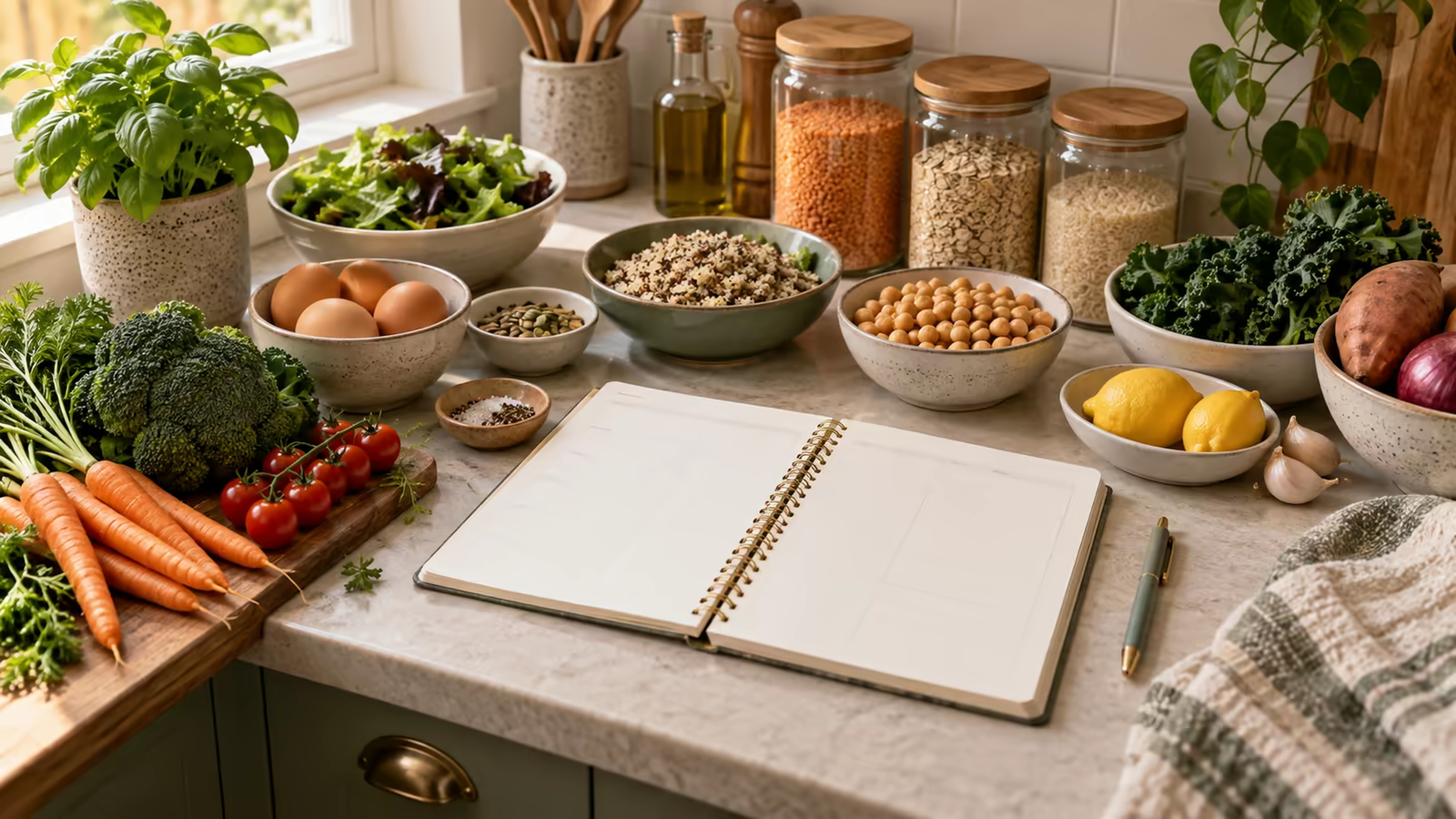
A themed framework makes decisions faster without forcing you to serve the same dish every week. Try one tray meal, one pasta or grain bowl, one taco or wrap night, one soup or slow-cooker dinner, and one use-it-up meal. Change the flavors and ingredients while the structure stays familiar.
Balance can stay simple: include a protein food, a fruit or vegetable, and a grain or starchy food most nights. Dairy or a fortified alternative can fit where your family uses it. The goal is variety across the week, not a perfect plate at every sitting.
If you enjoy a more structured example, Tastiva’s 7-day paleo meal plan shows how repeating ingredients can create different meals. You can borrow the planning method even if your household does not follow a paleo pattern.
Use repeatable dinner formulas
Formulas are more adaptable than recipes. A bowl can combine rice, beans or chicken, vegetables, salsa, and avocado. A sheet-pan dinner can use a protein, two vegetables, oil, and one seasoning blend. Pasta can take a quick tomato sauce, greens, and white beans or meatballs.
- Sheet pan: chicken thighs or tofu + sturdy vegetables + potatoes.
- Build-your-own bowls: grain + beans or meat + chopped vegetables + sauce.
- Tacos or wraps: one filling + crunchy produce + a simple topping.
- Pasta night: pasta + vegetables + protein + sauce or olive oil.
- Breakfast for dinner: eggs or yogurt + toast or oats + fruit.
Serve unfamiliar foods beside something recognizable and let people assemble their own portions when possible. A deconstructed meal is not a separate meal; it is the same components presented with less pressure. For restaurant nights, the principles in building a balanced Chipotle order work for many mix-and-match menus.
Prep components, not seven complete meals
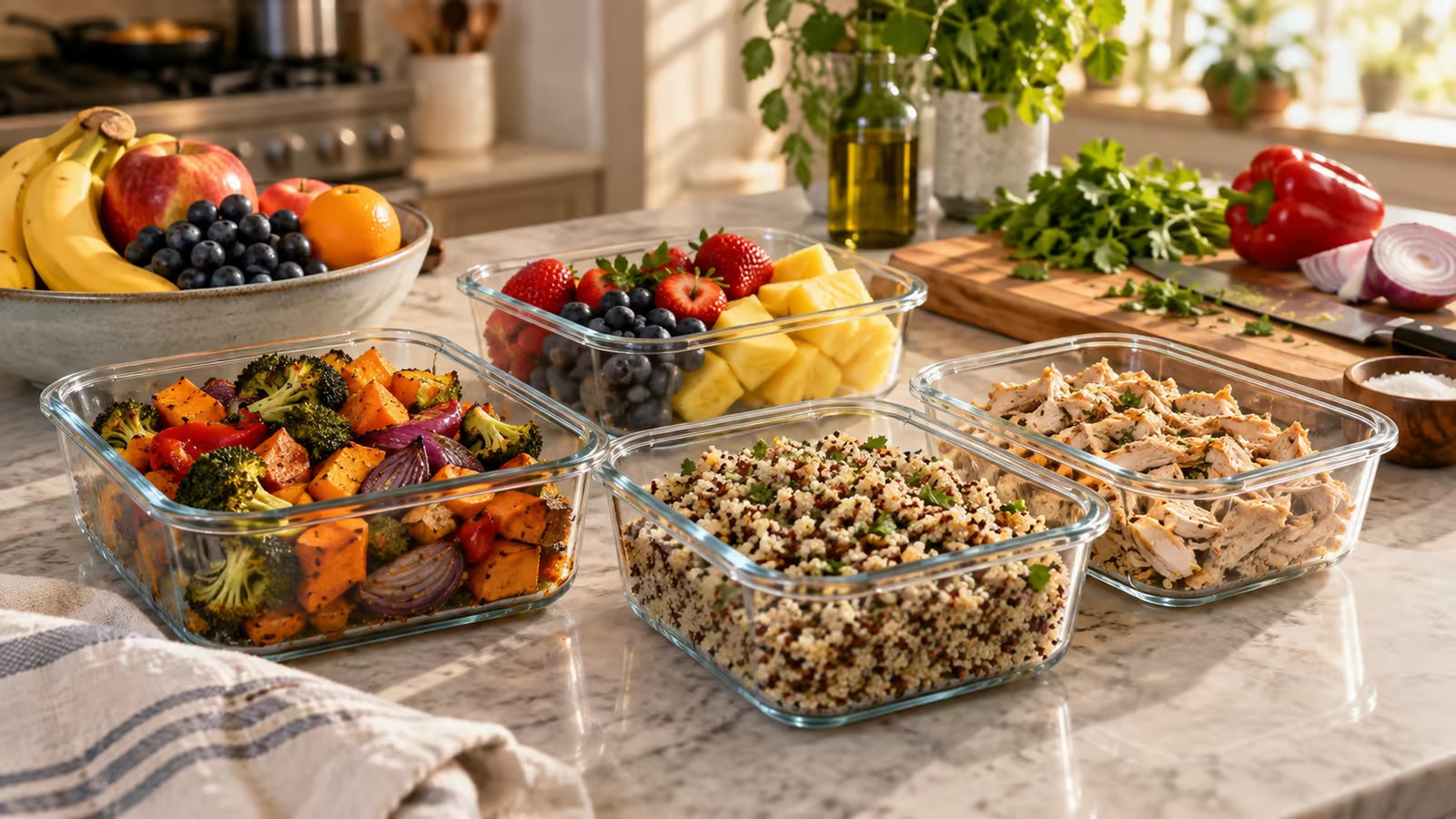
Thirty to sixty minutes of component prep can remove the most annoying weeknight steps. Wash fruit, chop one or two vegetables, cook a grain, mix a sauce, and portion a protein. Stop when the next meal feels easier; meal prep does not need to fill every container you own.
Plan leftovers on purpose. Cool cooked food promptly, refrigerate it in shallow containers, and use or freeze it within the recommended storage window. Label freezer items with the name and date so your backup dinner stays useful instead of mysterious.
Keep the plan visible, but treat it as movable. Swap Tuesday and Thursday, freeze meat you will not reach, and use the backup meal without guilt. A family meal plan succeeds when it lowers decisions and helps people eat—not when every box is checked.
To keep the system sustainable, save successful weeks instead of starting from zero. Photograph the plan or keep a short note with the five dinners and grocery list. After a month, you will have several tested combinations for busy, ordinary, and relaxed weeks. Seasonal produce and sale items can change without rebuilding the whole structure.
If feeding your family regularly causes conflict, anxiety, or concern about growth, bring that pattern to a pediatrician or registered dietitian. A meal plan should support the household; it should not turn dinner into a daily test of willpower.
Sources
- USDA MyPlate: What Is MyPlate?
- FoodSafety.gov: Cold Food Storage Charts
- Academy of Nutrition and Dietetics: Planning Meals and Snacks

Hi, I’m Laura, the voice behind Tastiva. I’ve always believed that eating well should feel enjoyable, comforting, and realistic—not like another complicated rule to follow. I love creating recipes that fit into everyday life, sharing simple nutrition ideas, and finding small ways to make meals feel a little better without losing the pleasure of good food.