
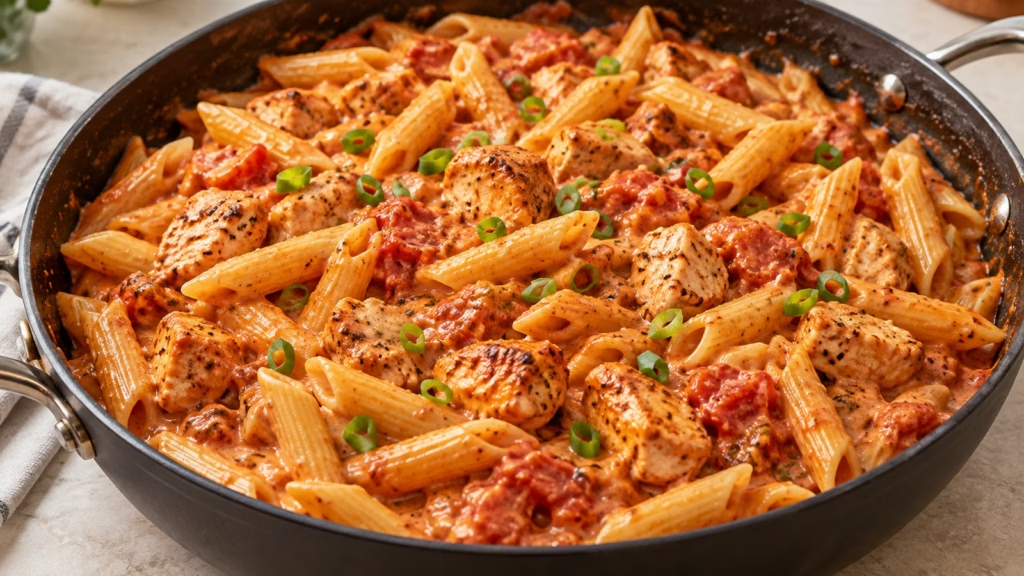
One pot meals are especially welcome when dinner needs to leave you with less washing up. The useful question is whether the pasta, rice, or beans actually cook in the same vessel, or whether the recipe quietly expects another pot first. These four choices make that distinction clear, with a mix of creamy pasta, a rice skillet, lentil soup, and tender cabbage with beans.
Read the ingredient list for “cooked” before you count the pans. A little planning keeps a one-pot dinner from growing extra dishes.
What counts as one pot meals here
Each main recipe below uses one cooking pot or skillet when you begin with the ingredients specified. Prep bowls, a knife, a cutting board, and serving dishes still count toward the washing up. For the cabbage skillet, use canned or already-cooked beans; cooking dried beans especially for dinner would add another step and vessel.
- For pasta: choose a recipe designed to cook dry noodles in its sauce.
- For rice: follow the specified grain and liquid amounts rather than replacing cooked rice with dry rice.
- For soup: a roomy pot makes it easier to sauté vegetables and simmer without crowding.
- For a skillet: check both the diameter and depth, especially when bulky vegetables go in first.
One useful near-match deserves a clear label: Tastiva’s stuffed pepper casserole is a practical dinner, but it uses a skillet and baking dish, plus cooked rice. It belongs on a low-fuss menu when you have those components ready, rather than in a strict one-pot count.
Two one-pot dinners with pasta or rice
- Creamy Cajun-style chicken pasta. Budget Bytes’ one-pot chicken pasta cooks dry penne with chicken, tomatoes, and broth before cream cheese finishes the sauce. Beth Moncel specifies a deep, lidded skillet; the recipe notes a four-quart capacity. This is the choice for a creamy dinner without a separate pasta pot. Stir at the intervals directed so the noodles do not stick, and check that the chicken reaches 165°F.
- Cajun-style sausage and rice skillet. Budget Bytes’ sausage and rice skillet starts by browning smoked sausage, then cooks long-grain white rice in the same pan with pepper, tomatoes, and broth. The covered rest is part of the method, not spare time to skip. Brown rice has different liquid and timing needs, so choose another tested version if that is the grain you want. The recipe also explains how to reduce the heat with a milder sausage and less cayenne.
These are two different kinds of one-pot cooking. The pasta needs periodic stirring, while the rice depends on its covered simmer and rest. Read through the method before starting instead of assuming every pot should be stirred whenever you pass the stove.
Two meatless choices for a softer, spoonable dinner
- Cabbage and white bean skillet. Tastiva’s cabbage and white bean skillet turns short cabbage ribbons, cooked cannellini beans, garlic, and lemon into a spoonable dinner. A wide skillet helps the cabbage soften and pick up some color before the beans join it. Fold those beans gently so they stay recognizable. Bread is a simple serving option that does not require cooking another grain.
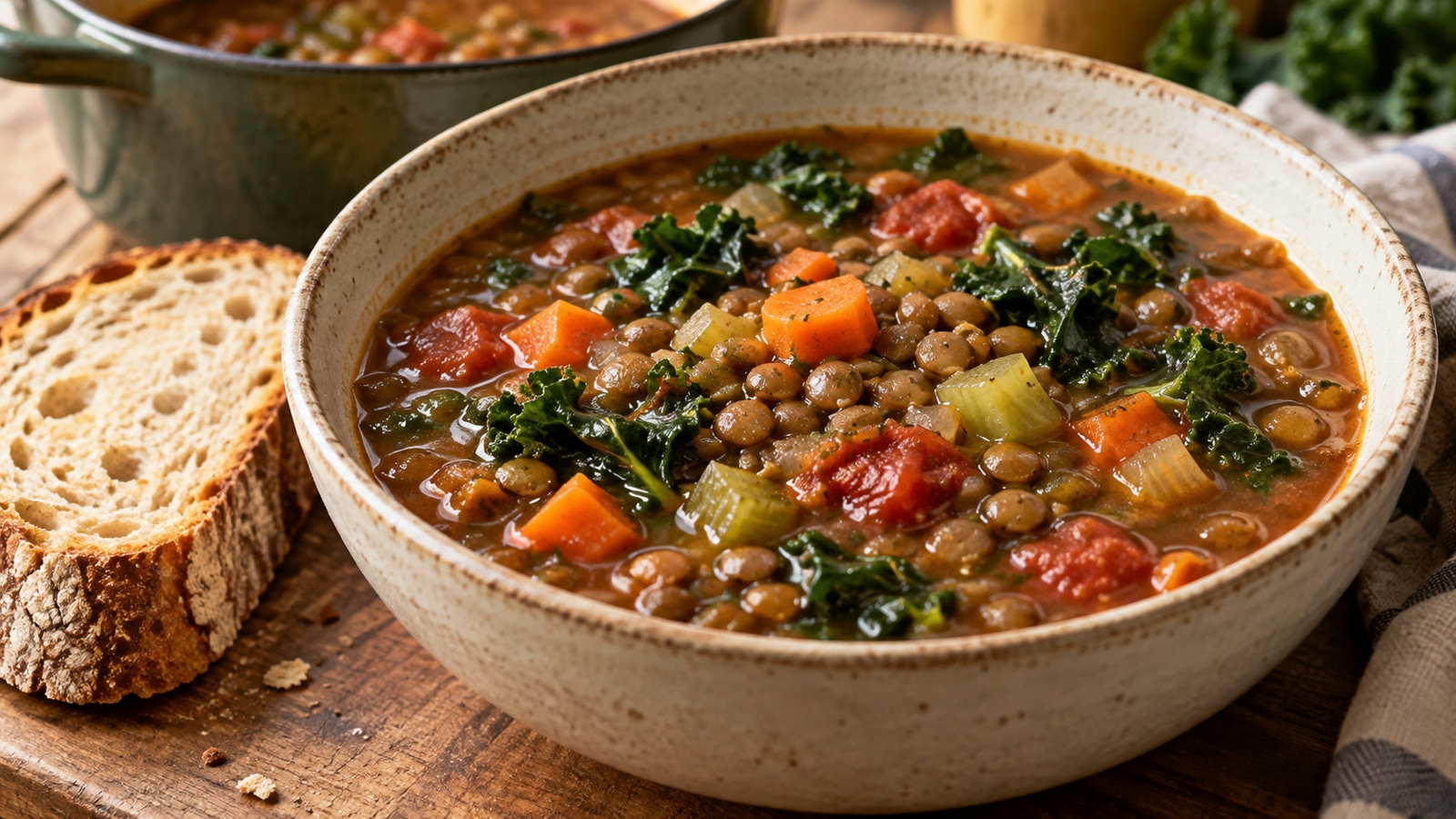
- Lentil soup. Love and Lemons’ lentil soup cooks lentils with vegetables, tomatoes, broth, and herbs in a large pot. It uses lentils that hold their shape, with greens joining near the end. Read the variety guidance: red lentils soften differently and are not the intended swap. Choose this when you want a brothy meal that can be portioned into bowls without preparing a separate main dish.
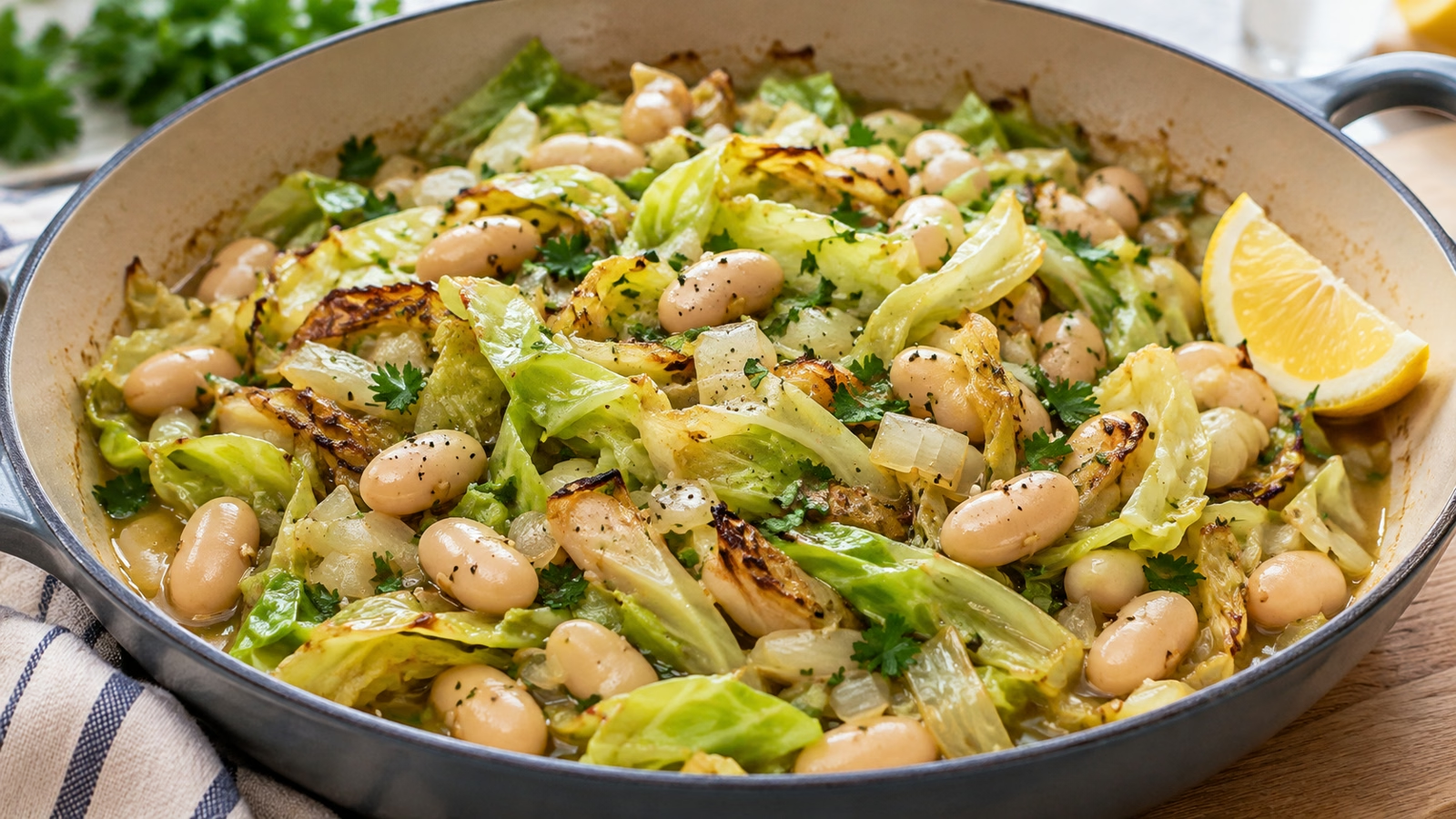
The skillet gives you distinct pieces with a small amount of coating liquid; the soup gives you a full bowl of broth and vegetables. That texture difference is useful when you are choosing from the same pantry staples. Neither needs an elaborate side to make it feel like dinner.
Make fewer dishes without making cooking harder
A pan that is too small can make a simple recipe awkward. Use the vessel recommended by the original creator and keep the quantities close to the written recipe, especially when rice or pasta absorbs a measured amount of liquid. Doubling ingredients in the same shallow skillet is not a reliable shortcut to twice the dinner.
- Prepare before heating. Measure liquids and chop vegetables first, so the pan is not waiting while aromatics brown too far.
- Keep the cooking order. Browning, simmering, and finishing serve different purposes; adding everything at once is not automatically equivalent.
- Plan cold extras. A simple salad or bread can add contrast without another cooking vessel. Keep raw poultry and its utensils separate from ready-to-eat food.
- Store manageable portions. Refrigerate leftovers promptly in shallow containers within two hours, or one hour above 90°F. Keep at 40°F or below, use within three to four days, and reheat to 165°F.
Budget Bytes’ video below shows the creamy chicken pasta method from this collection. Watch for when the dry pasta and broth enter the pan, then use the linked written recipe for the full quantities and instructions.
Sources
- Budget Bytes: One Pot Creamy Cajun Chicken Pasta
- Budget Bytes: Cajun Sausage and Rice Skillet
- Love and Lemons: Lentil Soup
- FoodSafety.gov: Safe Cooking Temperatures
- FoodSafety.gov: Four Steps to Food Safety
- USDA: Handling Leftovers Safely

Hi, I’m Laura, the voice behind Tastiva. I’ve always believed that eating well should feel enjoyable, comforting, and realistic—not like another complicated rule to follow. I love creating recipes that fit into everyday life, sharing simple nutrition ideas, and finding small ways to make meals feel a little better without losing the pleasure of good food.