
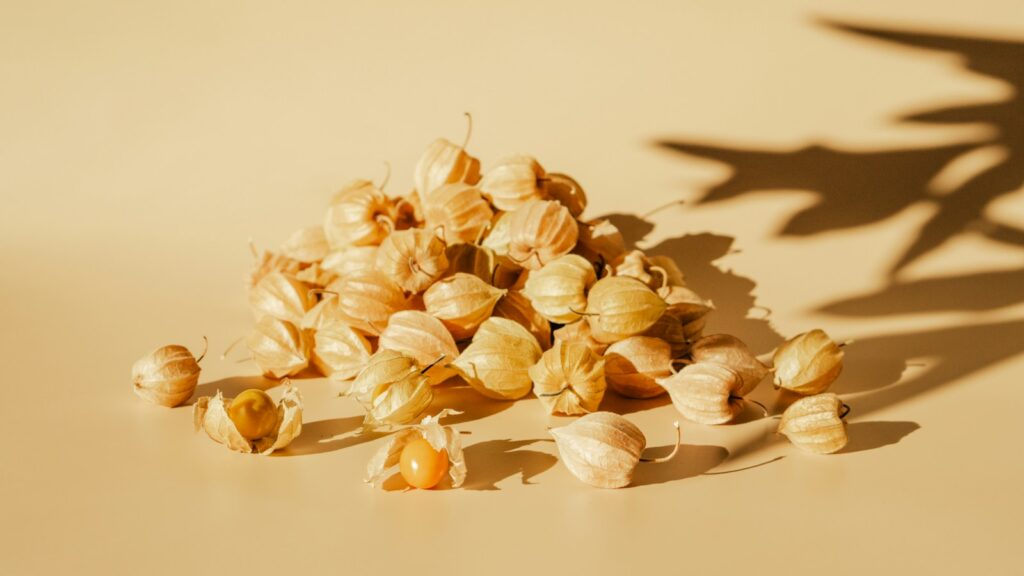
Physalis golden berries are the little orange fruits tucked inside papery, lantern-like husks. You may see them sold as goldenberries, Cape gooseberries, or uchuva. Once you peel away the husk, the fruit is juicy, tart, and lightly sweet. I would buy them for that lively flavor as much as for their bright look; a small handful can wake up a plain bowl of yogurt or a simple salad.
Open the papery husk, check that the fruit is ripe and sound, then taste one before deciding how much sweetness your dish needs.
What physalis golden berries actually are
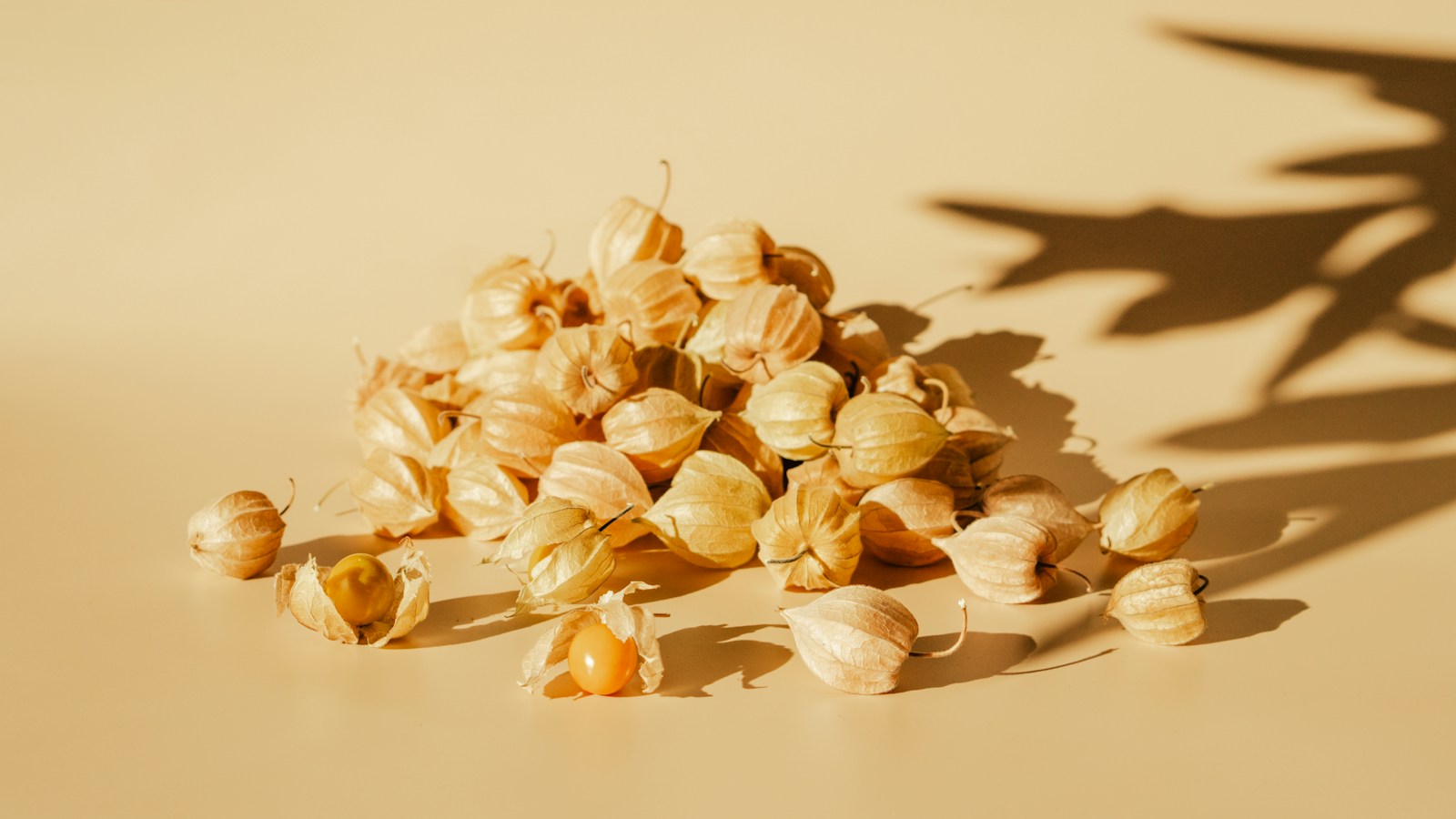
The goldenberry commonly sold as Cape gooseberry is Physalis peruviana, a fruit in the nightshade family. A recent plant-science study describes its smooth yellow-orange fruit enclosed in an inflated calyx, the papery covering you see at the market. Related ground cherries and tomatillos are also Physalis, but their names and culinary uses can overlap. Check the package if a particular species matters to you.
The husk is a wrapper, not the part I would put in the bowl. Peel it back, discard it, and rinse the fruit before eating. A ripe berry may range from yellow to deep orange depending on the product. Choose fruit that looks intact and avoid any that is moldy, leaking, or clearly spoiled. Do not taste unknown wild Physalis plants as though they were grocery produce.
These fruits are not gooseberries in the usual Ribes sense, despite the Cape gooseberry name. The familiar names are useful shopping clues, not botanical guarantees. If you see ‘goldenberry’ on a dried-fruit bag, expect a chewy concentrated version rather than the burst of a fresh fruit. Read the ingredients for any added sugar or oil.
The tart, sunny flavor
Ripe physalis golden berries can be sweet at first, then distinctly tart, with a flavor that suggests tropical fruit and tomato in different proportions. The plant-science paper compares the fruit with pineapple and mango. I would still taste your own batch before adding it to dessert: some berries are more puckery than others, and a tart batch may need a sweeter companion.
Fresh berries have a thin skin and small edible seeds, so you can eat the prepared fruit whole. The bite is juicier than dried goldenberries. A few in a fruit bowl bring contrast; too many very tart berries can overwhelm mild ingredients. If the flavor surprises you, cut one in half and pair it with a sweeter fruit rather than covering the whole bowl in sugar.
Nutrition claims around goldenberries can get grand quickly. USDA Agricultural Research Service describes edible fruit with vitamin C and other plant compounds, but a single fruit is not a treatment. A varied diet matters more than assigning a health promise to a garnish. If you need exact nutrient values, check a reliable food database or the label of the product in hand.
How to choose and prepare them
Look for plump, sound fruit and dry, intact husks when buying fresh physalis. University of Minnesota Extension notes that ripe ground cherries have dry husks and may drop from the plant, though that advice concerns related garden Physalis and should not replace a supplier’s guidance for a packaged Cape gooseberry. For a store-bought box, the fruit’s condition is the useful check.
Keep the husks on until you are ready to serve, then remove them and rinse the fruit under running water. Dry gently if you want them on a salad or cake. Follow the package’s storage instructions; a bruised or damp fruit will not improve in the refrigerator. If you are growing your own, confirm the species and its harvest guidance before eating.
Try one fresh before planning the dish. If it is lively and tart, use it against creamy yogurt or a sweeter mango. If it is mild, it can sit beside cucumber and herbs in a savory salad. Our pomegranate seed guide offers another way to bring bright fruit into a bowl.
Easy ways to use fresh and dried berries
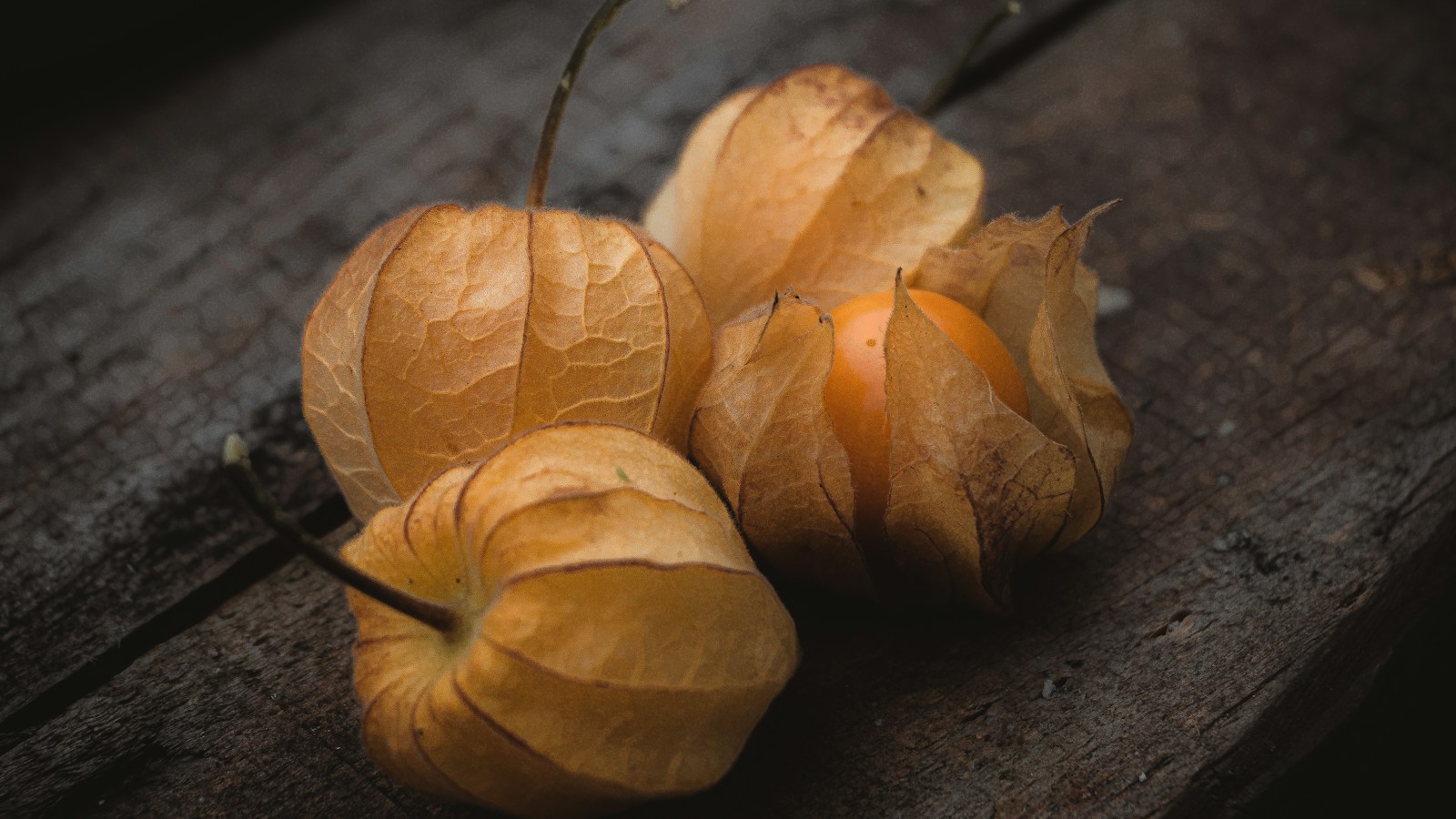
Scatter halved fresh berries over oatmeal or yogurt, or fold them into a fruit salad just before serving. Their acidity can balance a creamy cheese plate. In a savory bowl, combine a small handful with greens, herbs, and a mild dressing, tasting before adding more acid. The fruit is small, but its tartness can lead the entire bite.
Dried goldenberries can go into trail mix or chopped into oatmeal, where they behave more like tart raisins. Check whether the dried product is sweetened, and use a portion that suits the dish. Fresh and dried berries are not equal by volume or texture, so I would not swap them cup for cup in a recipe that depends on juiciness.
For a quick sauce, simmer fresh physalis golden berries gently with a little water until they soften, then taste before sweetening. That is a serving idea rather than a tested preserving recipe; keep leftovers refrigerated and use them promptly. If you want shelf-stable jam, follow a tested canning recipe written for the fruit and your equipment. A pretty husk is also sometimes used for presentation, but I would remove it before anyone eats the fruit.
Physalis golden berries are easiest to appreciate without a health halo: peel, rinse, and taste the little fruit. Their tart sweetness and striking color can be enough reason to keep a small box around. If you find them too sharp alone, pair them with something creamy or sweet; if you love the zing, let them be the bright note.
Sources
- Plant Science, Engineering Compact Physalis peruviana (Goldenberry)
- University of Minnesota Extension, Growing Tomatillos and Ground Cherries
- USDA ARS, Biologically Active Withanolides from Physalis peruviana
- FDA, Selecting and Serving Produce Safely

Hi, I’m Laura, the voice behind Tastiva. I’ve always believed that eating well should feel enjoyable, comforting, and realistic—not like another complicated rule to follow. I love creating recipes that fit into everyday life, sharing simple nutrition ideas, and finding small ways to make meals feel a little better without losing the pleasure of good food.