
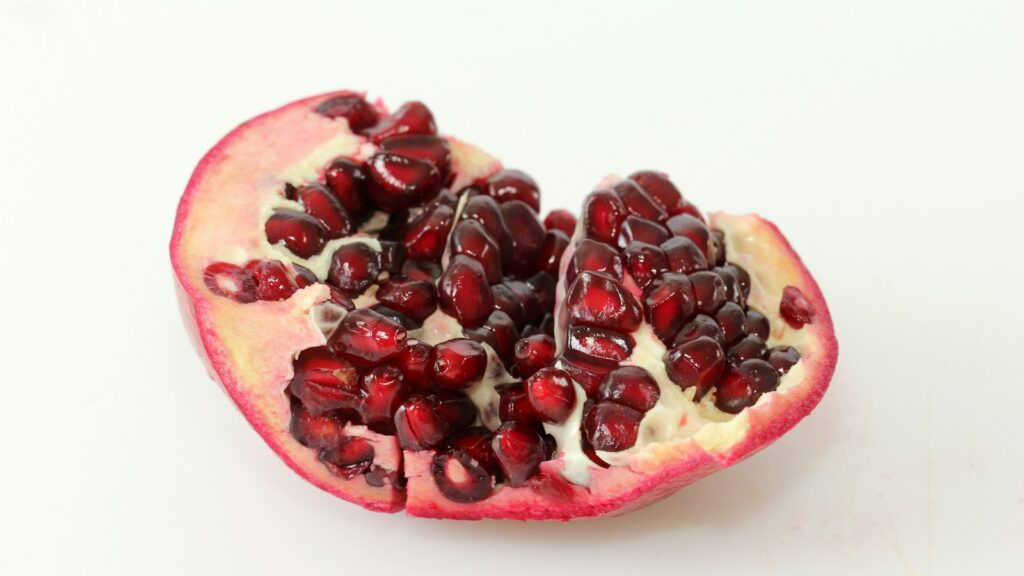
The first time you open a pomegranate, the pale walls and rows of red jewels can look like a puzzle. Pomegranate seeds, often called arils, are the juicy pieces you eat; each has a small, edible crunchy center. You can release them without cutting through every pocket of juice, then use the fruit in much more than a decorative sprinkle. Start with a firm, heavy fruit and give yourself a bowl and a few quiet minutes.
Follow the fruit’s natural sections, and save the bright arils for dishes where their sweet-tart pop can be noticed.
The seed and the juicy aril belong together
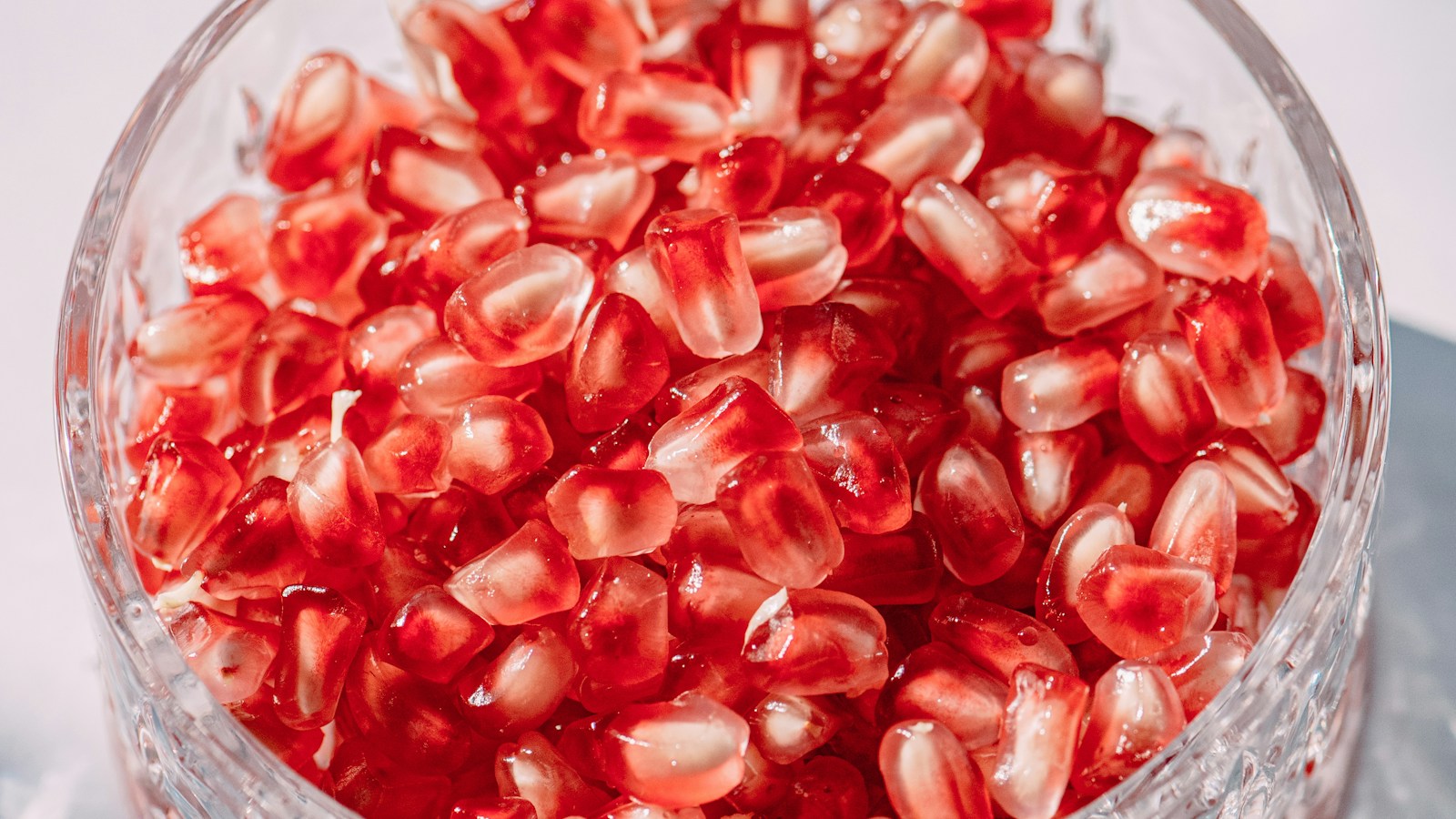
The everyday name ‘pomegranate seeds’ usually means the little red packets inside the rind. Illinois Extension describes an aril as a juice sac around an edible crunchy seed. You can chew and swallow the whole aril. The firmness of the center varies, so people who dislike crunchy bits may prefer juice, while those who like a little texture can eat them whole. The white membranes and thick outer rind are separated and discarded.
A redder fruit does not automatically mean sweeter arils. University of California Master Food Preservers notes that skin color changes with variety; weight and firmness are more useful shopping clues. Choose a fruit that feels heavy for its size and has sound skin without soft or decaying patches. Slightly squared sides can be normal as the interior fills. If you buy a clear tub instead, look for intact, glossy arils and check its date.
Pomegranate seeds bring both juice and a little bite to a meal. Illinois Extension puts a half cup of arils at about 70 calories and 3 grams of fiber, though portions and cultivars vary. Enjoy them as fruit, without treating their color as a medical promise. Juice gives you a different experience, especially if the solids are strained out; choose whichever form fits the dish you want.
Open the fruit without chasing every aril
Wash the whole pomegranate under running water before cutting, even though you will not eat the rind. The FDA recommends washing produce before preparation and keeping the cutting board away from raw meat. Slice a little from one end to see the pale dividers, then score the rind along those natural lines. Pull the sections apart over a bowl rather than slicing straight through the center of every chamber.
Loosen the arils gently with your fingers. A bowl of water can keep some splashes down: the arils tend to sink while many pieces of white membrane float, making them easier to skim away. Drain and dry the arils before storing, particularly if you plan to freeze them. A towel under the board helps keep the work steady and catches any juice. Wear an apron if stains would spoil a favorite shirt.
- Score the rind: shallow cuts help preserve the juice sacs while exposing the natural sections.
- Separate over a bowl: work one segment at a time and discard the white membrane as you go.
- Sort before storing: keep firm, shiny arils and discard shriveled, dull, or damaged ones.
A spoon tap can dislodge some arils from an upside-down segment, but there is no prize for speed. If several cling to the membrane, use your fingers and let the fruit guide the job. The goal is a bowl of intact pomegranate seeds, not a pristine countertop or a method that works perfectly for every variety.
Put the sweet-tart pop where it matters
Scatter a small handful over yogurt, warm grains, a leafy salad, or roasted vegetables just before serving. The arils bring acidity and a juicy contrast to creamy or earthy foods. They can also finish a grain bowl alongside nuts, herbs, and a savory dressing. Add them at the end if you want the little bursts to stay distinct rather than disappear into a cooked sauce.
Pomegranate seeds are not a direct replacement for dried cranberries or a squeeze of lemon: they bring both juice and crunch, and their sweetness changes with the fruit. Taste a few before deciding how much dressing or sweetener a dish needs. If you blend them, expect juice and tiny seed fragments unless you strain the mixture. That may be lovely in a smoothie, but less welcome in a very smooth sauce.
- Breakfast: finish yogurt or oatmeal after cooking, so the arils stay cool and lively.
- Salad: toss the base first, then sprinkle the arils where they remain visible.
- Warm food: add them to a finished bowl or roast instead of simmering them away.
- Drink or sauce: blend and strain only if the recipe calls for a smooth texture.
If you enjoy learning the anatomy of unfamiliar fruit, our pitaya fruit guide has a different set of cutting and eating decisions. For this fruit, a few carefully released arils may be enough for one meal; save the rest so the purchase earns its place in the kitchen.
Store whole fruit, arils, and frozen extras differently
A whole pomegranate can wait longer than a bowl of freed arils. UC Master Food Preservers gives about one to two weeks at room temperature away from direct sun, or up to two months refrigerated, depending on condition. Illinois Extension advises keeping peeled arils in a covered food-safe container in the refrigerator and eating them within seven days. Refrigerate packaged arils promptly and follow the package’s date and handling directions.
For more time, spread drained, dry arils in a single layer on a lined tray and freeze until firm, then transfer to a labeled freezer container. UC’s guide allows up to 12 months frozen for quality. The thawed texture will be softer than fresh, so try them in a smoothie, compote, or cooked grain bowl rather than expecting the same crisp topping. Discard any fruit with mold, off odor, or clear signs of spoilage.
I would open the fruit when there is a plan for at least one immediate dish, then portion the extras. That small bit of planning keeps a beautiful bowl from turning into a forgotten tub at the back of the refrigerator. Pomegranate seeds are at their best when the flavor and the texture both have a place to land.
Sources
- Illinois Extension: Opening Pomegranates — arils, selection, nutrition, storage, and uses.
- UC Master Food Preservers: Pomegranates — selecting, removing, refrigerating, and freezing arils.
- FDA: Selecting and Serving Produce Safely — wash and preparation advice.

Hi, I’m Laura, the voice behind Tastiva. I’ve always believed that eating well should feel enjoyable, comforting, and realistic—not like another complicated rule to follow. I love creating recipes that fit into everyday life, sharing simple nutrition ideas, and finding small ways to make meals feel a little better without losing the pleasure of good food.