
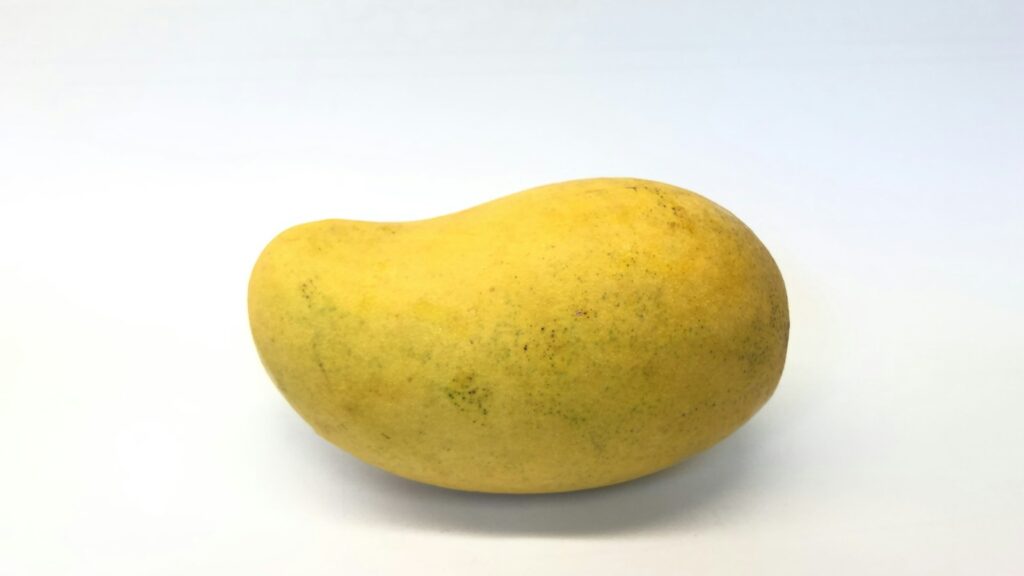
Mangos are wonderfully simple once you stop judging them by their blush. A red peel can belong to a firm fruit, and a green one can be ready to eat. If you want juicy slices for breakfast or cubes for a salad, I would choose by feel, let the fruit ripen if needed, and cut around its flat pit. A little planning turns a slippery mango into an easy kitchen staple.
Give a mango a gentle squeeze. Its color tells you the variety more reliably than the moment it is ready to eat.
How to choose ripe mangos
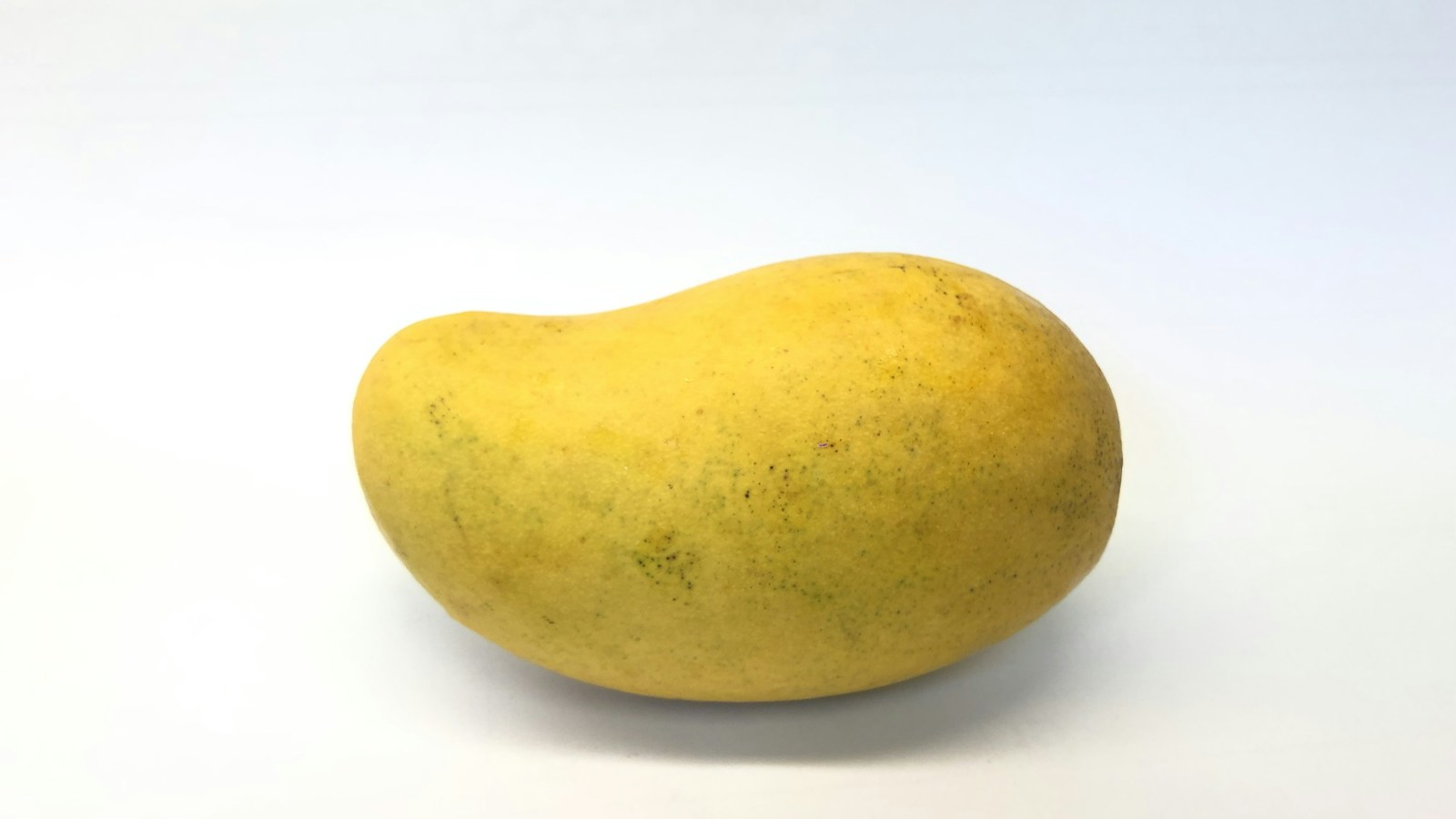
The National Mango Board recommends a gentle squeeze rather than relying on peel color. A ripe mango gives slightly, much like a ripe peach or avocado. A firm one can be bought for later; a very soft one may be best used soon. Some varieties develop a fruity aroma near the stem, but not every mango will announce itself the same way.
Red is not a universal ripeness signal. Mango varieties have different shapes and peel colors, so the bright blush can be a poor guide to the flesh inside. Choose fruit that feels heavy for its size and is free from major bruising or leaking. Small cosmetic marks are different from obvious spoilage; use your judgment about the fruit you will actually cut.
If the fruit is firm, leave it at room temperature and check it daily. The National Mango Board advises moving a ripe mango to the refrigerator to slow further ripening. That gives you some flexibility when breakfast plans change. Do not expect a hard mango to become tender faster in a cold refrigerator.
The easiest way around the pit
Wash the outside before cutting, even though you plan to discard the peel. FDA advises rinsing produce before peeling so a knife does not carry dirt or microbes from skin to flesh. Set the mango on a steady board and locate the broad, flat pit in the middle. Slice down each side to remove two large ‘cheeks,’ keeping your knife clear of the seed.
Score the flesh of each cheek in a grid without cutting through the skin, then scoop the cubes out with a spoon. You can also peel a cheek and slice it. Trim the remaining fruit from around the pit, taking care of the slippery surface. A sharp knife and stable board matter more than a clever cutting trick.
If the flesh clings tightly to the pit or tastes very tart, the fruit may not be fully ripe. You can still use firm mango in a savory preparation, but a softer, sweeter one is easier for plain slices. The National Mango Board has a visual cutting guide if the shape feels unfamiliar; there is no need to waste the side pieces.
Flavor, varieties, and simple pairings
Mango flavor runs from bright and tangy to honeyed and floral, with texture ranging from firm to very soft. Varieties differ, and ripeness changes the same fruit. I would taste a piece before adding lime or sweetener. A perfectly ripe mango often needs neither, while a tart one can be lovely with a little spice or in a savory salad.
Mangos work in a bowl with yogurt and oats, chopped beside black beans and herbs, or sliced on their own. Add delicate fruit near serving time if you want the best texture. A squeeze of lime can balance a very sweet mango, but taste first. For another tart fruit to pair in a salad, see our pomegranate seed guide.
A smoothie is an easy home for soft ripe mango, while firmer cubes keep their shape better in a salsa. If you are substituting frozen fruit, thaw it with the final texture in mind; it may be softer than fresh slices. The point is to match the fruit to the dish, not to insist that one variety does everything.
Storage and food safety after cutting
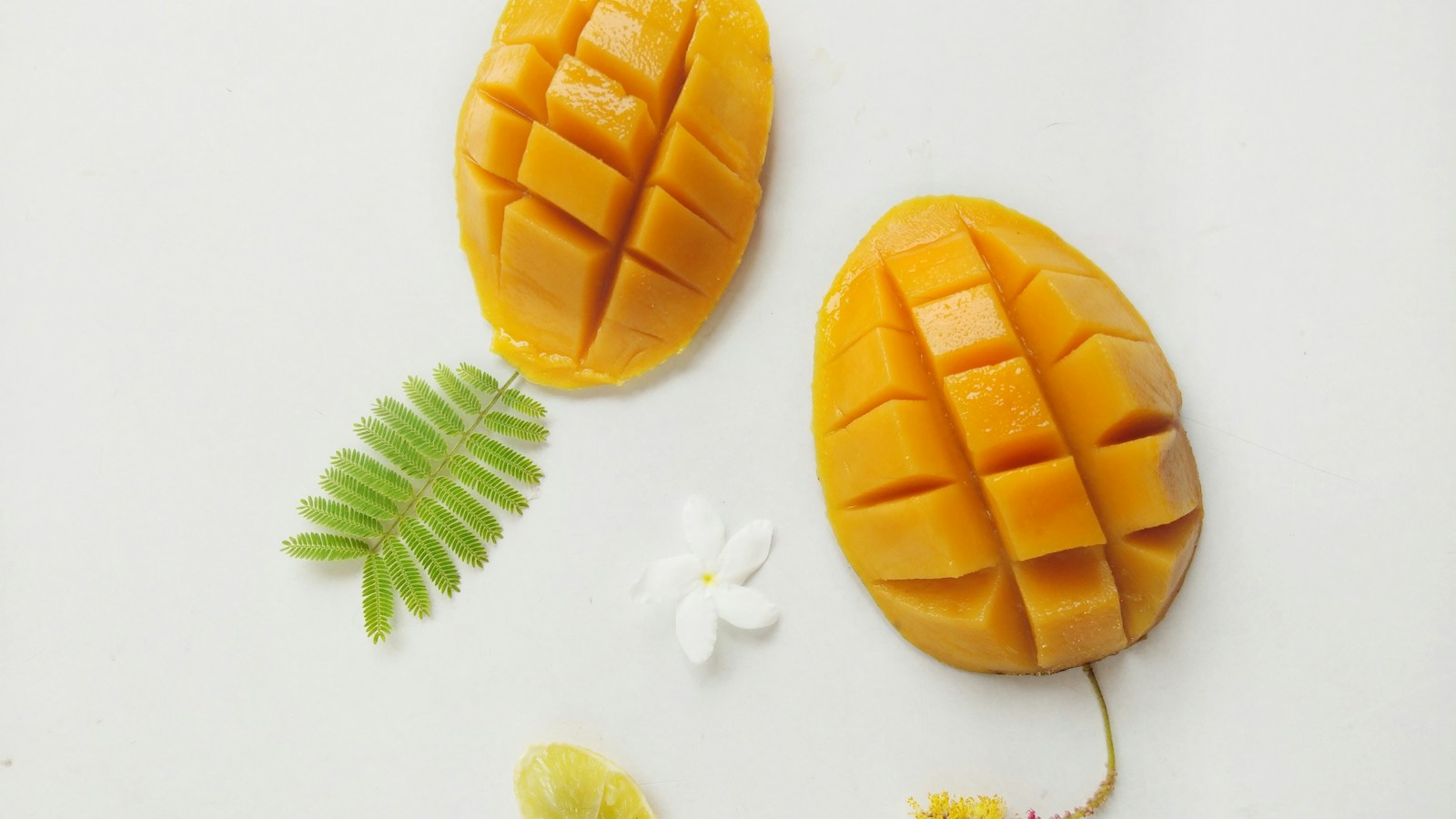
Keep cut mango refrigerated in a covered container. FDA recommends refrigerating cut produce promptly and keeping the refrigerator at 40°F or below. If a plate of mango has sat out for a long gathering, follow standard perishable-food guidance rather than putting it back in the fridge for days. Discard fruit that develops mold or an off smell.
You can freeze cubes for later smoothies: spread them on a tray until firm, then transfer to a freezer-safe bag or container. Label the date and use while flavor and texture are appealing. Thawed mango will be softer, so I would save the prettiest fresh slices for eating now and freeze extra ripe pieces before they deteriorate.
If the market has several varieties, ask what is ripe now rather than choosing entirely by the name. A smaller yellow fruit and a larger green-and-red one may differ in fiber and texture, but both can be good. Take home one or two, learn how they soften over a day, and adjust next time. That small experiment is more reliable than a single rule about peel color, season, or size.
Mangos reward a small amount of patience. Choose by gentle give, ripen at room temperature, wash, cut around the pit, and refrigerate the prepared fruit. That is enough to turn a broad search for mangos into a good bowl today and perhaps a bag of cubes for another morning.
Sources
- National Mango Board, How to Choose a Mango
- National Mango Board, How to Choose and Store a Mango
- National Mango Board, Frequently Asked Questions
- FDA, 7 Tips for Cleaning Fruits and Vegetables

Hi, I’m Laura, the voice behind Tastiva. I’ve always believed that eating well should feel enjoyable, comforting, and realistic—not like another complicated rule to follow. I love creating recipes that fit into everyday life, sharing simple nutrition ideas, and finding small ways to make meals feel a little better without losing the pleasure of good food.