
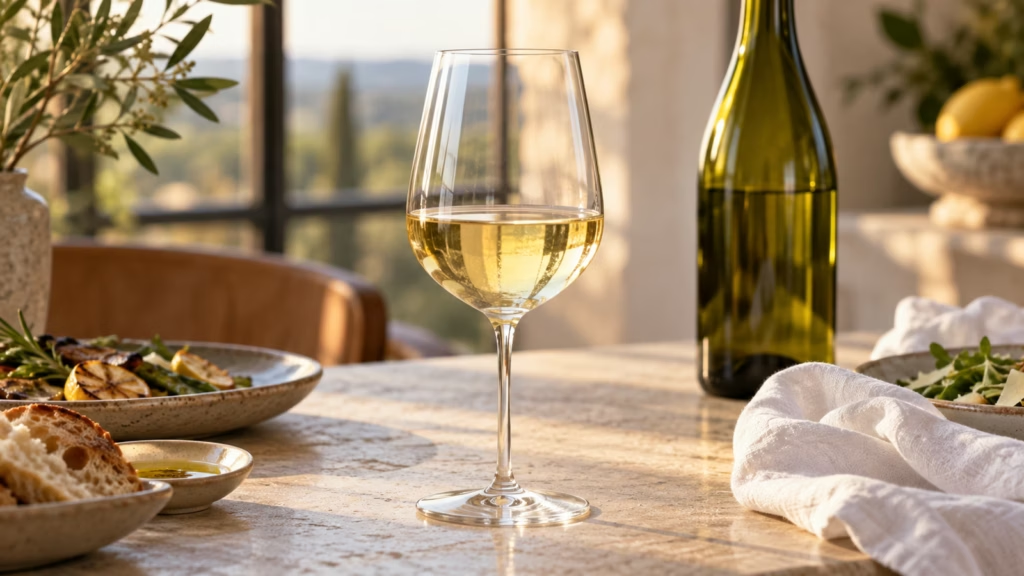
The bottle says Pinot Grigio, dinner is almost ready, and the back label is talking about pears. That doesn’t tell you whether the wine is sweet. Pinot Grigio is the Italian name for the same grape called Pinot Gris, and it can become several quite different styles of wine.
The grape name is a starting point. For the bottle you actually want, check sweetness, body, and how it was made.
I find those three questions more useful than treating Pinot Grigio as one fixed flavor. A light, crisp bottle and a copper-colored, skin-contact version can share a grape without playing the same role at dinner.
Pinot Grigio and Pinot Gris are the same grape
The difference in names reflects language and wine tradition, not two unrelated varieties. Italian bottles commonly use Pinot Grigio; French bottles use Pinot Gris. Elsewhere, a producer may choose either name to help signal its intended style, but the wording alone is not a complete tasting note.
- A familiar lighter style: Many Pinot Grigio wines are dry, refreshing, and relatively light, with descriptions that mention citrus or orchard fruit.
- A fuller style: Some examples have more weight and texture. The Alto Adige wine association specifically describes a range that includes substantial, full-bodied wines, not only delicate ones.
- A copper-colored style: Ramato is made with skin contact. The grape’s pink-gray skins can give the wine a copper or amber hue.
- A sweeter style: Pinot Gris can also be made with noticeable sweetness. Check the individual wine rather than assuming every bottle with this grape name is dry.
None of these descriptions means you must identify a particular fruit to enjoy the wine. Pear or lemon on a tasting note describes an impression, not an added ingredient. If your first useful observation is simply “this feels lighter than the last bottle,” that is already a helpful distinction.
Read for sweetness and texture, not just fruit
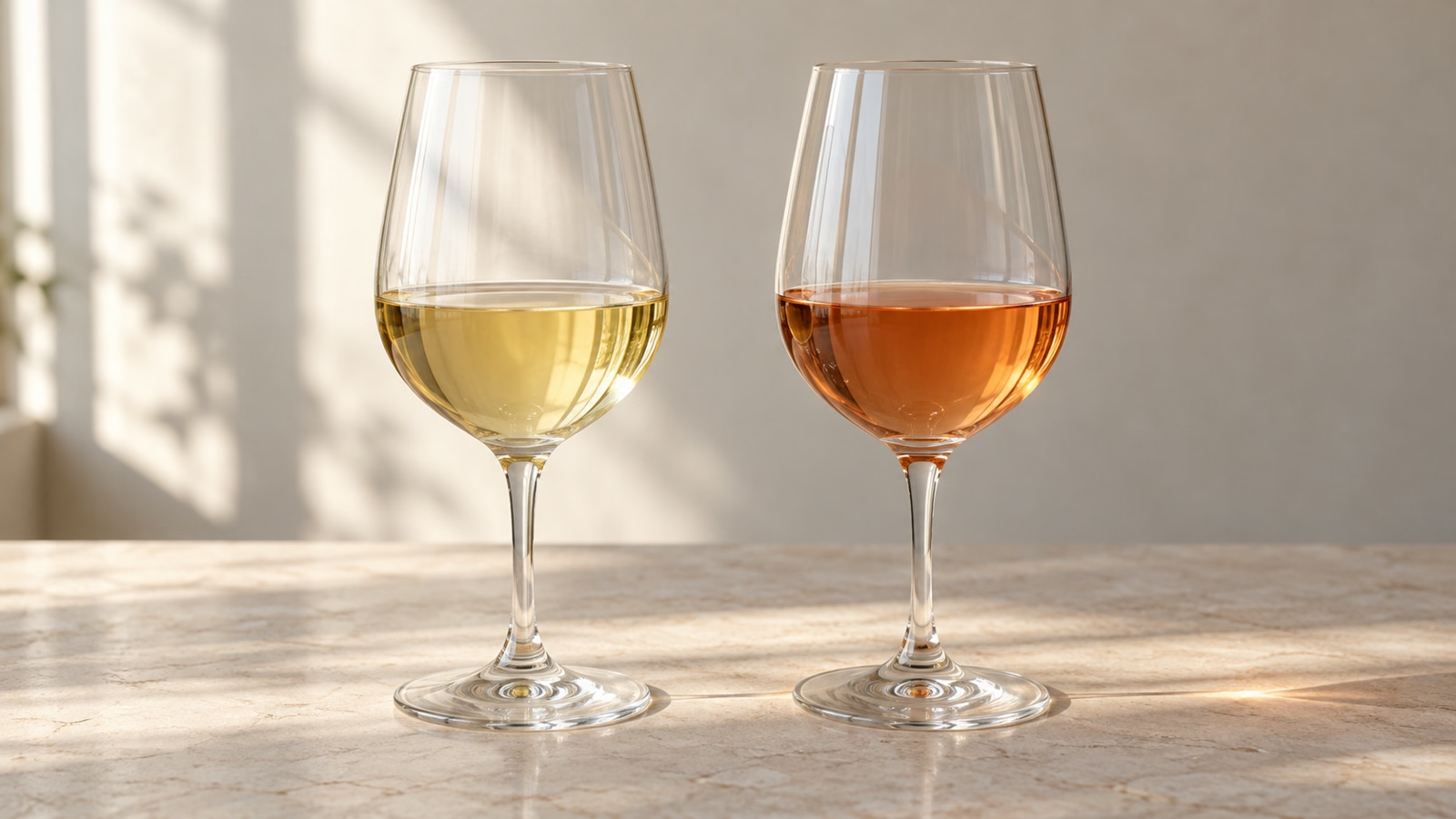
Dry describes a wine with little perceptible sweetness; fruity describes its aromas and flavors. Those are separate ideas. A dry wine can smell distinctly of ripe fruit, while a fuller-bodied wine can feel broad in the mouth without being a dessert wine.
- Look for a clear dry, off-dry, or sweet description on the label, shelf information, or producer’s technical sheet.
- For Alsace wines, look for the sweetness wording or scale. The regional wine board introduced standardized information to make that choice easier.
- Read body words separately: light, rounded, textured, and full-bodied describe a different part of the experience.
- If a label says ramato or skin-contact, expect a stylistic difference from a conventional pale white wine. Don’t use color alone to decide how sweet it will be.
A concrete example helps: Attems describes skin contact in the production notes for its 2022 Pinot Grigio Ramato. That explains the color of that particular wine; it does not establish a universal maceration time or flavor for every ramato. I’d use the producer’s own notes when choosing an unfamiliar bottle.
Choose the bottle around the meal
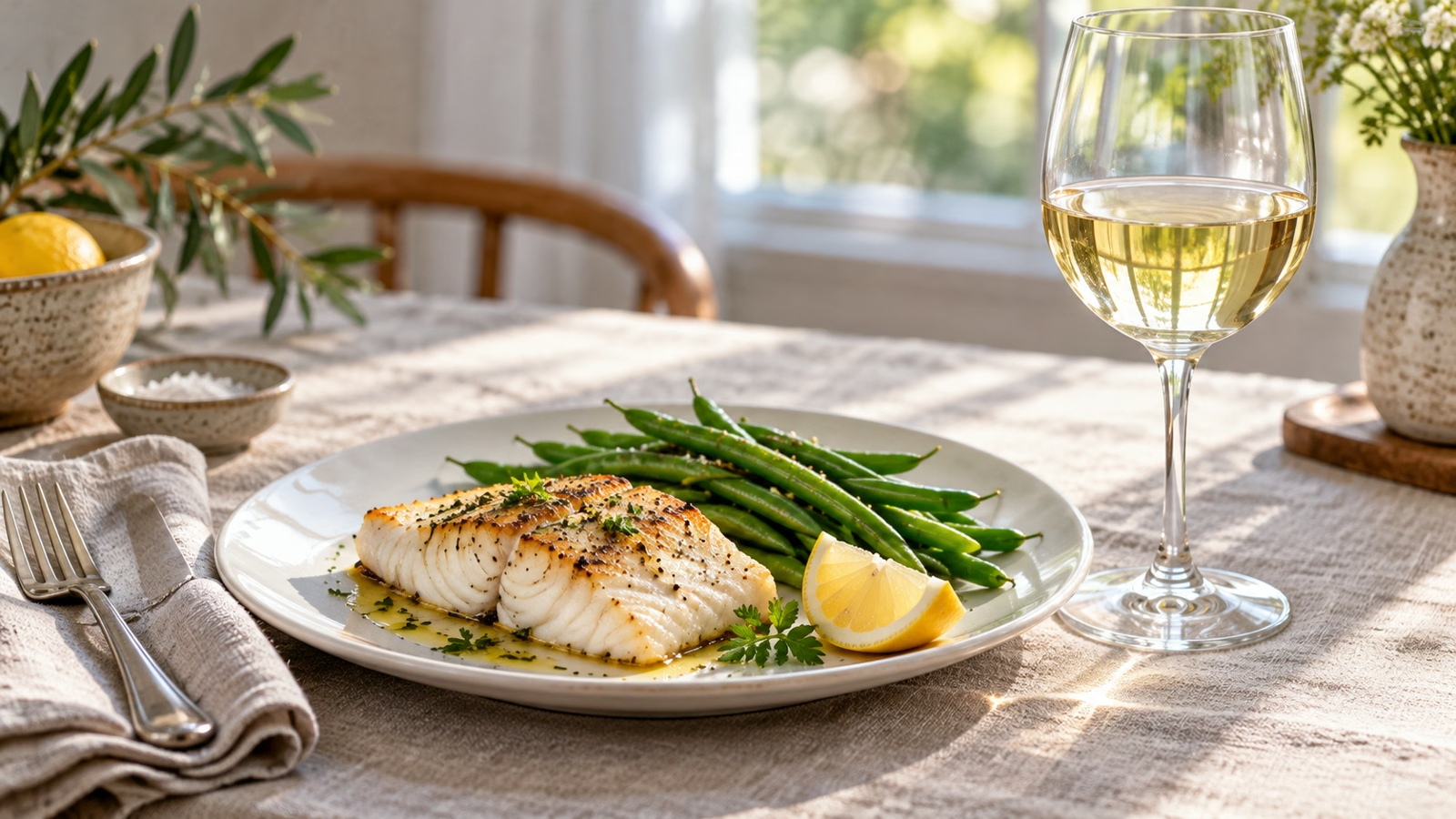
For a simply prepared fish dinner, a lighter dry Pinot Grigio is a reasonable place to start. With a richer plate, look for a bottle described as fuller or more textured. These are practical pairing directions, not rules that make one combination correct and another wrong.
- Fish and seafood: The Alto Adige wine association lists these as natural companions for its Pinot Grigio wines. Let the sauce help you decide how light or substantial a bottle to choose.
- Garlic-butter shrimp: Tastiva’s scampi guide uses dry white wine in the sauce. A dry Pinot Grigio can fit that instruction; check the bottle rather than substituting a sweet style.
- Mushrooms or a richer savory plate: The Alsace wine board pairs its fuller Pinot Gris styles with dishes such as mushroom risotto. That is a different direction from choosing the lightest bottle available.
- A meal without wine: Choose a drink you enjoy. Food pairing is an option, not a reason anyone needs to drink alcohol.
When cooking, the recipe’s wording matters more than the prestige of the bottle. “Dry white wine” gives you a useful target; “any white wine” can hide a sweetness mismatch. If you need an alcohol-free dish, use a recipe or substitution designed for that purpose rather than assuming heating makes wine alcohol-free.
Chill it, then protect the opened bottle
Serve Pinot Grigio chilled, with some flexibility for style. WSET distinguishes lighter whites, which suit a cooler temperature, from fuller whites, which can be lightly chilled. Over-chilling can mute aromas. Alto Adige gives a 50–57°F (10–14°C) range for its regional Pinot Grigio, illustrating why one ice-cold rule doesn’t suit every bottle.
- Start with a modest pour rather than filling the glass to the rim. That leaves room to notice the aromas and see how the wine changes as it warms slightly.
- If a very cold glass seems muted, let it sit briefly before deciding the wine has no flavor.
- Reclose an opened bottle and refrigerate it upright. WSET recommends this to limit oxygen exposure and slow oxidation.
- Plan to use an opened bottle promptly. WSET says a reclosed refrigerated wine can remain relatively fresh for up to five days, but that is a quality guideline, not a promise for every bottle.
I’d save the producer and wine name of a bottle you like, along with one plain-language note: crisp, rounded, dry, or gently sweet. That is more useful for the next shopping trip than remembering only “Pinot Grigio.” The name gets you to the shelf; the style gets you closer to the right glass.
Wine Folly’s video below explores a ramato Pinot Grigio, showing one of the less familiar styles discussed here.
Sources
- Wine Folly: Pinot Gris, by Christine Marsiglio MW.
- Alto Adige Wines: Pinot Grigio.
- Vins d’Alsace: Pinot Gris d’Alsace.
- Alsace Wine Board: Standardized Sweetness Labels.
- Attems: Pinot Grigio Ramato 2022 Technical Sheet.
- WSET: Wine Serving Temperatures.
- WSET: Keeping Opened Wine Fresh.

Hi, I’m Laura, the voice behind Tastiva. I’ve always believed that eating well should feel enjoyable, comforting, and realistic—not like another complicated rule to follow. I love creating recipes that fit into everyday life, sharing simple nutrition ideas, and finding small ways to make meals feel a little better without losing the pleasure of good food.