
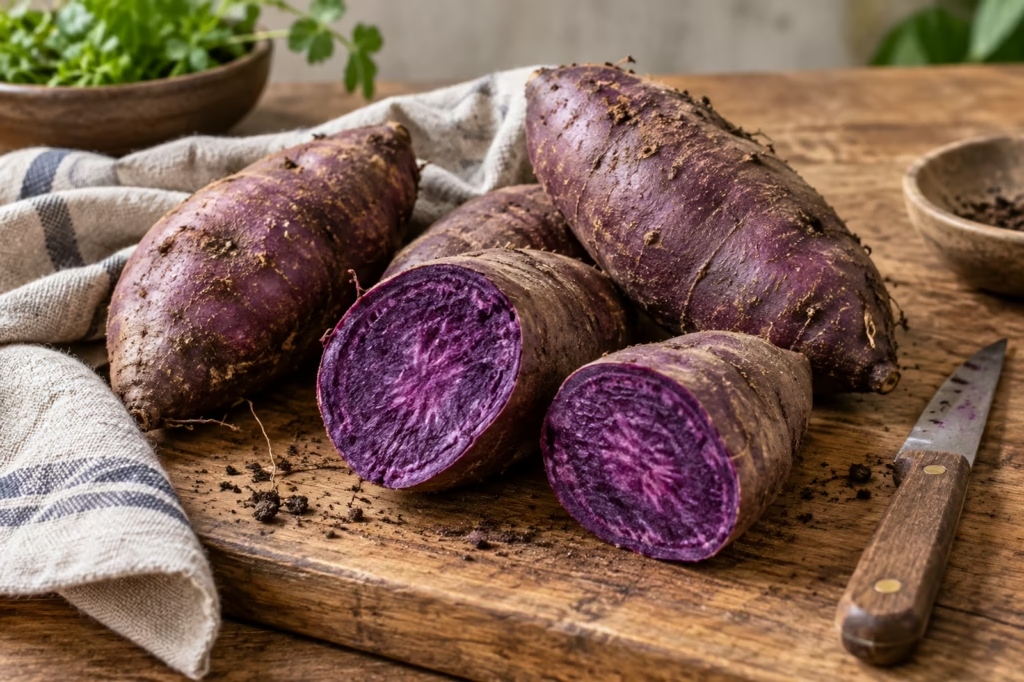
Purple sweet potato is a naturally violet variety of Ipomoea batatas, the same species as orange and white sweet potatoes. Its color comes largely from anthocyanins, plant pigments also found in foods such as berries and cherries. It is starchy, gently sweet, and often a little denser or drier than an orange sweet potato—beautiful on the plate, but still an everyday vegetable rather than a wellness cure.
The purple color is worth appreciating, but the real pleasure is simpler: a satisfying, fiber-rich vegetable that can move easily from breakfast to dinner.
What purple sweet potato is—and why it is not ube
Purple sweet potatoes belong to the morning-glory family. Varieties differ: some have purple skin and purple flesh, while others may have pale skin with a violet center or purple skin with lighter flesh. The name on the sign is helpful, but cutting the potato is the only sure way to see the color inside.
Ube is different. It is a purple yam, Dioscorea alata, with its own botanical family, flavor, and texture. Ube is often described as more aromatic and vanilla-like, while purple sweet potato tends to taste earthy, nutty, and mildly sweet. Purple desserts may also contain ube extract or coloring, so color alone cannot identify the ingredient.
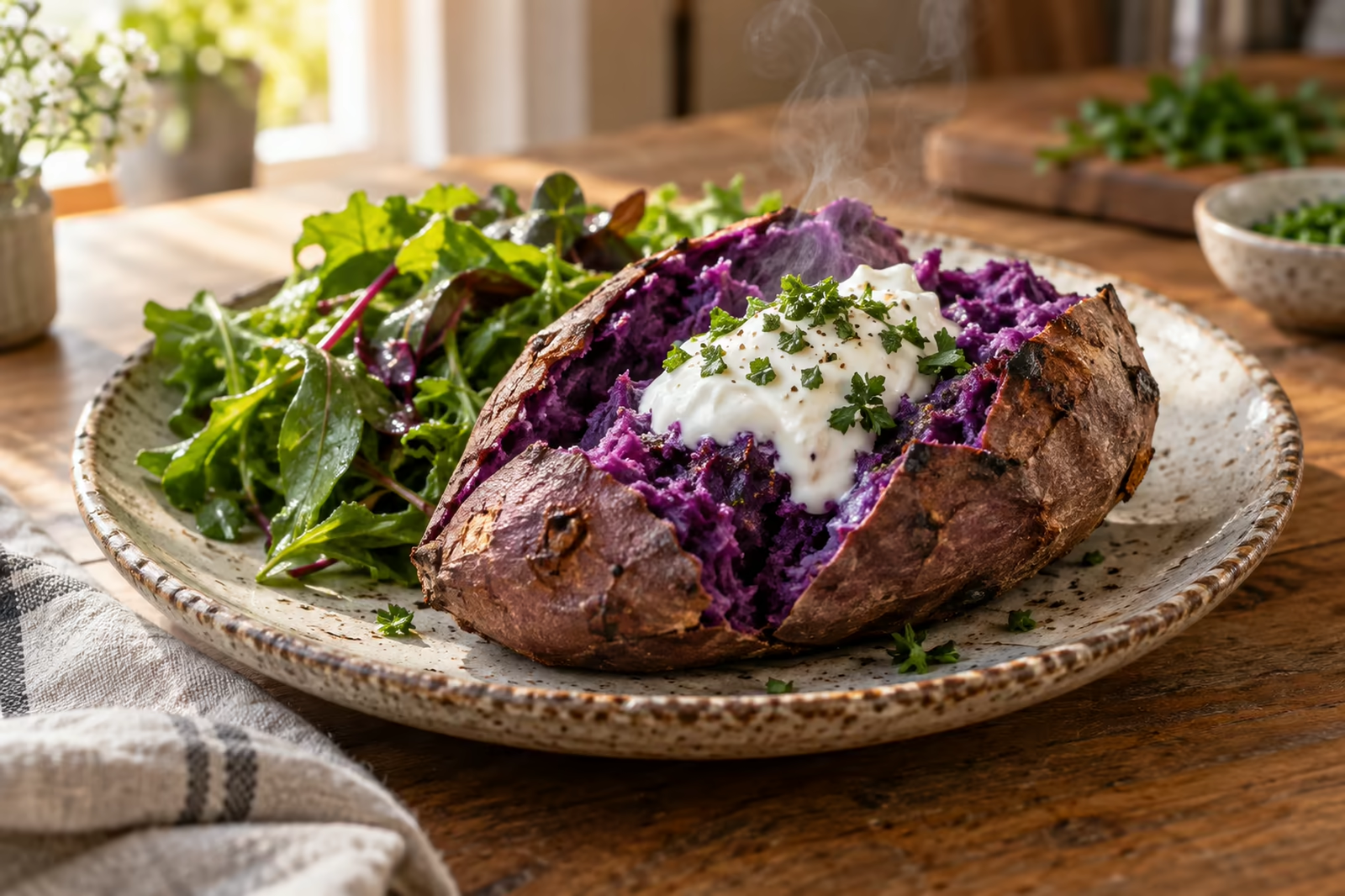
You may also hear Okinawan sweet potato, Stokes Purple®, or other variety names. They are not always interchangeable in moisture or sweetness. I treat the variety as a clue rather than a promise, then adjust cooking by texture: a dry potato welcomes yogurt, tahini, salsa, broth, or a little olive oil; a moister one may need almost nothing.
Purple sweet potato nutrition without the hype
Like other sweet potatoes, purple varieties provide carbohydrate for energy, fiber, and a mix of vitamins and minerals. The exact profile shifts with the cultivar, growing conditions, serving size, and cooking method. Purple flesh is not a reliable sign of the same beta-carotene content found in deep-orange varieties, which is another good reason to eat several colors rather than looking for one “best” potato.
The violet pigment comes from anthocyanins, especially cyanidin- and peonidin-based compounds. Laboratory and early human research has explored antioxidant and anti-inflammatory activity, but that does not mean a serving prevents or treats disease. I would rather describe purple sweet potato as one useful, colorful plant food than turn it into a supplement with a peel.
Preparation changes the meal more than internet superlatives do. A baked potato topped with beans and greens is different from purple fries or a heavily sweetened dessert. All can have a place, but “purple” does not erase added sugar, sodium, or portion size. For another calm look at deeply colored foods, see our guide to cherry nutrition.
- Fiber: keep the edible skin when you enjoy it, scrubbed well, for extra texture and fiber.
- Color: rotate purple, orange, white, red, and green produce instead of asking one pigment to do everything.
- Balance: pair the potato with beans, eggs, fish, tofu, yogurt, or another satisfying protein.
- Cooking fat: a modest amount of olive oil, nuts, seeds, or avocado can add flavor and staying power.
How to choose and store purple sweet potatoes
Choose firm potatoes with dry, intact skin. Small scars and odd shapes are normal; deep cuts, wet decay, soft sunken areas, mold, or a strong off odor are not. Similar-size potatoes cook more evenly, but large ones are perfectly useful when cut into equal pieces.
Keep whole, unwashed sweet potatoes in a cool, dark, well-ventilated place away from heat and strong sunlight. A refrigerator is usually too cold for raw sweet potatoes and can change their texture and flavor. Do not seal damp potatoes in plastic. Once cut, wrap or cover them, refrigerate promptly, and cook soon.
Cooked purple sweet potato belongs in the refrigerator in a covered container. Its color can shift slightly with acidity and cooking, and pale streaks or natural variation are not automatically spoilage. Discard it if you see mold, feel slime, or notice a fermented or otherwise unpleasant odor.
Easy ways to cook and serve it
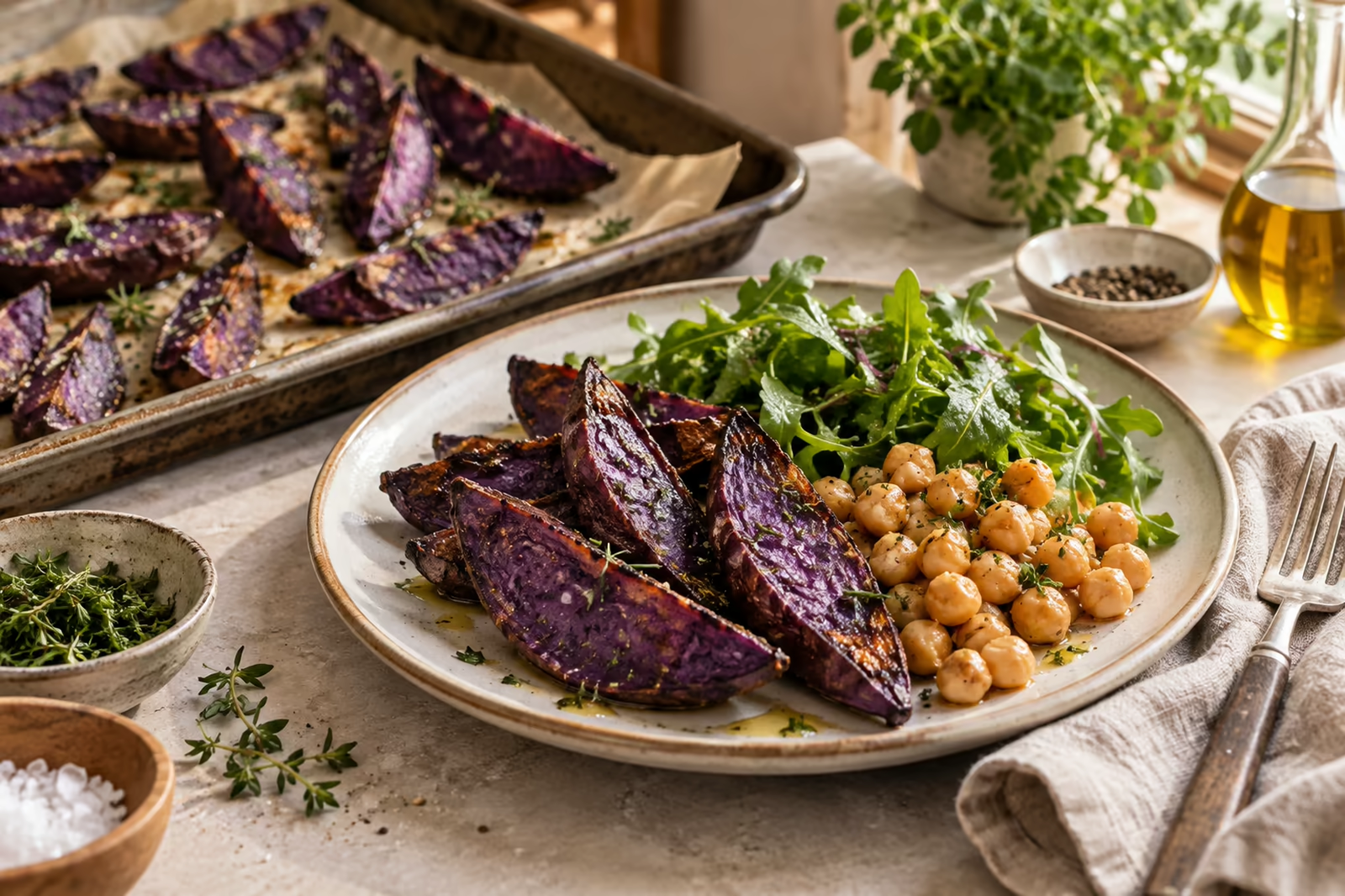
Baking and steaming show off the color with very little work. Scrub the potato, pierce whole potatoes before baking, and cook until a knife slides through the center without resistance. For mash, steaming can protect moisture better than boiling. Add warm milk or broth gradually because some purple varieties absorb liquid quickly.
- Roast wedges: cut evenly, toss lightly with oil and spices, and leave space for browned edges.
- Build a bowl: add chickpeas, greens, herbs, and a lemony yogurt or tahini sauce.
- Mash it: season with ginger and lime, or take it savory with garlic and scallions.
- Use leftovers: fold cubes into a grain salad or mash them onto toast with egg or beans.
- Bake thoughtfully: remember that cakes, pies, and sweet breads are desserts even when the color comes from a vegetable.
I love purple sweet potato most when the color is allowed to be joyful without carrying a health halo. Roast it until the edges caramelize, give it something creamy or bright, and pair it with a protein. That is enough to make a simple plate feel memorable—and to make the bag worth bringing home.
Sources
- PubMed: Purple-Fleshed Sweet Potato Anthocyanins and Bioactive Compounds Review
- PubMed: Anthocyanins From Purple Sweet Potato—Review
- PubMed: Sweet Potato Composition and Phytochemistry Review
- USDA FoodData Central: Purple Sweet Potato Search

Hi, I’m Laura, the voice behind Tastiva. I’ve always believed that eating well should feel enjoyable, comforting, and realistic—not like another complicated rule to follow. I love creating recipes that fit into everyday life, sharing simple nutrition ideas, and finding small ways to make meals feel a little better without losing the pleasure of good food.