
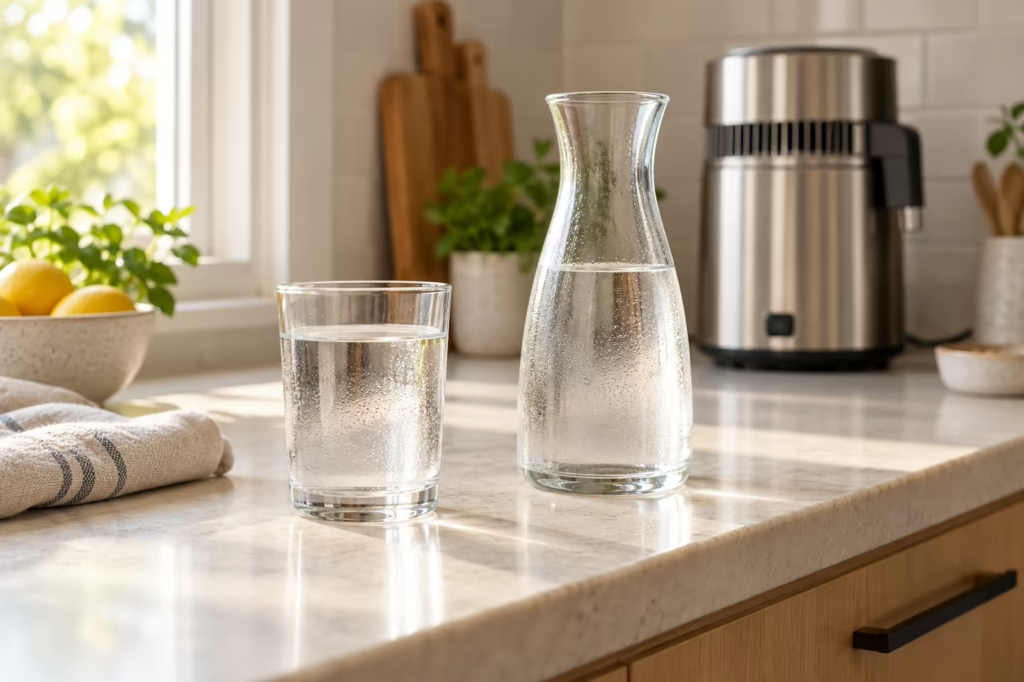
Yes, you can drink distilled water when it has been properly produced, stored, and labeled for human consumption. Distillation removes many germs, chemicals, and dissolved minerals, so the water may taste unusually flat. It is not inherently “dead,” dangerous, or detoxifying—and for most people with access to safe drinking water, it is a choice rather than a health necessity.
Distilled water is simply highly treated water. The important question is not whether it sounds pure, but whether the source is safe and the choice makes sense for your home.
How distillation changes drinking water
A distiller heats water until it becomes vapor, then cools that vapor back into liquid. Many microbes and nonvolatile substances remain behind. The CDC says distillation can remove parasites, bacteria, viruses, and many chemicals, including dissolved minerals such as calcium, magnesium, and sodium.
It does not remove absolutely everything under every condition. Some volatile organic compounds and certain pesticides can evaporate with the water unless the system is designed to manage them. Bacteria can also grow on cooling coils or in a storage container if equipment is not cleaned and maintained. “Distilled” describes a process, not permission to ignore the source, machine instructions, or sanitation.
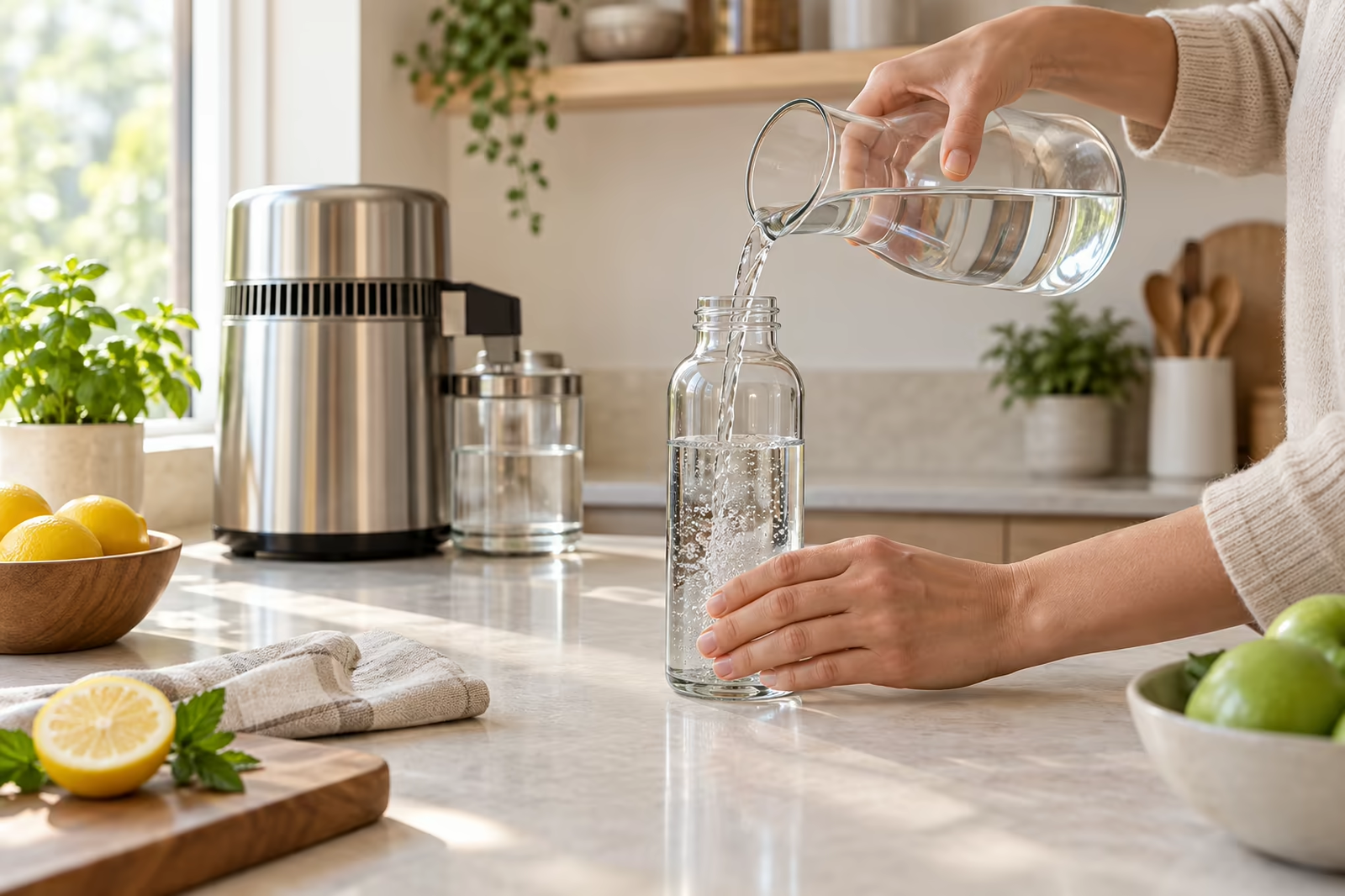
Commercial bottled distilled water sold for drinking is regulated as bottled water by the FDA. Water made at home depends on the source water, the unit, cleaning, filter changes if applicable, and clean storage. Use a food-safe covered container, avoid touching the inside of the lid or spout, and follow the manufacturer’s maintenance schedule.
Minerals, taste, and the “healthier water” claim
Distilled water contains very little calcium, magnesium, and other dissolved material, which is why some people describe it as flat or empty tasting. That sensory difference is real. It does not mean the water steals nutrients from a healthy body or that one glass creates a mineral deficiency.
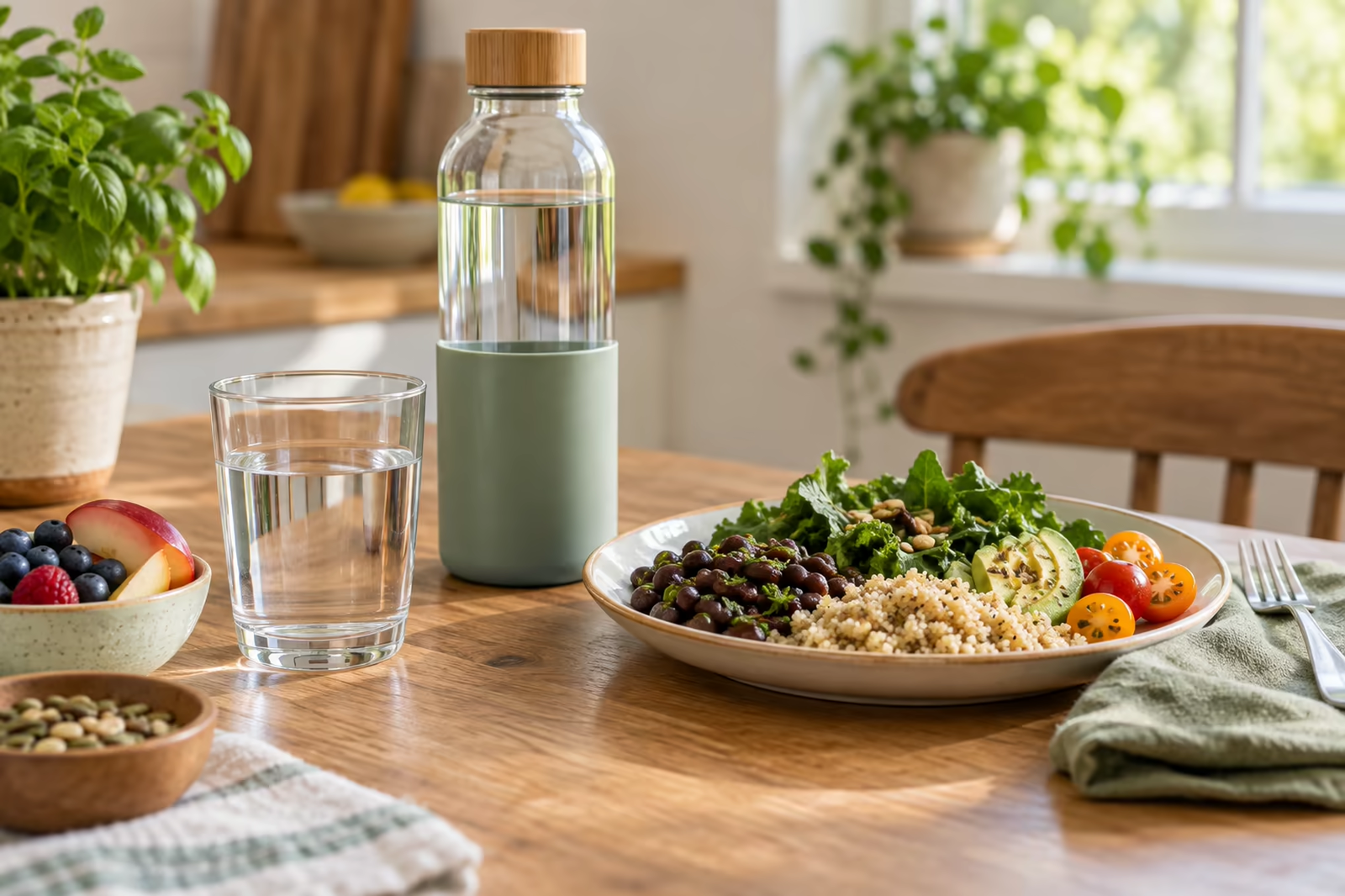
Food supplies most dietary minerals: beans, dairy or fortified alternatives, vegetables, fruit, nuts, seeds, fish, and whole grains do far more nutritional work than the small and variable amount in drinking water. Still, local water can contribute minerals and fluoride exposure. If distilled water is your only long-term beverage and dental fluoride is a concern, a dentist can help you assess the whole picture.
I would not pay extra for distilled water because a wellness claim promises superior hydration or detoxification. Your kidneys and liver already manage waste; the useful goal is safe water in an amount that fits your thirst, climate, activity, and medical needs. Drinking an excessive amount of any water can be harmful, while special fluid limits from a clinician should always take priority.
Distilled, purified, spring, and tap water compared
These labels describe source or treatment, not a simple ranking. Distilled water is one type of purified water. Reverse-osmosis water is purified through a membrane. Spring water comes from an underground formation and must meet the rules for that label. Public tap water is regulated by the EPA, while bottled water is regulated by the FDA.
- Distilled water: boiled and condensed; very low in dissolved minerals and often flat tasting.
- Purified water: treated by distillation, reverse osmosis, or another suitable process to meet the label standard.
- Spring water: defined by its underground source, not by a promise of being more nutritious.
- Tap water: a practical, economical choice when the local supply is safe; use your utility’s water-quality report for local facts.
- Well water: privately managed water that needs appropriate testing and treatment rather than assumptions based on clarity or taste.
If safe tap water tastes strongly of chlorine, chilling it in a clean covered pitcher or using a certified filter for the specific concern may be more practical than distilling every drop. Test private well water and choose treatment for the contaminant you actually have. The CDC’s advice is refreshingly direct: different systems remove different germs and chemicals.
When distilled water is useful—and when it is not
Distilled water can be useful in appliances and medical equipment when the manufacturer specifically requests it, because low mineral content reduces scale. That instruction is about protecting equipment or meeting a process standard, not proof that distilled water is superior for everyone to drink. Never substitute drinking advice for the directions on a device, medication, or infant-feeding product.
- Reasonable uses: a device that specifies distilled water, travel where a verified sealed product is convenient, or a household treatment plan chosen for a tested contaminant.
- Not a guarantee: an opened jug can still be contaminated by hands, cups, a dirty spout, or poor storage.
- Not a cure: distilled water does not treat disease, replace electrolytes after major losses, or make an unbalanced diet complete.
- For cooking: it works normally, though water mineral content can subtly affect coffee, tea, bread, and beans.
The best everyday water is safe, accessible, and pleasant enough that you will drink it. Distilled water meets that description for some households; safe tap or another regulated bottled water meets it for many others. Keep the decision practical. Purity language is powerful marketing, but a clear label and sound water-safety information are more useful. If water is part of your morning cup, our guide to coffee and health keeps that conversation just as grounded.
Sources
- Centers for Disease Control and Prevention: About Home Water Treatment Systems
- U.S. Food and Drug Administration: Bottled Water Everywhere—Keeping It Safe
- U.S. Environmental Protection Agency: National Primary Drinking Water Regulations

Hi, I’m Laura, the voice behind Tastiva. I’ve always believed that eating well should feel enjoyable, comforting, and realistic—not like another complicated rule to follow. I love creating recipes that fit into everyday life, sharing simple nutrition ideas, and finding small ways to make meals feel a little better without losing the pleasure of good food.