
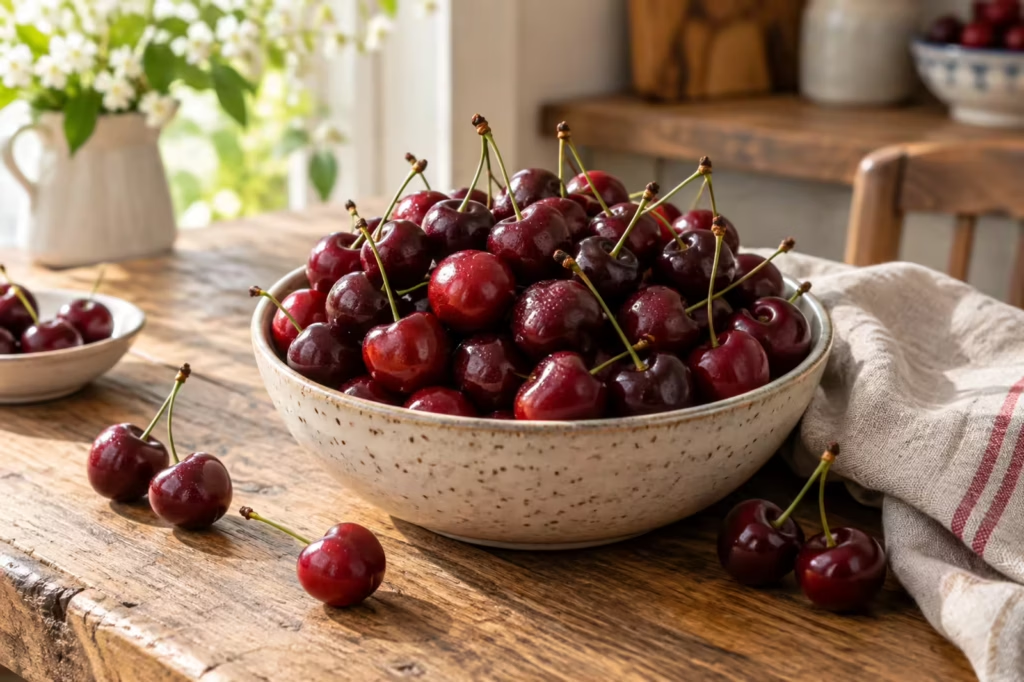
A bowl of cherries has a way of slowing the kitchen down. You rinse them, pull one by the stem, and suddenly the snack feels like summer. So, are cherries good for you? Yes. Fresh cherries are a hydrating whole fruit that provides fiber, vitamin C, potassium, and colorful plant compounds. They are nutritious without needing to promise miracles.
Cherries do not have to cure anything to earn a place at the table—their real strength is being a delicious whole fruit you may genuinely want to eat.
What nutrition do cherries provide?
A cup of raw sweet cherries contains roughly 100 calories, about 25 grams of carbohydrate, and around 3 grams of fiber. It also supplies vitamin C and potassium. Exact values change with the variety and serving size, which is why “about” is the honest word here.
The red, purple, and burgundy colors come partly from polyphenols such as anthocyanins. These compounds have antioxidant activity in laboratory testing, but food is more than one isolated compound. The useful everyday benefit is the full package: water, fiber, micronutrients, and pleasure in one naturally sweet food.
Cherries are not especially high in protein or fat, so they may feel more satisfying when paired with yogurt, nuts, cheese, or another protein-rich food. That pairing is optional; it is simply helpful when a handful of fruit needs to carry you to the next meal.
Fresh, tart, dried, and juiced cherries are different
Sweet cherries are usually eaten fresh, while tart cherries often appear frozen, dried, concentrated, or as juice. Both can contribute useful plant compounds, but the form changes the portion. Removing water makes dried fruit and concentrates easier to consume quickly, so a small amount can contain the carbohydrate of much more whole fruit.
- Fresh or frozen cherries: include their natural water and fiber; choose unsweetened frozen fruit.
- Dried cherries: convenient and concentrated; check for added sugar and compare the serving size.
- Tart cherry juice: may be used in research, but provides little fiber and can be easy to drink in a large amount.
- Cherry pie filling: can be delicious, but it is a dessert ingredient rather than the nutritional equivalent of plain fruit.
There is room for every form. I would simply choose it for the job: fresh cherries for snacking, frozen cherries for oatmeal or smoothies, a spoonful of dried cherries in a grain salad, and juice when you actually want juice rather than a shortcut to better health.
Canned cherries can be practical too. Fruit packed in water or its own juice keeps the choice simple; cherries in heavy syrup bring considerably more added sugar. Draining syrup helps, but the label still gives the clearest picture. For baking, frozen pitted cherries often offer the best balance of convenience, flavor, and year-round availability.
What does research say about cherry benefits?
A review led by U.S. Department of Agriculture researchers examined 29 human studies involving sweet or tart cherries and cherry products. The results suggested possible improvements in markers related to oxidative stress, inflammation, exercise recovery, blood pressure, sleep, and uric acid. That is encouraging, but it is not the same as proof that a normal bowl of cherries treats a medical condition.
Many of the studies were small, short, and used concentrated products or amounts equivalent to many cherries. The cherry type, dose, and outcome also varied. I would enjoy cherries as food and view any targeted product claim with a calm eye, especially if it promises rapid pain relief, perfect sleep, or a cure.
If you have gout, diabetes, kidney disease, or take medication, do not replace your care plan with cherry juice or supplements. A clinician or registered dietitian can help you fit fruit into the plan that is right for you.
Simple ways to enjoy cherries safely
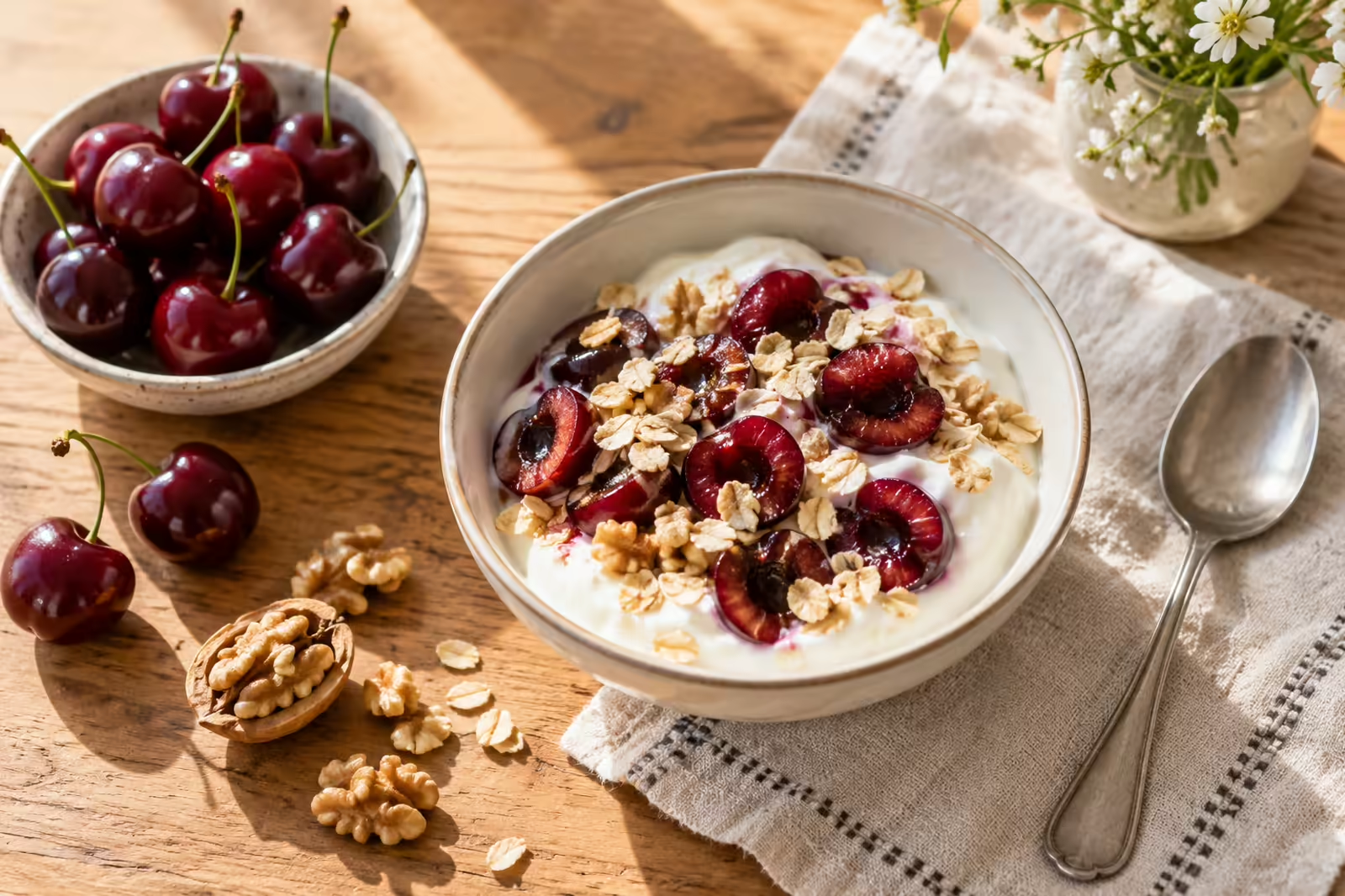
- Add halved, pitted cherries to plain yogurt, oats, or cottage cheese.
- Toss cherries into a salad with greens, grains, and toasted nuts.
- Freeze pitted cherries in a single layer before transferring them to a freezer bag.
- Pair fresh cherries with nuts or cheese for a more filling snack.
- Use unsweetened frozen cherries when fresh fruit is out of season.
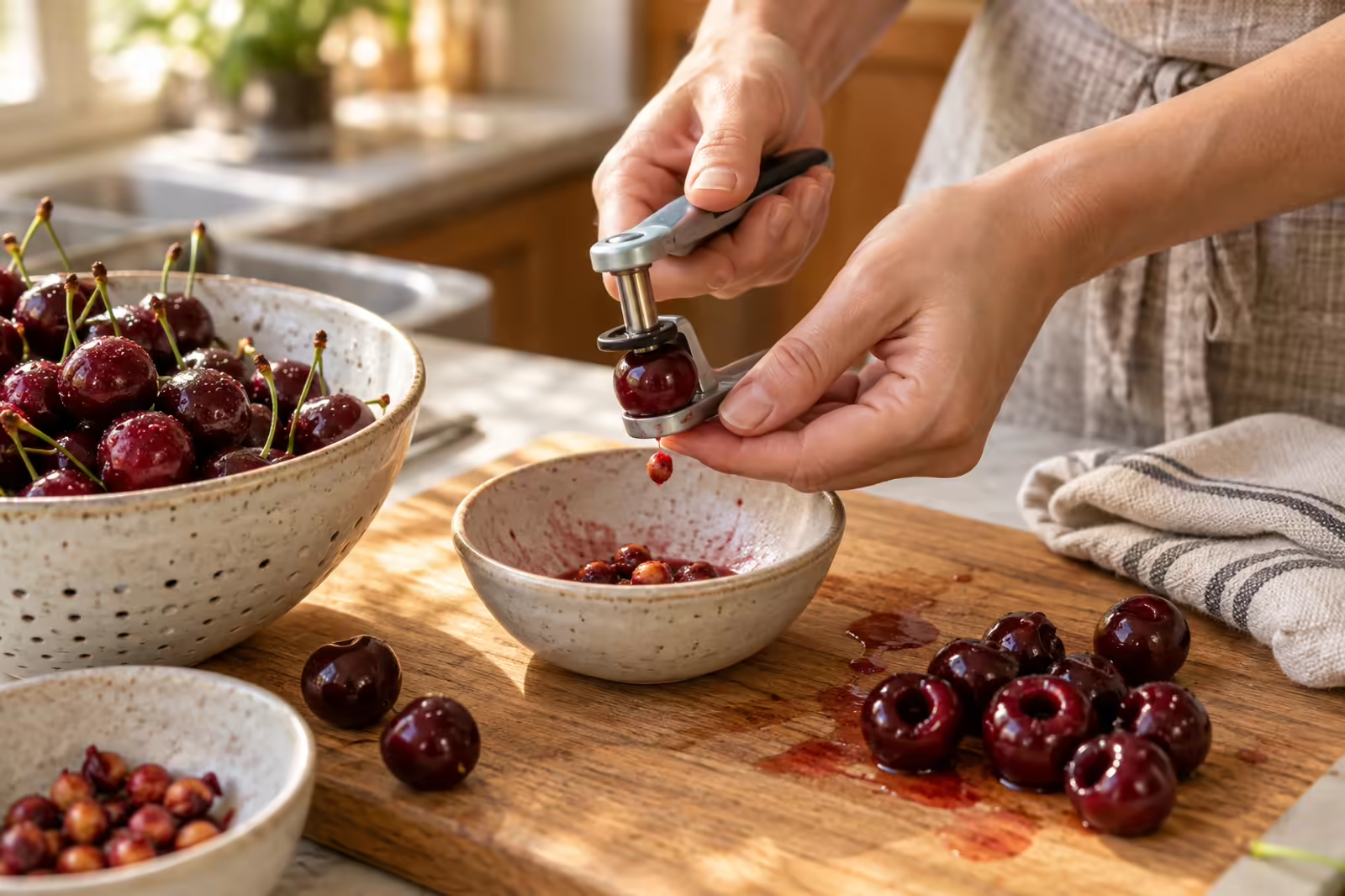
Wash cherries under running water just before eating, and remove the pits. Whole cherries and pits are choking hazards for young children, so cut the fruit into an age-appropriate shape. Cherry pits should not be intentionally chewed or crushed.
A comfortable portion is the one that fits your appetite and the rest of your meal. For many people, about a cup is a practical starting place. If a large bowl causes digestive discomfort, try a smaller amount. You can also compare another familiar fruit in our guide to whether apples are good for you.
Cherries are good for you in the most useful sense: they make it easier to enjoy more fruit. Let their flavor do the convincing, and let the evidence stay honest.
Sources
- USDA FoodData Central: Raw Sweet Cherries
- National Library of Medicine: A Review of the Health Benefits of Cherries
- USDA MyPlate: Fruits

Hi, I’m Laura, the voice behind Tastiva. I’ve always believed that eating well should feel enjoyable, comforting, and realistic—not like another complicated rule to follow. I love creating recipes that fit into everyday life, sharing simple nutrition ideas, and finding small ways to make meals feel a little better without losing the pleasure of good food.