
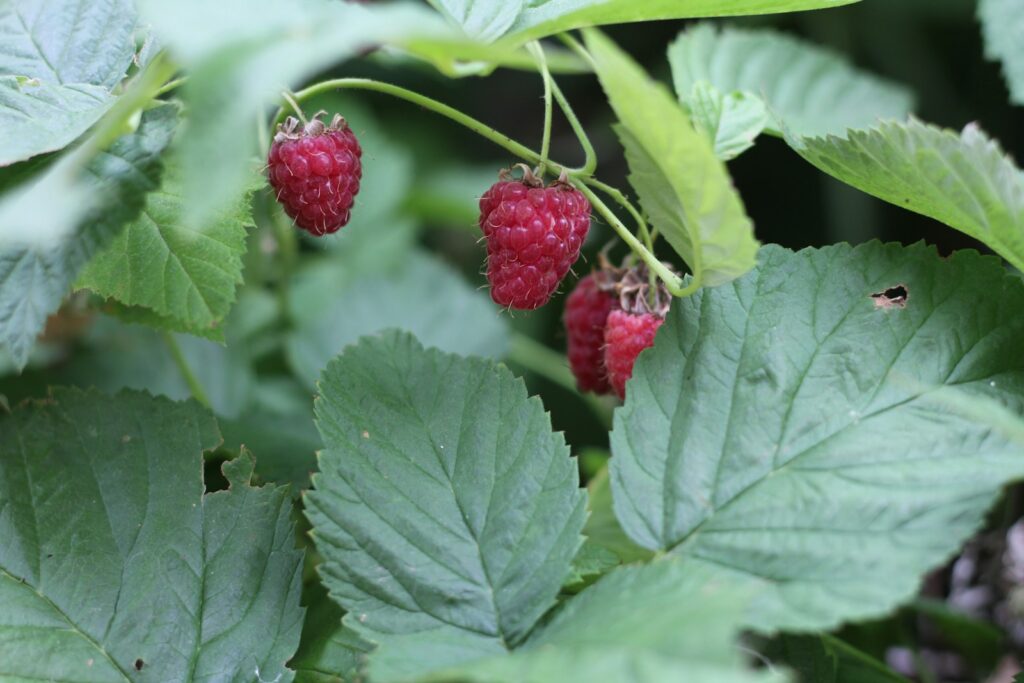
A box of raspberry leaf tea can sound like an ordinary fruity drink, until you notice the pregnancy claims surrounding it. This herbal tea is made from raspberry leaves, not the berries, and it isn't proven to start labor or reliably make birth easier. If you're pregnant, discuss it with your maternity clinician before using it; “herbal” doesn't establish safety or an appropriate dose.
A comforting cup and a proven pregnancy treatment are two very different things.
What raspberry leaf tea is—and what it tastes like
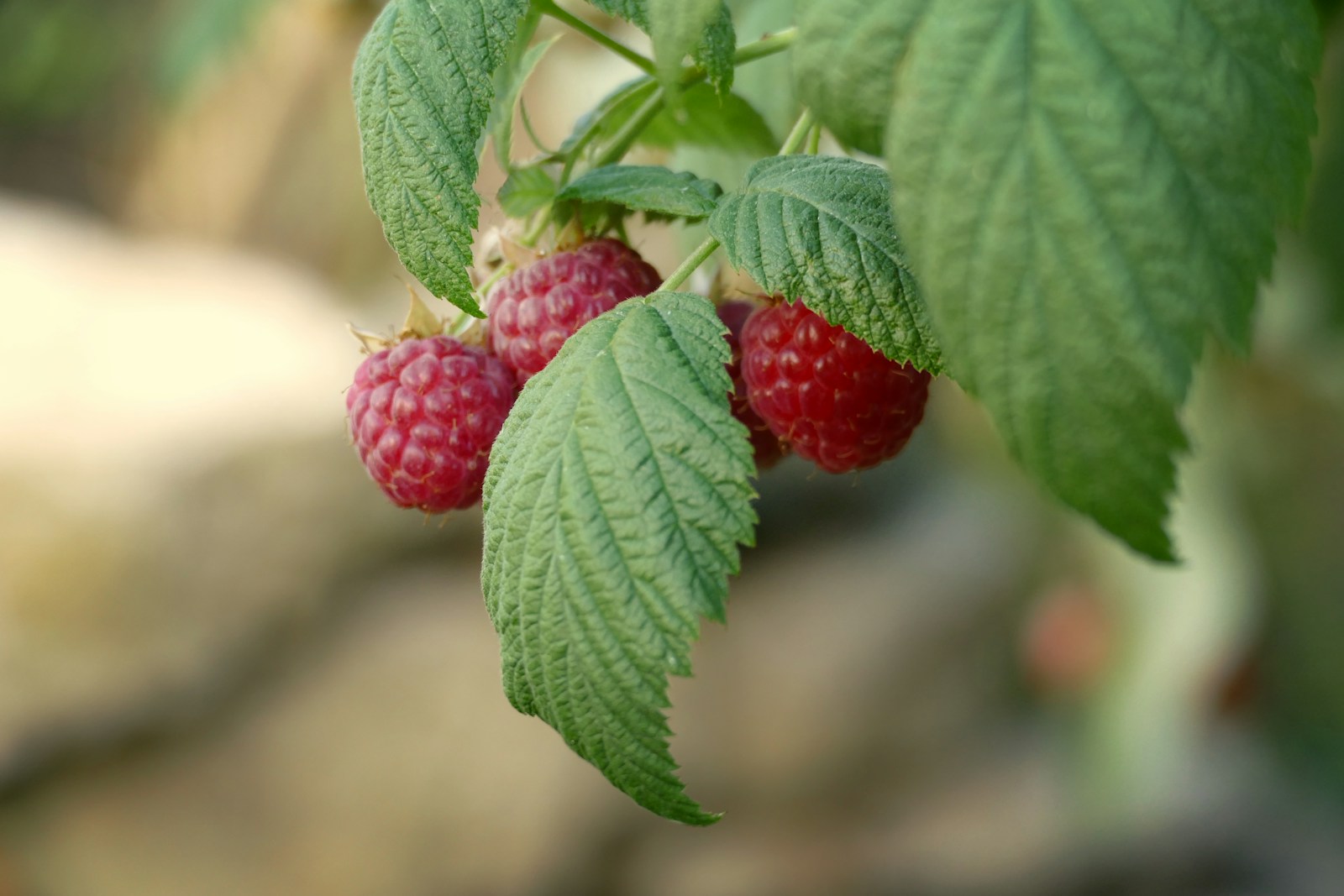
Raspberry leaf tea uses leaves of the raspberry plant, commonly identified as Rubus idaeus. A pure leaf product doesn't necessarily taste like ripe raspberries. Its character is more herbal and tannic, so a bright berry flavor may indicate added fruit, flavoring, or other ingredients rather than the leaf alone.
For example, Traditional Medicinals' raspberry leaf tea lists raspberry leaf and describes a caffeine-free herbal product. That's useful product information, not independent evidence for the pregnancy-related benefits a seller may discuss. Blends can contain different herbs or caffeinated ingredients, so read the complete label.
I'd separate three questions while shopping: what is in the cup, do I enjoy that kind of tea, and is it appropriate for my circumstances? A pleasant flavor only answers one of them. A familiar plant name doesn't answer the safety question for pregnancy, medicines, or a particular health condition.
What the pregnancy evidence can—and can't—tell us
Raspberry leaf has been studied in connection with labor, but the evidence is limited and doesn't support confident promises that it induces labor, prevents interventions, or makes childbirth easier. Products, doses, study designs, and participant groups differ, which makes simple social-media recommendations especially unreliable.
A 2024 prospective observational study reported associations between raspberry leaf use and some birth outcomes in a small sample. Because participants weren't randomly assigned to use it, the study cannot establish that the herb caused those differences. The authors called for randomized research; an association is not a prescription.
| Claim you may encounter | What deserves a closer look |
|---|---|
| “It starts labor naturally” | Reliable evidence for home induction is lacking |
| “A study showed a benefit” | Study design, size, formulation, and uncertainty matter |
| “Tea is safer than tablets” | Different preparations don't have automatically equivalent safety or doses |
| “Everyone should start at the same week” | A universal schedule isn't established by the evidence |
| “It's been used for generations” | Traditional use isn't the same as a demonstrated benefit or safety guarantee |
One detail I'd keep firmly in view is the preparation. Research involving tablets can't be translated into an exact number of cups, because the amount extracted into tea varies. Nor can a result in a particular group of pregnant participants be assumed to apply to someone with different pregnancy risks or medical needs.
Questions to take to your midwife or obstetrician
The NHS guidance on inducing labor says there are no proven ways to start labor yourself at home and notes uncertainty around herbal supplements. If you're considering raspberry leaf because you want labor to begin, speak with your maternity team about your situation and the appropriate options.
- Is this specific product appropriate for me, considering my pregnancy history and current care plan?
- Could any of its ingredients interact with medicines or other supplements I'm taking?
- Does the advice change because of complications, planned procedures, or other individual risks?
- Is there a reason to avoid it entirely rather than looking for a different dose?
- What symptoms should prompt a call to the maternity unit?
Bring the package or a clear photograph of the ingredient list. “Raspberry tea” might mean pure leaf, a mixed herbal blend, or a berry-flavored black tea, and those aren't interchangeable. If your clinician advises against it, switching brands isn't a way around that advice.
Don't use tea to delay assessment for reduced fetal movement, bleeding, severe pain, or other concerning pregnancy symptoms. Contact your maternity service promptly when symptoms concern you. An article about a beverage cannot assess a pregnancy or decide when induction or other medical care is needed.
If you're choosing it simply as a beverage
For someone who isn't pregnant, the first useful step is still checking the ingredients and considering medicines or health conditions with a clinician when relevant. Follow the package's brewing directions for taste; steeping instructions aren't a therapeutic dose. If the product doesn't suit you, stop using it rather than assuming discomfort means it's “working.”
A plain raspberry leaf infusion is different from raspberry juice and doesn't provide the same experience as eating the fruit. It also shouldn't be described as a proven detox, fertility treatment, or remedy for a medical condition. Tastiva's chamomile tea guide takes a similarly careful look at another herbal infusion; it isn't a recommendation to substitute chamomile during pregnancy.
My takeaway is deliberately uncomplicated: know which tea you're buying, keep health claims separate from flavor descriptions, and get individualized advice where pregnancy is involved. You don't need to add a special tea to prove you're preparing carefully for birth. Good questions and reliable care matter much more than following a trend.
Sources
- Traditional Medicinals: Raspberry leaf tea ingredients and product information
- BMC Complementary Medicine and Therapies: 2024 observational raspberry leaf study
- NHS: Inducing labor and unproven home methods

Hi, I’m Laura, the voice behind Tastiva. I’ve always believed that eating well should feel enjoyable, comforting, and realistic—not like another complicated rule to follow. I love creating recipes that fit into everyday life, sharing simple nutrition ideas, and finding small ways to make meals feel a little better without losing the pleasure of good food.