
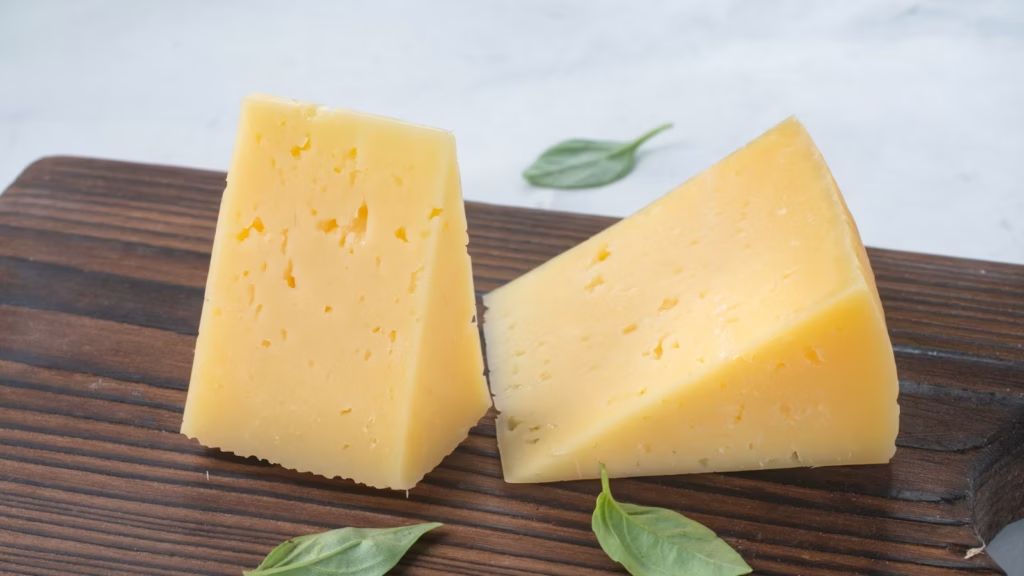
A recipe that says “add pecorino” can leave you staring at several pale wedges that share a name but not quite a personality. Pecorino means sheep’s-milk cheese, and the family ranges from young and supple to hard, sharp, and built for grating.
The word pecorino tells you the milk; the region and age tell you what the cheese will do on the plate.
Table of Contents
What is pecorino cheese?
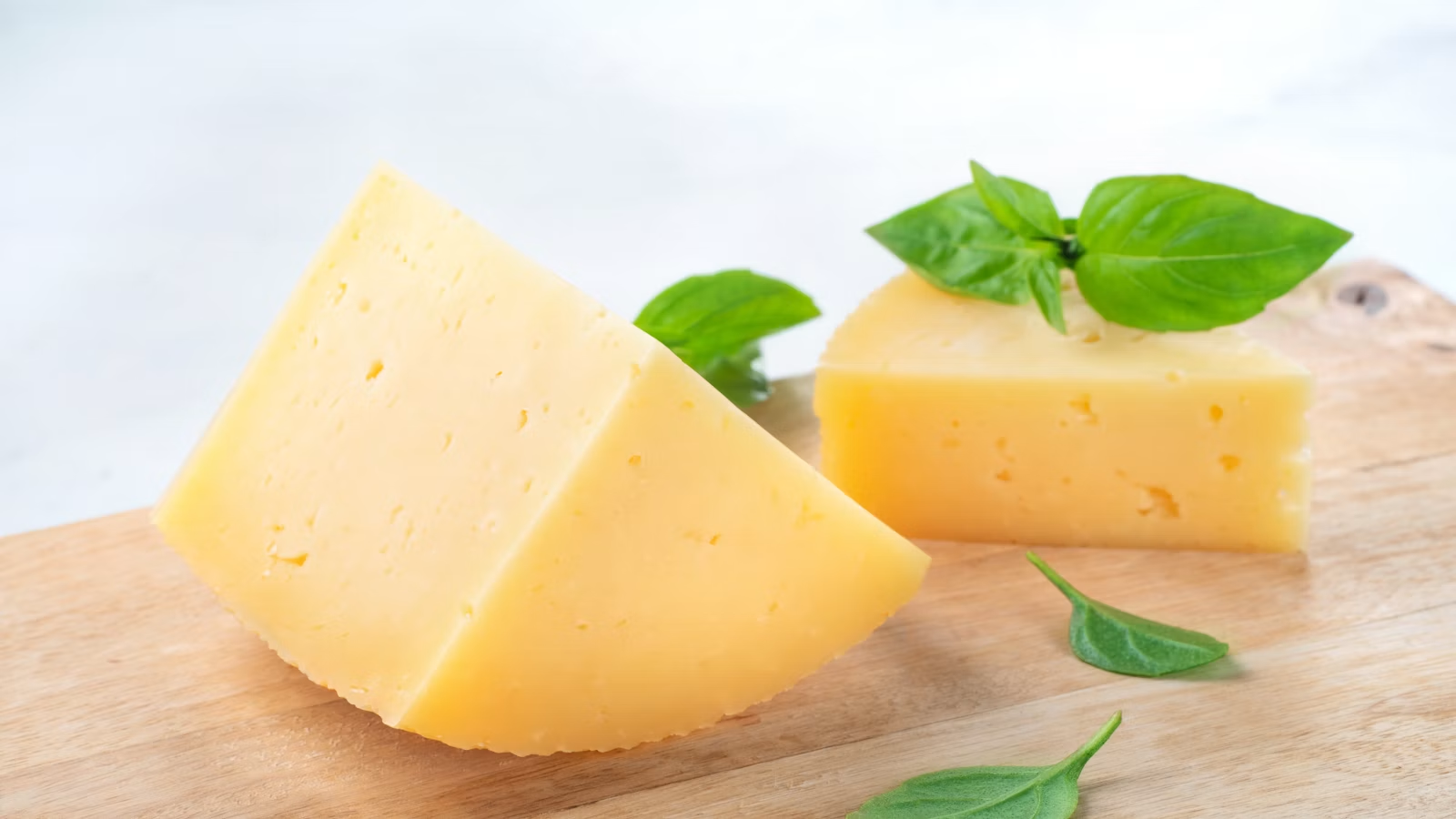
Pecorino comes from the Italian word for sheep, pecora. It is a broad category of cheeses made from sheep’s milk, including protected regional styles such as Pecorino Romano, Pecorino Toscano, Pecorino Sardo, and Pecorino Siciliano. They are related by milk source, not identical in salt, age, or texture.
Pecorino Romano is the style most U.S. shoppers encounter grated over pasta. Its official consortium describes it as a hard, cooked cheese made from fresh whole sheep’s milk. A younger table pecorino can be much milder and softer, which is why a generic substitution chart can be frustrating.
Sheep’s milk has a distinct richness, but the finished flavor is shaped just as strongly by cultures, salt, moisture, and time. That is why two pecorino wedges can share a milk source and still land at opposite ends of the mild-to-piquant spectrum.
Pecorino Romano versus other pecorino styles
Pecorino Romano is firm, salty, and assertive, especially when aged for grating. Pecorino Toscano is often gentler and can be sold at younger ages, while Sardinian and Sicilian examples have their own specifications and aging traditions. Within each name, age still changes moisture and intensity.
- For cacio e pepe or carbonara: Pecorino Romano brings the classic salty bite.
- For a cheese board: a younger pecorino is easier to slice and often less aggressive.
- For shaving over vegetables: choose a medium-aged wedge that is firm but not brittle.
If a recipe names a specific protected style, I would follow it the first time. If it only says pecorino, decide whether the dish needs salt and punch or a softer sheep’s-milk flavor.
How to buy and use pecorino
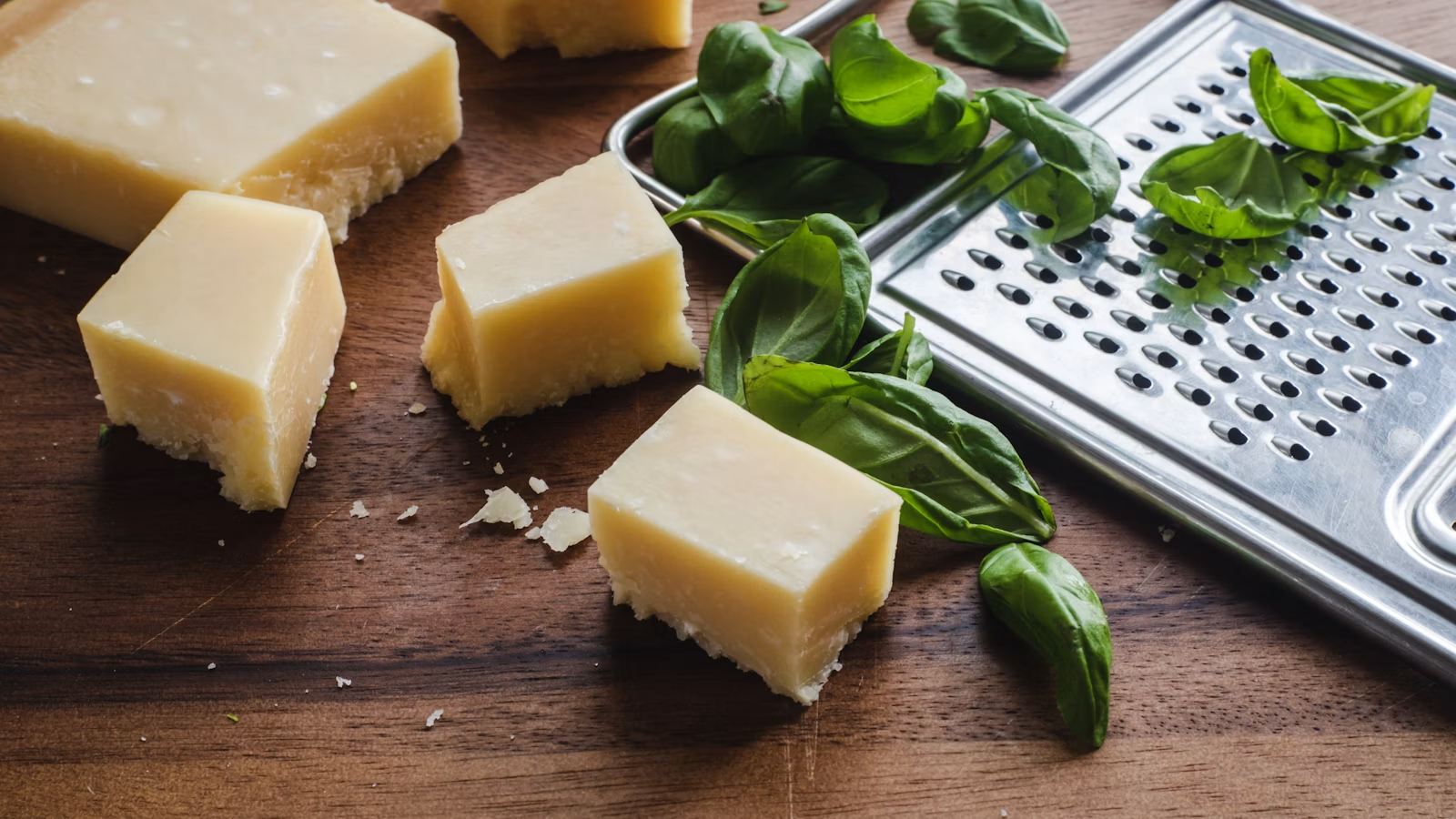
Buy a wedge when texture and aroma matter; freshly grated cheese melts more smoothly than many pre-shredded products. The rind or label on protected Pecorino Romano carries identifying marks, while the ingredient list confirms sheep’s milk. Taste before adding extra salt to a dish.
Grate hard pecorino finely for pasta sauces so it can melt with warm water rather than clump. Shave it over roasted vegetables, pair it with pears or honey, or add small cubes to a grain salad. If you want a milder comparison, Tastiva’s guides to feta cheese and Swiss cheese show why milk, aging, and moisture matter.
- Finely grate for emulsified sauces.
- Coarsely grate when you want distinct salty pockets.
- Slice younger pecorino for fruit, bread, and salads.
In a store, compare how the cheese will be used before comparing price per pound. A firm, assertive wedge may cost more than a tub of pre-grated cheese, yet a smaller amount can season a whole dish and the remainder keeps its aroma better when left intact.
Storage and nutrition considerations
Wrap a cut wedge so it is protected from drying while still following the producer’s instructions. Keep it refrigerated, use clean utensils, and trim or discard according to current food-safety guidance if spoilage appears. Grated cheese loses aroma faster, which is another reason to grate only what you need.
Sheep’s-milk cheese supplies protein and calcium, but aged Pecorino Romano can also be high in sodium and saturated fat. Serving sizes on labels are the best comparison because brands and ages vary. A tablespoon grated over pasta behaves differently in a meal than a large cheese-board portion; context is more useful than calling the cheese simply healthy or unhealthy.
For pasta, take the pan off direct heat before adding finely grated pecorino with warm cooking water. High heat can make the proteins tighten into clumps. A gradual toss creates a smoother coating and lets the cheese season the sauce rather than sit on top.
Sources
These references support the ingredient, preparation, and food-safety details in this article.
- Pecorino Romano Consortium: Characteristics
- Pecorino Romano Consortium: Processing
- EU Official Journal: Pecorino Romano specification update

Hi, I’m Laura, the voice behind Tastiva. I’ve always believed that eating well should feel enjoyable, comforting, and realistic—not like another complicated rule to follow. I love creating recipes that fit into everyday life, sharing simple nutrition ideas, and finding small ways to make meals feel a little better without losing the pleasure of good food.