
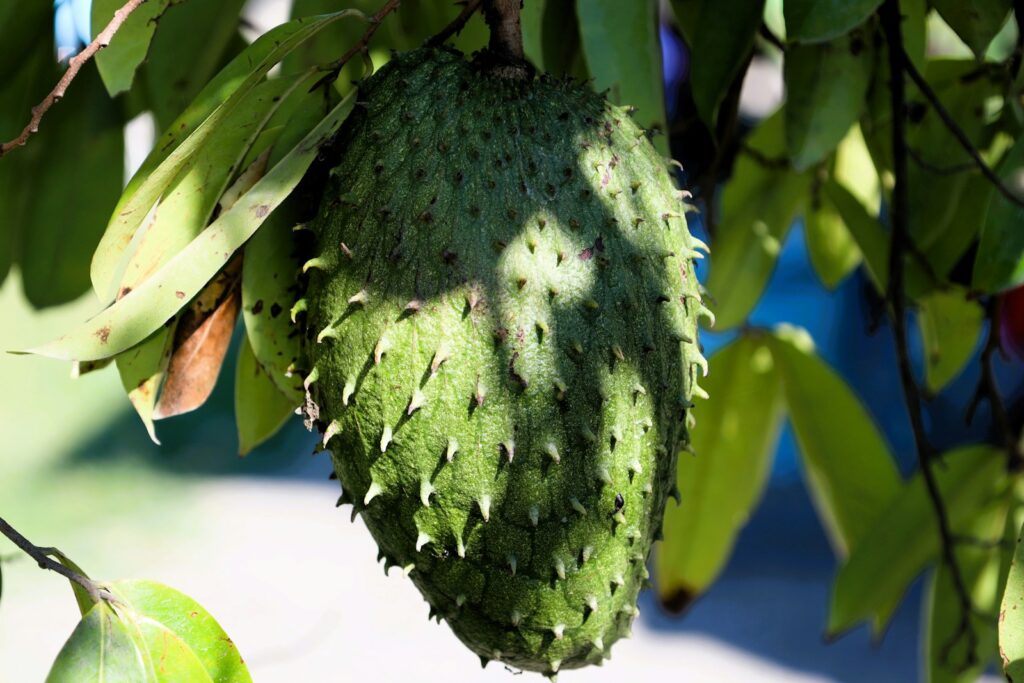
A packet of dried soursop leaves can look as ordinary as mint tea, yet the promises around it are anything but ordinary. Soursop leaves come from Annona muricata, the same tropical tree that produces graviola or guanabana fruit. They’re traditionally brewed as tea and sold as powders or extracts, but the direct answer is important: there isn’t reliable human evidence that soursop leaves treat cancer, diabetes, infections, or other diseases, and no evidence-based safe dose has been established.
A warm herbal cup can feel comforting without becoming a treatment plan; with soursop leaves, that distinction matters.
What soursop leaves are—and what they are not
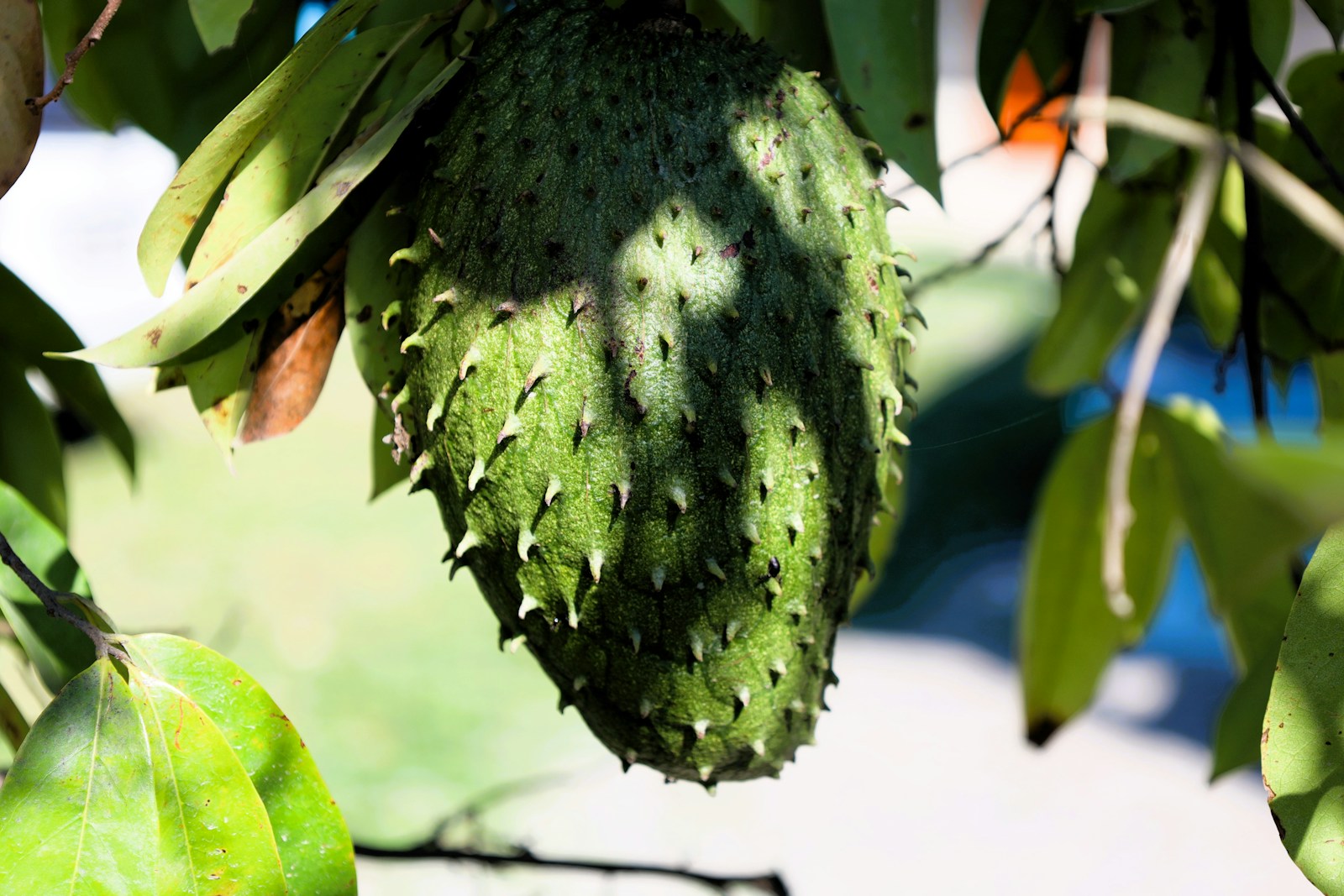
Soursop is an edible tropical fruit, while the tree’s leaves and stems have a history of use in traditional medicine. At stores and online, the leaves may appear whole and dried for tea, ground into powder, or concentrated into capsules and liquid extracts. Those products are not nutritionally interchangeable with the fruit, and an extract is not simply a stronger cup of tea in a more convenient bottle.
That distinction is where I’d slow down. A food tradition can be meaningful without proving that a concentrated product is effective or risk-free. Strength, plant variety, processing, and serving size can differ substantially between products, so one label’s “soursop leaf” may not deliver the same compounds as another.
In the United States, products sold as dietary supplements are not approved by the FDA for safety and effectiveness before sale. “Natural” describes an origin, not a safety test. If a package promises to cure, prevent, or treat a disease, that is a red flag—not evidence that the claim has been clinically demonstrated.
Soursop leaf benefits: claims versus evidence
Laboratory and animal studies have examined soursop leaf extracts for antimicrobial, anti-inflammatory, blood-sugar, blood-pressure, and anticancer activity. These studies can identify compounds worth investigating, but they cannot tell us that drinking the tea will produce the same result in a person. Cell dishes and concentrated animal doses are several steps away from a safe, effective human treatment.
| Common claim | What the evidence can currently support |
|---|---|
| “Kills cancer cells” | Some extracts affect cells in laboratory studies, but human clinical evidence is lacking. Soursop should not replace cancer treatment. |
| “Controls blood sugar” | Effects have been reported mainly in animal research. This does not establish a human dose, and combining it with diabetes medicine could be risky. |
| “Lowers blood pressure” | Animal findings are preliminary; effectiveness and safe use in people are not established. |
| “Boosts immunity” or “detoxes” | These broad marketing phrases do not describe a proven clinical outcome. |
Memorial Sloan Kettering notes that graviola is promoted as an alternative cancer therapy but that there is no proof of benefit for cancer patients. Cancer Research UK reaches the same practical conclusion: research has not shown that graviola can prevent or cure cancer. I know that sounds less exciting than a dramatic wellness claim, but honest uncertainty is much more useful than false reassurance.
Safety questions deserve as much attention as benefits
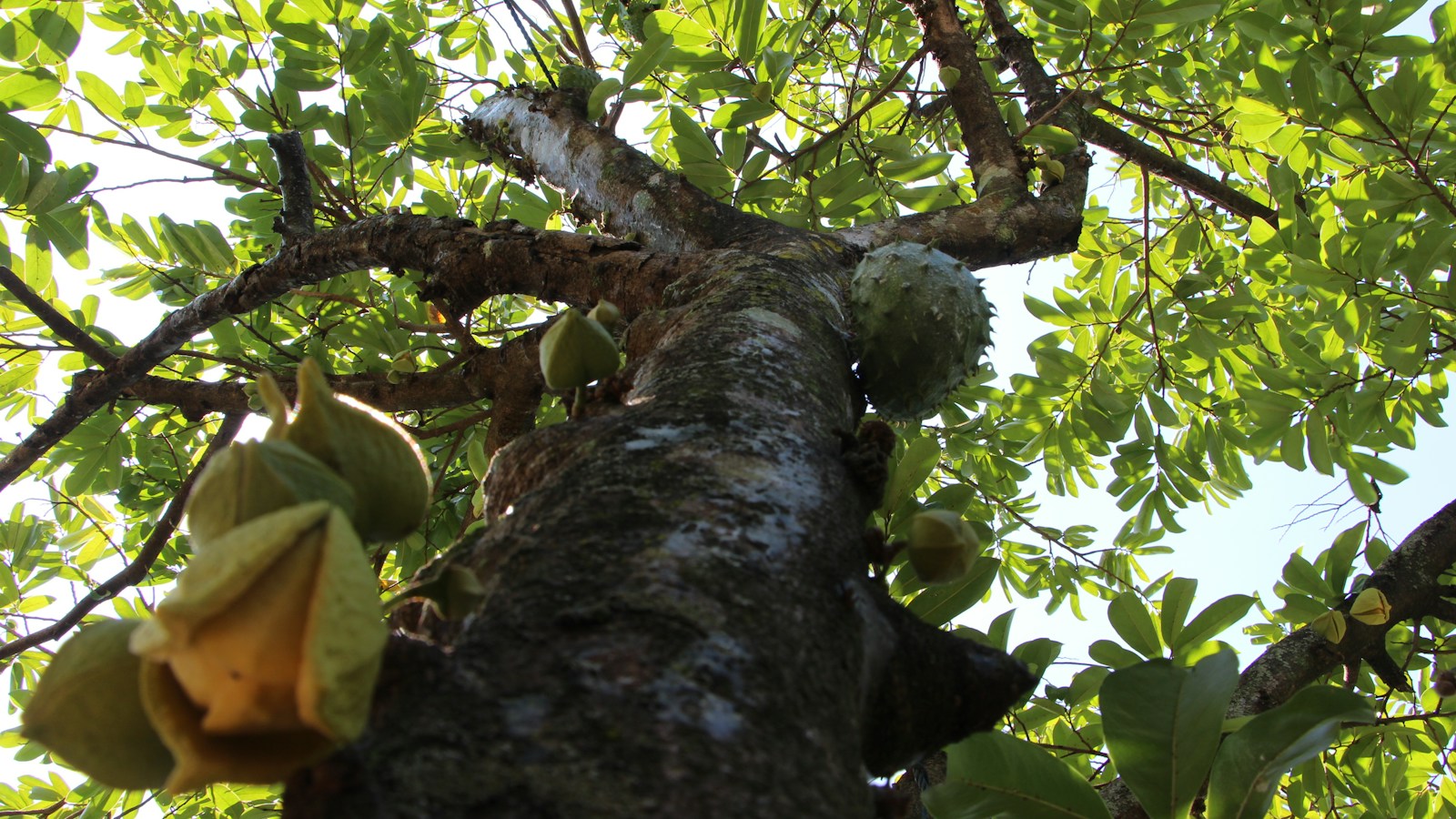
Soursop contains annonaceous acetogenins, a group that includes annonacin. Preclinical research has found neurotoxic effects under experimental conditions, including effects on nerve cells and mitochondria. Researchers have also explored a possible association between frequent consumption of Annona products and atypical parkinsonism in parts of the Caribbean. That does not prove that an occasional cup causes a neurologic disease, but it does mean long-term, high-dose use should not be casually presented as harmless.
A 2020 systematic review described the available leaf-extract safety findings as generally favorable while also emphasizing that animal doses do not translate neatly to people and that further human studies are needed. In other words, the evidence is incomplete—not a clean bill of health. There is no well-established daily dose, duration, or preparation that can be called safe for everyone.
MSK also advises caution with medicines that lower blood sugar or blood pressure and before certain imaging tests because graviola may affect results. I’d be especially careful if you take prescriptions, are pregnant or breastfeeding, have a neurologic condition, or are being treated for cancer or another chronic illness: bring the exact product and ingredient list to a doctor or pharmacist before using it.
A practical way to evaluate soursop leaf products
I wouldn’t turn this article into a brewing recipe because that would imply a tested dose where none exists. If you’re considering a tea or supplement, use a decision checklist instead:
- Ask what you want it to do and whether that outcome has been shown in human trials.
- Avoid products claiming to cure cancer, reverse diabetes, replace medication, or “detox” the body.
- Check whether the label lists the plant name, plant part, amount per serving, other ingredients, and a responsible manufacturer.
- Ask a clinician or pharmacist about medication and test interactions; take the package or a clear photo of it.
- Never postpone diagnosis or substitute soursop for prescribed treatment.
- Stop using it and seek medical advice if you develop a concerning reaction.
The fruit and the leaf product also belong in separate mental boxes. Enjoying commercially prepared soursop fruit as food is not evidence that concentrated leaves are a treatment. The same evidence-first lens is useful with any botanical; Tastiva’s guide to echinacea benefits shows what that looks like when human studies exist. My simple rule is to keep pleasure in the fruit bowl, keep medical decisions with qualified care, and let strong health claims earn their place through strong human evidence.
Sources
- Memorial Sloan Kettering Cancer Center: Graviola
- Cancer Research UK: Graviola (Soursop)
- FDA: Information for Consumers on Using Dietary Supplements
- PubMed: Safety and Tolerability of Annona muricata Leaf Extract—A Systematic Review
- PubMed: Annonacin and Experimental Neurotoxicity

Hi, I’m Laura, the voice behind Tastiva. I’ve always believed that eating well should feel enjoyable, comforting, and realistic—not like another complicated rule to follow. I love creating recipes that fit into everyday life, sharing simple nutrition ideas, and finding small ways to make meals feel a little better without losing the pleasure of good food.