
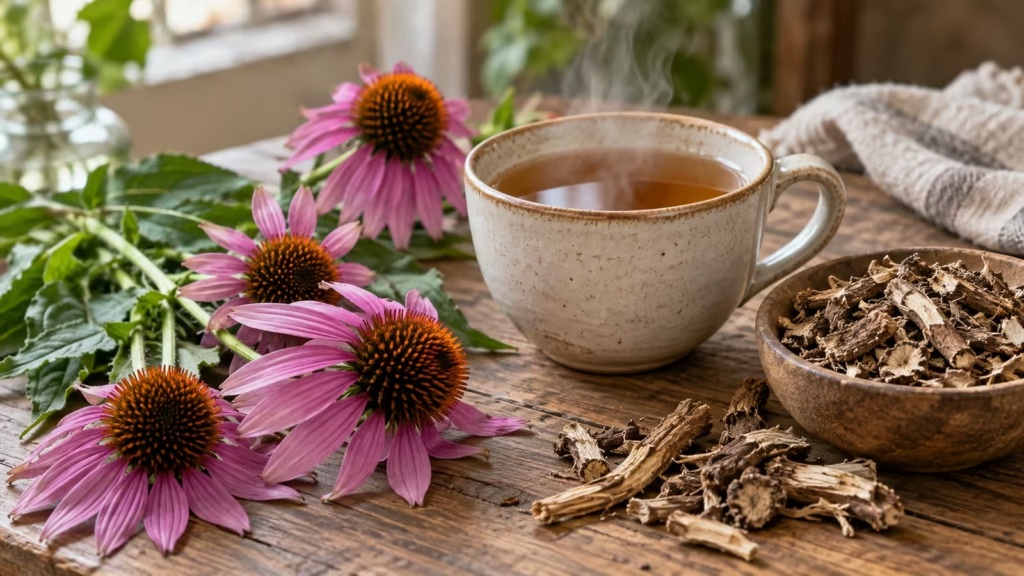
Echinacea is best known as an herbal remedy for the common cold. Research suggests some preparations may slightly reduce the chance of developing a cold, but results are inconsistent, and it is not clear that echinacea reliably shortens an illness once symptoms begin.
Echinacea may offer a modest benefit for some people, but it is not a proven cure and products are far from identical.
I’m Laura, and this is a good example of why “the evidence” cannot be separated from the product. Different studies use different echinacea species, plant parts, extraction methods, doses, and schedules. A positive result for one preparation does not guarantee the same result from every tea, capsule, or tincture.
What echinacea is
Echinacea is a group of flowering plants native to North America. Supplements commonly use Echinacea purpurea, Echinacea angustifolia, or Echinacea pallida. The root, above-ground parts, or both may be processed into tablets, capsules, liquid extracts, lozenges, and tea.
These preparations contain different mixtures of plant compounds, which helps explain why research findings and label directions vary. In the United States, dietary supplements are regulated differently from medicines; they do not need FDA approval for effectiveness before sale.
Echinacea does not replace vaccination, medical assessment, rest, fluids, or other care recommended for respiratory illness. It has not been shown to prevent or treat influenza or COVID-19.
Possible echinacea benefits for colds
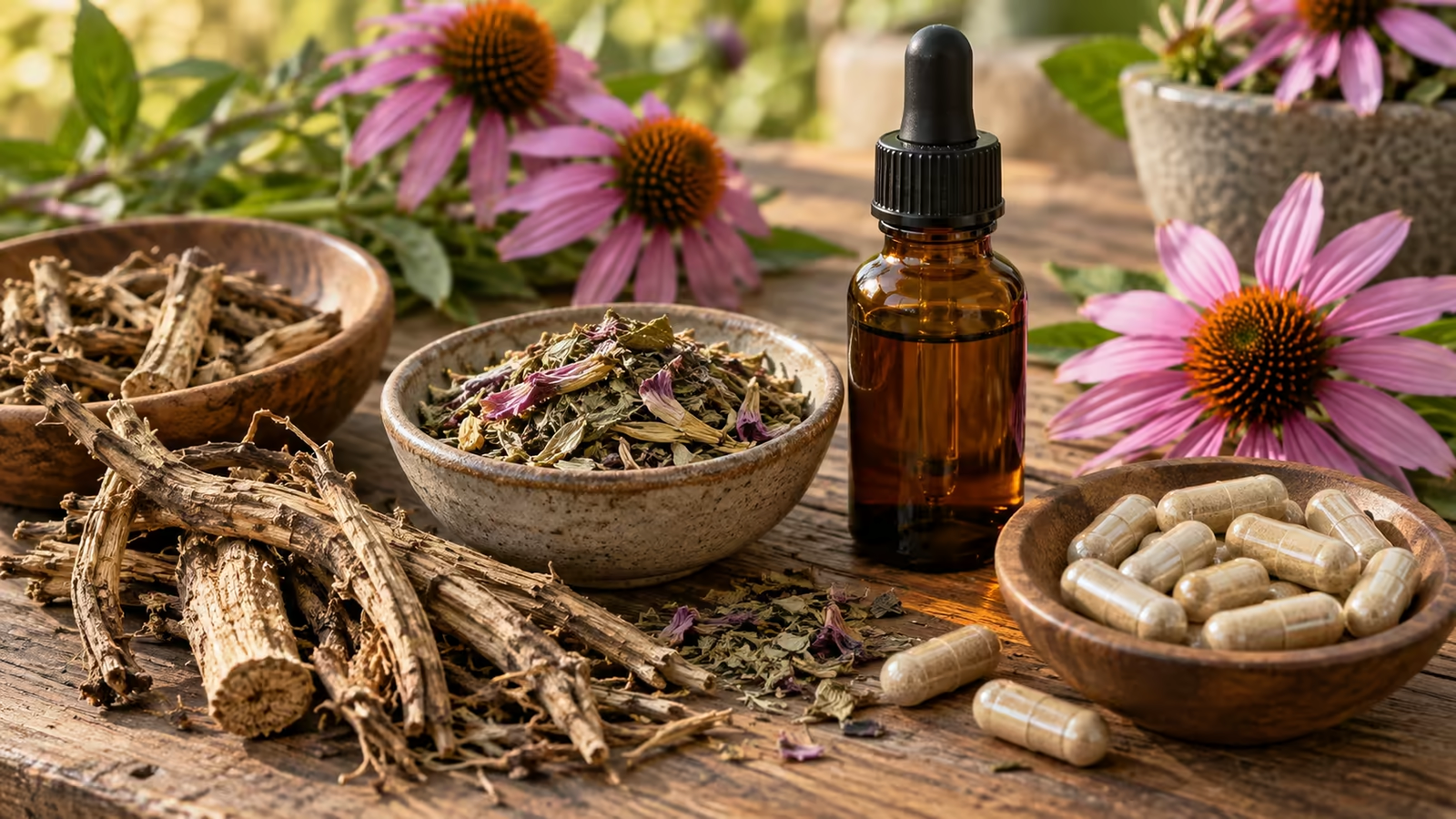
Systematic reviews have found that some echinacea products may modestly lower cold incidence, while evidence for reducing symptom duration or severity is uncertain. The overall picture is limited by small studies, different products, and inconsistent methods.
- A benefit, when found, is generally modest rather than dramatic.
- Starting echinacea after symptoms appear has not produced consistent results.
- Evidence for children is limited, and allergic reactions may be a particular concern.
- Claims about “boosting immunity” are too broad to describe a specific, proven clinical effect.
A cold usually improves on its own. Seek medical advice for trouble breathing, chest pain, dehydration, confusion, a fever or symptoms that are severe or persistent, or if you are at higher risk of complications. A warm drink may be soothing regardless of whether echinacea changes the illness.
Safety, allergies, and interactions
Short-term oral use appears reasonably well tolerated by many adults, but side effects can include stomach pain, nausea, rash, or other allergic symptoms. Echinacea belongs to the daisy family, so people allergic to ragweed, chrysanthemums, marigolds, or daisies may be more likely to react.
Herbs can interact with medicines or be inappropriate with certain conditions. Extra caution is warranted with immunosuppressant medicines, autoimmune disease, liver concerns, pregnancy, breastfeeding, or before surgery. Ask a pharmacist or clinician who can review the exact product and your medication list.
Stop using the product and seek urgent help for swelling of the lips or tongue, difficulty breathing, widespread hives, faintness, or another sign of a serious allergic reaction. “Natural” describes where an ingredient came from; it does not guarantee safety.
How to choose and use a product
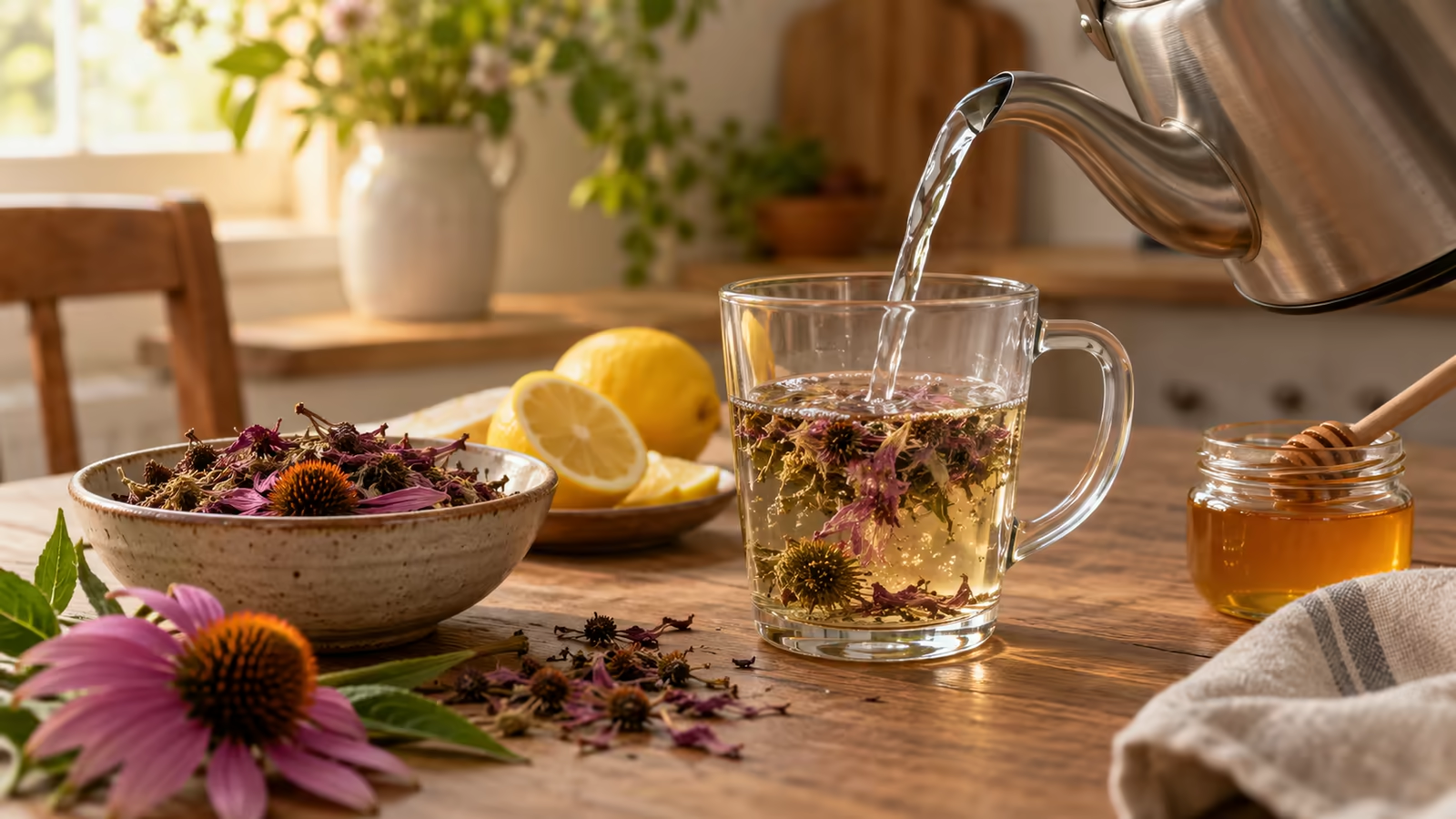
Choose a product that names the echinacea species, plant part, amount per serving, and other ingredients. Look for independent quality verification when available, follow the label rather than combining several echinacea products, and avoid assuming that a stronger taste means a stronger clinical effect.
- Check whether the product contains alcohol, added sugar, other herbs, or common allergens.
- Do not give herbal supplements to a child without guidance from a pediatric clinician.
- Keep supplements away from children and record them on your medication list.
- If symptoms worsen or do not improve as expected, get medical advice instead of increasing the dose.
Tea can be a comforting ritual, but the dose and extraction differ from capsules and tinctures. Lemon and honey may improve taste; honey should never be given to a child younger than 12 months. For another look at a popular food-health claim, Tastiva’s probiotics benefits guide uses the same evidence-first approach.
Product quality matters because “echinacea” can refer to different species, plant parts, and extraction methods. A tea made from root is not equivalent to a standardized tablet made from aerial parts, and the amount shown on the front label may not describe the active compounds. Check the Supplement Facts panel, serving size, other ingredients, and third-party testing when available.
Use extra care with echinacea if you have an allergy to ragweed-family plants, take medicines that affect the immune system, are pregnant or breastfeeding, or have a chronic medical condition. Short-term side effects can include digestive upset or rash. A clinician or pharmacist can help assess a specific product and medication list.
Sources
- National Center for Complementary and Integrative Health: Echinacea
- Cochrane: Echinacea for Preventing and Treating the Common Cold
- U.S. Food and Drug Administration: FDA 101—Dietary Supplements

Hi, I’m Laura, the voice behind Tastiva. I’ve always believed that eating well should feel enjoyable, comforting, and realistic—not like another complicated rule to follow. I love creating recipes that fit into everyday life, sharing simple nutrition ideas, and finding small ways to make meals feel a little better without losing the pleasure of good food.