
A good split pea soup recipe should taste cozy, savory, and full without needing cream. The secret is surprisingly ordinary: soften the vegetables well, give the peas enough liquid, and let a calm simmer do the thickening. This version is meatless, gently smoky, and built for the sort of afternoon when one pot on the stove feels like enough.
Split peas do the thickening themselves; the cook’s job is simply to give them time.
Why this split pea soup recipe works
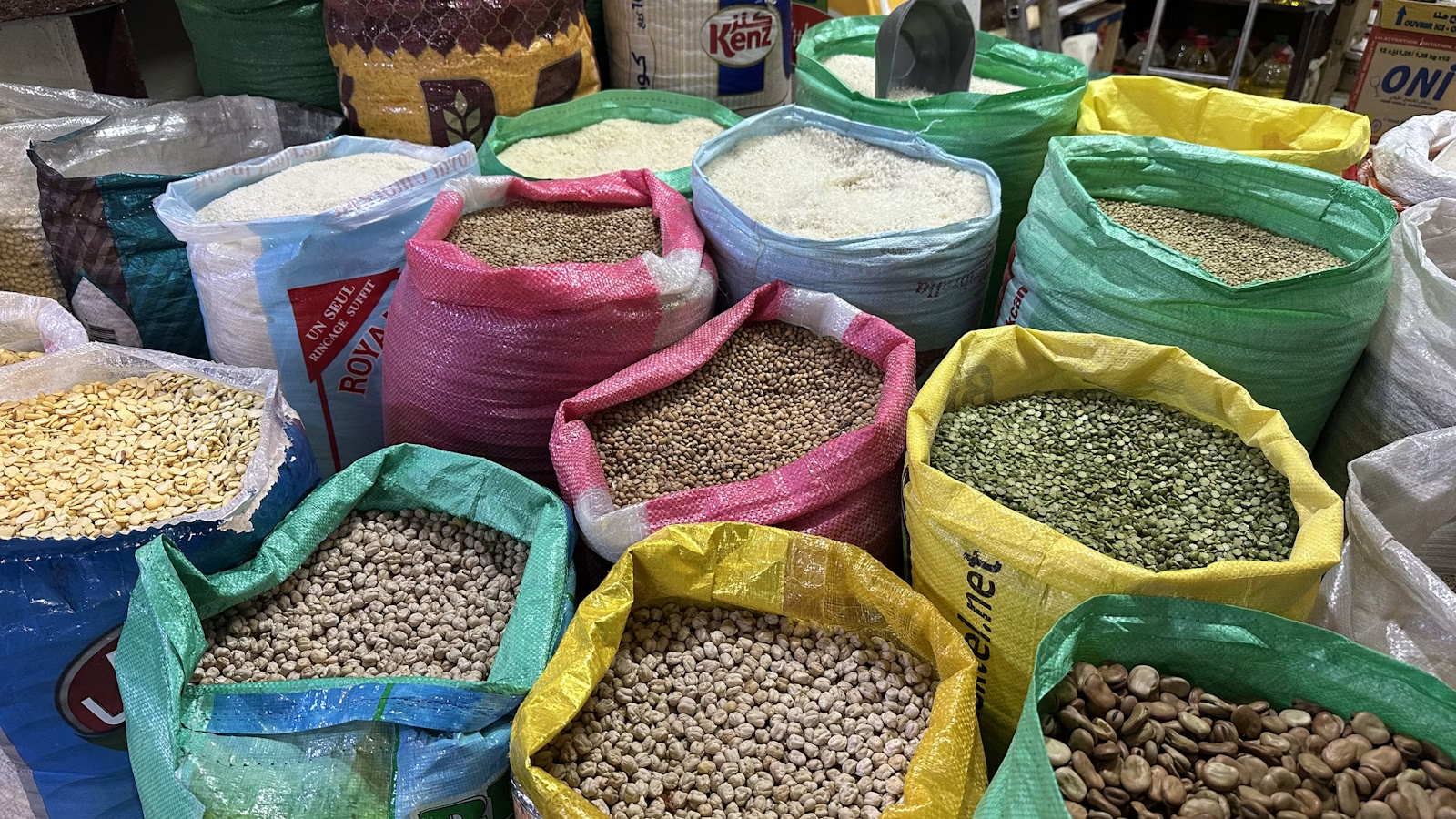
Split peas are dried field peas with their skins removed and the two halves separated. That small shape softens readily and releases starch as it cooks. Some peas keep a little texture while others melt into the broth, which is exactly how the soup becomes creamy without dairy or puréeing.
Onion, carrot, celery, and garlic make a sweet-savory base. Smoked paprika gives the gentle fireside note people often expect from ham, while thyme and a bay leaf keep the flavor rounded. Low-sodium broth is useful because the pot reduces; you can season confidently at the end instead of discovering that it has become salty.
The calm simmer matters more than the clock
Rinse and sort the split peas, but do not soak them. Once the vegetables are tender and the liquid is in, bring the pot just to a boil, then lower it to a steady simmer. Hard boiling makes the bottom more likely to catch before the peas are soft. Stir from the bottom every so often, especially during the final twenty minutes.
Cooking time is a range, not a promise. Fresher dried peas can soften in about 45 minutes; older ones may need an hour or a little longer. Add hot water by the half cup if the soup tightens before the peas are tender. Wait to add lemon until the end so its brightness stays lively.
How to get the texture you want
For a spoon-coating soup, stop when most peas have collapsed but a few remain visible. If you prefer it looser, stir in warm broth after cooking. For an especially smooth bowl, blend only one or two cups and return them to the pot. Blending the whole batch can make the texture heavier than it needs to be.
- Too thick: loosen it with warm broth or water, a splash at a time.
- Too thin: simmer uncovered for 5 to 10 minutes, stirring often.
- Flat tasting: add salt first, then a small squeeze of lemon.
- Want ham: add cooked diced ham near the end; the card’s nutrition estimate will no longer apply.
Serving, storing, and reheating
This soup is happy beside toast, a sharp green salad, or a baked potato. It also thickens considerably as it cools, so yesterday’s perfect soup may look like a soft paste today. That is normal. Reheat it gently with a little water or broth and stir until it relaxes again.
Cool leftovers promptly in shallow containers and refrigerate for up to four days. Freeze portions for up to three months, leaving room for expansion. Thaw in the refrigerator and reheat to 165°F (74°C). If you are planning a larger soup day, Tastiva’s soup season guide has more ideas for building a practical rotation.
If you are serving the soup later, keep the final texture a touch looser than you want. It will continue absorbing liquid while it rests, especially in a deep container. A small splash of lemon should also wait until reheating if you plan to freeze the batch; fresh acid tastes brighter than acid that has spent weeks in the freezer. For a complete meal, add a crunchy salad or roasted vegetables rather than crowding the pot with extra ingredients. The peas already bring substantial fiber and protein, so the simple bowl has more staying power than its modest ingredient list suggests—and it needs no garnish to feel fully complete.
Split pea soup recipe
The editable recipe card below holds the complete quantities and timing. Read the texture cues as closely as the minutes: your peas, pot, and simmer will always have a small say in the finish.
Silky Split Pea Soup

Ingredients
- 1 pound dried green split peas rinsed and sorted
- 1 tablespoon olive oil
- 1 yellow onion diced
- 2 carrots diced
- 2 celery stalks diced
- 3 garlic cloves minced
- 1 teaspoon smoked paprika
- 1 teaspoon dried thyme
- 1 bay leaf
- 7 cups low-sodium vegetable broth plus more as needed
- 1 teaspoon fine salt plus more to taste
- 1/2 teaspoon black pepper
- 1 tablespoon fresh lemon juice
Instructions
- Heat the olive oil in a large pot over medium heat. Add the onion, carrots, and celery and cook for 8 to 10 minutes, stirring occasionally, until soft.
- Add the garlic, smoked paprika, and thyme. Stir for 30 seconds, just until fragrant.
- Add the split peas, bay leaf, broth, salt, and pepper. Bring to a boil, then reduce to a steady gentle simmer.
- Cook partially covered for 50 to 65 minutes, stirring from the bottom every 10 minutes, until the peas are very tender. Add hot broth or water if the soup becomes too thick before the peas soften.
- Remove the bay leaf. For a smoother texture, blend 1 to 2 cups of soup and stir it back into the pot. Stir in the lemon juice and adjust salt and pepper before serving.
Nutrition
Video
Notes
- The soup thickens as it cools; loosen leftovers with water or broth during reheating.
- For a ham version, stir in cooked diced ham near the end. The nutrition estimate will change.
- Cool promptly and refrigerate up to 4 days or freeze up to 3 months. Reheat leftovers to 165°F (74°C).
- Nutrition is an estimate calculated from USDA FoodData Central values for the listed ingredients.
Tried this recipe?
Let us know how it turned out!Sources
Hi, I’m Laura, the voice behind Tastiva. I’ve always believed that eating well should feel enjoyable, comforting, and realistic—not like another complicated rule to follow. I love creating recipes that fit into everyday life, sharing simple nutrition ideas, and finding small ways to make meals feel a little better without losing the pleasure of good food.