
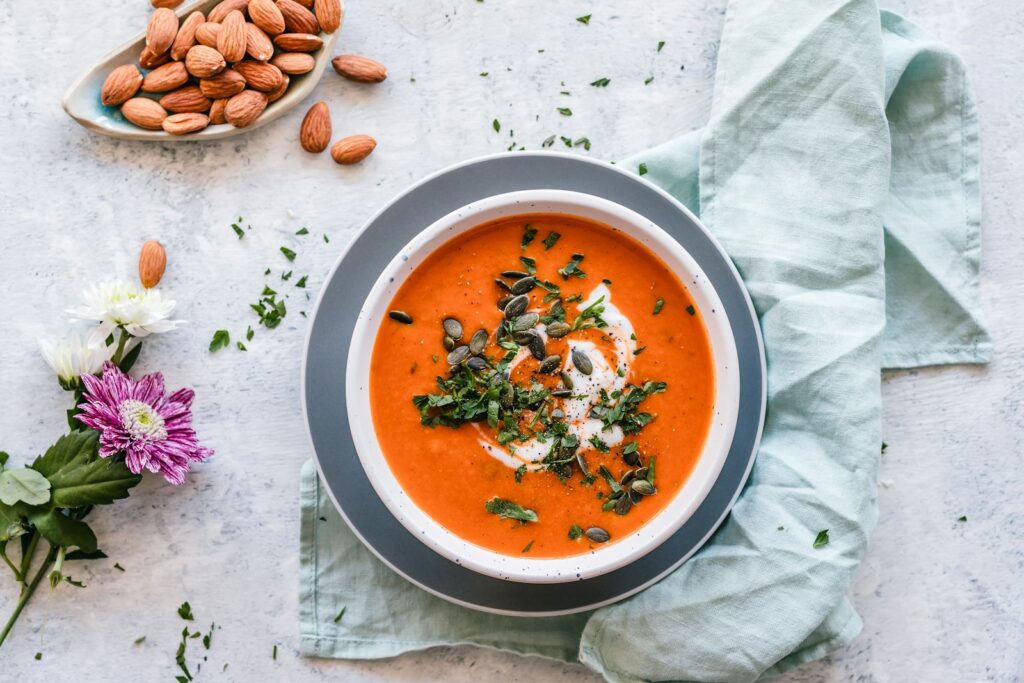
When cooler evenings arrive, soup starts to sound like the answer to several dinner questions at once. Soup season doesn't need a freezer full of identical containers or a long list of elaborate recipes. A few flexible ingredients, two or three different flavor directions, and a realistic storage plan can turn it into a genuinely useful part of your week.
Plan the second serving while you plan the first, and a pot of soup becomes much more useful.
Give soup season a manageable starting point
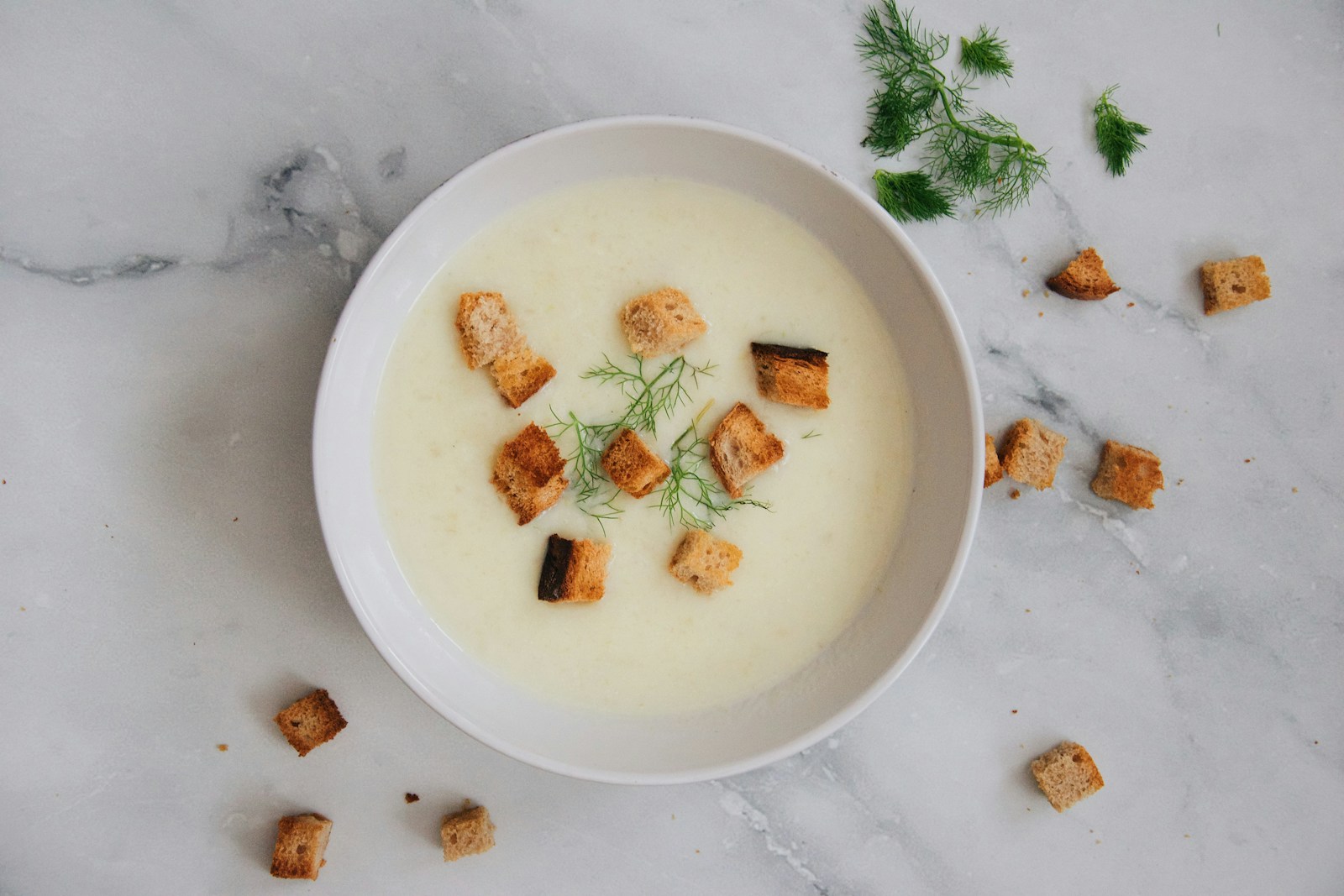
Choose one soup you already know how to make and one variation you'd like to try. That's enough for a beginning. A familiar recipe gives you a reliable dinner, while a second flavor keeps the week from feeling like one endlessly reheated pot.
Start with how many people you're feeding, which evenings need quick meals, and how much refrigerator or freezer space is available. I would rather plan a modest pot that gets eaten than an enormous batch that becomes difficult to cool, store, and finish. Convenience includes the cleanup and leftovers, not just the cooking.
For a practical pantry, consider broth or bouillon, canned tomatoes, beans or lentils, a grain or pasta, and a few seasonings you enjoy. Add fresh or frozen vegetables and a suitable protein as the recipe requires. Tastiva's chicken bouillon guide can help you understand that broth shortcut, including why the label and dilution instructions matter.
Build variety from a few shared ingredients
These combinations are planning ideas, not tested recipes or complete cooking instructions. Use a reliable recipe for quantities, cooking times, and any raw meat or poultry. The point is to see how ingredients can overlap without every bowl tasting the same.
| Dinner direction | Main ingredients to look for | A finishing idea |
|---|---|---|
| Tomato and white bean | Tomatoes, white beans, onion, broth | Basil or a little grated cheese |
| Chicken and rice | Chicken, carrots, celery, rice, broth | Lemon and parsley |
| Lentil and vegetable | Lentils, tomatoes, carrots, leafy greens | Cumin or a splash of lemon |
| Smooth squash | Squash, onion, suitable broth | Yogurt or toasted seeds, if appropriate |
| Mushroom and barley | Mushrooms, barley, aromatics, broth | Thyme and black pepper |
| Potato and leek | Potatoes, leeks, broth, optional dairy | Chives or a simple side salad |
| Brothy greens and beans | Beans, greens, garlic, broth | Olive oil and a squeeze of lemon |
Notice the overlap: carrots can serve more than one pot, beans can be divided between meals, and a bunch of parsley can finish several different bowls. Choose combinations that match the ingredients you can buy in useful amounts. You don't need all seven in one week; they're options for a rotation.
My preference is to vary texture as well as flavor. A smooth squash soup and a brothy bean soup feel more distinct than two nearly identical pureed vegetable soups. A different finish can help, but it shouldn't have to disguise a meal you're already tired of eating.
Make the bowl fit the meal you actually need
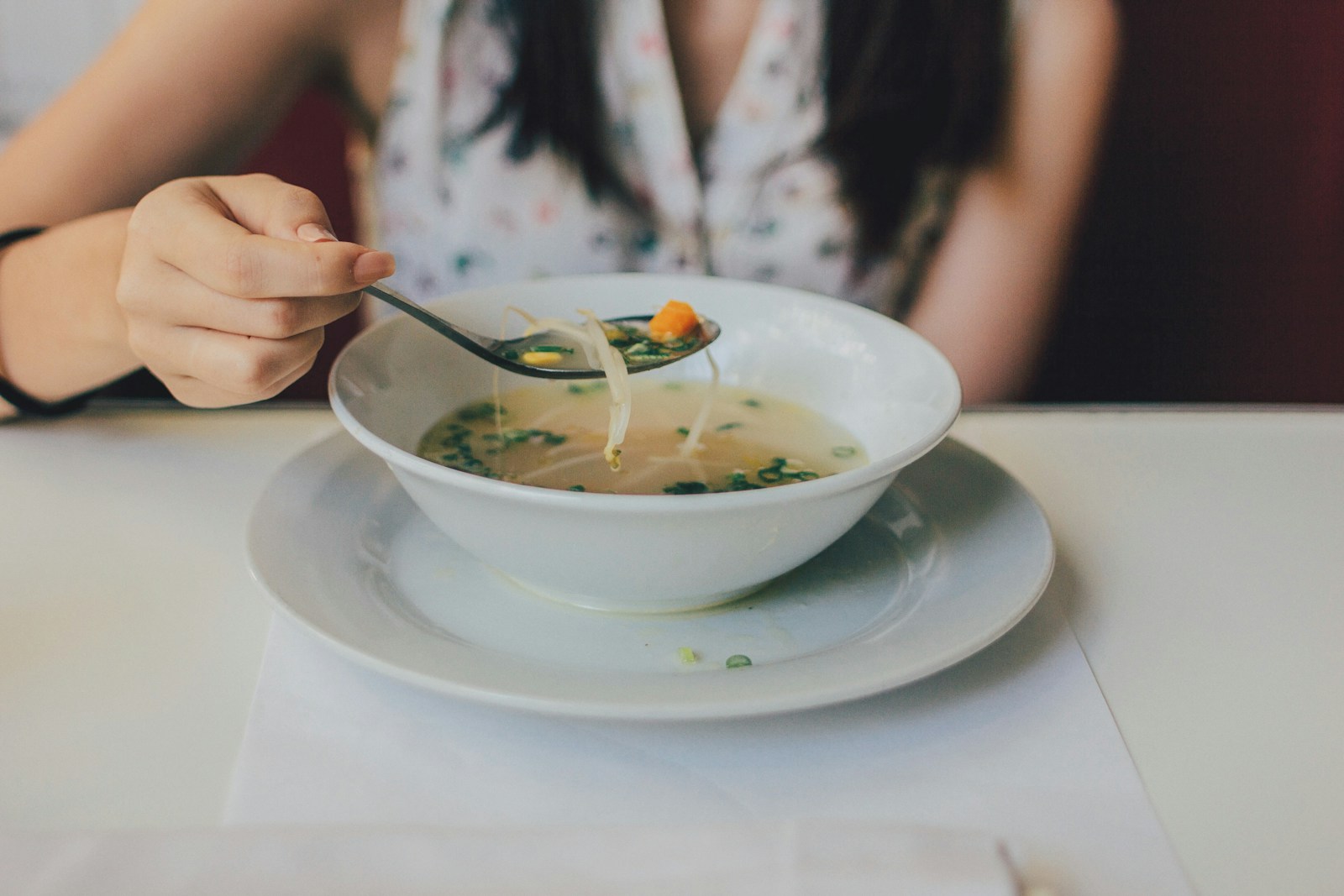
Some soups are substantial dinners; others work better as a first course or alongside something else. Look at what's in the bowl. A light broth with vegetables may call for beans, chicken, tofu, bread, or another accompaniment, depending on the recipe and your appetite.
Noodles and grains can also change the experience as soup sits. If a recipe allows, cooking and storing them separately can help you control their texture when serving leftovers. Follow the recipe rather than assuming the same approach suits every soup, especially those that rely on a starch to thicken the broth.
- Add a sandwich or toast when the soup is light and you want a more substantial meal.
- Keep a crisp element separate until serving so it stays crisp.
- Taste before adding salt when broth, bouillon, cheese, or cured ingredients are already present.
- Add delicate herbs near serving when the recipe calls for a fresh finish.
- Label containers with the soup name, cooking date, and any useful reheating notes.
For a busy week, decide which portions are for the next few days and which should be frozen promptly. That small decision prevents the familiar problem of finding a large container on Friday and trying to remember whether “earlier this week” meant Monday or Wednesday.
Cool and store soup safely
Don't leave a large pot on the counter for hours. Divide cooked soup into smaller, shallow containers and refrigerate promptly. FoodSafety.gov's four food-safety steps advise refrigerating perishable food within two hours, or one hour when conditions are above 90°F (32°C). Keep the refrigerator at 40°F (4°C) or below.
The cold-storage chart gives soups and stews three to four days in the refrigerator and two to three months in the freezer for best quality. Reheat leftovers to 165°F (74°C), checking that they heat throughout. Freeze portions before their refrigerated storage window runs out; freezing doesn't repair unsafe handling.
Leave appropriate expansion space in freezer-safe containers and follow their instructions. A flat, labeled portion is often easier to fit into a weeknight plan than a single huge frozen block. Start with one dependable soup, give its leftovers a clear destination, and let the season build from there—one useful, warming dinner at a time.
Sources
- FoodSafety.gov: Four steps to food safety
- FoodSafety.gov: Refrigerator and freezer storage chart
- FoodSafety.gov: Safe minimum temperatures, including leftovers

Hi, I’m Laura, the voice behind Tastiva. I’ve always believed that eating well should feel enjoyable, comforting, and realistic—not like another complicated rule to follow. I love creating recipes that fit into everyday life, sharing simple nutrition ideas, and finding small ways to make meals feel a little better without losing the pleasure of good food.