
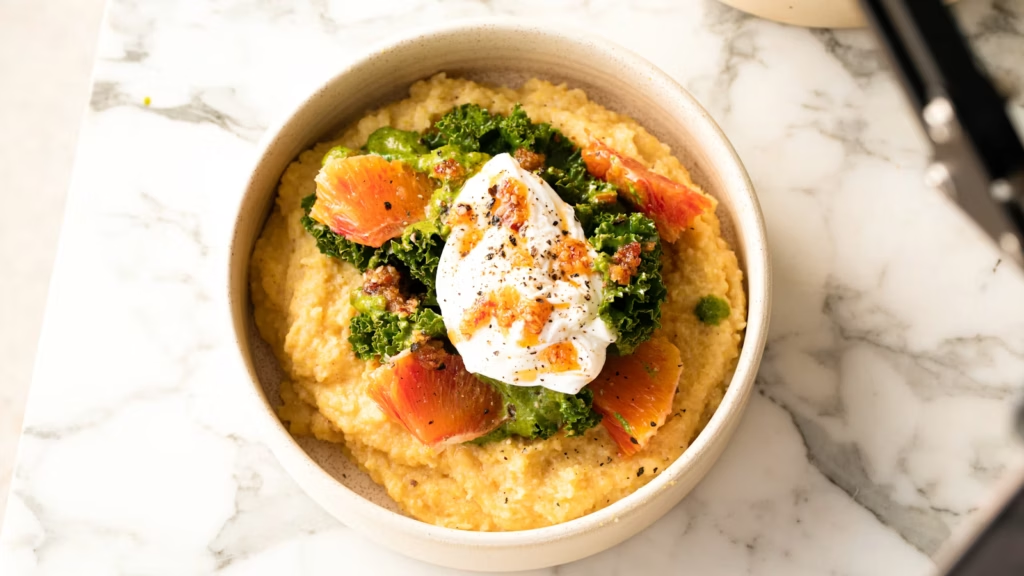
Polenta is one of those foods that rewards a quiet pot and a little patience. At its simplest, it is coarsely ground corn cooked with water and salt until the grains swell into a creamy porridge. It can be soft enough to cradle mushrooms tonight, then firm enough to slice and crisp tomorrow.
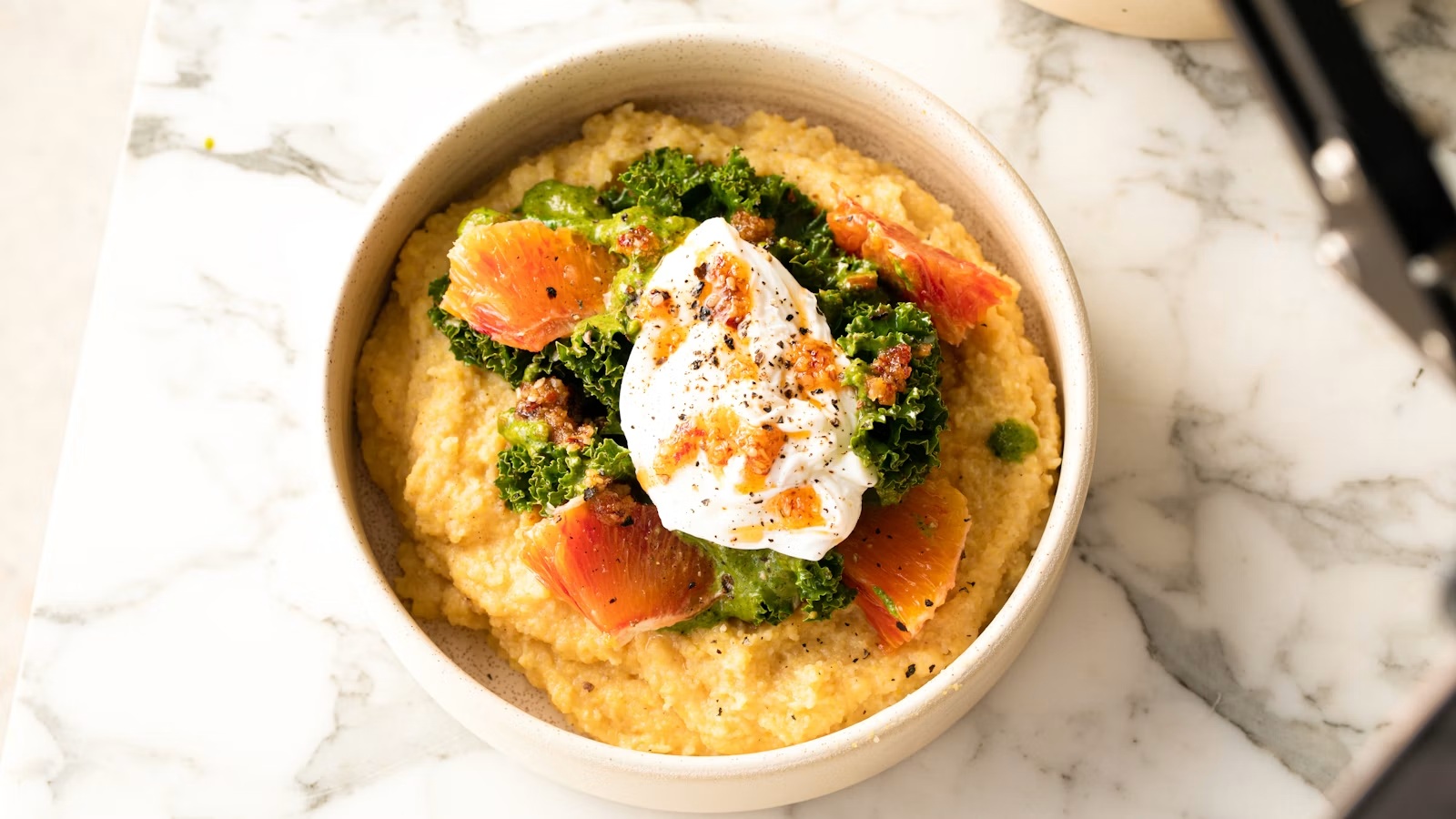
Creamy polenta is less about constant stirring than steady heat, enough liquid, and tasting before you stop.
What polenta is—and what it is not
The word can mean both the cornmeal product and the finished dish. In the store, look for a coarse or medium grind labeled polenta. Fine cornmeal cooks faster and feels smoother, while very coarse meal takes longer and keeps more texture. Traditional polenta is made from corn, but cross-contact is possible, so anyone avoiding gluten should check for a certified gluten-free label.
Polenta and grits are close cousins, not perfect synonyms. Both are corn porridges, yet the corn varieties, milling traditions, and expected textures differ. Corn flour is finer still; Tastiva’s corn flour guide explains why it does not behave the same way. Semolina flour, meanwhile, comes from wheat and is not a swap here.
The basic ratio for creamy polenta
A dependable starting point is four parts water to one part dry polenta by volume. That ratio makes a soft, spoonable bowl, though very coarse meal may welcome another splash. Bring the salted water to a simmer, rain in the polenta while whisking, and keep whisking for the first minute so lumps do not get a head start.
Then lower the heat. Stir every few minutes, scraping the corners and bottom with a sturdy spoon. If it becomes stiff before the grains taste tender, add hot water by the quarter cup. The polenta is finished when it tastes creamy rather than gritty and pulls softly from the side of the pan.
How to season without losing the corn
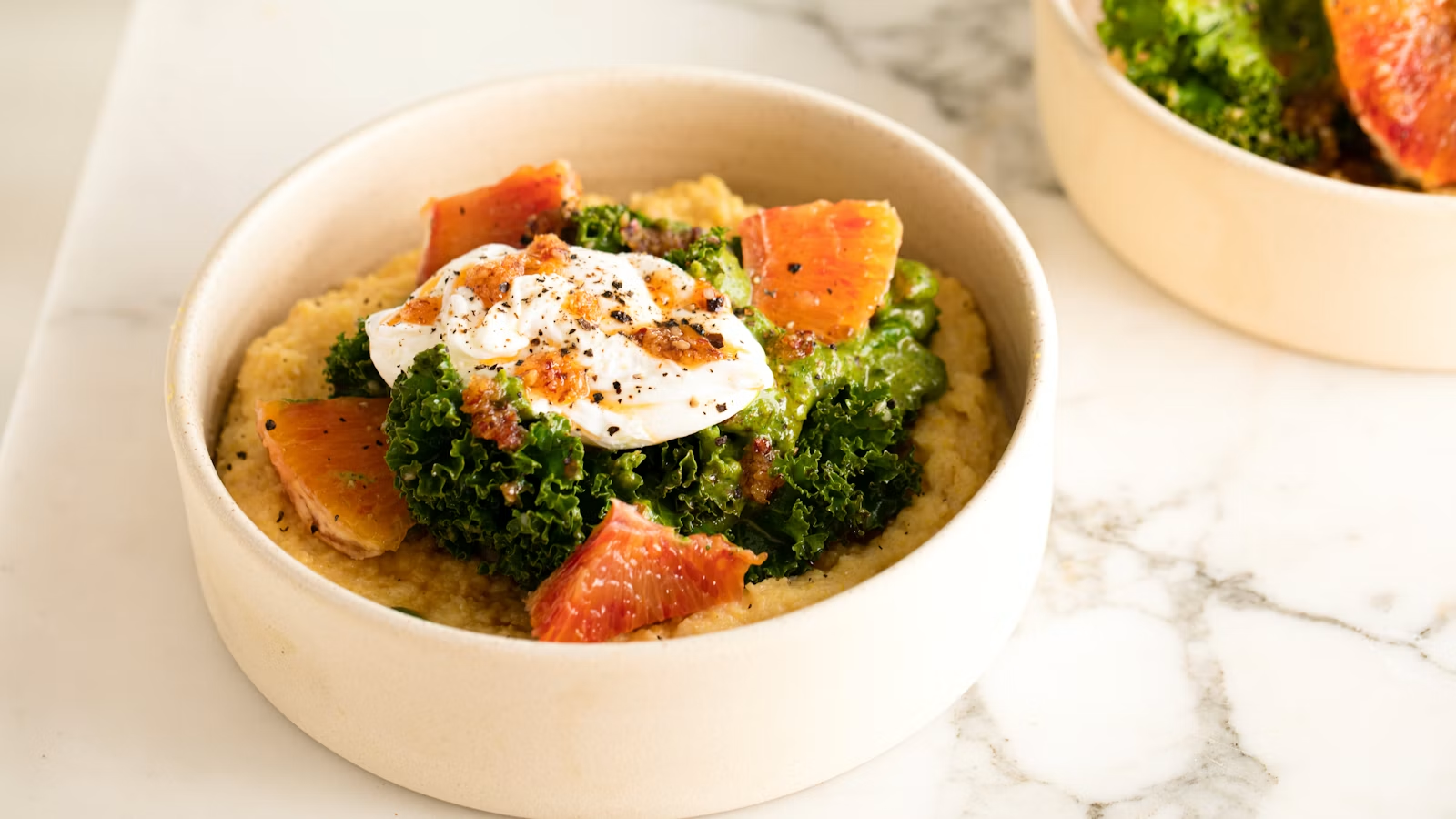
Butter and Parmesan make the pot round and savory, but neither should bury the sweet, toasted flavor of corn. Add them after cooking, then taste for salt. Olive oil is a lovely dairy-free finish. Black pepper, a spoonful of mascarpone, or a handful of herbs can take the bowl in another direction without changing the basic method.
- For mushrooms or braised greens, keep the seasoning simple and savory.
- For roasted squash, add sage and black pepper.
- For breakfast, use less salt and finish with fruit, nuts, and a drizzle of honey.
- For a dairy-free bowl, use olive oil and nutritional yeast if you enjoy it.
What to do with leftover polenta
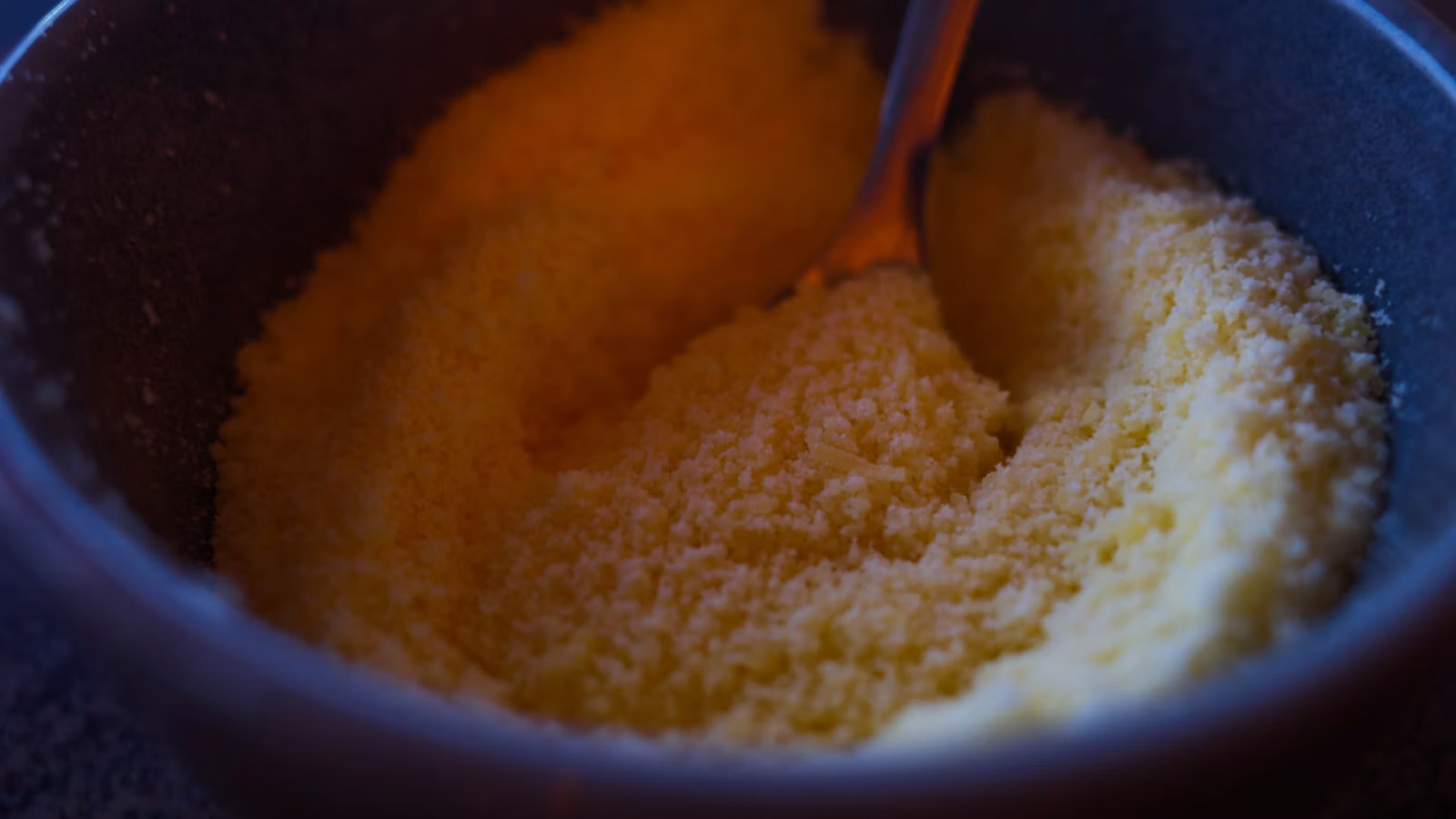
Spread warm leftovers in a lightly oiled shallow container and smooth the top. Once chilled, the polenta sets firmly enough to cut into squares or wedges. Pan-sear, bake, or grill those pieces until the edges are crisp. It feels like a second dish rather than a reheated compromise.
Refrigerate promptly in a covered container for up to four days. Soft polenta thickens in the refrigerator; loosen it over low heat with water or broth, whisking until creamy again. Reheat leftovers to 165°F (74°C). Freeze only if you plan to crisp the pieces later, because thawed soft polenta can be watery.
If you are cooking for guests, keep a kettle of hot water nearby and finish the polenta just before serving. It can hold for a short time over very low heat, but it will keep drinking liquid. Stir in a splash whenever the spoon leaves a stiff trail. Serve it on warm plates or shallow bowls so the texture stays relaxed at the table. Leftover firm slices also welcome the same toppings you used on the soft polenta, making mushrooms, greens, tomato sauce, or a fried egg feel like a planned second meal instead of repetition. Brush the pieces lightly with oil before baking or grilling, and leave space around them so their edges crisp rather than soften and steam.
Creamy polenta recipe
The editable recipe card below gives the full measurements for a simple Parmesan polenta. The timing is deliberately flexible: taste the grains and add hot water when needed rather than asking the clock to make the final decision.
Creamy Parmesan Polenta

Ingredients
- 4 cups water plus more as needed
- 1 teaspoon fine salt
- 1 cup coarse polenta or coarse cornmeal labeled for polenta
- 1 tablespoon unsalted butter or olive oil
- 1/4 cup finely grated Parmesan cheese
- 1/4 teaspoon black pepper
Instructions
- Bring the water and salt to a simmer in a heavy-bottomed saucepan. Slowly rain in the polenta while whisking continuously.
- Whisk for 1 minute, then lower the heat so the mixture bubbles gently. Cook for 30 to 35 minutes, stirring and scraping the bottom every few minutes.
- If the polenta becomes stiff before the grains taste tender, stir in hot water 1/4 cup at a time. Continue cooking until creamy and no longer gritty.
- Remove from the heat. Stir in the butter, Parmesan, and black pepper. Taste and adjust the salt, then serve immediately.
Nutrition
Video
Notes
- Very coarse polenta may need more time and water; taste the grains rather than relying only on the clock.
- For dairy-free polenta, use olive oil and omit the Parmesan or use a preferred dairy-free finishing ingredient.
- Refrigerate promptly for up to 4 days. Reheat to 165°F (74°C) with enough water or broth to restore a creamy texture.
- Nutrition is an estimate calculated from USDA FoodData Central values for the listed ingredients.
Tried this recipe?
Let us know how it turned out!Sources
Hi, I’m Laura, the voice behind Tastiva. I’ve always believed that eating well should feel enjoyable, comforting, and realistic—not like another complicated rule to follow. I love creating recipes that fit into everyday life, sharing simple nutrition ideas, and finding small ways to make meals feel a little better without losing the pleasure of good food.