

A cocktail calls for dry vermouth, and the pale bottle on the shelf says blanc. They look close enough to tempt a quick substitution, but that word matters. Vermouth is a fortified, aromatized wine: wine with added distilled alcohol and botanical flavorings. Dry, blanc, and sweet red styles bring different balances to a drink.
Choose vermouth by style, not color alone. A pale blanc can be sweeter than a pale dry vermouth.
I’d make that distinction before worrying about a brand. The right style gives a recipe a fair starting point; a different one can turn the same measurements into a noticeably different drink.
Vermouth starts with wine
The wine base is the detail that explains both vermouth’s character and its storage needs. Botanical ingredients can include herbs, roots, spices, and citrus peel. Producers use their own blends, so two bottles in the same style need not taste identical.
- Fortified: Distilled alcohol has been added to the wine. That does not turn the finished drink into an indefinitely fresh bottle of spirits.
- Aromatized: Botanicals contribute flavor and aroma. Vermouth can have herbal, bitter, spicy, or citrus-like qualities alongside sweetness.
- Style-specific: The amount of sweetness, the wine, and the botanical recipe all influence the result.
- Still alcoholic: Serving it with soda or using it in a recipe does not make it alcohol-free. Check the bottle’s alcohol percentage.
Dolin offers a useful producer example: its dry, white, and red vermouths all use white wine, but they are distinct products. A darker pour therefore does not automatically tell you that the base was red wine, just as a pale pour does not guarantee dryness.
Dry, blanc, and sweet red do different jobs
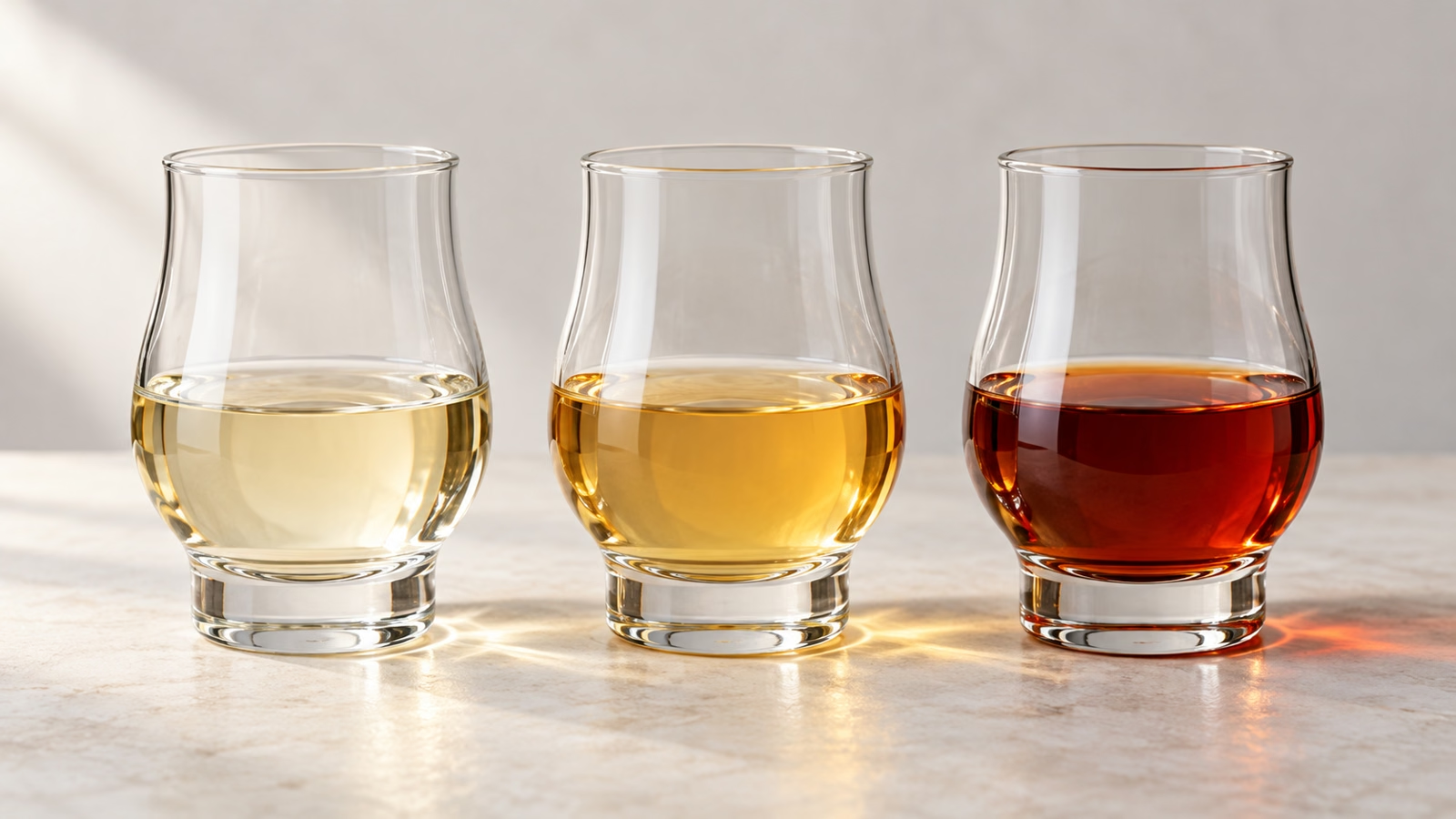
These three names are a practical starting map, rather than an exhaustive list of every vermouth. Read the full label, because terms and house styles vary. For a recipe, its specified style is more useful than a bottle that merely looks similar.
- Dry vermouth: Usually the less-sweet direction and a familiar ingredient in a Martini. Dry does not mean absolutely sugar-free; Dolin describes its dry version as slightly sweet.
- Blanc or bianco: A pale style that is commonly sweeter than dry vermouth. Dolin explicitly distinguishes its white vermouth from its drier bottling.
- Sweet red, rosso, or rouge: Often the style intended in drinks such as a Manhattan or Negroni. Dolin lists both among the uses for its red vermouth.
- Other labels: Amber, rosé, extra-dry, and other descriptions broaden the category. Use the producer’s explanation when a bottle falls outside the familiar three.
I’d be especially careful with the phrase “white vermouth.” It can be used loosely in conversation, while a producer’s Blanc may be a specific sweeter product. If you are buying for one drink, take the exact recipe wording with you rather than translate it into a color.
Use the recipe as a starting point
Vermouth is more than a background splash. It can alter sweetness, bitterness, aroma, and the feel of a drink. Swapping dry for sweet may be an interesting variation, but it is a variation, and keeping every other measure unchanged will not preserve the original balance.
- For a cocktail: Match the requested style first. Then follow the recipe’s measurements so you can judge one clear version before changing it.
- For a simple aperitif: A modest chilled serving over ice lets you notice the vermouth itself. Dolin lists this serving option for its styles.
- With soda: The added water and bubbles change the intensity. Begin with a recipe or a small serving rather than treating dilution as a reason for an oversized pour.
- For cooking: Follow a recipe that calls for vermouth. Its botanicals can change a sauce, so it is not an invisible replacement for ordinary white wine.
For comparison, Tastiva’s scampi guide calls for dry white wine and also gives a broth-based option. That is a useful reminder to read the ingredient instruction precisely. If you need an alcohol-free meal, choose an appropriate alternative rather than assume cooking removes all the alcohol.
An opened bottle belongs in the refrigerator
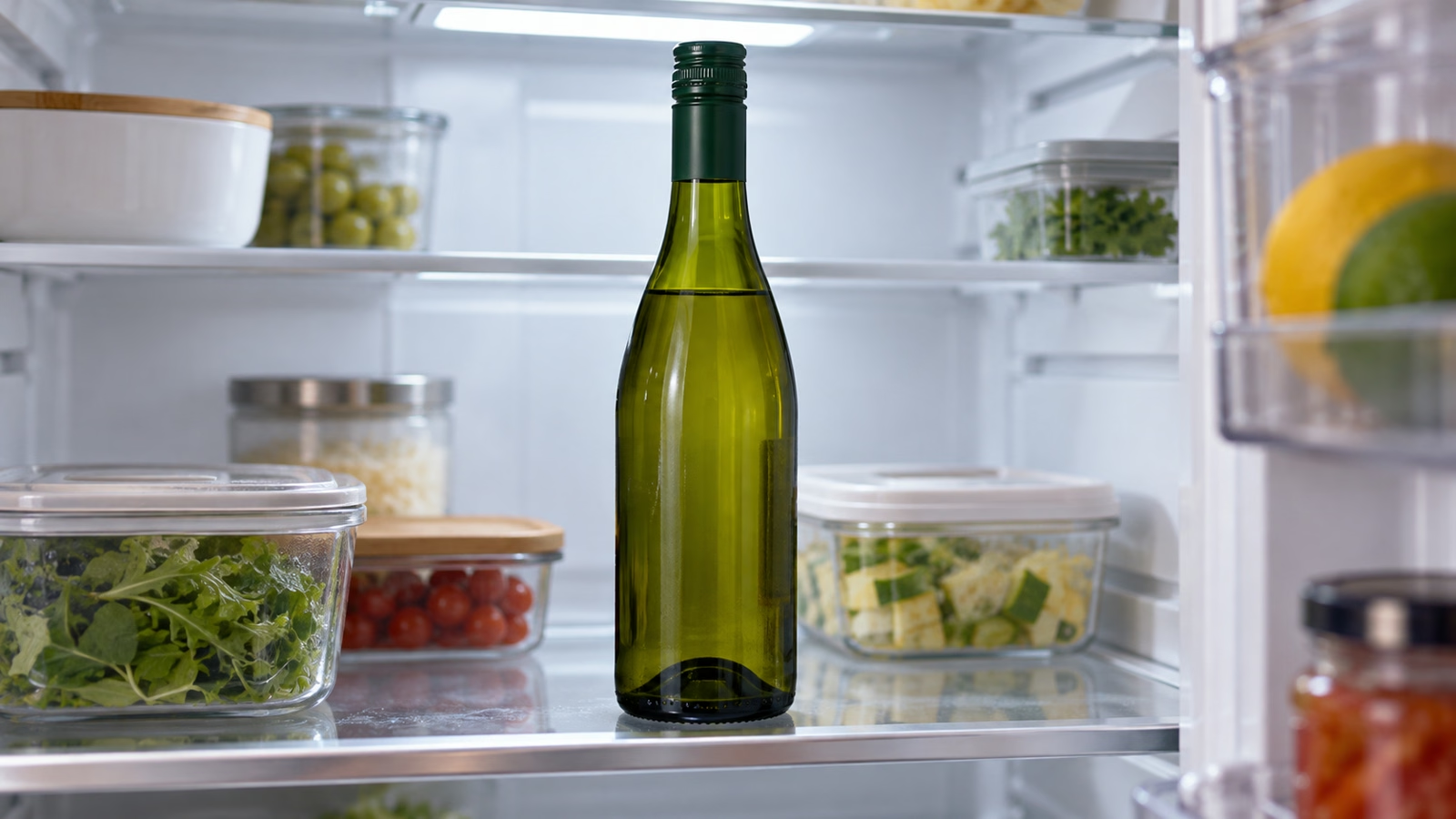
Reclose vermouth and refrigerate it after opening. The added alcohol does not stop the wine from oxidizing and losing its best flavor. Haus Alpenz, Dolin’s U.S. importer, recommends using its aromatized wines within roughly 1–3 weeks after opening for their best condition, while directing readers to product-specific guidance.
- Write the opening date somewhere you can see it.
- Choose a smaller bottle if you use vermouth only occasionally. A lower price per ounce is not helpful if much of it loses its character before you use it.
- Keep the bottle closed between pours instead of leaving it open through an evening.
- Check the maker’s own storage advice. A general quality window is not a universal expiration date for every vermouth.
- Don’t try to conceal stale or unpleasant flavors inside a stronger cocktail. Start with ingredients in good condition.
My preference for a home shelf is one bottle with a clear purpose rather than several styles opened just in case. If you mainly make one drink, buy the style it needs and plan around that bottle. The refrigerator habit matters just as much as choosing the label.
Anders Erickson’s video below demonstrates five uses for sweet vermouth. It is a set of sweet-vermouth examples, not a claim that dry and blanc bottles can be substituted unchanged.
Sources
- WSET: What Is Vermouth?.
- Dolin: Vermouth Range.
- Dolin: Dry Vermouth.
- Dolin: White Vermouth.
- Dolin: Red Vermouth.
- Haus Alpenz: Storage and Handling Guidance.

Hi, I’m Laura, the voice behind Tastiva. I’ve always believed that eating well should feel enjoyable, comforting, and realistic—not like another complicated rule to follow. I love creating recipes that fit into everyday life, sharing simple nutrition ideas, and finding small ways to make meals feel a little better without losing the pleasure of good food.