
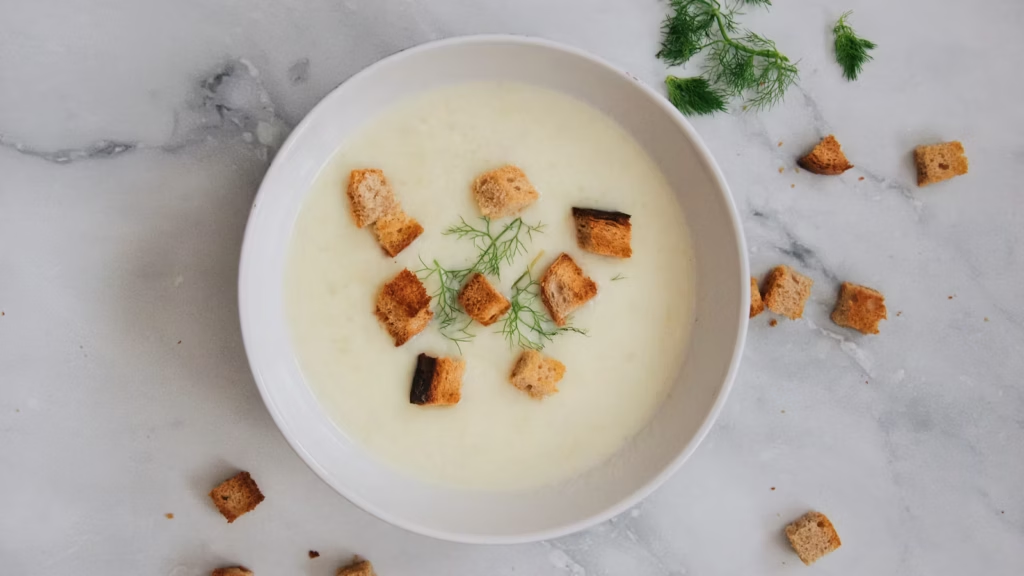
A steaming potato soup announces itself with warmth. Vichyssoise has to work a little harder: once chilled, its flavor quiets, its texture tightens, and every rough bit becomes easier to notice. The goal is a pale, silky potato-leek soup with enough seasoning and cream to taste complete straight from the refrigerator.
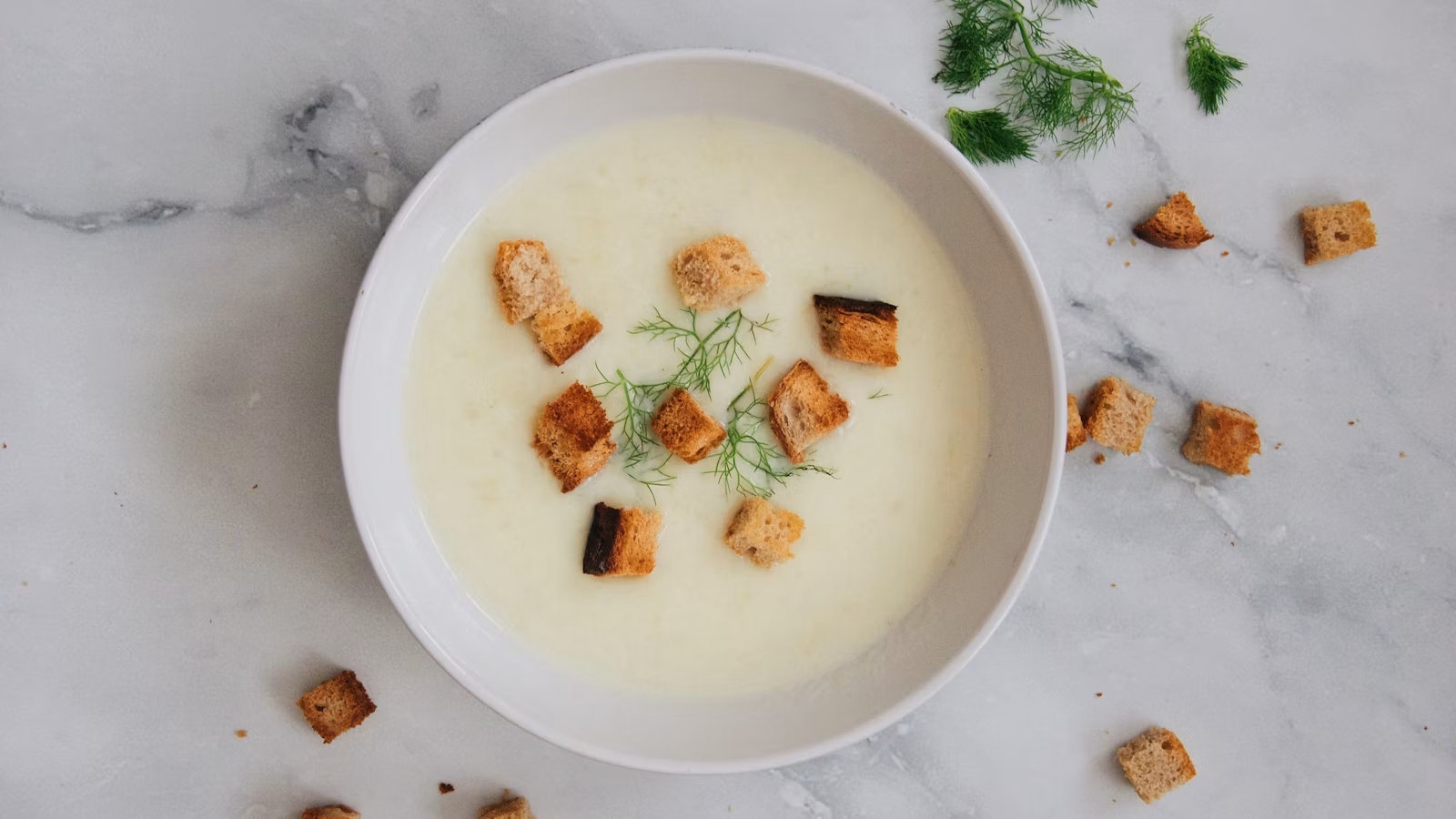
For smooth vichyssoise, cook the leeks gently, blend while warm, and season again after the soup is cold.
What is vichyssoise?
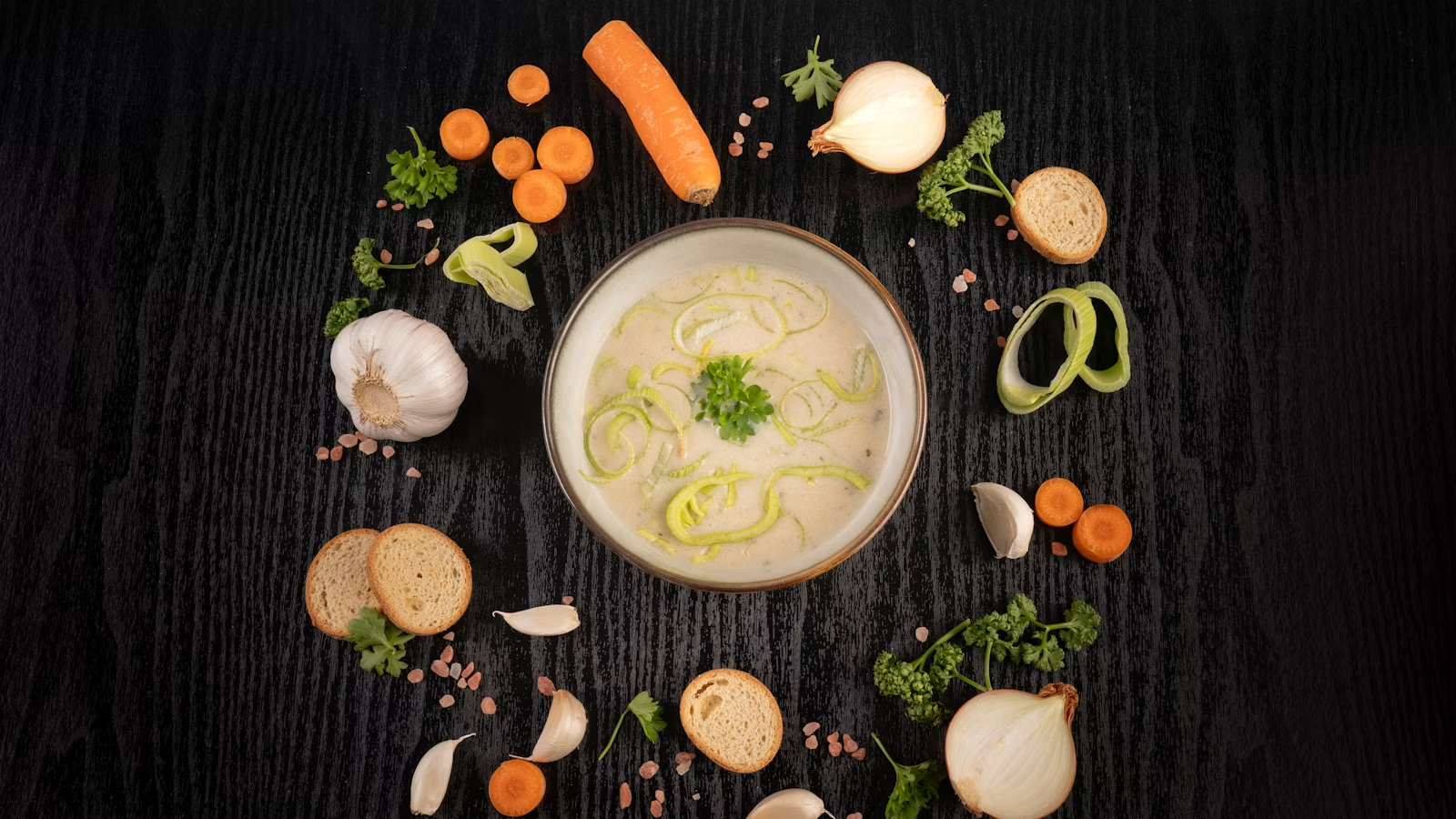
Vichyssoise is a chilled soup built from leeks, potatoes, liquid, and cream. It is closely related to potage Parmentier, the familiar hot leek-and-potato soup. Historical accounts generally credit French chef Louis Diat with popularizing the chilled version at New York’s Ritz-Carlton, which makes the simple label “French soup” only part of its story.
The soup should be smooth rather than gluey, with a mild onion sweetness from leeks and enough potato to give body. Cream rounds the edges, but it should not erase the vegetables. Chives are the classic garnish because their fresh bite wakes up a very quiet-looking bowl.
Serve it thoroughly chilled in warm weather, or offer it just cool when you want the aroma to read more clearly. I like that the same pot can move between seasons without pretending cold soup and hot soup are exactly the same experience.
Ingredients that build a silky texture
Use the white and pale green parts of leeks, split and washed carefully because grit hides between the layers. Yukon Gold potatoes give a creamy texture and a little buttery color; russets make a lighter, fluffier soup but can become pasty if overblended. A mild low-sodium stock leaves room to season at the end.
Sweat the leeks in butter without browning. Brown edges add a roasted note and darken the soup, while gentle heat preserves its delicate character. Once the potatoes are tender, blend only until smooth. High-speed blending for several minutes can overwork potato starch and create the texture of wallpaper paste—memorable, but not in the way we want.
- Leeks: mild allium sweetness and aroma.
- Potatoes: starch and body.
- Stock: savory depth; use low-sodium for control.
- Half-and-half: richness without making the soup excessively heavy.
How to make vichyssoise without common mistakes

After sweating the leeks, simmer the potatoes gently until a knife slips through without resistance. Blend in batches if your blender is small, venting carefully because hot liquid expands. An immersion blender is convenient, although a countertop blender usually gives the finest result. Straining is optional, but useful when the leeks are fibrous.
Chill the soup promptly in shallow containers rather than placing one deep, hot pot in the refrigerator. Stir in the dairy before chilling, then taste again once cold. Cold food mutes salt and aroma, so a soup that seemed perfectly seasoned warm may need a small final pinch.
- Do not brown the leeks.
- Do not blend longer than necessary.
- Do not thin the warm soup too aggressively; it loosens less than expected only after chilling.
- Do not leave the finished soup cooling on the counter for an extended period.
Serving, storage, and make-ahead tips
Vichyssoise benefits from several hours of chilling, which makes it a practical make-ahead first course. If it thickens more than you like, whisk in cold stock or milk a tablespoon at a time. Garnish at the last minute with chives, a small swirl of cream, or a few drops of olive oil.
Keep the soup refrigerated in covered containers and use clean utensils for serving. Dairy and cooked vegetables are perishable, so follow current leftover guidance and discard soup that has remained warm too long. Freezing is possible, but potatoes and dairy can separate; reblend gently after thawing and expect a less pristine texture.
For a fuller meal, pair a modest bowl with a crisp salad and sturdy bread. If you are planning a gentler menu, Tastiva’s soft foods guide offers more texture-aware ideas. The soup is gentle, so I would keep the side dishes bright rather than adding another creamy element.
Classic vichyssoise recipe
The complete quantities and ordered method are in the editable card below. Nutrition is estimated from standard USDA ingredient data using low-sodium stock and a six-serving yield.
Vichyssoise: A Silky Potato-Leek Soup Served Cold

Ingredients
- 2 tablespoons unsalted butter
- 3 medium leeks white and pale green parts, halved, washed, and sliced
- 1 1/2 pounds Yukon Gold potatoes peeled and cut into 1-inch pieces
- 4 cups low-sodium vegetable or chicken stock plus more to thin
- 1 teaspoon fine salt plus more to taste
- 1/4 teaspoon white or black pepper
- 1 cup half-and-half chilled
- 2 tablespoons chopped chives for serving
Instructions
- Melt the butter in a large saucepan over medium-low heat. Add the leeks and a pinch of salt. Cook, stirring often, until very soft but not browned, 10 to 12 minutes.
- Add the potatoes, stock, remaining salt, and pepper. Bring to a gentle simmer and cook until the potatoes are completely tender, 18 to 22 minutes.
- Blend the soup only until smooth, working carefully in batches if using a countertop blender. For an extra-fine texture, pass it through a fine-mesh sieve.
- Stir in the half-and-half. Divide into shallow containers, cover once no longer steaming, and refrigerate until thoroughly chilled, at least 4 hours.
- Taste the cold soup and adjust salt and consistency with a little cold stock. Serve with chopped chives.
Nutrition
Video
Notes
- Total time includes four hours of chilling.
- Do not overblend potatoes; too much agitation can make the soup gluey.
- Nutrition is an estimate from standard USDA ingredient data and varies with stock and dairy brands.
Tried this recipe?
Let us know how it turned out!Sources
These references support the preparation, ingredient, nutrition, and food-safety details in this article.
- GBH: Julia Child’s Potage Parmentier and Vichyssoise
- PBS: The French Chef Soup Show
- USDA FSIS: Keep Food Safe
Hi, I’m Laura, the voice behind Tastiva. I’ve always believed that eating well should feel enjoyable, comforting, and realistic—not like another complicated rule to follow. I love creating recipes that fit into everyday life, sharing simple nutrition ideas, and finding small ways to make meals feel a little better without losing the pleasure of good food.